
Card Combination
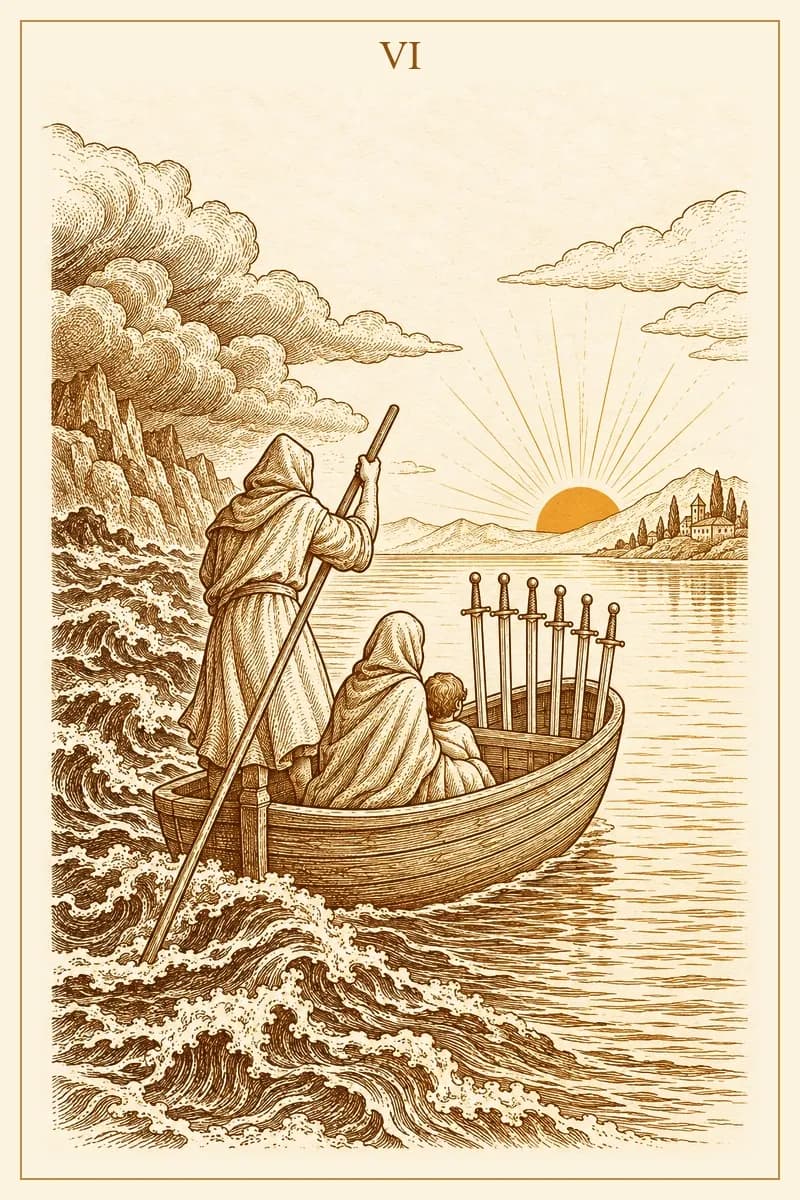
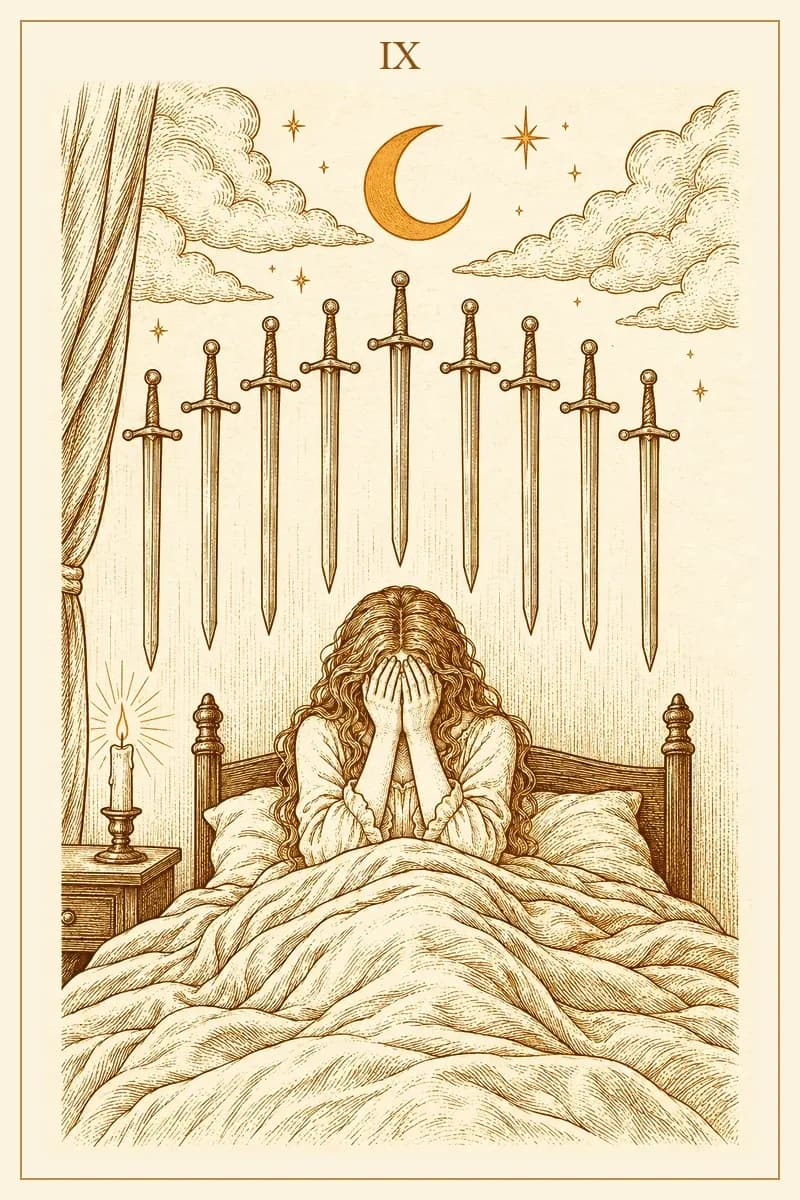
Meaning of Six of Swords and Nine of Swords Combination: Leaving With the Pain
Anxious transition forward
The stage lights dim but the actress doesn't stop performing. She's walking offstage — slowly, deliberately, moving toward the wings where the scene is supposed to end — but her lips keep moving, rehearsing lines from a play that already closed. The audience has left. The theater is empty. The exit is visible, lit by a green sign that says the way out is right there, ten steps ahead. But she keeps turning back toward the darkened stage, whispering dialogue from Act Three to an empty house. That's what it feels like when the Six of Swords tries to carry you forward while the Nine of Swords keeps replaying the scene you're leaving behind.
The smell of dust and old velvet hangs in the air. Your feet are moving in the right direction. Your mind is not. The departure is physical — you've packed the bags, filed the papers, booked the ticket. But the anguish travels with you, folded into the luggage like a costume you can't take off.
This is the combination of necessary movement shadowed by unresolved mental pain. You're going somewhere better. You just can't feel it yet.
The Core Tension
The Six of Swords is passage — the quiet boat crossing troubled water toward calmer shores. It's not joyful departure. It's the somber recognition that staying is no longer possible, that the only remaining option is forward. The journey is necessary, unglamorous, and usually tinged with grief for what's being left behind.
The Nine of Swords refuses to let the departure be clean. It sits upright in the boat, hands over face, replaying every painful moment from the place you're leaving. The swords above the sleeper aren't threats ahead — they're memories behind, sharpened by repetition into instruments of self-torture.
The tension is directional. Your body moves forward while your mind loops backward. The Six provides the vehicle for transition. The Nine fills that vehicle with the very anguish you're trying to escape.
Love & Relationships
In romantic readings, this combination appears during or after a breakup where the decision to leave was correct but the emotional processing hasn't caught up. You've ended the relationship — or you're in the process of ending it — and every logical part of you knows this is the healthier shore. But at night, the Nine of Swords replays the good moments, the promises, the version of the relationship that existed before it went wrong.
This pairing also surfaces when someone is relocating for a relationship or leaving a city where a significant love story happened. The physical transition is underway, but the theatrical rehearsal of past scenes continues in your mind's green room.
The comfort here is temporal. The Six of Swords is already moving. The Nine's anguish is loudest at the start of the journey and quieter by the end. You don't need to stop the pain to continue moving — you just need to keep moving despite it.
Career & Purpose
Professionally, the Six and Nine of Swords describe a career transition haunted by doubt. You've left the job, the industry, the toxic workplace. The resignation letter was sent, the exit interview completed, the desk cleared. But at three in the morning, the Nine of Swords asks whether you made the right call.
What if you'd stayed and things improved? What if the new position is worse? What if the bridges you burned were the ones you'll need? The professional equivalent of the actress rehearsing old lines in an empty theater — performing a role that no longer exists because letting go of the script feels like losing the character.
This combination confirms that the transition is correct. The anxiety isn't evidence that you've made an error. It's the natural soundtrack of any significant departure. The stage goes dark. The performance ends. The discomfort of the wings is not a reason to walk back onto a stage where the play is already over.
Shadow Side
The shadow of this pairing is romanticizing the place you're leaving. The Nine of Swords can rewrite history, turning a dysfunctional situation into a lost paradise through the alchemy of nocturnal anxiety. The theater looks beautiful in memory — the standing ovations, the opening nights — but you left because the building was condemned.
There's also the shadow of permanent transit. Some people use the Six of Swords as an identity — always leaving, always in the boat, never arriving. Combined with the Nine of Swords, this creates a person who is perpetually in motion and perpetually anxious, substituting movement for the harder work of actually landing somewhere and unpacking.
Action Steps
- 1Continue the transition you've already begun without requiring your emotions to match your direction — the Six of Swords moves forward whether the passenger is at peace or in tears, and both states are valid.
- 2Write a closing monologue for the scene you keep rehearsing: put the painful memory into words one final time, then acknowledge that the performance is over and the theater is dark.
- 3Establish one anchor in your destination — a routine, a connection, a physical space that belongs to where you're going rather than where you've been, because the Nine of Swords loses volume when there's something ahead worth listening to.
Related Pairings
Continue through published pairings that share Six of Swords or Nine of Swords.
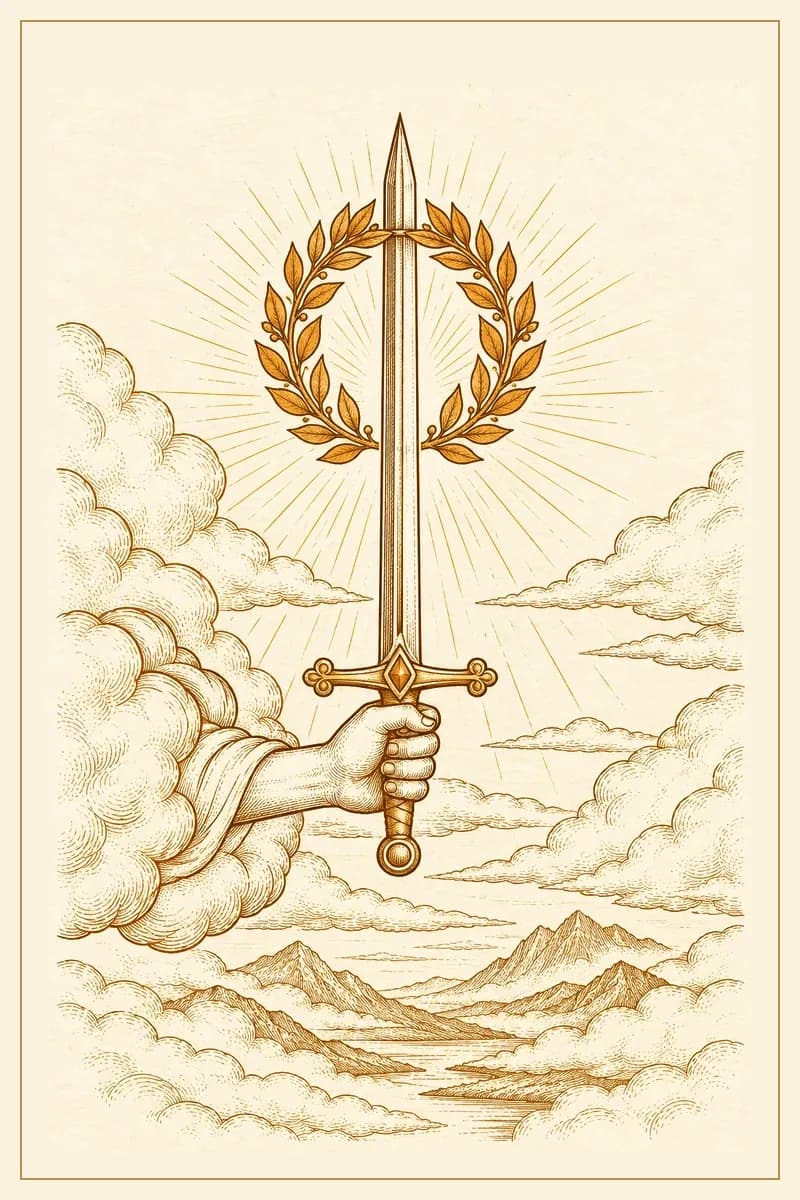
Truth born from suffering
Meaning of Ace of Swords and Nine of Swords Combination: Clarity Through Anguish
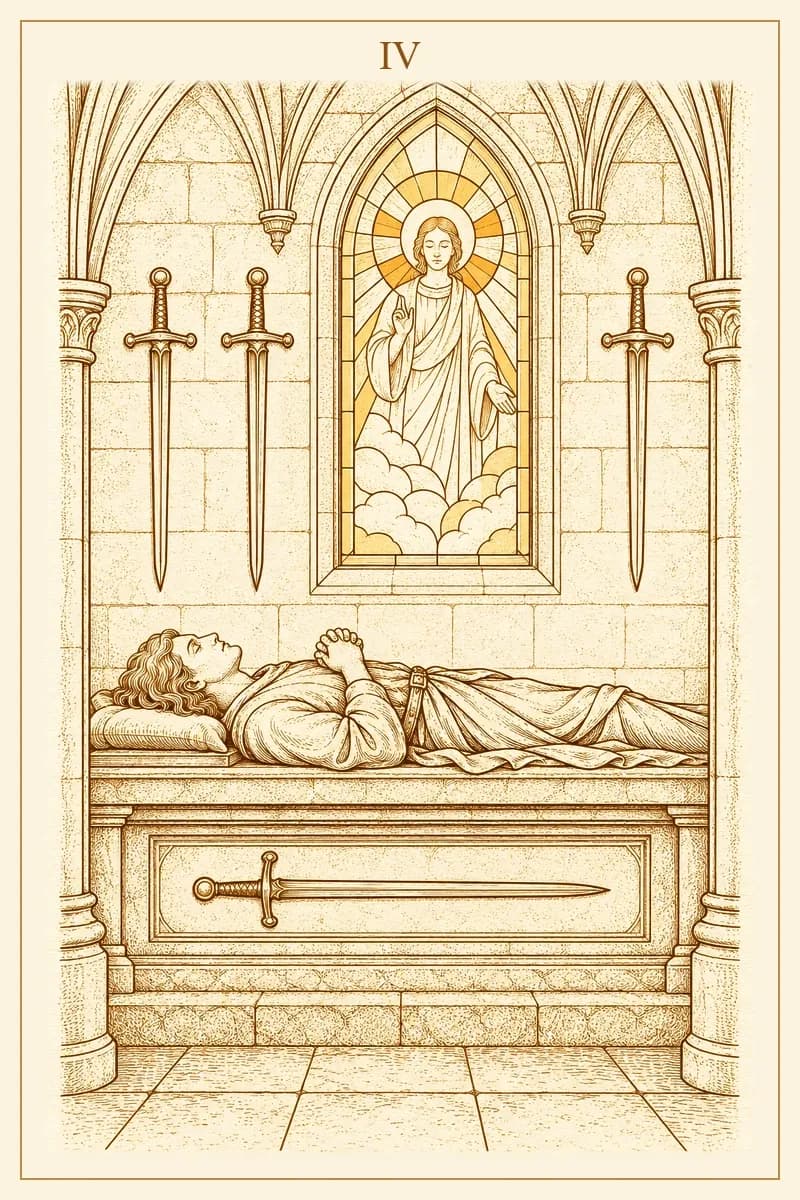
Recovery versus rumination
Meaning of Four of Swords and Nine of Swords Combination: Rest Against Nightmares
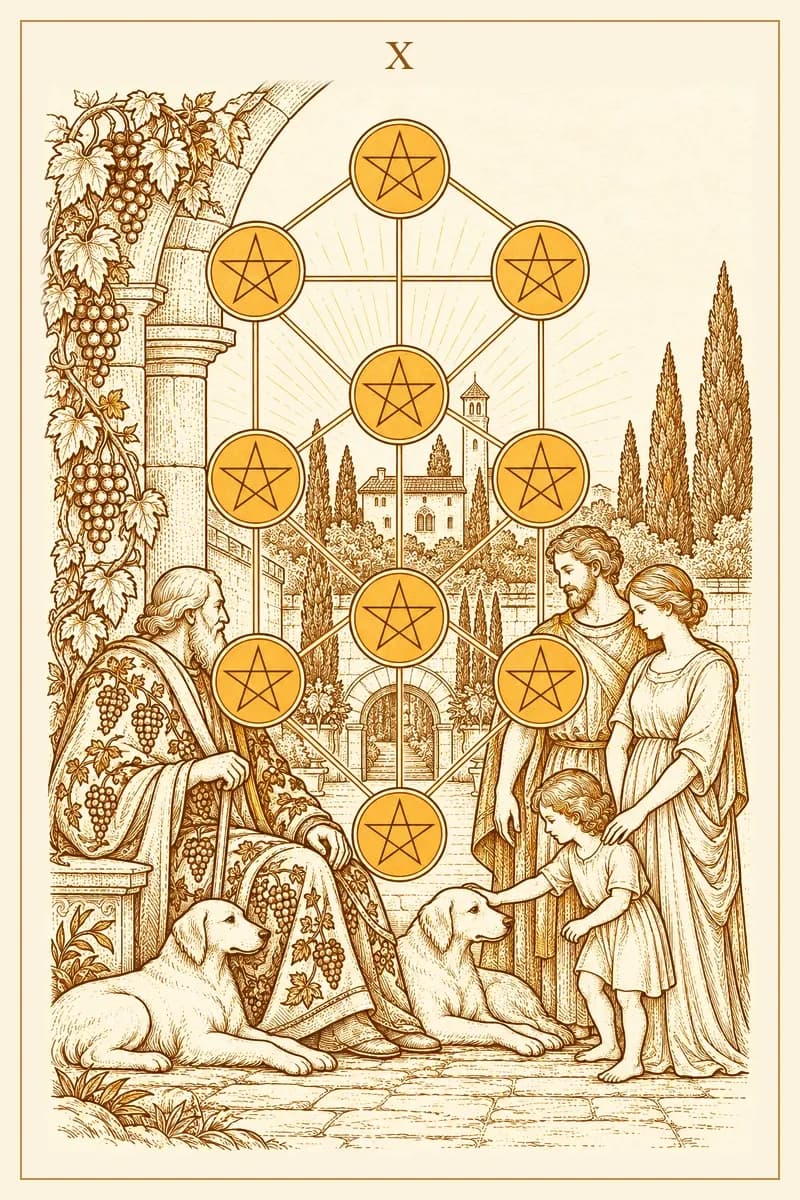
Anxiety within abundance
Meaning of Nine of Swords and Ten of Pentacles Combination: Anxiety Behind the Estate Walls
✦ Bring it to the cards ✦
Bring Six of Swords and Nine of Swords into your own reading
Use this pairing as a starting point, then let a spread listen to the situation that is actually yours.
Begin a contextual reading