
Card Combination
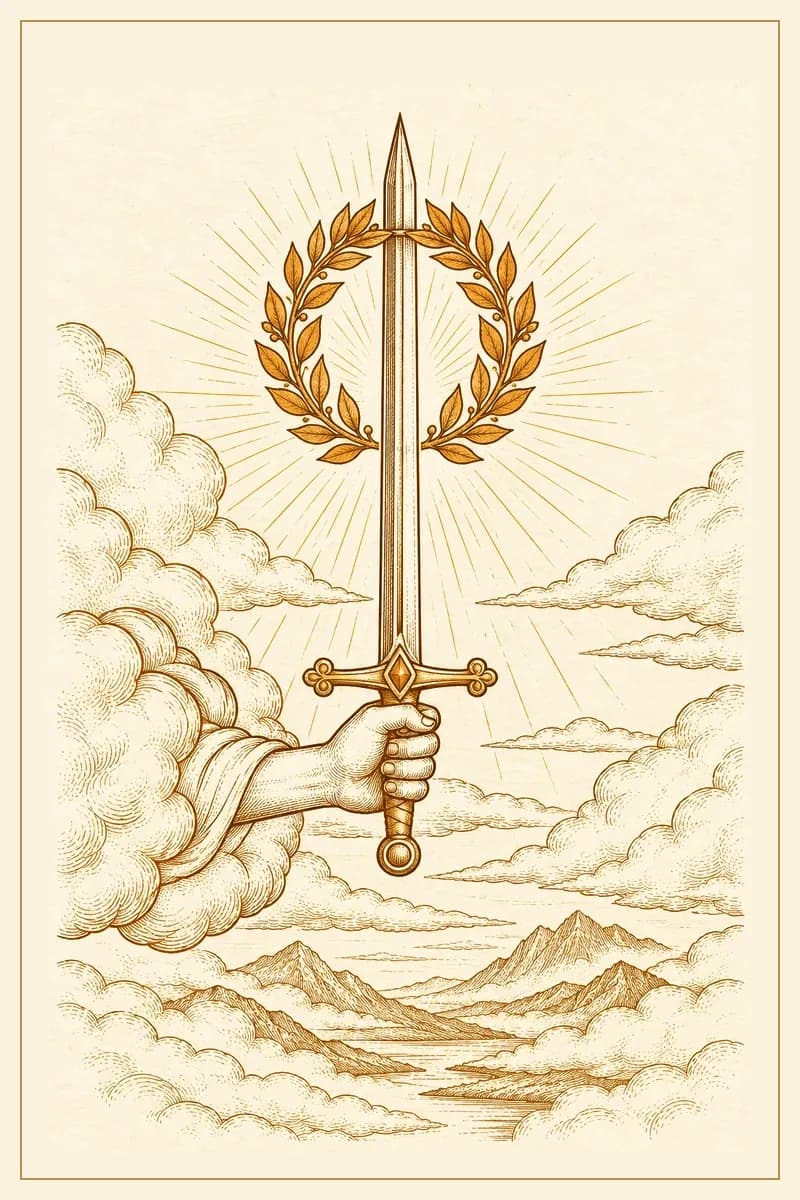
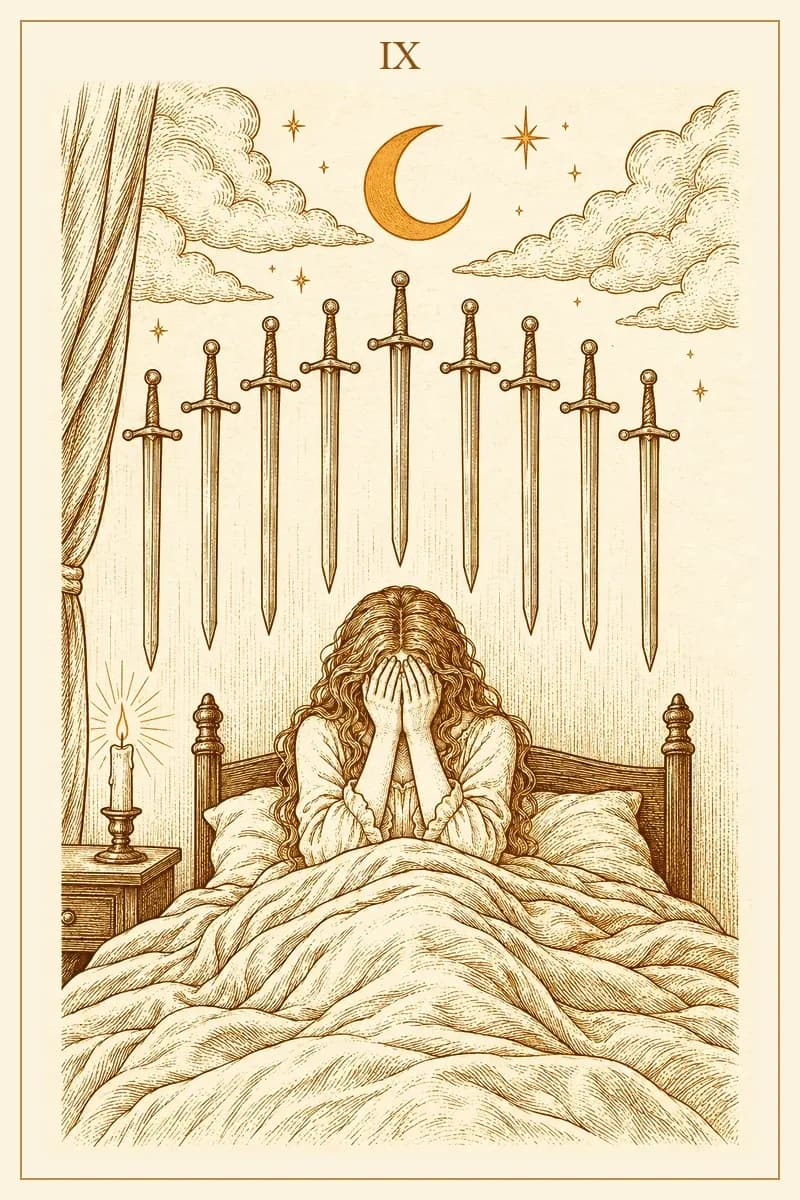
Meaning of Ace of Swords and Nine of Swords Combination: Clarity Through Anguish
Truth born from suffering
The war room is dark except for one lamp. Maps cover every surface, marked with failed campaigns and retreating lines. The general hasn't slept in three days — the Nine of Swords has been standing watch, replaying every casualty, every miscalculation. But somewhere in the predawn hours, while staring at the carnage of past decisions, a single line of advance becomes visible. The Ace of Swords slides across the table like a blade drawn from its sheath: one clear thought cutting through the fog of accumulated dread.
You're already inside this scene. The anxiety isn't hypothetical — it's the 3 AM inventory of everything that could go wrong, has gone wrong, might still go wrong. Your mind has been a battlefield. But the Ace arrives not despite the darkness but because of it. The sharpest insights often emerge from the longest nights.
This is the combination of the wound that teaches. Not every truth arrives gently. Some have to be forged in the furnace of sleepless worry before they become weapons you can actually wield.
The Core Tension
The Ace of Swords is pure mental breakthrough — the single idea that reorganizes everything around it. It's the general's epiphany, the strategic pivot that turns a losing war into a winnable one. It demands honesty, precision, and the courage to see what's actually there rather than what you wish were there.
The Nine of Swords is the cost of that honesty. It's the card of mental anguish, of nightmares made from real material. Every sword hanging above the sleeper represents a genuine concern, not a fantasy. The suffering is real because the problems are real.
The tension between these cards is temporal. The Nine represents the dark night that precedes the Ace's dawn. You cannot skip the anguish to reach the clarity — the clarity is produced by the anguish, the way a siege eventually forces the besieged to find the one escape route they'd overlooked.
Love & Relationships
In romantic readings, this pairing often appears when a painful truth about a relationship has been circling your thoughts without landing. You've been losing sleep over something — an unspoken tension, an unaddressed betrayal, a mismatch you've been trying to ignore. The Nine of Swords keeps you awake with it.
The Ace of Swords arrives as the conversation you've been dreading but need to have. It's the moment you finally articulate what's been gnawing at you, cutting through months of careful avoidance with one honest sentence. This won't be comfortable. But the relief that follows honest communication is the only cure for the Nine's insomnia.
If you're navigating a breakup, this combination marks the point where grief transforms into understanding. The pain doesn't disappear, but it reorganizes into something you can learn from rather than something that just hurts.
Career & Purpose
Professionally, the Ace of Swords and Nine of Swords describe the breakthrough that follows a period of intense pressure. You've been grinding through a problem — budget shortfalls, failed strategies, mounting deadlines — and the stress has been accumulating like casualties on a battlefield.
The strategic insight comes from exhaustion, not despite it. Like a military commander who finally sees the enemy's weakness after studying the same maps for weeks, your solution emerges from deep engagement with the problem. The Ace cuts through complexity not with fresh eyes but with battle-worn ones.
This combination also warns against the paralysis of overthinking. The Nine of Swords can keep you so focused on what might go wrong that you never deploy the Ace's insight. At some point, the general has to stop studying the maps and give the order. Analysis without action is just anxiety with extra steps.
Shadow Side
The shadow side of this pairing is the addiction to crisis as a path to clarity. Some people unconsciously create the Nine of Swords conditions — manufacturing anxiety, courting disaster — because they've learned that their best thinking happens under extreme pressure. This is the war strategist who can only function during wartime.
There's also the danger of weaponized truth. The Ace of Swords doesn't come with a safety mechanism. After nights of suffering, you might wield your hard-won insight like a blade aimed at whoever you blame for your pain. Clarity without compassion is cruelty. The most dangerous general is the sleepless one who's stopped caring about collateral damage.
Action Steps
- 1Write down the one thought that's been keeping you awake — not the spiral of worries surrounding it, but the single uncomfortable truth at the center of the noise, stripped of justification and fear.
- 2Deploy that truth in one concrete action: the conversation, the email, the decision you've been rehearsing at 3 AM but never executing in daylight.
- 3Establish one boundary between productive analysis and destructive rumination — choose a specific hour after which you stop strategizing and rest, because the Ace cannot be wielded by exhausted hands.
Related Pairings
Continue through published pairings that share Ace of Swords or Nine of Swords.
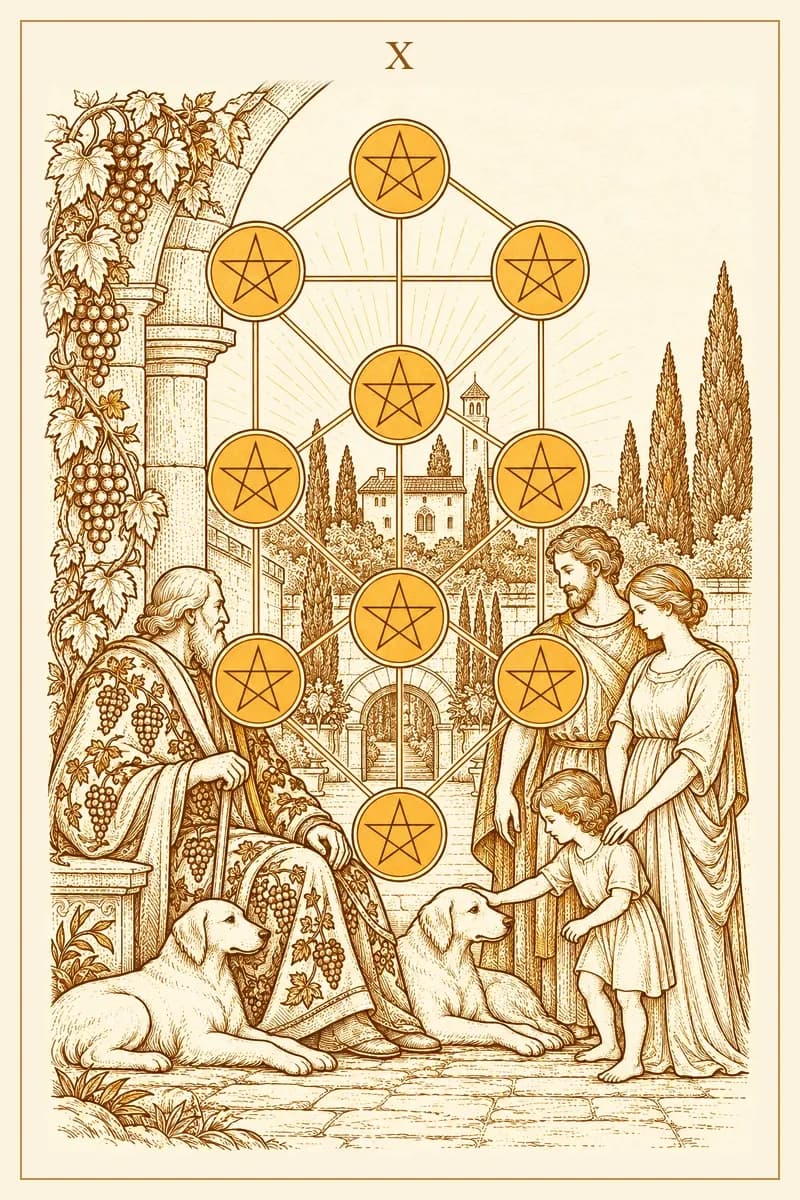
Intellectual disruption of legacy
Meaning of Ace of Swords and Ten of Pentacles Combination: Cutting Into Legacy
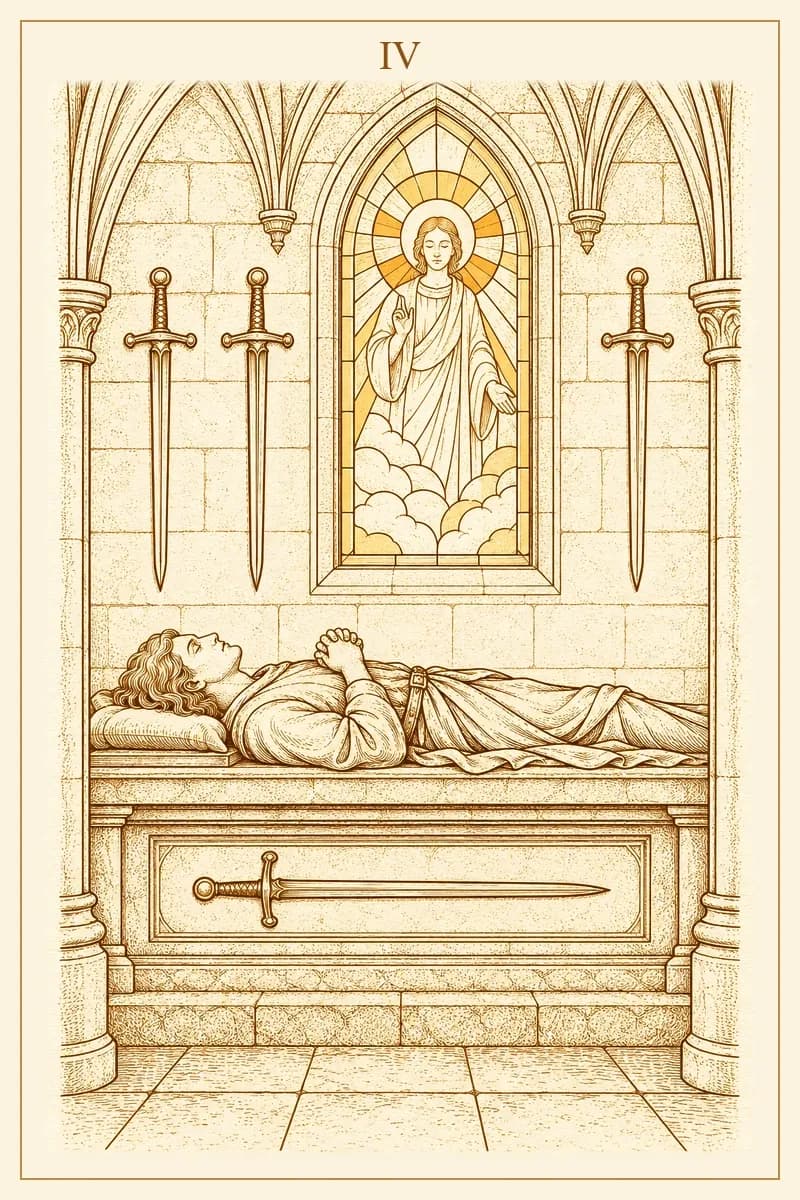
Recovery versus rumination
Meaning of Four of Swords and Nine of Swords Combination: Rest Against Nightmares
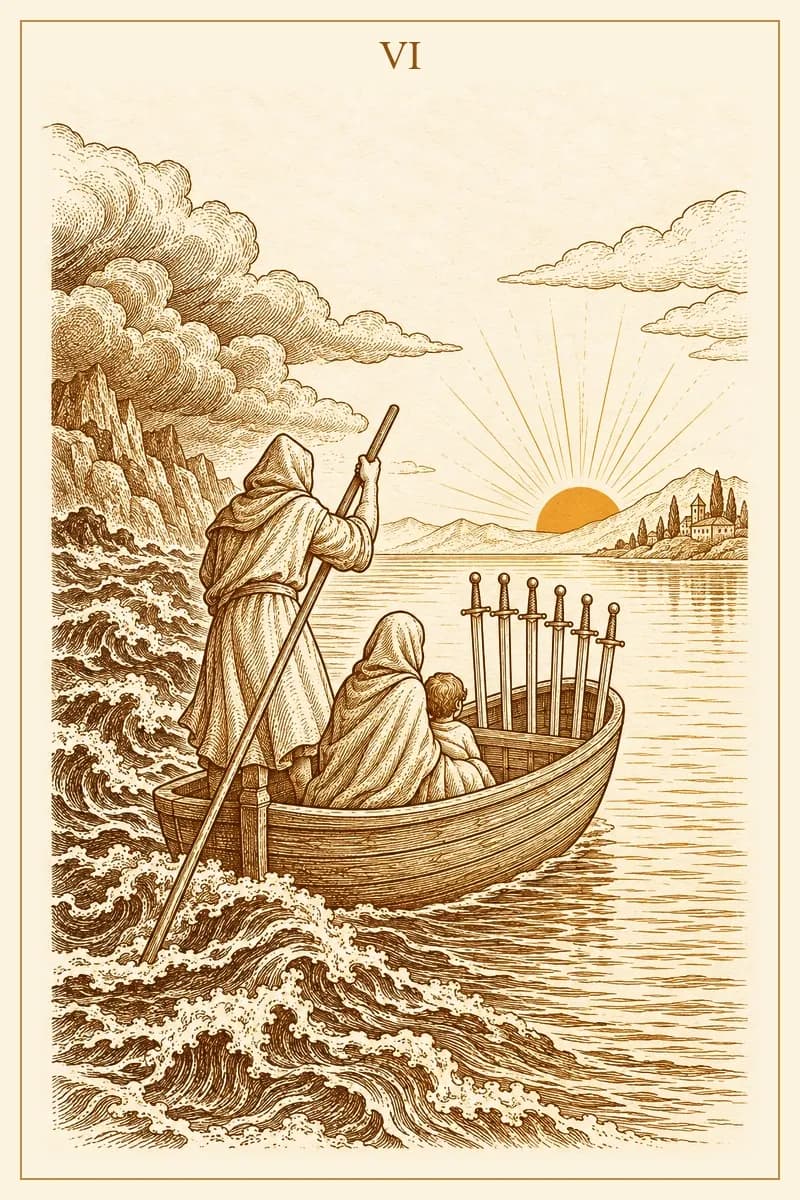
Anxious transition forward
Meaning of Six of Swords and Nine of Swords Combination: Leaving With the Pain
Anxiety within abundance
Meaning of Nine of Swords and Ten of Pentacles Combination: Anxiety Behind the Estate Walls
✦ Bring it to the cards ✦
Bring Ace of Swords and Nine of Swords into your own reading
Use this pairing as a starting point, then let a spread listen to the situation that is actually yours.
Begin a contextual reading