
Card Combination

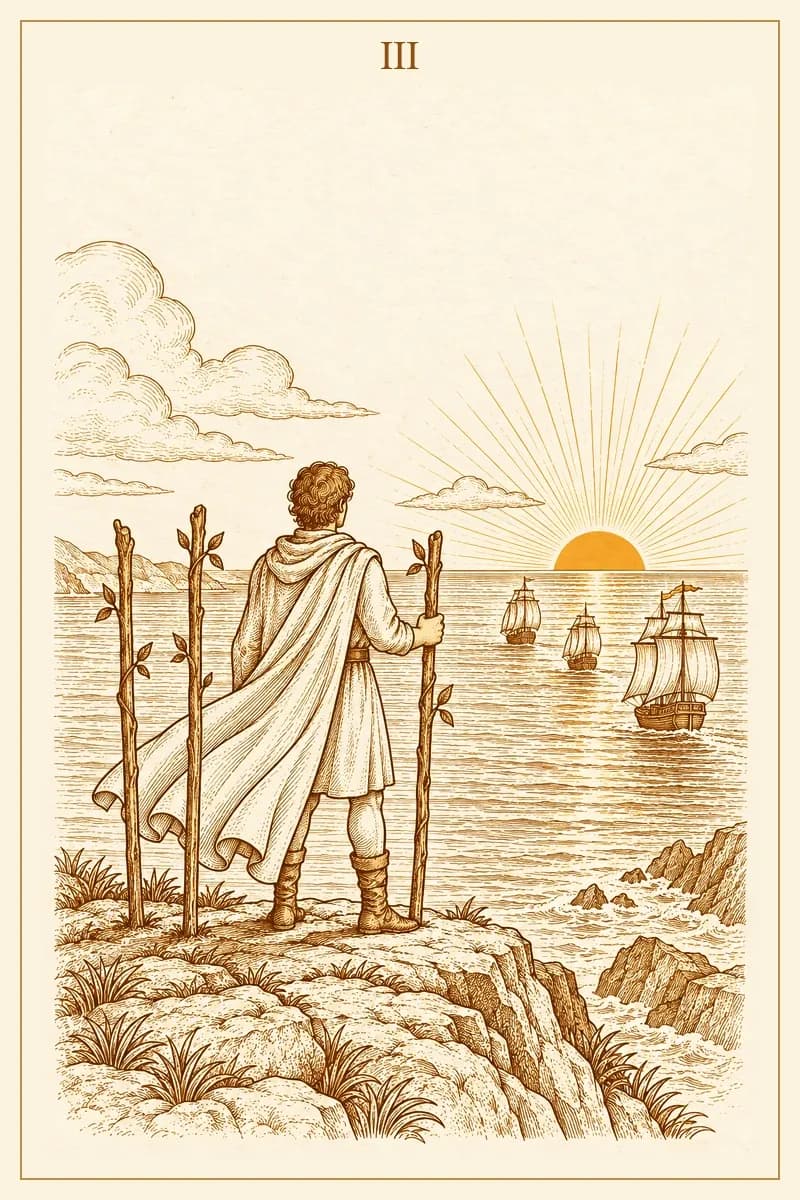
Meaning of Judgement and Three of Wands Combination: Visionary Reckoning
Accountable expansion
A building inspector arrives at a half-finished skyscraper. The blueprints are ambitious — forty stories of glass and steel stretching toward a horizon no one else has mapped. But the inspector doesn't care about ambition. She cares about load-bearing walls, about whether the foundation can hold what the architect dreams of placing on top. That tension between soaring plans and structural honesty is the exact territory where Judgement meets the Three of Wands.
One card strips away every comfortable illusion. The other stands at a cliff's edge, scanning trade routes that haven't been charted yet. Together, they refuse to let you plan boldly without first auditing what you've already built. And they refuse to let you dwell in self-assessment without eventually lifting your gaze toward the horizon.
The result is a rare kind of clarity — the sort that only arrives when honest evaluation and long-range thinking occupy the same room.
The Core Tension
Judgement demands a full accounting. It pulls every past decision, every buried regret, every half-forgotten promise into the light and asks whether you can stand behind all of it. The Three of Wands, meanwhile, has already moved on. It faces outward, watching ships approach from distant ports, calculating which venture to fund next. The friction here is real: one energy insists you look backward with ruthless clarity while the other insists the only direction worth facing is forward.
Yet the tension is productive. An architect who never inspects the foundation will watch the building collapse under its own ambition. An inspector who never approves construction leaves nothing but empty lots. The combination forces a sequence — reckoning first, then expansion. Not because the past is more important than the future, but because the future you're building needs to rest on something solid.
Love & Relationships
In relationships, this pairing often surfaces when a partnership reaches a threshold. One or both people sense that the connection has outgrown its original terms. Judgement brings the uncomfortable inventory: unspoken resentments, patterns inherited from previous relationships, the gap between who you promised to be and who you've actually been showing up as. The Three of Wands then asks what the relationship could become if both people stopped pretending the inventory doesn't matter.
For singles, the combination points to a period of recognizing exactly which past relationship habits have been sabotaging your ability to connect with someone whose values match your long-term direction. The reckoning isn't punishment — it's site preparation before construction begins.
Career & Purpose
Professionally, Judgement and the Three of Wands create a potent audit-then-launch sequence. You may be evaluating whether your career path aligns with a deeper calling rather than just a paycheck. The Three of Wands adds international or cross-industry scope — the sense that your next move involves broader territory than you've operated in before.
Expect moments where a mentor, performance review, or honest colleague forces you to confront a skill gap or a strategic blind spot. The discomfort is architectural: you're identifying which walls are load-bearing and which are decorative before you add another story to your professional structure. Contracts, partnerships, and overseas opportunities may surface, but only the ones that survive honest scrutiny will hold weight.
Shadow Side
The shadow of this combination is paralysis disguised as thoroughness. Judgement's demand for honest reckoning can mutate into perfectionism that never declares the foundation ready. You keep inspecting, keep finding hairline cracks, keep delaying the moment you'd have to actually commit to building something visible and vulnerable.
Alternatively, the shadow flips: the Three of Wands' hunger for expansion overrides the reckoning entirely. You launch the venture, send the message, sign the contract — all while ignoring the structural flaw Judgement was trying to show you. The collapse, when it comes, is predictable to everyone except the person who refused to look down.
Watch for the temptation to substitute research for reckoning. Reading five more books, attending one more seminar, gathering one more data point — none of it replaces the specific, personal accounting that Judgement requires before the Three of Wands' vision becomes trustworthy.
Action Steps
- 1Identify one professional or personal plan you've been expanding without auditing its foundation, and spend thirty minutes writing down every assumption it rests on.
- 2Reach out to someone whose honest perspective you've been avoiding — a former colleague, a family member, a partner — and listen without defending.
- 3Choose one concrete action that moves a long-term goal forward, but only after you've confirmed it aligns with the values Judgement revealed during your accounting.
Related Pairings
Continue through published pairings that share Judgement or Three of Wands.
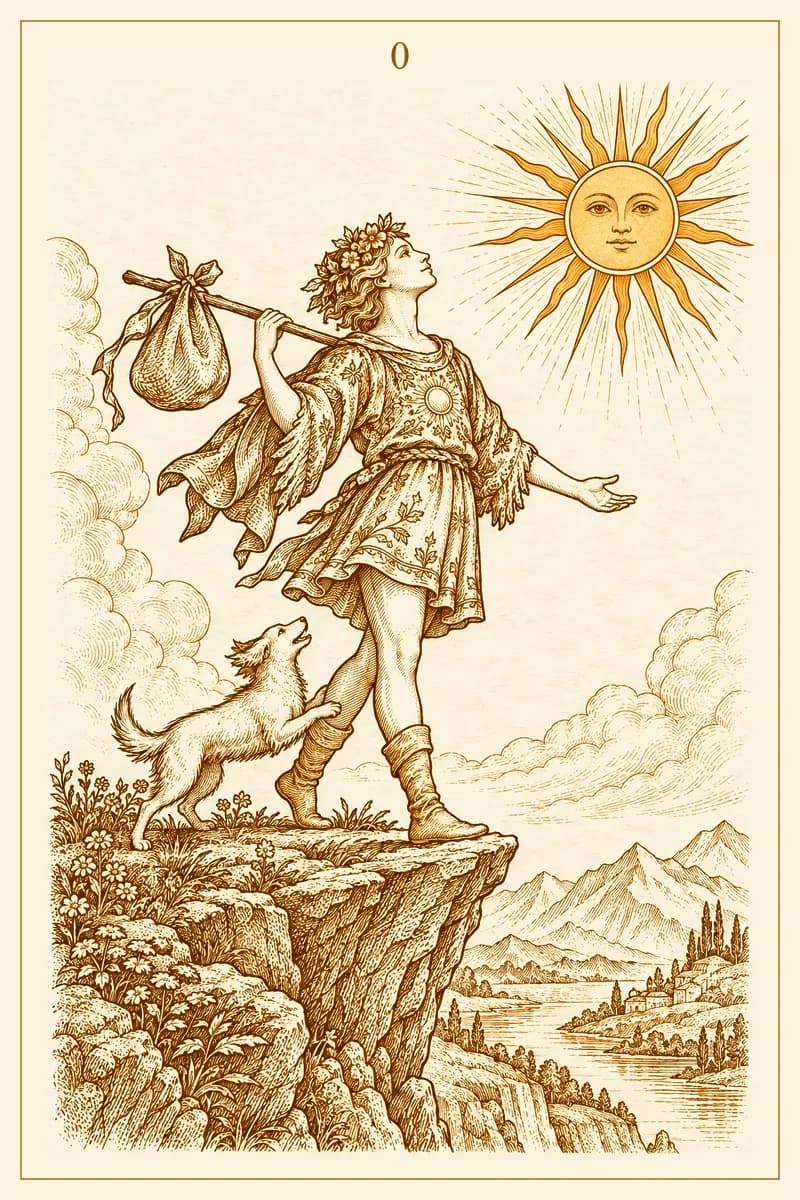
Beginningless self meets ultimate accountability
Meaning of The Fool and Judgement Combination: The Call Before the Story
Visionary recklessness
Meaning of The Fool and Three of Wands Combination: Blind Expansion

Mastery summoned to transformation
Meaning of The Magician and Judgement Combination: When Mastery Meets Its Calling
Intention into expansion
Meaning of The Magician and Three of Wands Combination: Launching What You Built

Reckoning within
Meaning of The High Priestess and Judgement Combination: The Reckoning Within
Foresight in motion
Meaning of The High Priestess and Three of Wands Combination: Foresight Already in Motion
✦ Bring it to the cards ✦
Bring Judgement and Three of Wands into your own reading
Use this pairing as a starting point, then let a spread listen to the situation that is actually yours.
Begin a contextual reading