Loading your view
The page is gathering the latest information.
The page is gathering the latest information.
beginningless self meets ultimate accountability
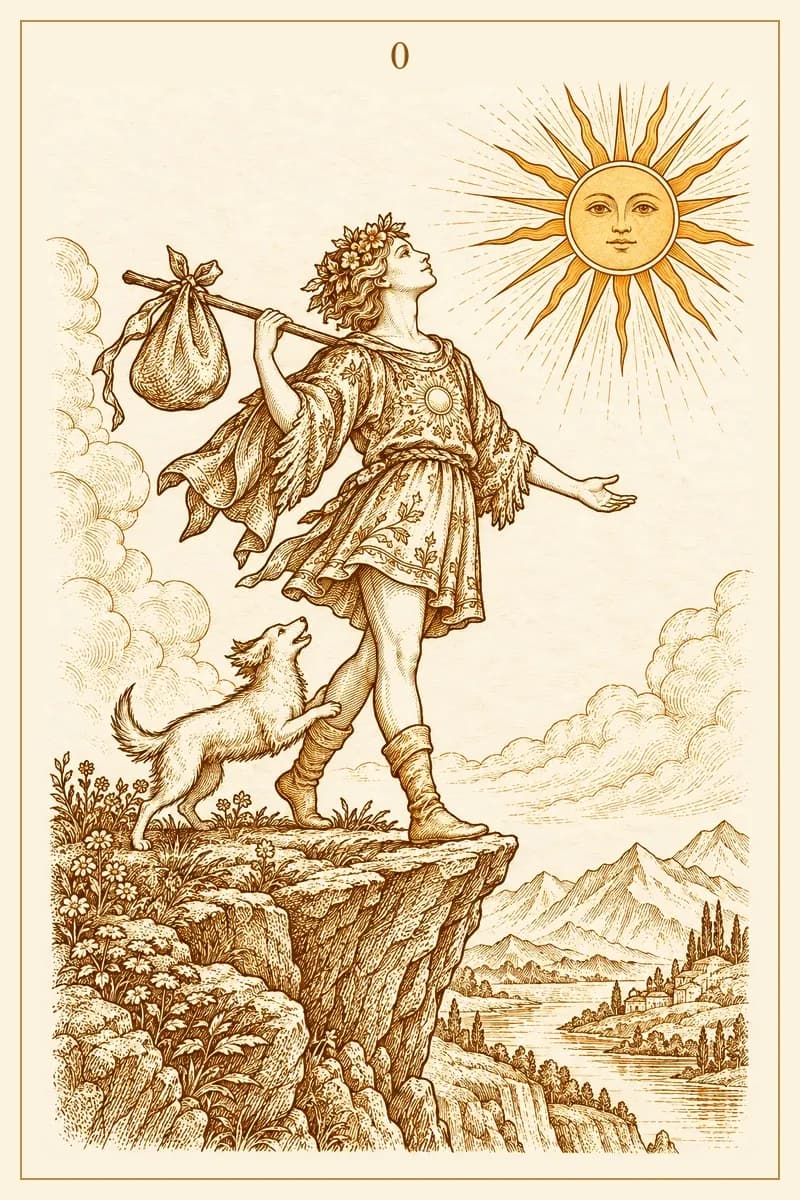
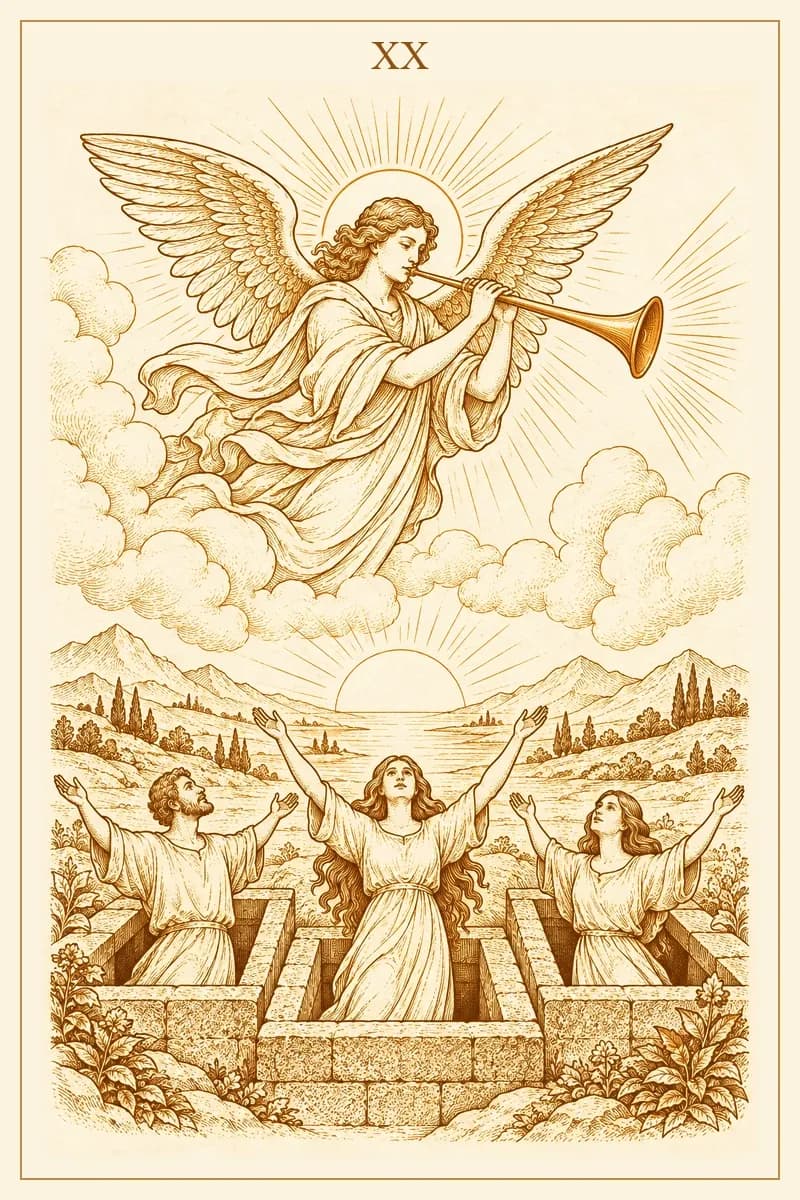
The curtain rises on two actors who have never rehearsed together. One has no script — he walked onstage because the lights were on and the door was open and standing in the wings felt less interesting than standing in the spotlight. The other has memorized every script ever written for this theater: every role, every missed cue, every standing ovation and every empty house. The trumpet sounds. The audience leans forward. And the actor with no lines looks at the actor with all the lines and says the one thing that no script has ever contained: "What happens now?"
Judgement doesn't know. That's the revelation. The card of reckoning, the card that calls the dead from their coffins and demands an accounting of every choice — this card has a comprehensive record of what has happened but no authority over what has not happened yet. The Fool is what has not happened yet. He stands outside the archive. He is the blank page that the trumpet is calling into existence, and the terrifying beauty of this combination is that the page will be written by someone who cannot read.
Judgement operates on accumulated evidence. It reviews, weighs, and pronounces. It is the final act of a play — the moment when every subplot converges and the audience understands, retroactively, what the story was about. The Fool operates on no evidence at all. He is the opening night of a production that hasn't been written, performed by a cast that hasn't been hired, in a theater that may not exist by morning.
The tension is temporal. Judgement pulls backward — toward integration, toward the sum of all parts. The Fool pulls forward — toward the part that hasn't been played yet. When they appear together, the question becomes whether you can answer the trumpet's call without being imprisoned by what it reveals. Can you hear the full accounting of who you have been and still step off the cliff into who you have not been?
This combination arrives when a relationship demands transformation that feels like starting over. One partner hears the call — a deep internal summons to become something they haven't been before. The other partner watches this transformation with the specific confusion of someone who fell in love with a character that is now being rewritten mid-performance.
The productive dynamic lets both people respond to the trumpet. Judgement in love means seeing your partner completely — every version they have been, every role they have played — and choosing them again with full knowledge. The Fool in love means choosing without knowledge, on instinct, because the person standing in front of you feels more real than any record of who they used to be. The combination asks whether the relationship can survive being simultaneously fully known and completely unknown.
A career is being called to account. Performance reviews, industry shifts, the accumulation of years in a role that may have run its course. Judgement at work is the audit — internal or external — that forces a reckoning with whether the work you have done is the work you were meant to do. The Fool at work is the impulse to walk away from the audit entirely and start something with no credentials, no track record, and no guarantee.
This pair produces the most dramatic professional pivots. The executive who becomes an artist. The specialist who becomes a generalist. The person who hears the trumpet reviewing their accomplishments and realizes that the summary, while impressive, describes someone else's life. The Fool gives permission to leave the theater. Judgement ensures you leave having watched the entire final act rather than sneaking out at intermission.
The shadow is premature resurrection. Judgement's trumpet calls and The Fool answers before the reckoning is complete — skipping the uncomfortable review, jumping straight to the blank page, calling it enlightenment instead of avoidance. The actor who walks offstage before the final scene isn't liberated. He has abandoned his own story.
The opposite shadow is perpetual auditing. Judgement plays the trumpet on repeat, reviewing and re-reviewing every choice, and The Fool never arrives because the stage is permanently occupied by the past. The call to something unprecedented gets drowned out by the cataloguing of everything that has already happened. The play runs forever because nobody is willing to write the ending.
Keep or share this combination reference
Continue through published pairings that share The Fool or Judgement.
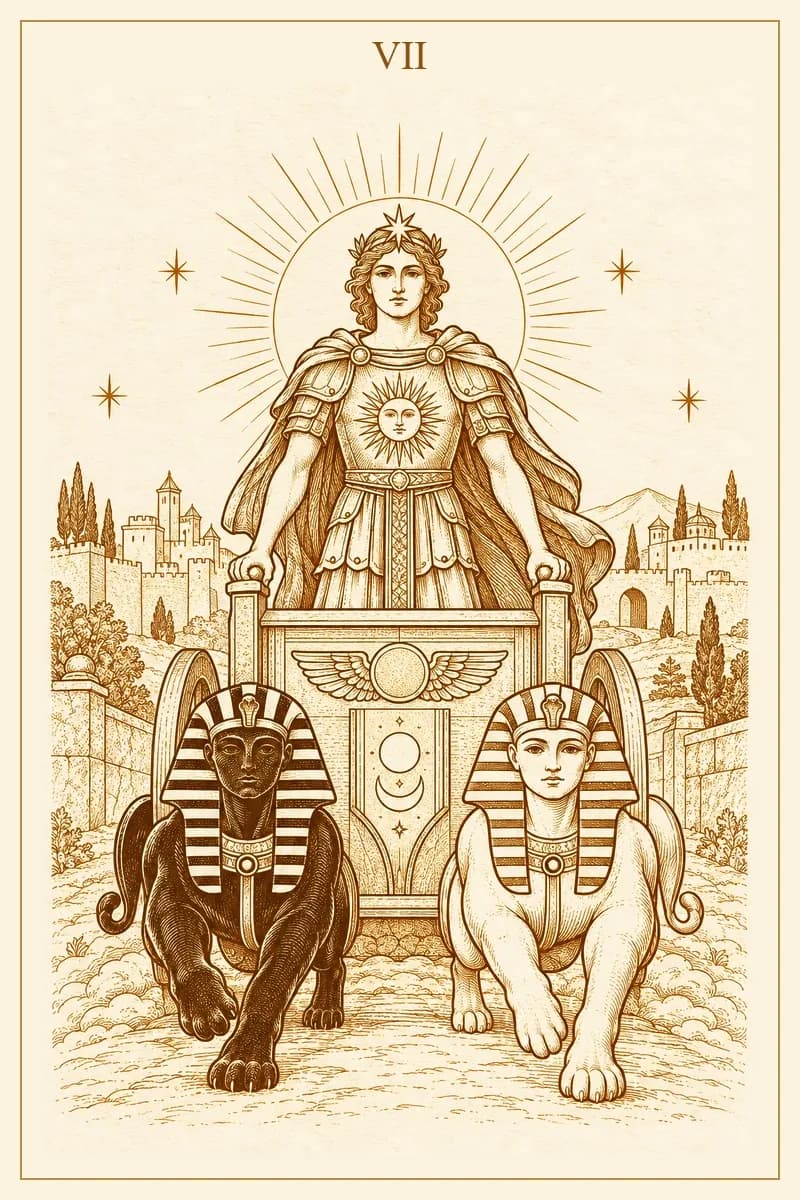
Reckless Momentum
driven reckoning
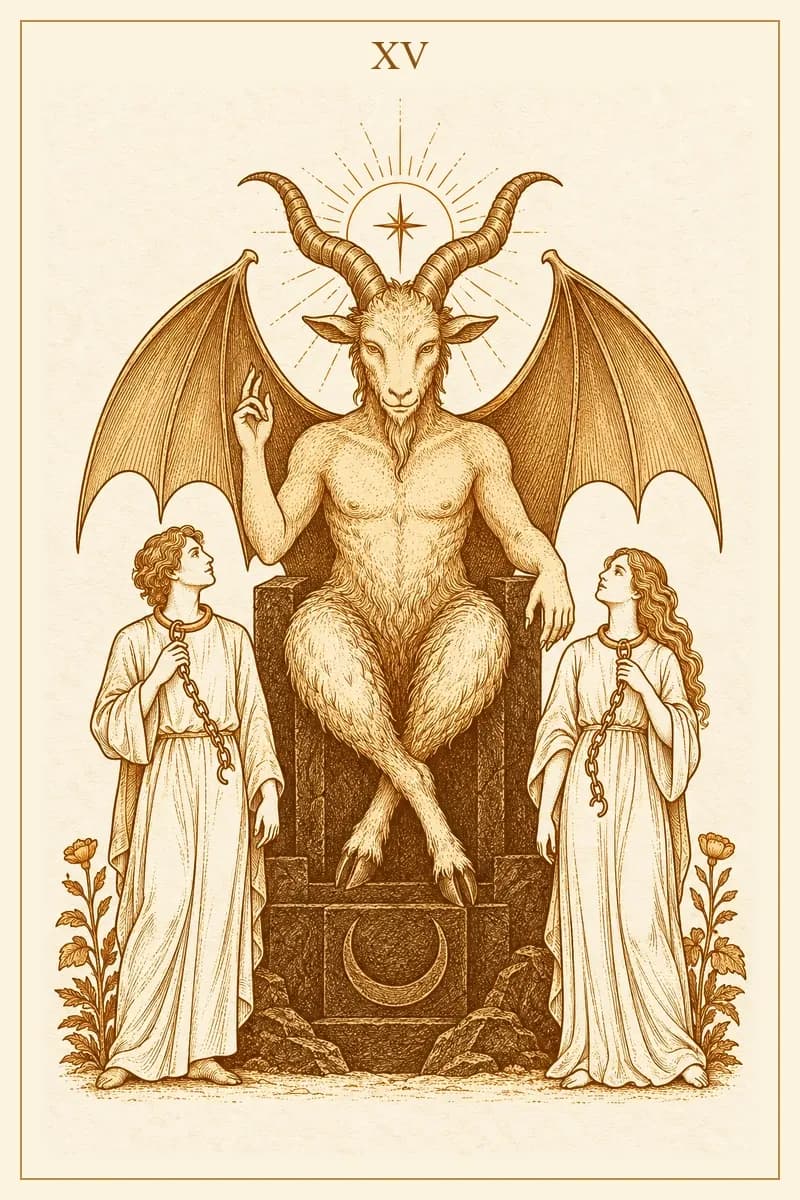
Innocence Meets Appetite
bondage meets awakening
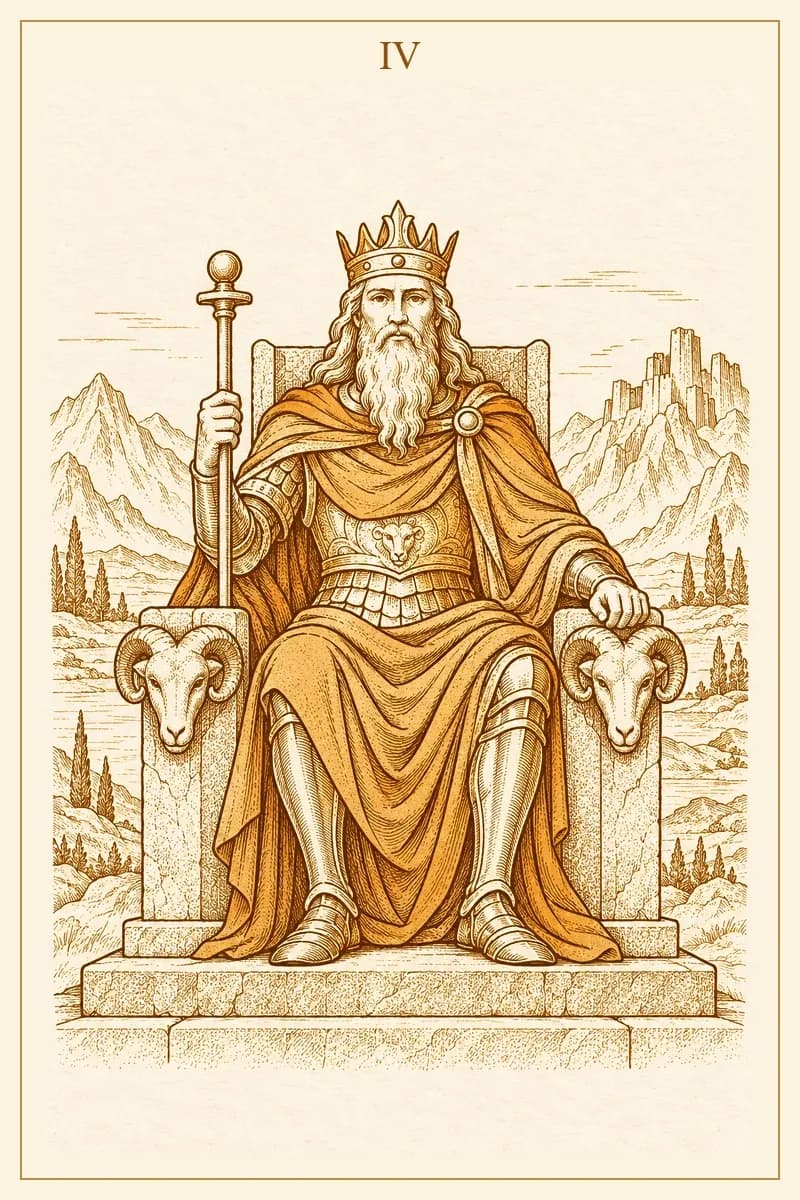
Structured Freedom
earthly authority transcended
✦ Bring it to the cards ✦
Use this pairing as a starting point, then let a spread listen to the situation that is actually yours.
Begin a contextual reading