Loading your view
The page is gathering the latest information.
The page is gathering the latest information.
institutional collapse
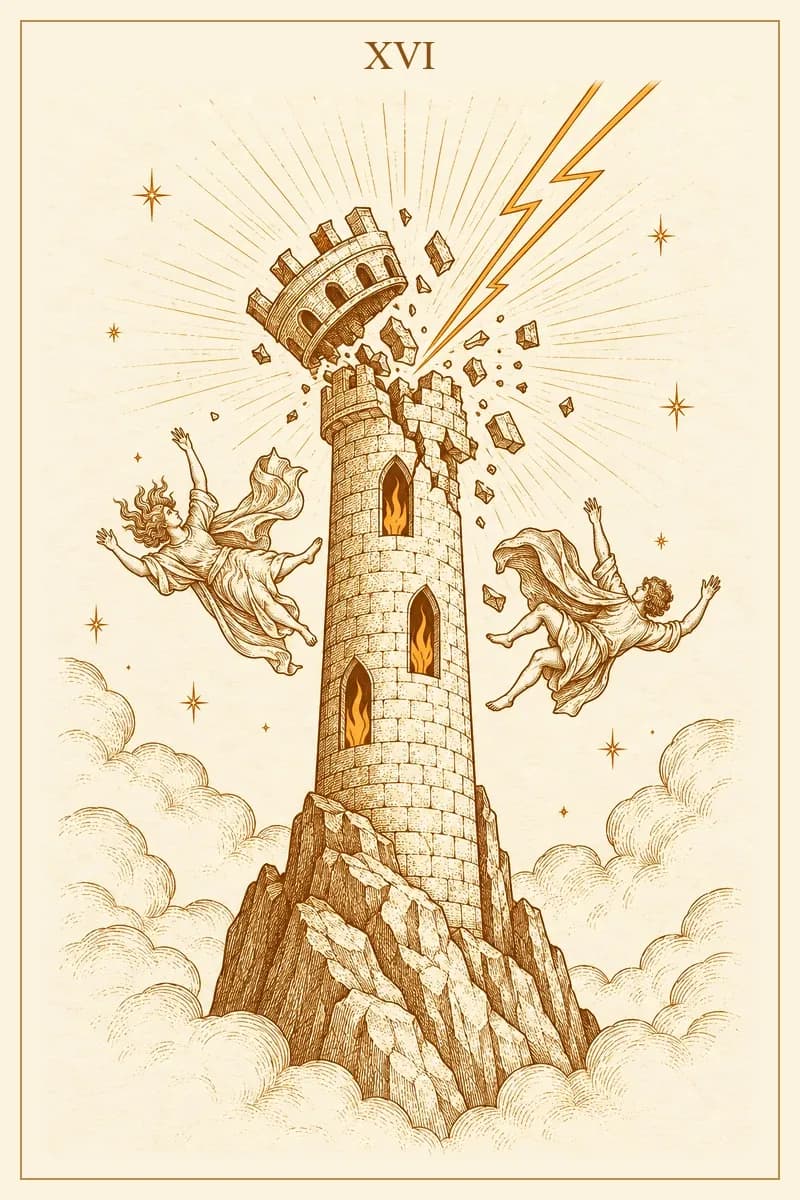
The stones are already falling. You didn't throw them — you didn't have to. The structure held everything together for so long that no one stopped to inspect the mortar, and now the inspection is happening all at once, loudly, from the outside in. Something you were taught to call sacred is coming apart, and the most disorienting part isn't the noise. It's the silence where certainty used to be.
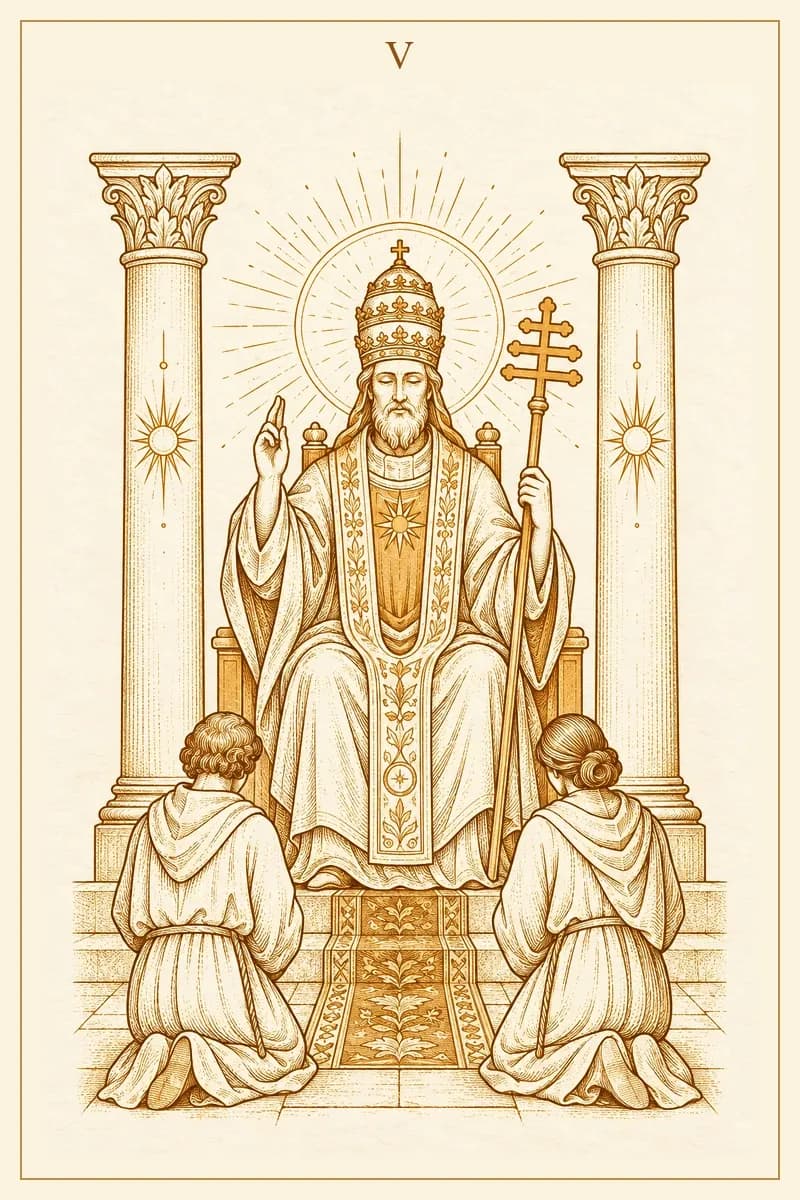
This is the reading of the fallen institution. Not the slow erosion of doubt — that would be the Moon's territory — but the sudden, spectacular exposure of a structure that was never as solid as it appeared. A church, a family doctrine, a professional code, a belief system that organized your life — the Tower doesn't negotiate. It arrives without warning and removes the scaffolding you were still standing on.
The Hierophant built the tower. That's the part that matters. This wasn't chaos attacking order from outside. The collapse happened because the order itself had a flaw at its foundation that tradition kept papering over. The lightning found the tallest point because the tallest point was drawing it.
The Hierophant represents inherited wisdom and the institutional frameworks that transmit it. The Tower represents the catastrophic failure of things believed to be indestructible. The tension between them is the tension between reverence and reality — what we were told is eternal meeting what the world actually does to permanent things.
In military terms: this is the moment the fortified position reveals it was never impregnable, just never seriously challenged. The garrison believed in the walls. The walls believed in the garrison. Neither turned out to be enough. What remains after the smoke clears is information — brutal, clarifying, and finally usable.
The productive reading of this pairing is not grief, though grief is appropriate. It's reconnaissance. The collapse shows you what was actually holding, and what was just filling space with impressive-looking stone.
In relationships, this combination often signals the abrupt end of a dynamic built on borrowed framework — a relationship held together by religious expectation, family pressure, or social convention rather than genuine compatibility. The Tower moment can be a revelation: an affair disclosed, a secret surfaced, a conversation that finally says what years of silence had been avoiding.
It can also describe an internal rupture: the moment you stop believing in the version of love you were handed. The institution of marriage, the expectation of children, the definition of a "proper" partner — whichever template was organizing your romantic life has cracked, and the crack is large enough that pretending it isn't there is no longer viable.
After the Tower falls on the Hierophant's ground, the relationship that survives will be built on different terms. The question isn't whether to grieve what broke — grieve it — but whether what you build after is yours or another institution's blueprint.
Professionally, this combination is the layoff you didn't see coming in the company you believed in. The organization restructuring that eliminates your role and your professional identity in a single announcement. The industry shifting so fundamentally that the credentials you spent years acquiring are now worth significantly less than they were.
It can also manifest as the moral rupture: discovering that the institution you served was operating on principles you cannot endorse. The law firm's ethics, the nonprofit's actual finances, the company's treatment of its employees — the Tower brings what was hidden into sudden, unflattering light.
The strategic response, once the shock passes: assess what skills and relationships are genuinely yours and not just borrowed from the institution that's now gone. You know more than you did yesterday. It cost something. Use it.
The shadow of this combination is the rebuilding of another tower on the same cracked ground. After a major institutional collapse, the psyche reaches desperately for new certainty — a different belief system, a new guru, a fresh doctrine. The danger is that the need for structure, which is the Hierophant's domain, reasserts itself before the lessons of the collapse have been fully absorbed.
Watch for the pattern of replacing one rigid framework with another without understanding why the first one failed. Watch for the person who leaves one controlling relationship and immediately enters another with a different face on the same dynamic. The Tower clears the ground. That doesn't mean you have to fill it immediately.
Keep or share this combination reference
Continue through published pairings that share The Hierophant or The Tower.
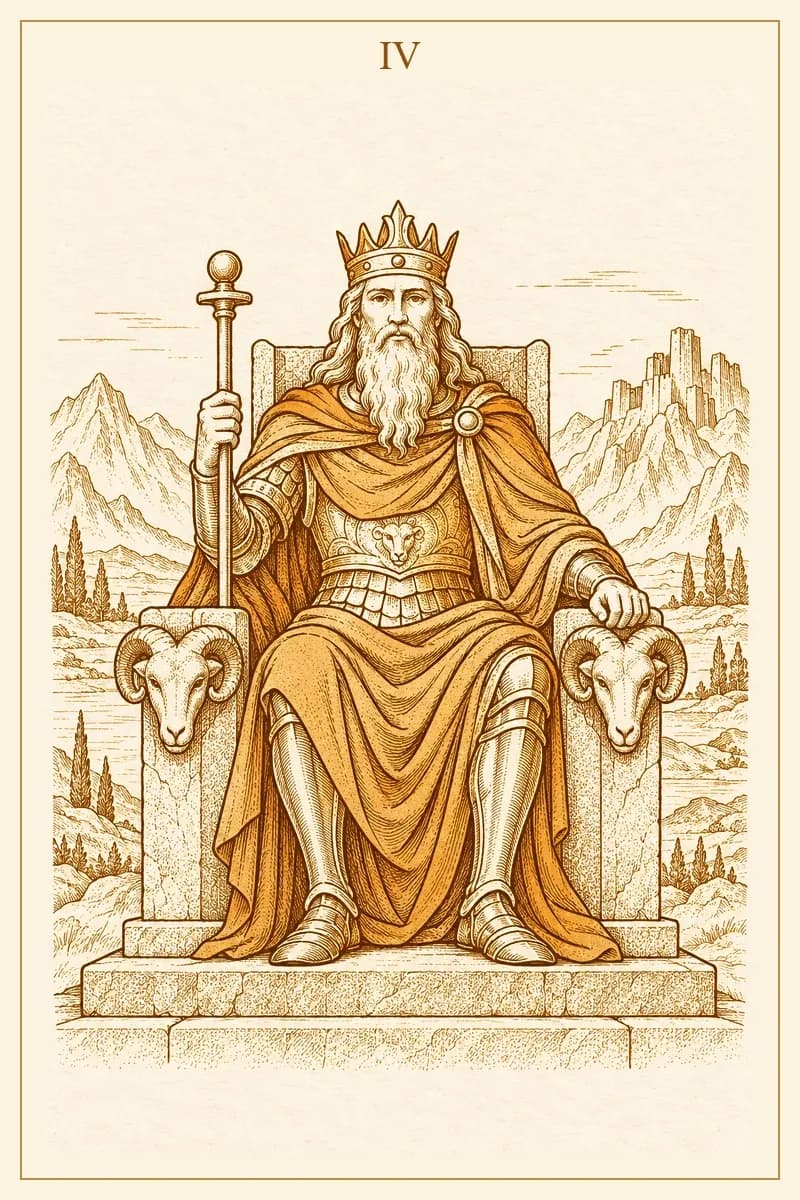
authority meets doctrine
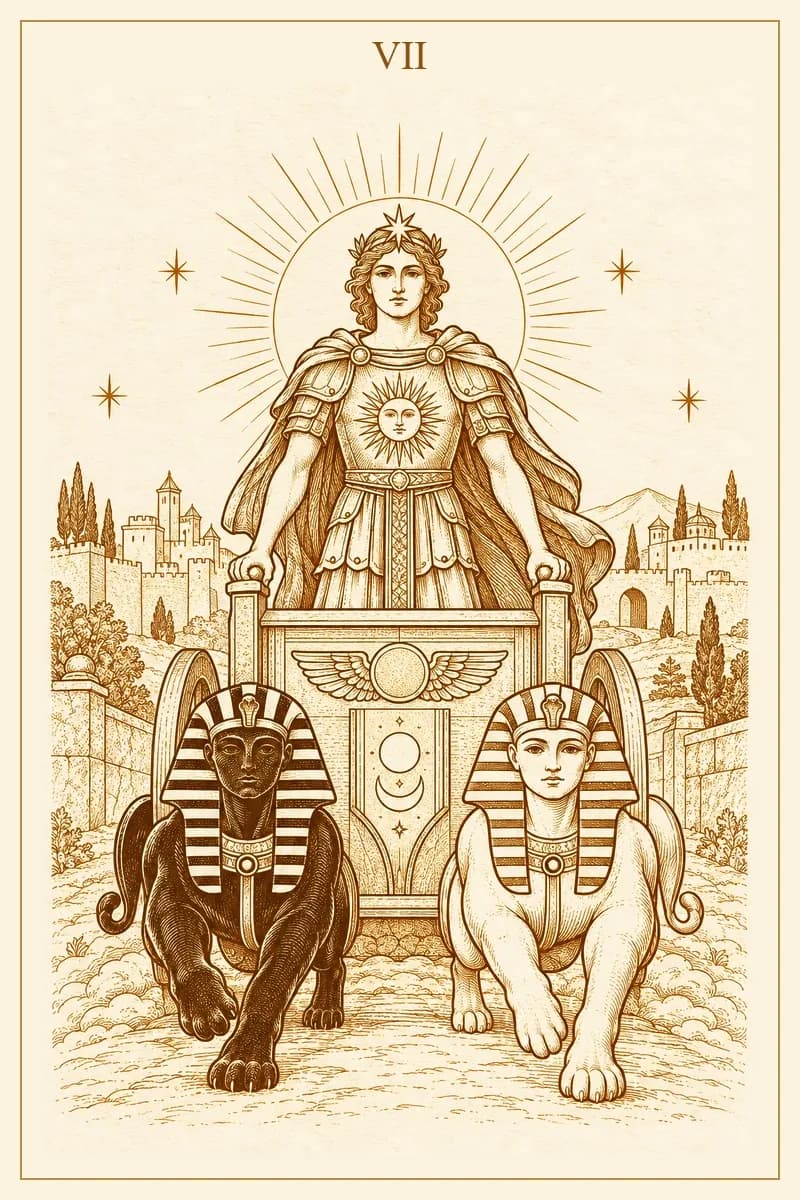
controlled force shattered
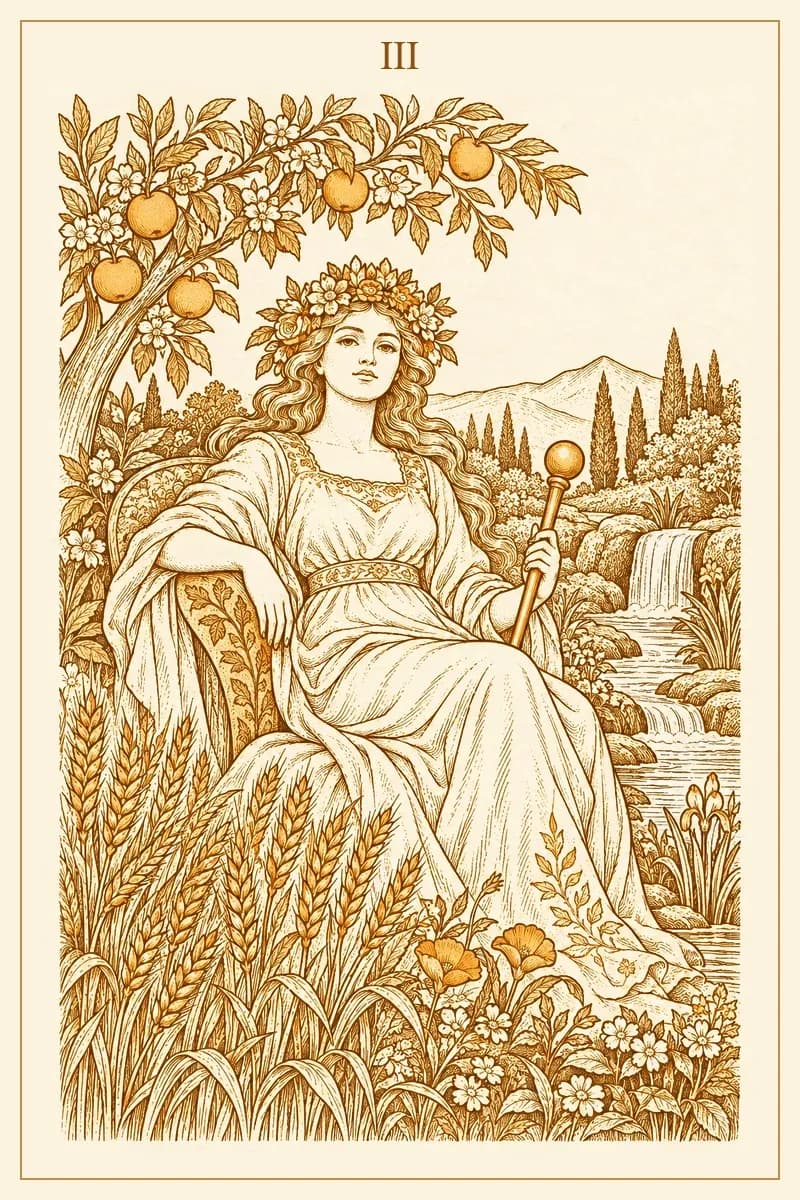
abundance versus doctrine
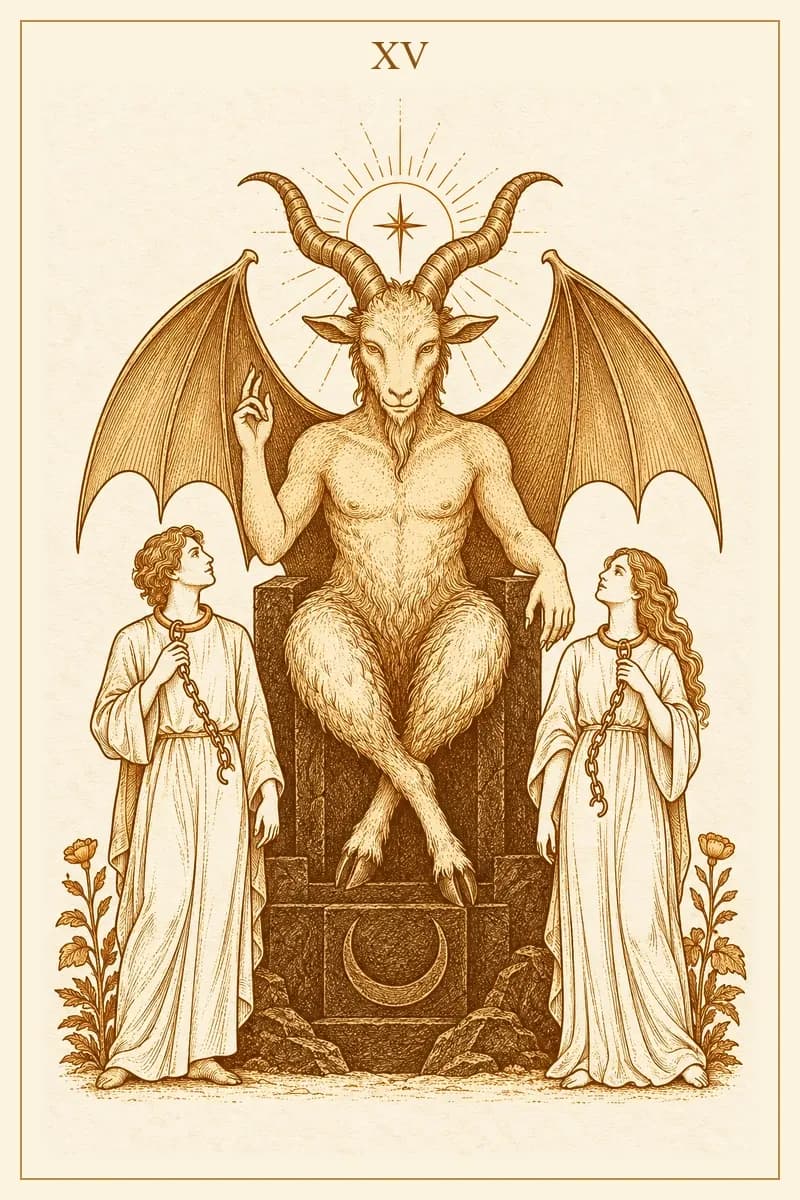
forced liberation
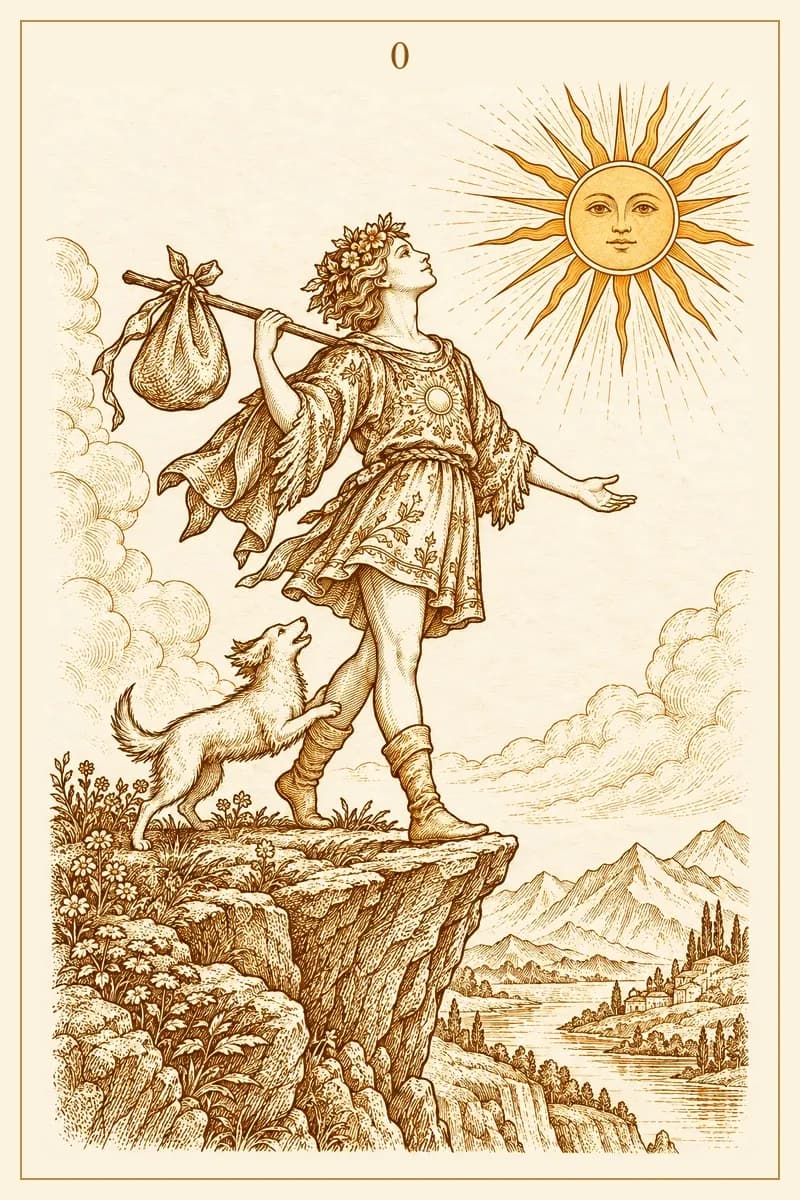
Sacred Rebellion
authority meets collapse
✦ Bring it to the cards ✦
Use this pairing as a starting point, then let a spread listen to the situation that is actually yours.
Begin a contextual reading