Loading your view
The page is gathering the latest information.
The page is gathering the latest information.
abundance versus doctrine
Stand in a kitchen where bread is rising. The dough does not consult a rulebook — it responds to warmth, to moisture, to the living yeast inside it. But the baker who made it followed a recipe, measured the flour, timed the proof. Remove the recipe and you might get something extraordinary or something inedible. Remove the living culture and you get a flat, lifeless loaf that followed every instruction and produced nothing worth eating.
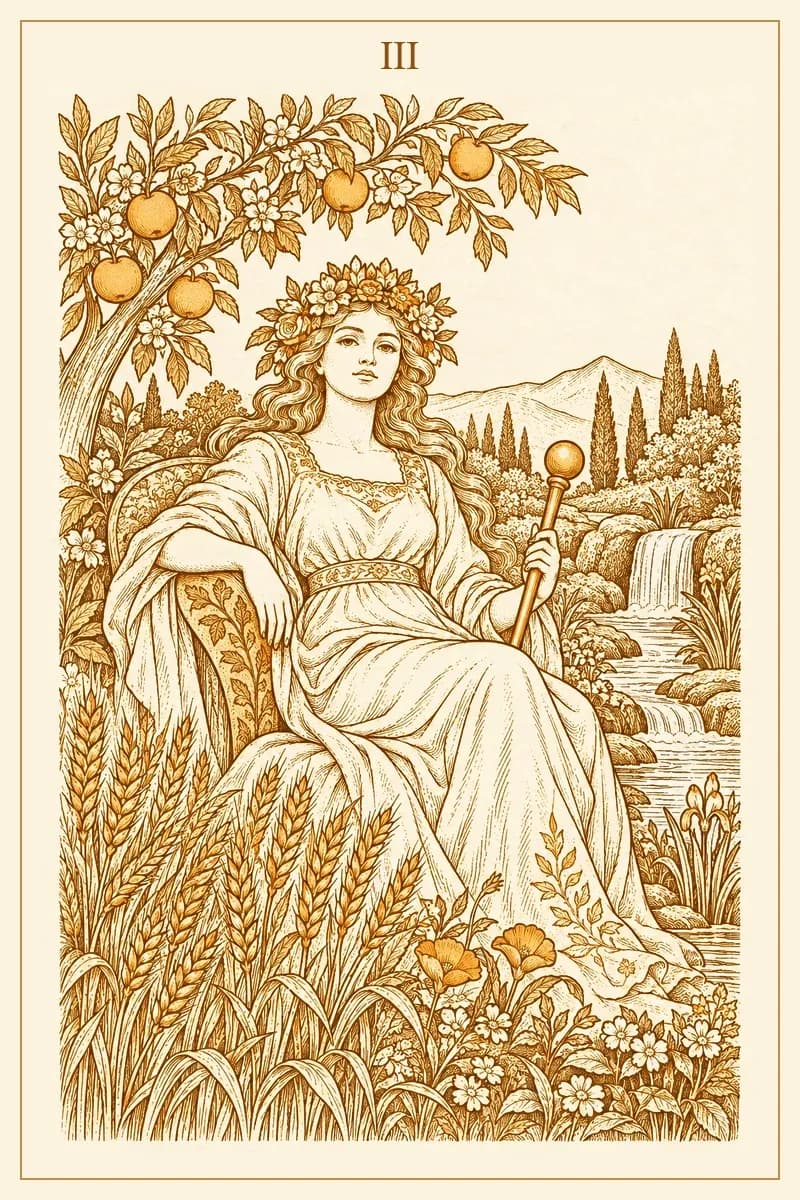
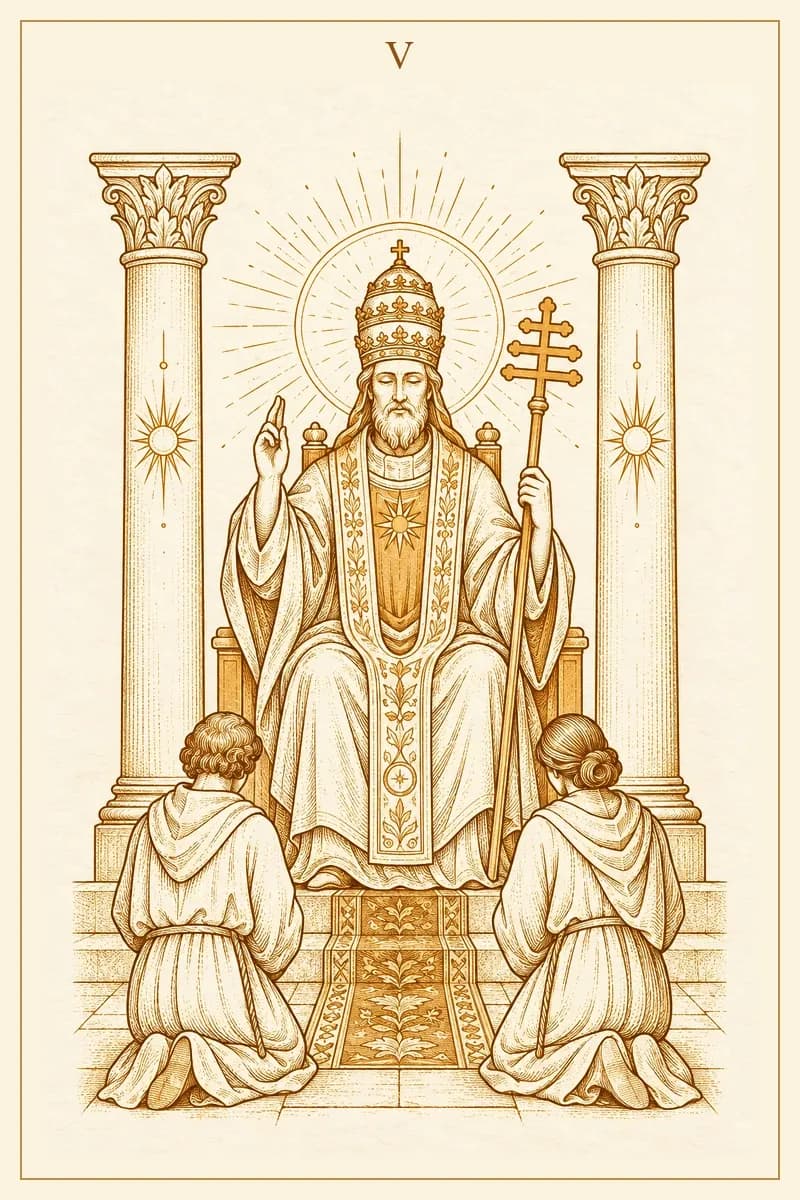
The Empress and the Hierophant create exactly this kind of friction. The Empress is the living culture — instinctive, generative, responsive to conditions rather than rules. The Hierophant is the recipe — codified, transmitted, tested across generations, and trusted precisely because it has been proven to work before. Neither is wrong. Neither is complete alone.
What makes this pairing genuinely challenging is that the Hierophant's authority derives from a lineage: what has been sanctioned, taught, and preserved. The Empress's authority derives from something anterior to all lineage: the raw generative force that precedes doctrine, institution, and language. When they meet, the question is not whose authority is greater — it is whether there is room for both kinds of knowing in the same space.
This is often a pairing that surfaces when you are weighing personal creative instinct against inherited belief — whether in relationships, spiritual life, or creative work.
In romantic contexts, the Empress and Hierophant can describe a relationship shaped by the intersection of deep personal feeling and external convention. This might be a partnership where family expectations, religious tradition, cultural norms, or socially legible milestones — engagement, marriage, children — exert a meaningful gravitational pull.
The tension is real. The Empress does not fall in love according to a schedule. She does not choose whom to love based on whether the choice will be approved. But the Hierophant knows that relationships exist within communities, and that the structures of commitment — vows, ceremonies, shared practices — carry their own weight and their own form of nourishment.
Neither impulse is wrong, but they can create significant internal conflict for someone who feels genuinely called to a love that doesn't fit a conventional template. The invitation here is not to dismiss tradition as irrelevant — tradition carries wisdom — but to examine whether the tradition you are navigating was built to serve the kind of love you actually have, or whether it was built for something more generic.
For couples, this pairing sometimes signals a moment of formalization: a decision about whether to move into a more publicly recognized form of commitment. Notice if the resistance, if any exists, is coming from within the relationship or from outside it.
Professionally, the Empress and Hierophant together describe a creative or productive endeavor that must negotiate with established systems. This could mean working within an institution that has strong traditions, seeking credentials or official recognition for your work, navigating a field with rigid gatekeeping, or trying to introduce something genuinely original into a context that values precedent above novelty.
The Hierophant domain rewards those who have done the work: studied, trained, demonstrated competence according to established metrics. The Empress domain rewards those who bring something genuinely alive. The challenge is that these two reward systems frequently don't recognize each other.
If you are building something creative, consider whether obtaining some form of institutional legitimacy — even one you find slightly bureaucratic — might actually open doors for the work itself. Credentials are not antithetical to creativity. They are sometimes simply the toll road.
If you are working within an institution, notice where the official procedure is suppressing something genuinely effective. Sometimes the most important professional act is finding the person with enough authority to sanction the deviation.
The shadow of the Empress here is a refusal to engage with any structure at all — the romanticism of pure instinct that never becomes anything teachable, transmittable, or lasting. Creativity that will not submit to any form of discipline eventually stops producing anything others can access or learn from.
The shadow of the Hierophant is the institution that has forgotten what it was built to protect. Rules maintained for their own sake, not because they serve the living community they were originally designed to nourish. Tradition as self-perpetuation rather than transmission of genuine wisdom.
Together, their shadows produce the experience of a creative person who feels continuously disciplined by systems that do not understand what they are doing — and the experience of a tradition so afraid of the living world that it can no longer nourish anyone. Watch for either extreme in your current situation.
Keep or share this combination reference
Continue through published pairings that share The Empress or The Hierophant.
creative momentum
authority meets doctrine
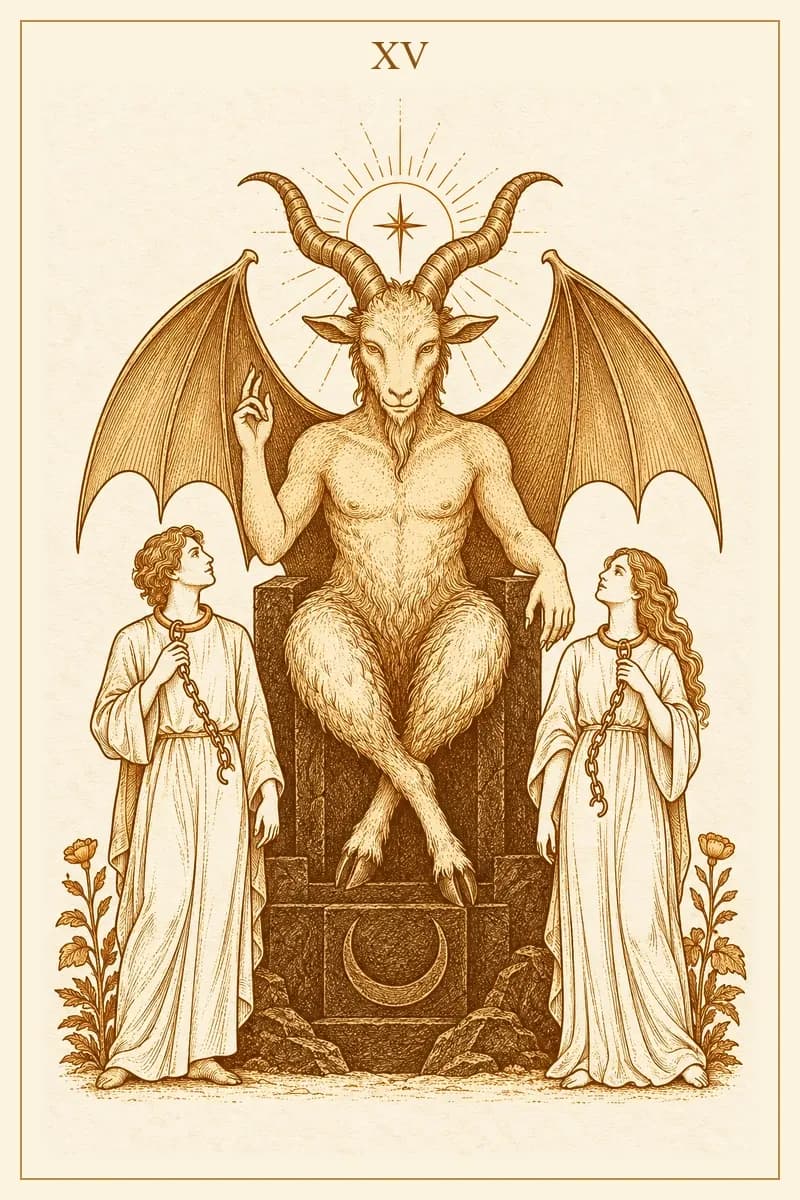
Bound abundance
nature and structure united
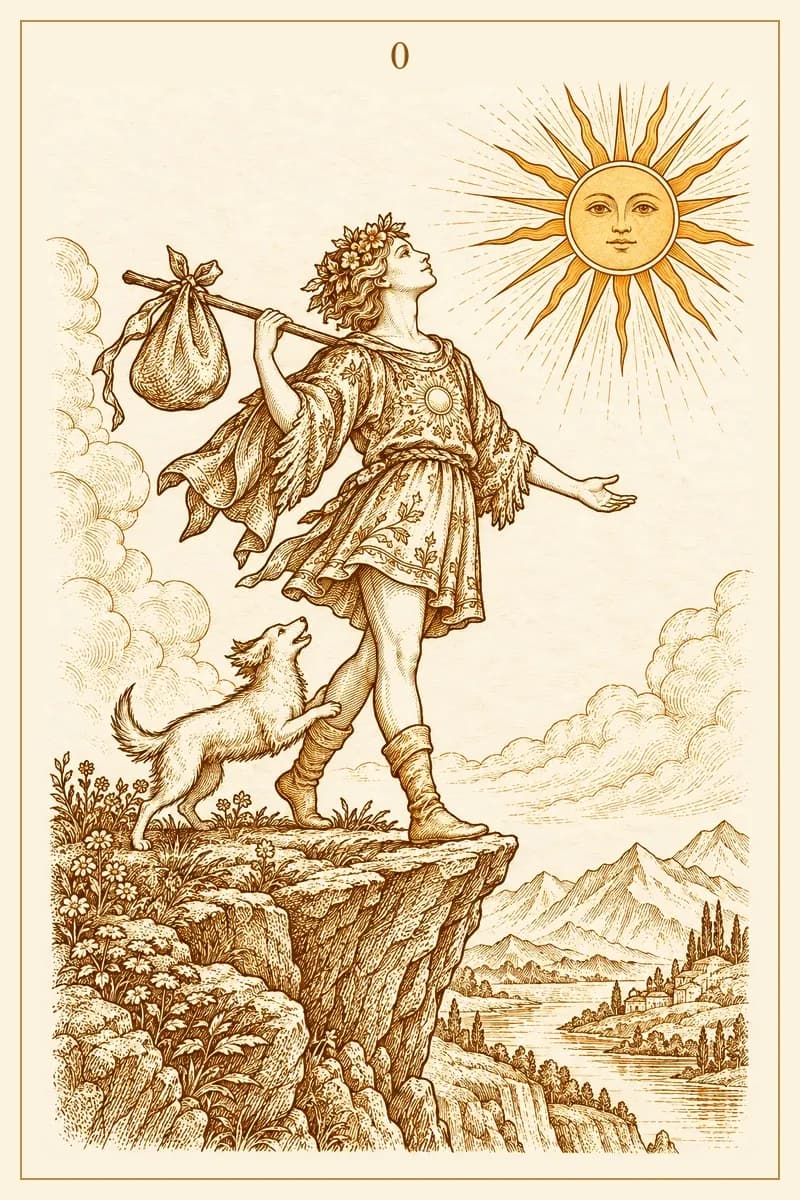
Sacred Rebellion
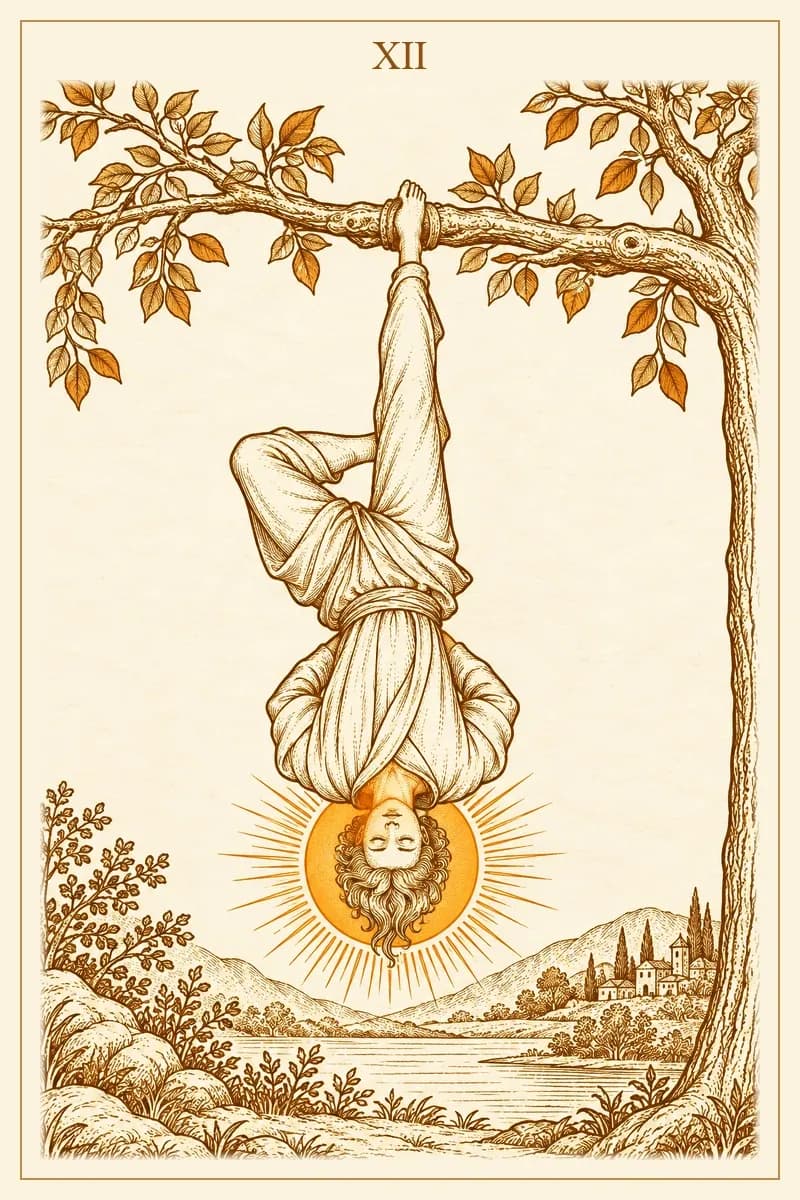
fertile suspension
✦ Bring it to the cards ✦
Use this pairing as a starting point, then let a spread listen to the situation that is actually yours.
Begin a contextual reading