Loading your view
The page is gathering the latest information.
The page is gathering the latest information.
authority meets doctrine
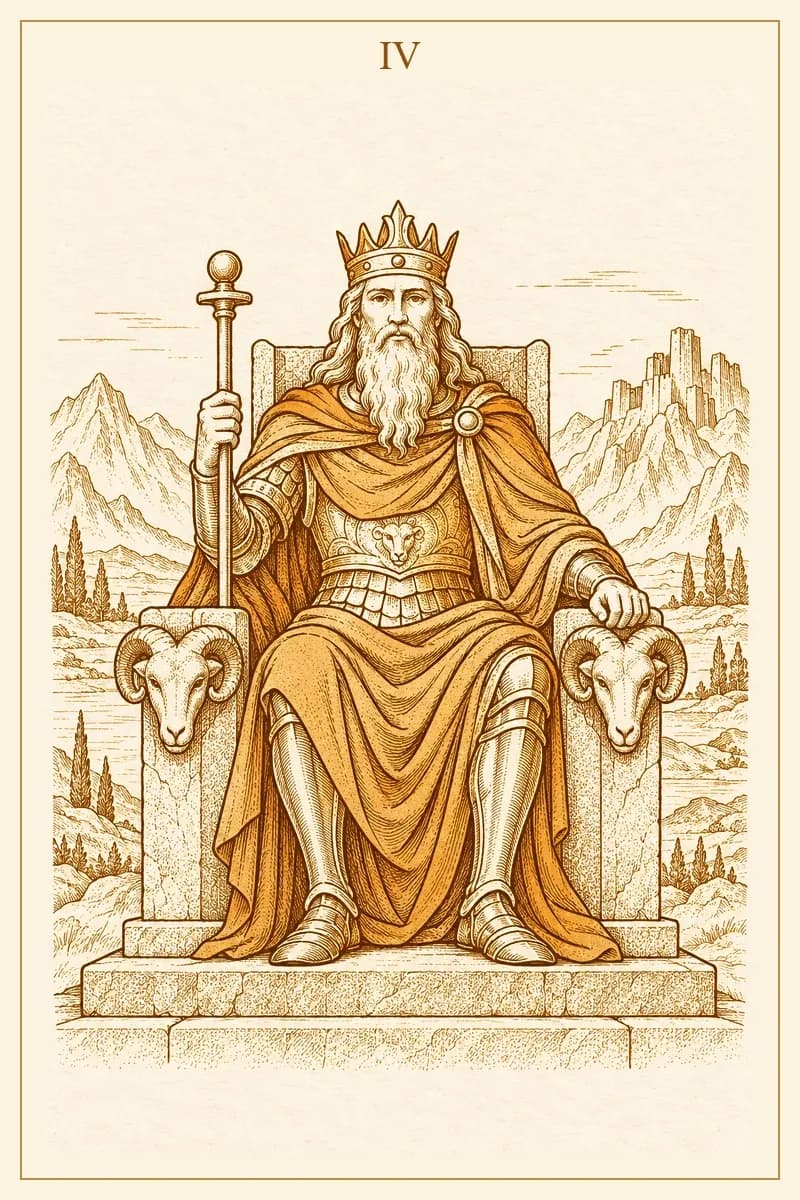
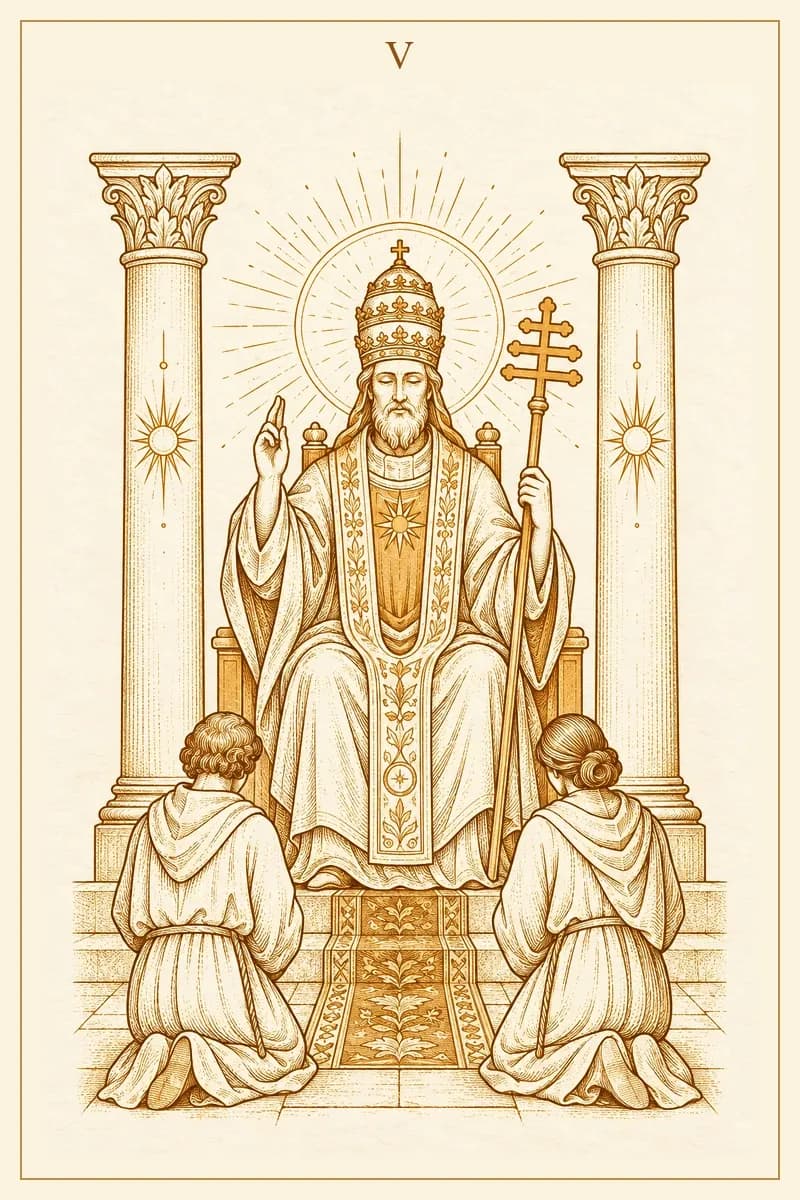
Picture two columns holding up the same roof. One is carved from stone — solid, load-bearing, shaped by human hands to withstand force. The other is inlaid with mosaic and scripture — older than any single architect, shaped by generations of belief. Pull either column away and the structure falls. The Emperor and The Hierophant appearing together in a reading carry that same weight: two distinct systems of order, both essential, both stubborn, both convinced they are the foundation.
The Emperor governs through reason and earthly authority. He writes laws, enforces discipline, and secures borders. His power is legible — you can point to it, measure it, challenge it in court. The Hierophant governs through meaning. He does not draft legislation; he interprets doctrine, performs ceremony, and transmits the accumulated wisdom of an institution across centuries. His power is felt more than seen — it lives inside the rituals people perform without questioning why.
Together, these two cards describe a world held in place by two interlocking systems: what is legally sanctioned and what is spiritually permitted. In many historical societies, these were the same thing. In modern life, they often diverge — and that gap is exactly where this pairing tends to show up in a reading.
The central question is not which authority is correct. It is whether you are navigating both, obeying one at the expense of the other, or quietly suffocating under the combined weight of both at once.
In a relationship reading, The Emperor and The Hierophant together often describe a partnership that functions within a defined structure — a traditional marriage, a long-term commitment built around shared institutions (family, religion, cultural expectation), or a dynamic where roles are clearly assigned and rarely renegotiated.
This is not inherently a problem. Some people build their most secure and loving relationships inside exactly that kind of framework. But the pairing asks you to check whether the structure serves the relationship or whether the relationship is being flattened to serve the structure. Are you staying together because the architecture holds meaning for you — or because both of you are afraid to touch the load-bearing walls?
For singles, this combination sometimes appears when someone is dating inside a very specific set of inherited criteria — family approval, religious compatibility, socioeconomic expectation. The Emperor provides the logic for the checklist; the Hierophant provides its moral weight. Together they can make it genuinely difficult to admit when someone who doesn't fit those criteria feels right anyway.
In professional contexts, this pairing almost always signals a highly institutionalized environment: a corporation with its own internal culture and unwritten rules, a government body, a religious organization, a hospital or law firm with strict hierarchy. Both cards reward those who understand how the system actually works — not just the org chart, but the informal ceremonies, the unspoken protocols, the figures whose approval matters even if their title does not reflect it.
If you are building something inside such an environment, this is a reminder that you need both kinds of legitimacy. Bureaucratic sign-off alone will not move people; you also need the blessing of whoever holds the institution's cultural authority. Conversely, having people's respect without the formal mandate leaves your project structurally exposed.
The shadow of this pairing is rigidity so deep it becomes invisible. When the Emperor and Hierophant align perfectly — when secular and sacred law agree — the system can become totalizing. Dissent gets coded as both illegal and immoral simultaneously. The person who asks why a rule exists is treated as both a criminal and a heretic.
On a personal scale, this manifests as a voice that says *you cannot do this* from two directions at once: the rational, pragmatic voice and the inherited, tradition-bound voice. Together they are louder than either alone. The result is often paralysis dressed up as responsibility.
Watch for the moment you stop asking whether a rule is right and simply enforce it because it is the rule.
Keep or share this combination reference
Continue through published pairings that share The Emperor or The Hierophant.
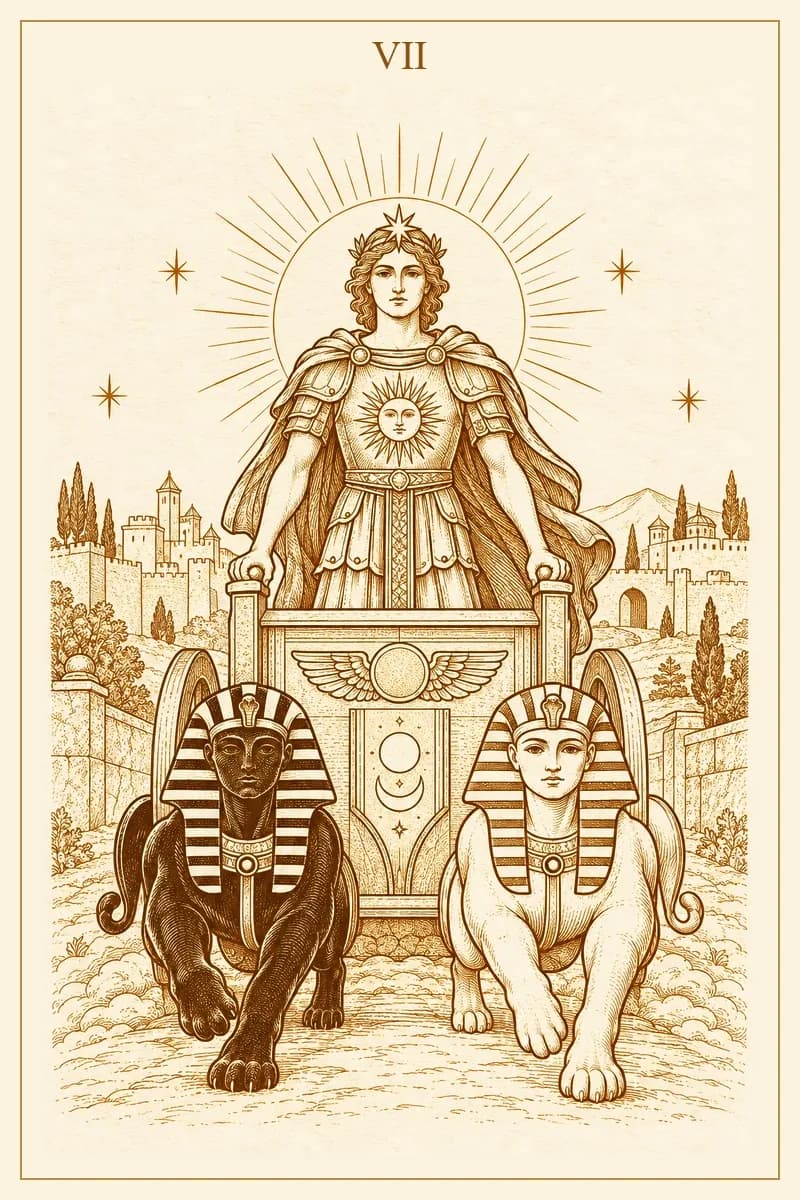
structured forward momentum
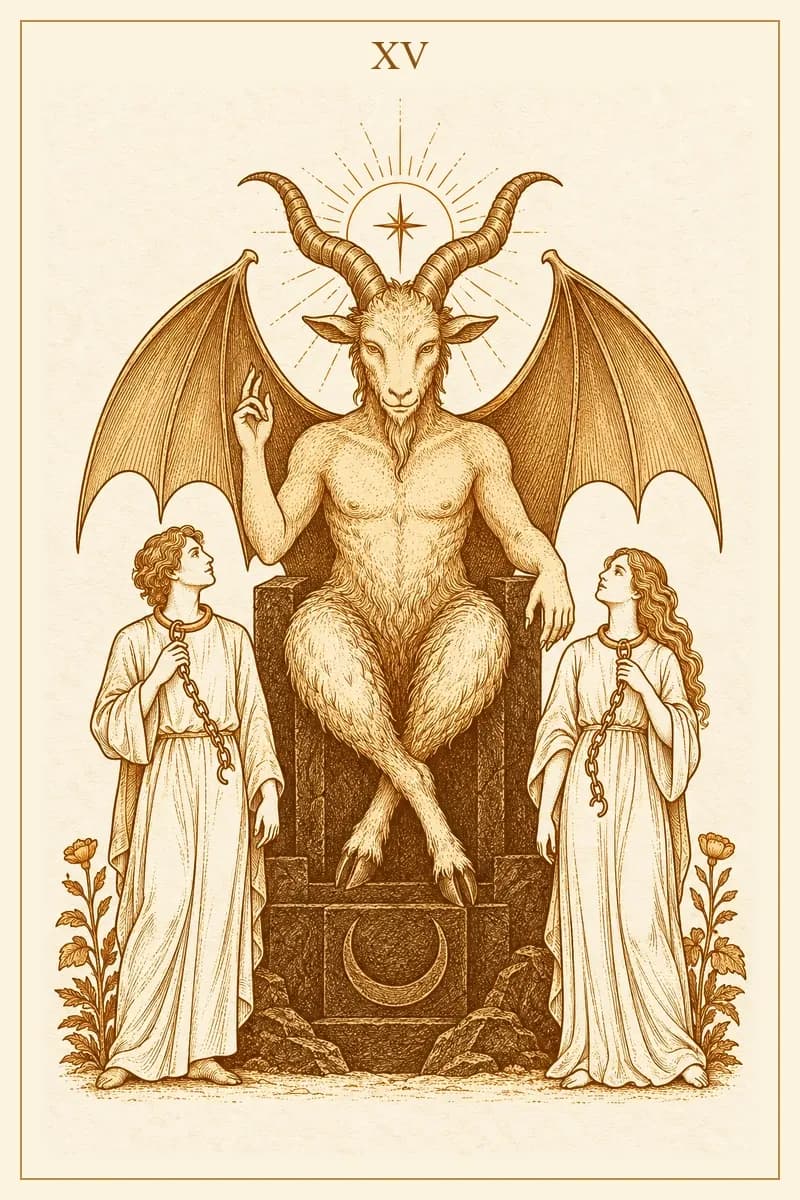
authority versus control
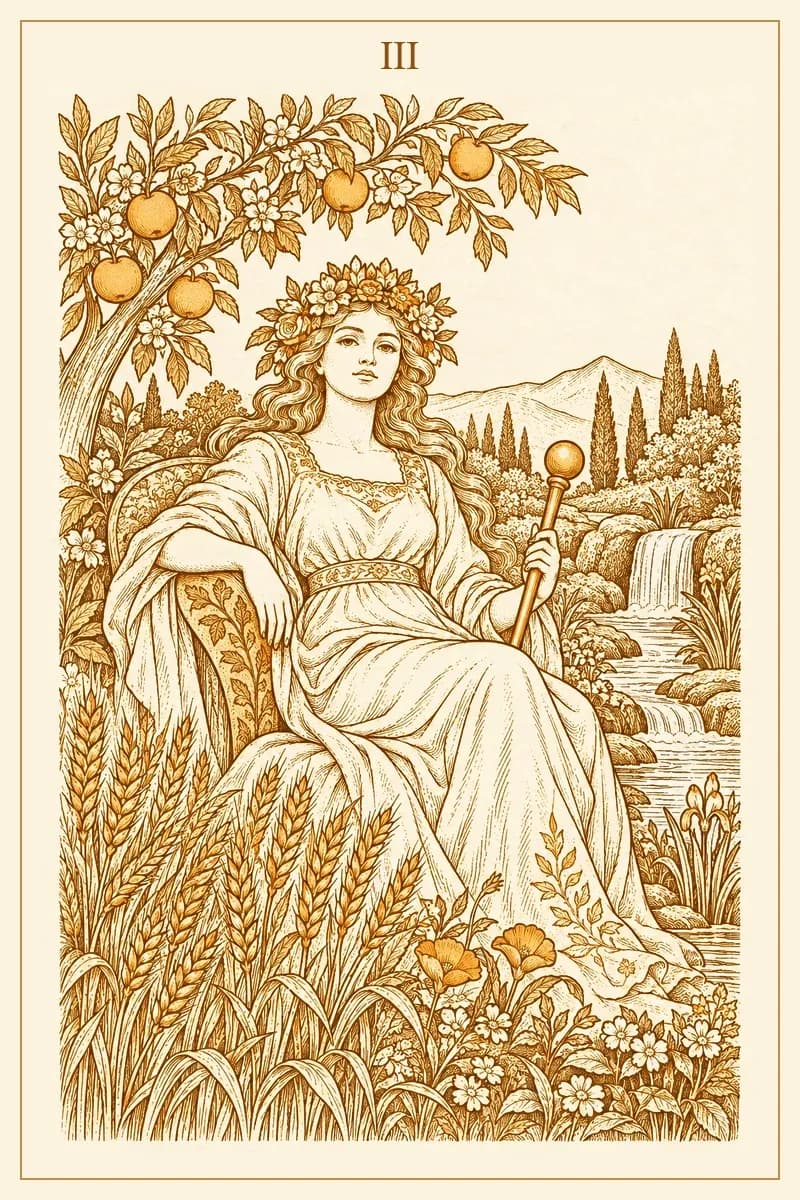
abundance versus doctrine
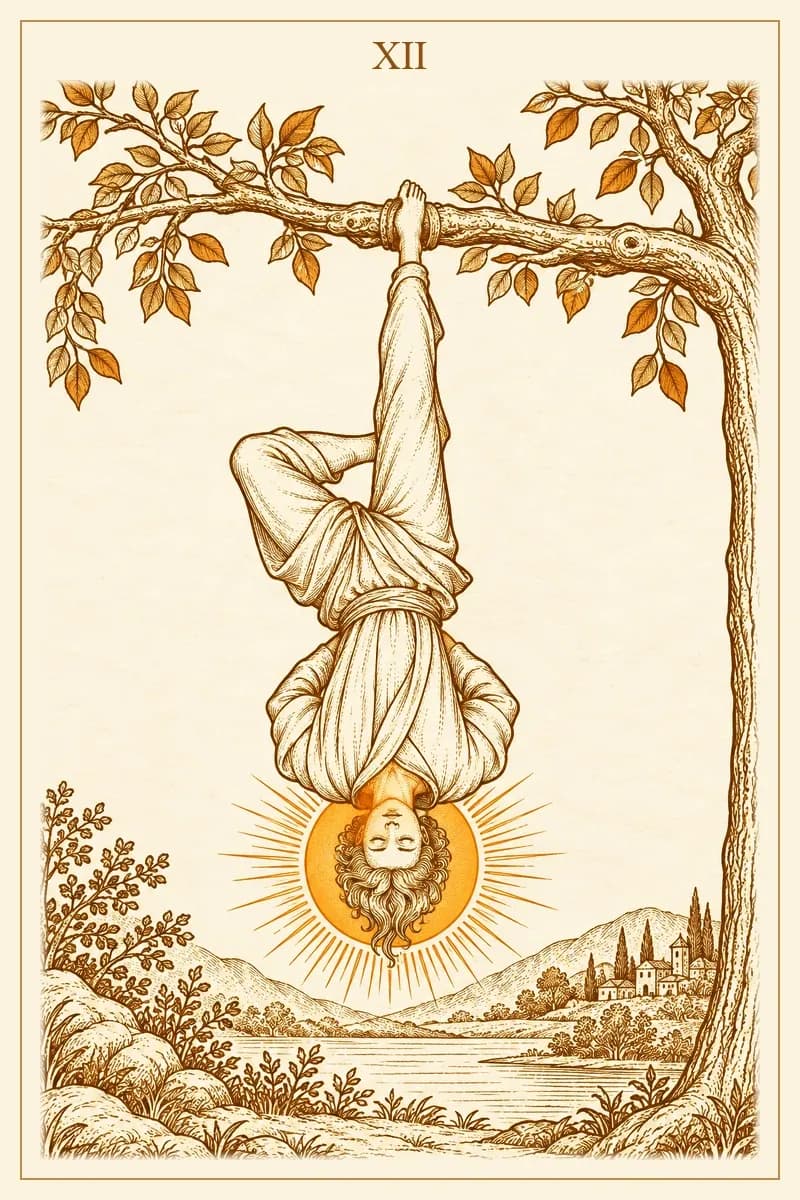
control vs release
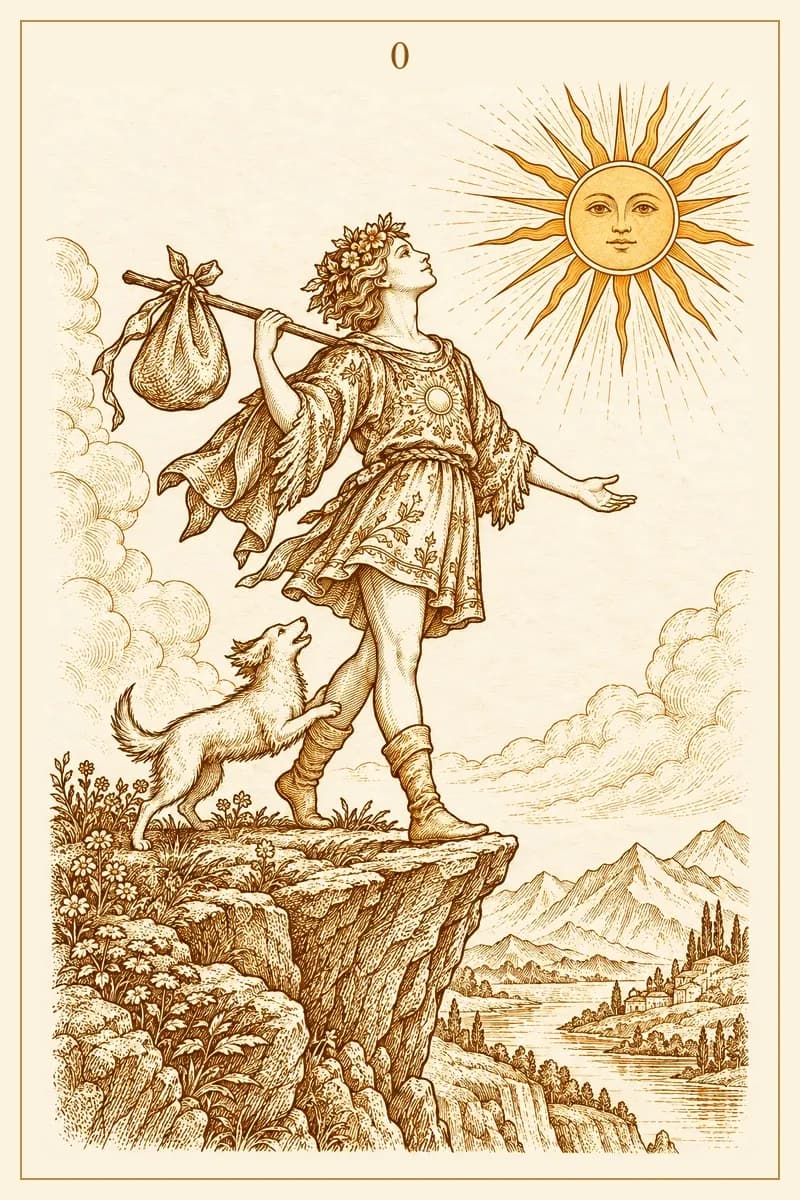
Sacred Rebellion
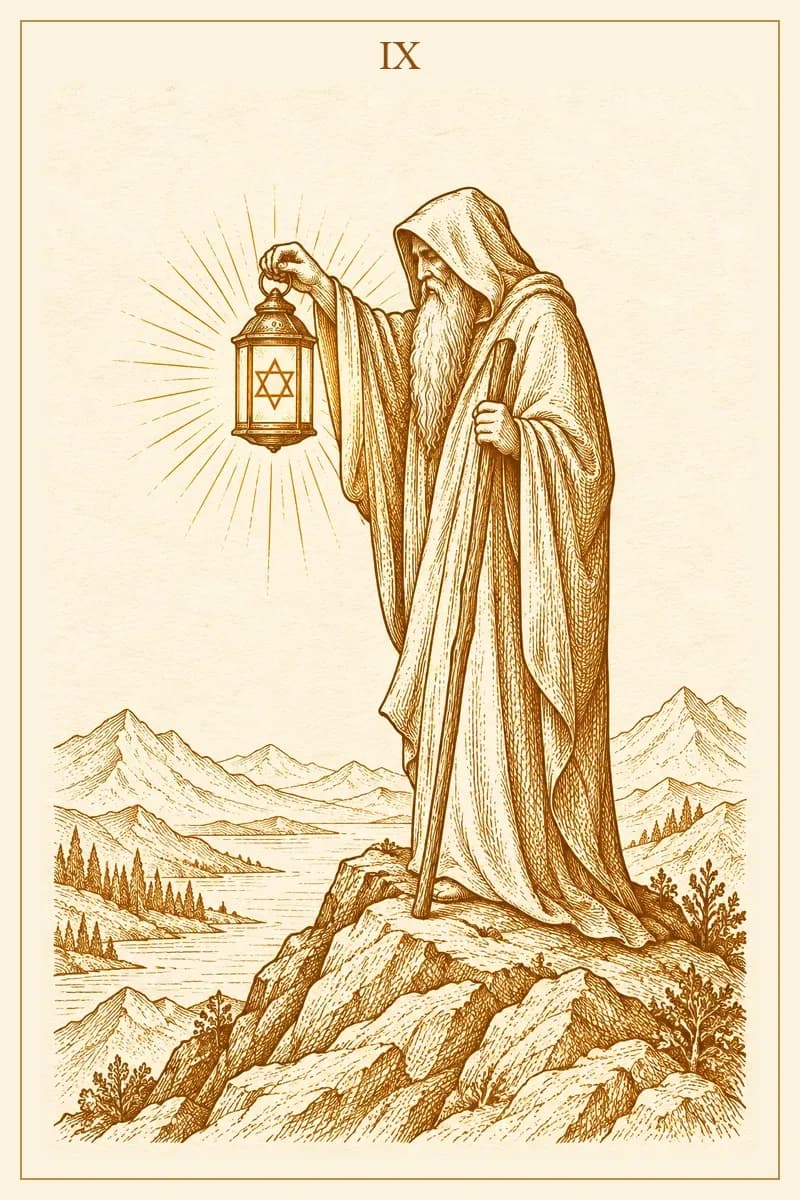
outer vs inner authority
✦ Bring it to the cards ✦
Use this pairing as a starting point, then let a spread listen to the situation that is actually yours.
Begin a contextual reading