
Card Combination
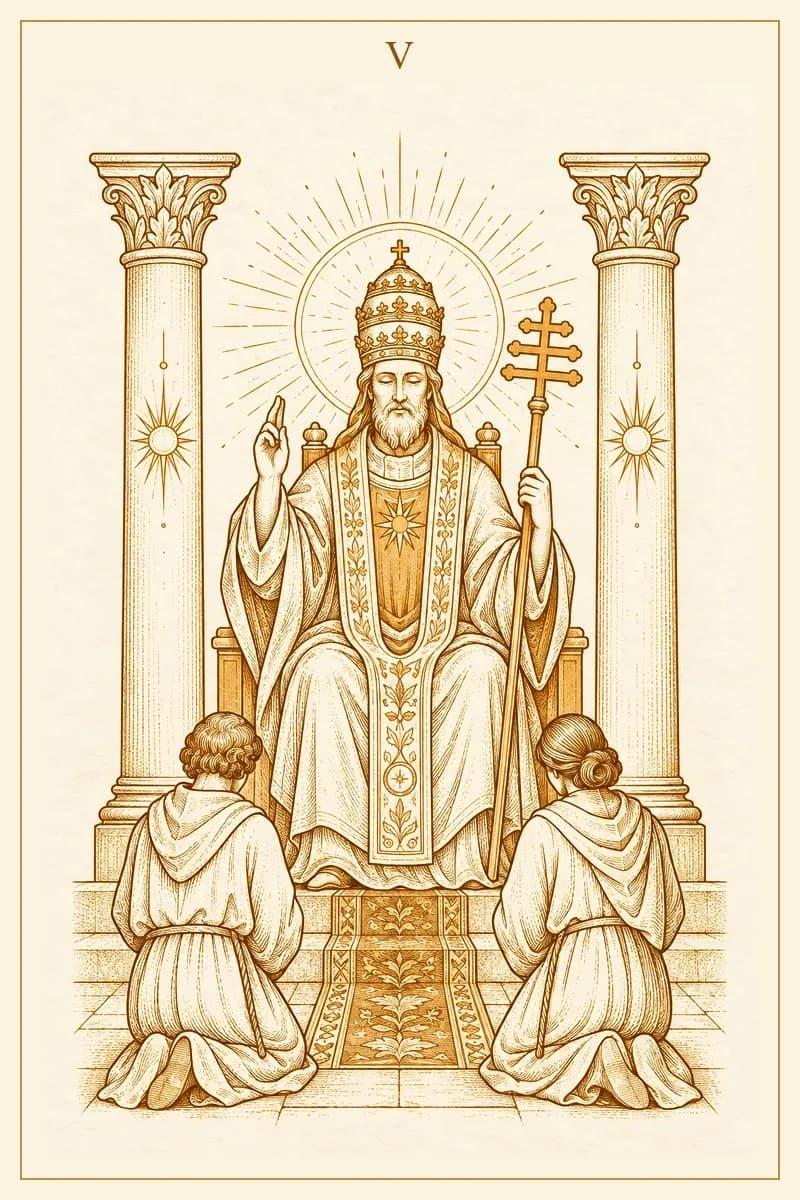
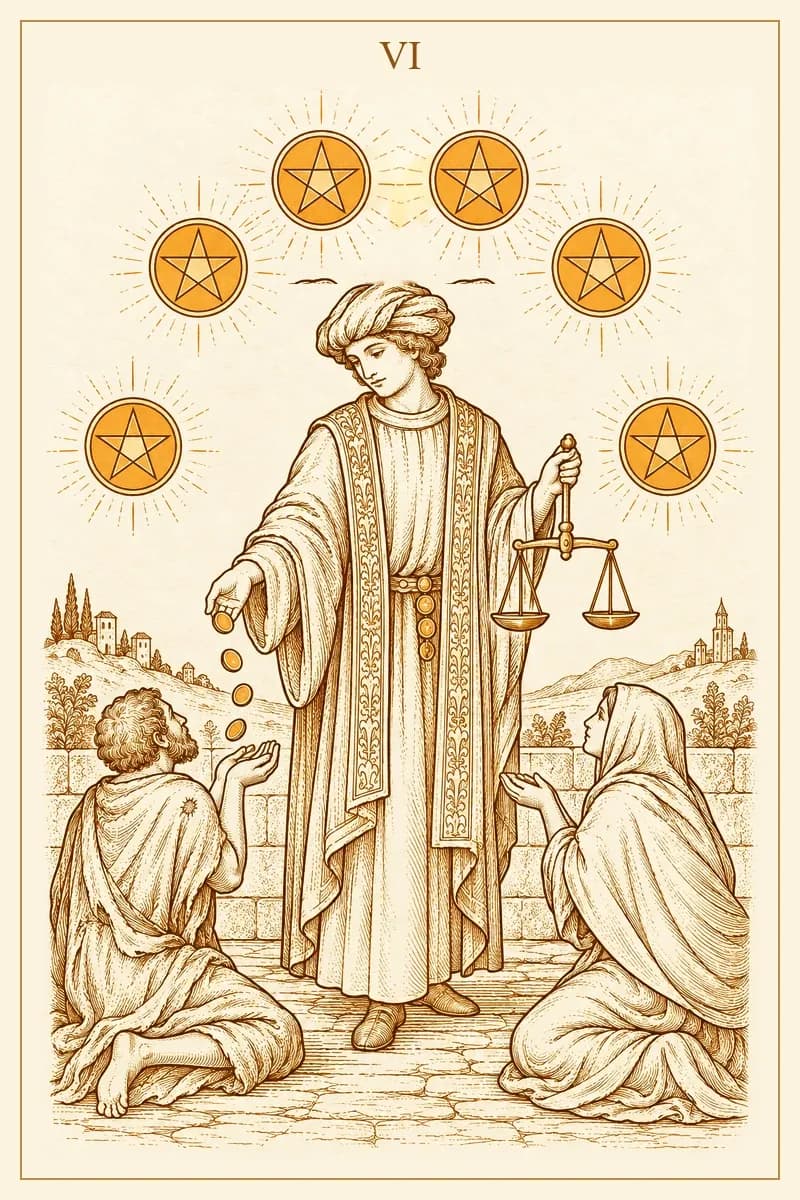
Meaning of The Hierophant and Six of Pentacles: The Ethics of Giving
structured generosity
It is the night before the season's roster is posted, and a veteran head coach sits alone in his office with a list of names and a fixed number of places. Scholarships, starting spots, travel slots: he decides who gets them. Some of the players on the list have worked harder than anyone. Some have simply learned what the program likes to see. He believes he is being fair. He has done this for twenty years, following rules inherited from the coach before him, and has never once asked the players what they think those rules should be.
Tomorrow they will read the list in the hallway, and some of them will thank him for it.
When The Hierophant and the Six of Pentacles appear together, generosity arrives inside a structure of authority. The help is real and the resources truly move, but the question of who sets the terms is never far away.
The Core Tension
Charity is never neutral. Every gift carries the weight of the giver's authority, and every act of receiving reshapes the relationship between donor and recipient. The Hierophant and Six of Pentacles arrive together like a head coach handing down resources to players who never had a seat at the table where the playbook was written. The institution decides who gets the ball. The institution decides who gets cut.
The Hierophant embodies moral authority — the keeper of doctrine, tradition, and sanctioned behavior. The Six of Pentacles depicts the literal transfer of wealth or aid, a figure in power distributing coins to those who kneel. Place these two cards side by side and you get the full architecture of structured generosity: the rules about who deserves help, who qualifies for mercy, and what price the recipient pays in dignity or loyalty for accepting it.
This combination is not inherently dark, but it is honest. It asks you to look at the power embedded in every generous act — whether you are the one distributing or the one receiving.
Love & Relationships
In a relationship, this pairing often signals an imbalance that has been formalized. One partner has taken on the role of provider, protector, or guide — and somewhere along the way, that role calcified into a hierarchy. The Hierophant's influence means the arrangement carries a moral stamp: the provider believes they are doing the right thing. The Six of Pentacles means the resources are real and the dependency is real.
If you are the giver in this dynamic, examine whether your generosity comes with conditions — spoken or unspoken. Do you expect gratitude to look a specific way? Do you interpret the other person's autonomy as ingratitude?
If you are the receiver, consider what you have quietly agreed to by accepting ongoing support. Not all dependency is unhealthy, but this combination urges you to be conscious of the contract you are living inside.
At its best, this pairing describes a relationship where one person mentors, sponsors, or steadies the other through a difficult period — with full transparency about roles and genuine care behind the giving.
Career & Purpose
In professional contexts, The Hierophant and Six of Pentacles together often appear around institutional charity, nonprofit structures, salary decisions, or patronage dynamics. Think of a granting organization that funds artists only when those artists work within approved thematic boundaries. Think of an employer who is "generous with perks" but enforces rigid compliance around how and when employees can use them.
Like a team owner who funds the locker room but also writes the code of conduct, this combination describes an entity with both the resources and the rules. If you are job-seeking or requesting funding, this is a reminder to read the fine print — the institution's moral framework comes attached to its financial support.
For those in leadership, this pairing is a prompt to audit your giving structures. Are your policies around bonuses, raises, or charitable giving actually as equitable as you believe them to be? Does the person who benefits most look suspiciously similar to the person who designed the system?
Shadow Side
The shadow side of this combination is paternalism. When the Hierophant's authority merges with the Six of Pentacles' resource distribution, the result can be a charity that controls, a generosity that humiliates, or a tradition of giving that perpetuates the very hierarchies it claims to address. Tithing systems, corporate social responsibility programs, and family inheritance structures can all carry this shadow — gifts that demand compliance, benevolence that requires gratitude on the giver's terms.
Watch for giving that is transactional beneath a surface of virtue, or receiving situations where the cost to your independence is higher than the value of what is being offered.
Action Steps
- 1Audit one relationship or arrangement in which resources move between you and another person. Is the power distribution transparent to both parties, or are the rules implied and invisible?
- 2If you are in a position of institutional authority over any kind of giving — budget approvals, donations, family support — ask one direct question: does the recipient have any real say in how the help is structured?
- 3Identify one place where you may be staying in a dependent position not because you need the support, but because the system has made independence feel risky or disloyal.
- 4The Hierophant and Six of Pentacles together describe the moral architecture behind generosity — who sets the rules of giving, who qualifies to receive, and what the exchange actually costs. This pairing does not condemn charity; it demands honesty about the power embedded inside it. Whether you are the coach distributing playing time or the player waiting for your shot, clarity about the real terms of the game is the only way to act with integrity.
Related Pairings
Continue through published pairings that share The Hierophant or Six of Pentacles.

authority meets doctrine
Meaning of The Emperor and The Hierophant: Two Pillars of Order

Power and Giving
Meaning of The Chariot and Six of Pentacles: Power Meets Generosity
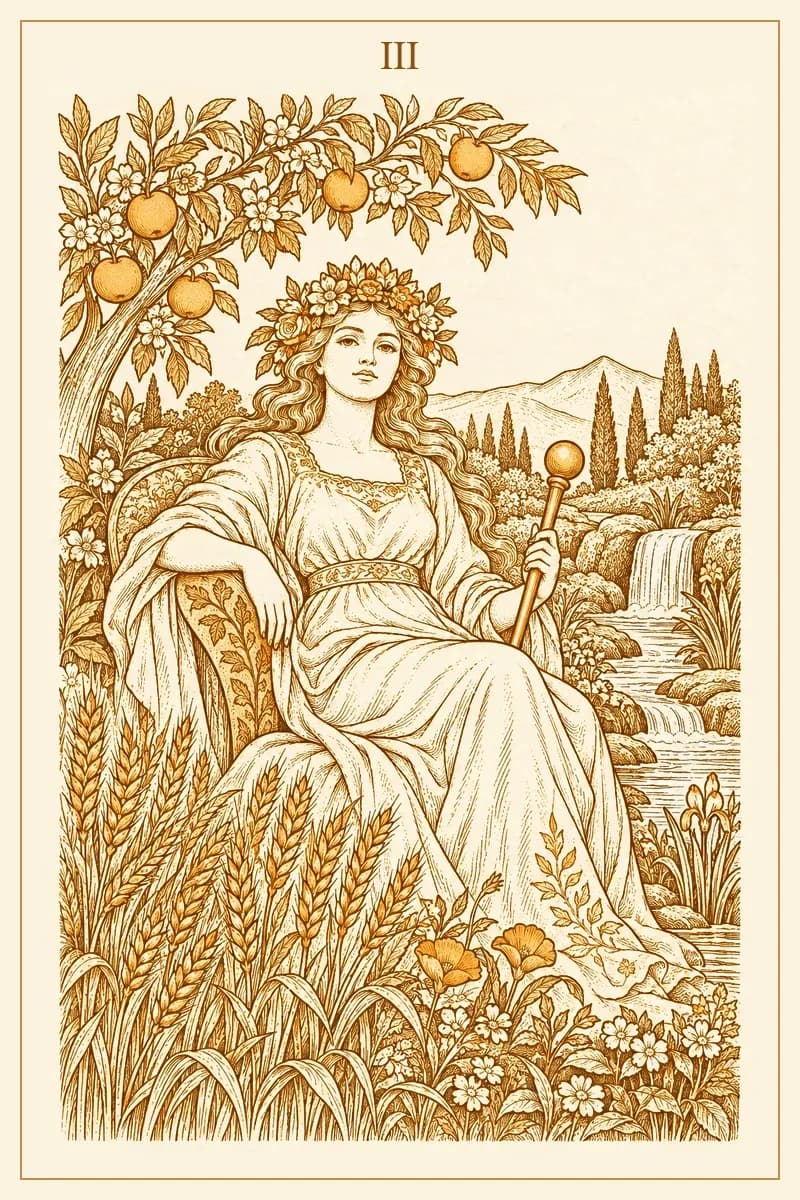
abundance versus doctrine
Meaning of The Empress and The Hierophant: Nature Meets Doctrine

power through generosity
Meaning of The Devil and Six of Pentacles Combination: Generosity Under Control
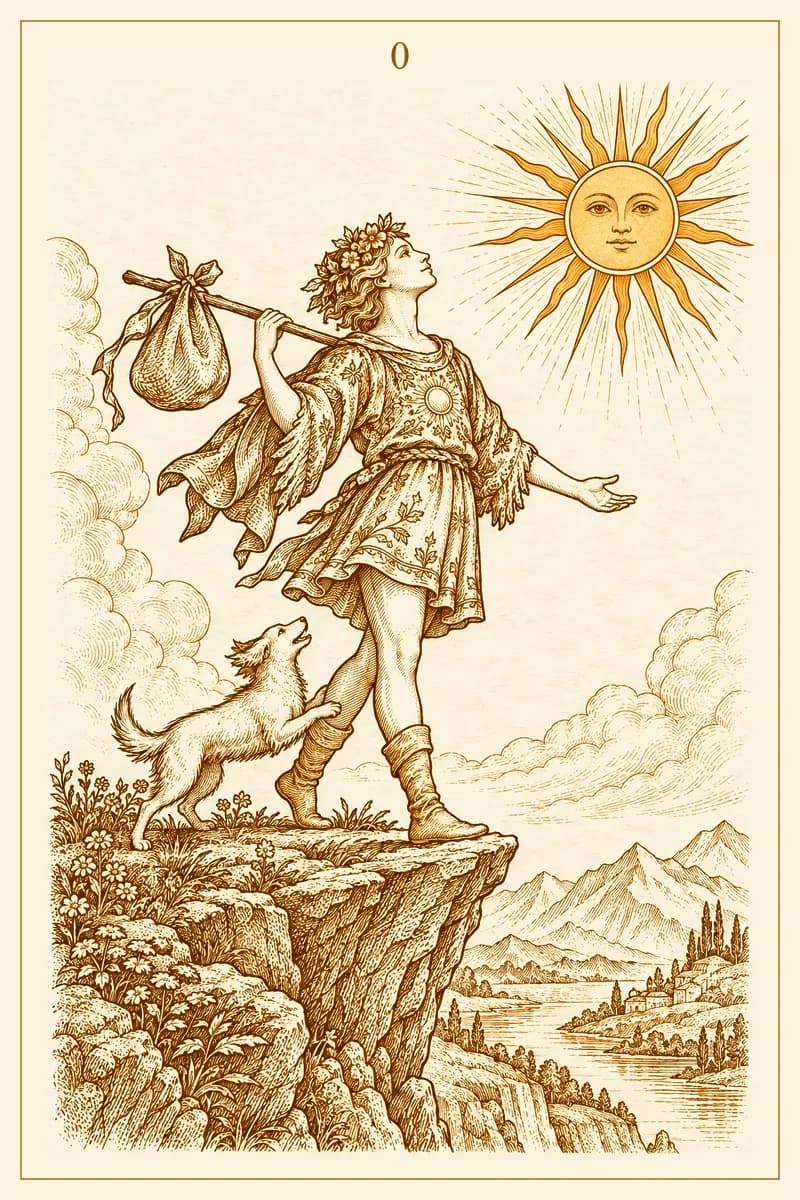
Sacred Rebellion
Meaning of The Fool and The Hierophant Combination: Tradition Meets Freedom
power and benevolence
Meaning of The Emperor and Six of Pentacles: Power That Gives and Takes
✦ Bring it to the cards ✦
Bring The Hierophant and Six of Pentacles into your own reading
Use this pairing as a starting point, then let a spread listen to the situation that is actually yours.
Begin a contextual reading