
Card Combination
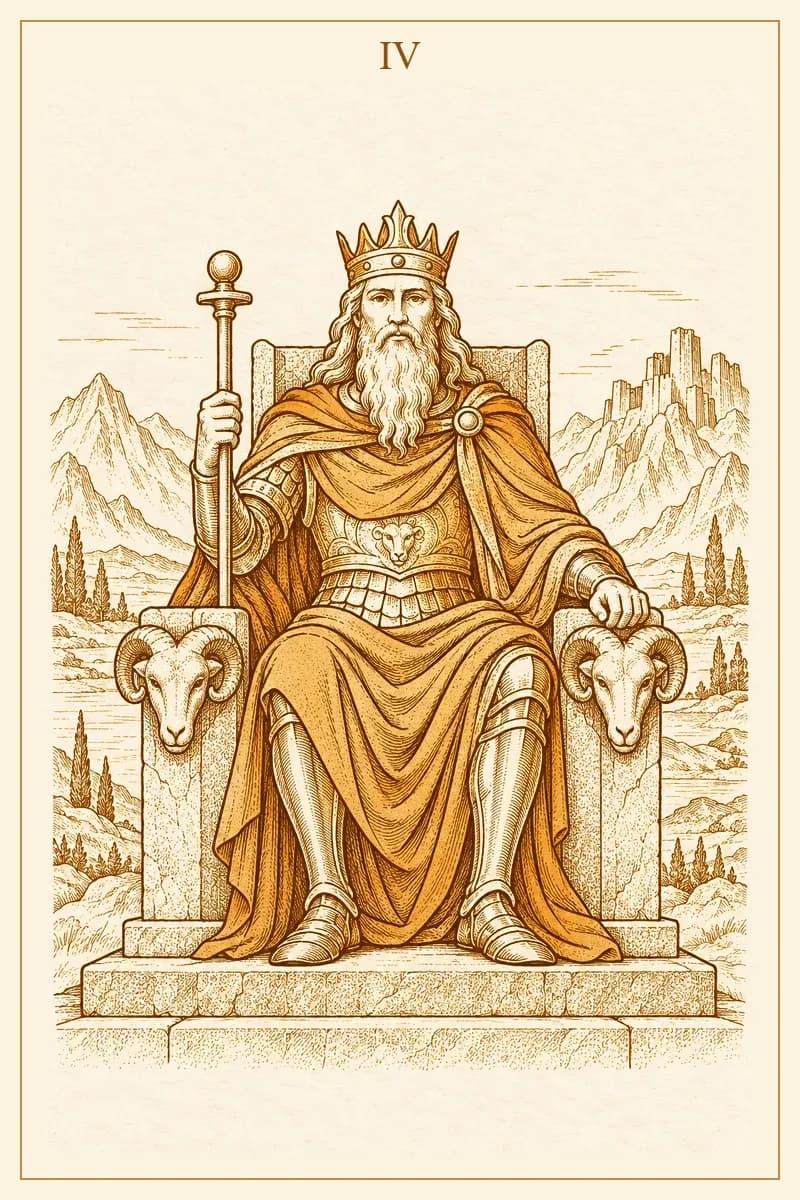
Meaning of The Emperor and Six of Pentacles: Power That Gives and Takes
power and benevolence
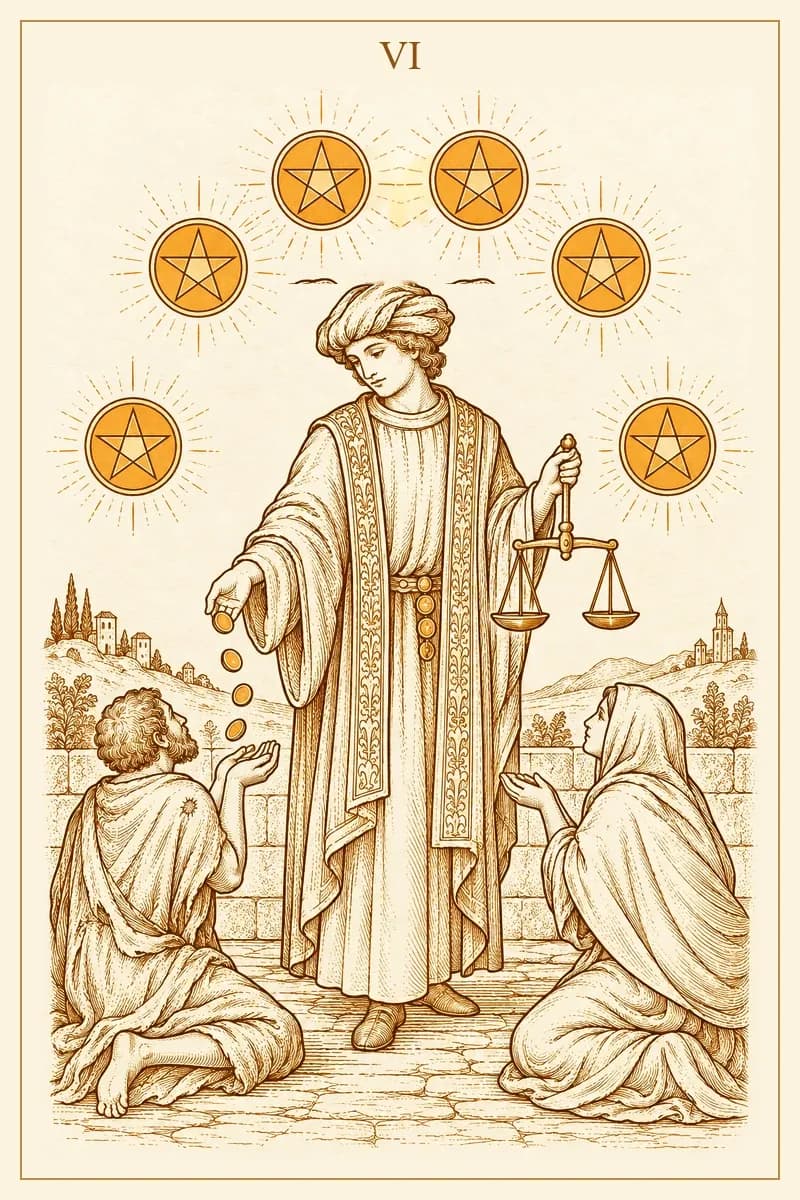
The most dangerous kind of generosity is the kind that keeps score. On the surface, the Emperor giving and the Six of Pentacles distributing wealth seem like a natural alliance — authority providing, hierarchy rewarding, the powerful dispensing to those below. But look at the Six of Pentacles more carefully: one figure holds the scales, two figures kneel. The scales are tilted. The one giving decides how much, to whom, and when. This is not simply abundance. This is controlled abundance, and there is a meaningful difference.
The Emperor does not do anything without a reason. His structures are deliberate; his distributions are calculated. When the Six of Pentacles appears alongside him, the question is not whether generosity is happening — it clearly is. The question is what conditions are attached to it, who benefits and on what terms, and whether the act of giving is also an act of holding power over those who receive. In strategy, this is known as buying loyalty rather than earning it, and while it works in the short term, it builds a particular kind of alliance: one that lasts only as long as the resources flow.
The paradox at the heart of this pairing is that the Emperor, at his best, genuinely wants to provide for his domain. He takes his stewardship seriously. The Six of Pentacles, at its best, represents real generosity and appropriate distribution of resources. Put them together and you have either a wise ruler who ensures his kingdom is well-provisioned — or a patron whose charity comes with a leash. The reading context and surrounding cards will clarify which. But if you are seeing this pair, the question of power within generosity deserves close attention.
The Core Tension
In military strategy, the most effective commanders understand logistics: an army that is fed, supplied, and fairly compensated fights harder than one driven by fear alone. The Emperor knows this. The Six of Pentacles is the supply chain made visible — resources moving from those who hold them to those who need them. At its best, this combination describes a commander who ensures his forces are genuinely cared for, not because it is sentimental but because it is strategically sound.
The tension arises when the scales stop being a measurement tool and become a weapon. The giver in the Six of Pentacles controls the weighing. The Emperor controls the framework that determines who receives. When these two forces align, the combination can describe a system where generosity is deployed strategically — given to reinforce loyalty, withheld as punishment, calibrated to keep recipients dependent rather than empowered. The tension is between provision as care and provision as control.
Love & Relationships
In romantic relationships, this pairing often describes a dynamic where one person holds significantly more financial or social power and expresses love partly through providing materially — paying for things, offering security, making gifts. On the surface this looks generous. The underlying question is whether the giving comes with expectations attached, whether it creates obligation, and whether the recipient feels genuinely cared for or subtly controlled.
The Emperor-as-provider can be deeply loving — stable, reliable, someone who shows up in practical ways when it matters. But paired with the Six of Pentacles, there is a risk that the relationship has become transactional in ways neither partner has named openly. If the less financially powerful partner feels they cannot make decisions freely without risking the flow of support, the relationship has drifted from partnership into something more like patronage.
Career & Purpose
Professionally, this combination is one of the most common patterns in organizational life: the leader or institution who distributes resources, opportunities, raises, and recognition — and who, consciously or not, uses that distribution to shape behavior and enforce loyalty. This is not inherently corrupt. Organizations must allocate resources, and the Emperor's instinct toward structure and fairness can make him a genuinely equitable distributor.
The shadow version is the manager who controls by giving — who plays favorites, who uses budget decisions as a way of signaling approval or disapproval, who expects personal loyalty in return for professional support. If you are on the receiving end of this combination, assess whether the generosity at your workplace comes with conditions that compromise your professional independence.
Shadow Side
The shadow of the Six of Pentacles is dependency — the receiver who needs the giver and therefore cannot challenge them. The shadow of the Emperor is the belief that authority justifies control. Together, their combined shadow is a system designed to look like generosity while functioning as a mechanism of dependency. The giver feels virtuous; the receiver feels unable to leave. Both are trapped in a hierarchy neither has examined.
There is also a shadow of hoarding disguised as fairness. The Emperor controls the scales in the Six of Pentacles. He decides what counts as a fair share, what others deserve. His judgment, however sincere, is not neutral. It is shaped by his position, his biases, his investment in the existing order. The shadow asks: who decided what an equal portion looks like, and did the recipients have any say in that decision?
Action Steps
- 1If you are the one giving — financially, emotionally, or professionally — take one honest look at what you are giving without conditions and what you are giving with strings attached, even informal ones.
- 2If you are the one receiving, assess one area of your life where you have adapted your behavior to keep the support flowing, and consider whether that adaptation is costing you something essential.
- 3Identify one interaction this week where you hold more power than the other person, and make one deliberate choice to distribute that power rather than manage it.
- 4The Emperor and Six of Pentacles together describe a system at its best when it is genuinely just, and at its worst when generosity becomes leverage. The cards are not condemning authority or giving — they are asking for transparency about the terms. Real generosity does not keep a ledger. Real leadership does not need loyalty purchased with resources. If this combination is showing up in your reading, the work is clarifying which kind of giving is actually in play.
Related Pairings
Continue through published pairings that share The Emperor or Six of Pentacles.
structured forward momentum
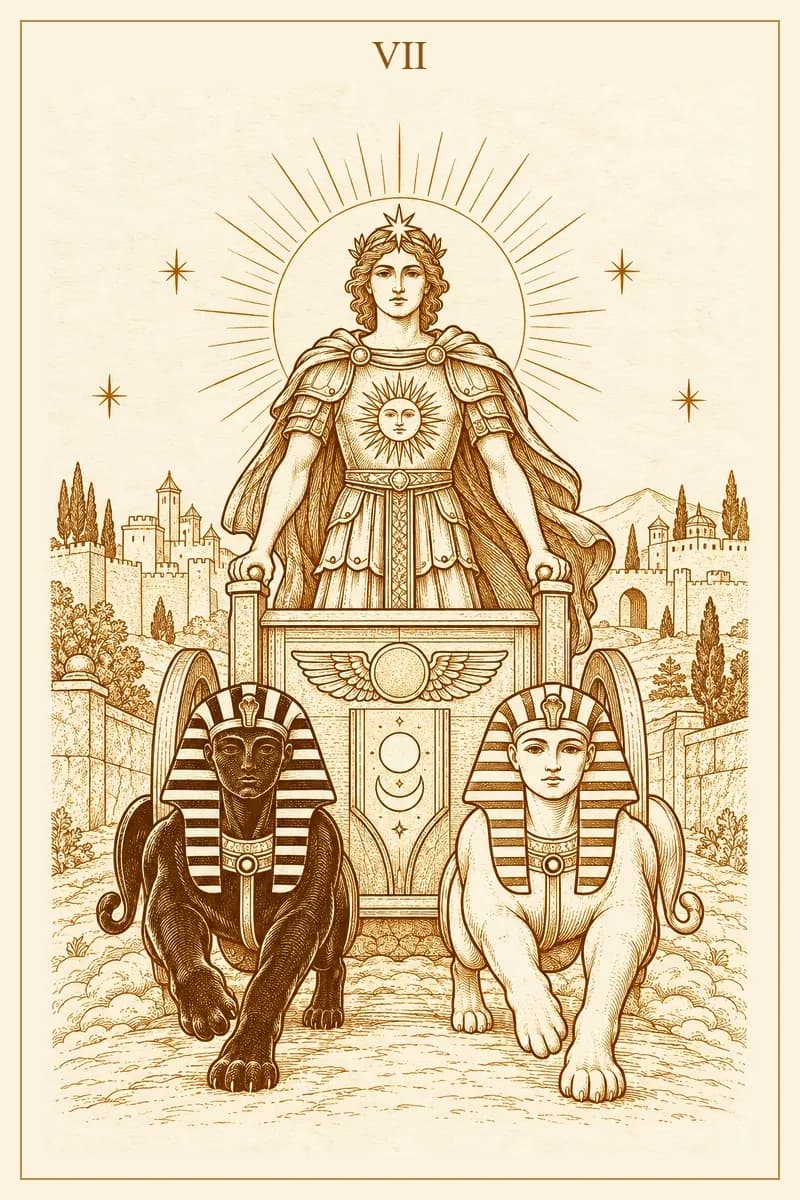
Meaning of The Emperor and The Chariot: Authority in Motion
Power and Giving
Meaning of The Chariot and Six of Pentacles: Power Meets Generosity
authority versus control
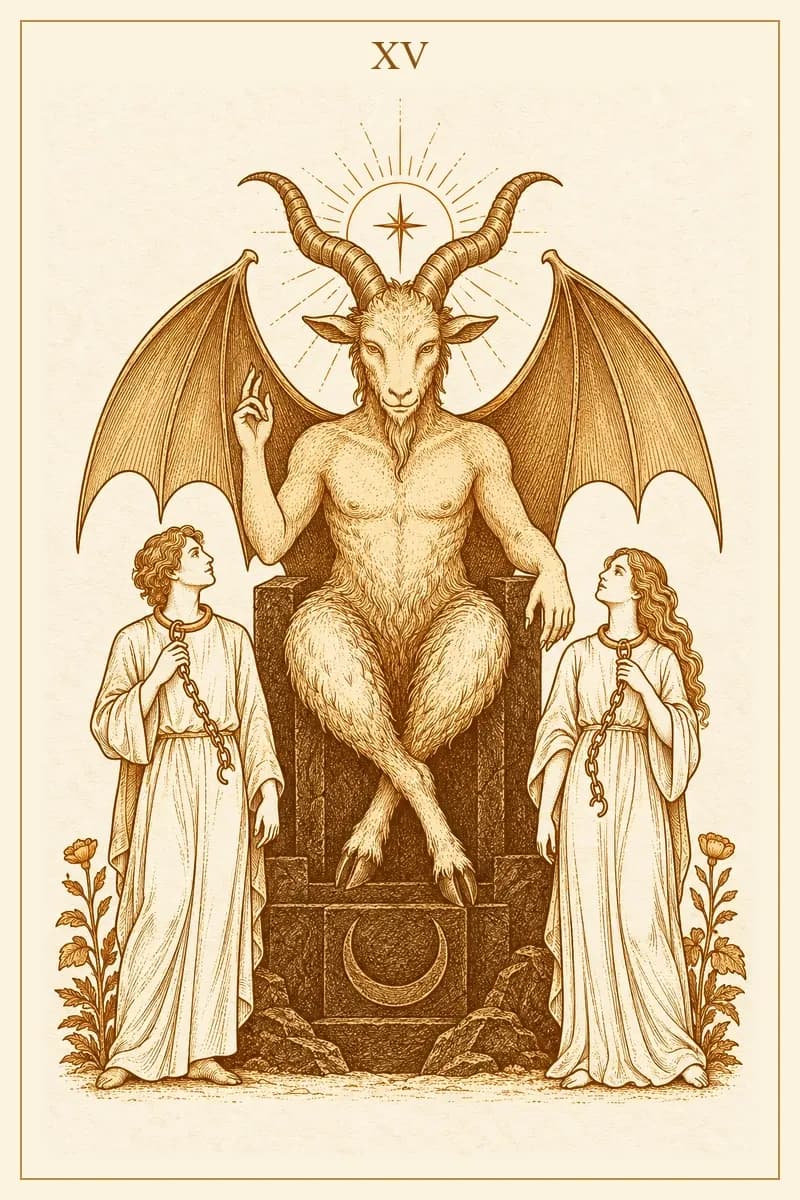
Meaning of The Emperor and The Devil: When Authority Becomes a Cage
power through generosity
Meaning of The Devil and Six of Pentacles Combination: Generosity Under Control
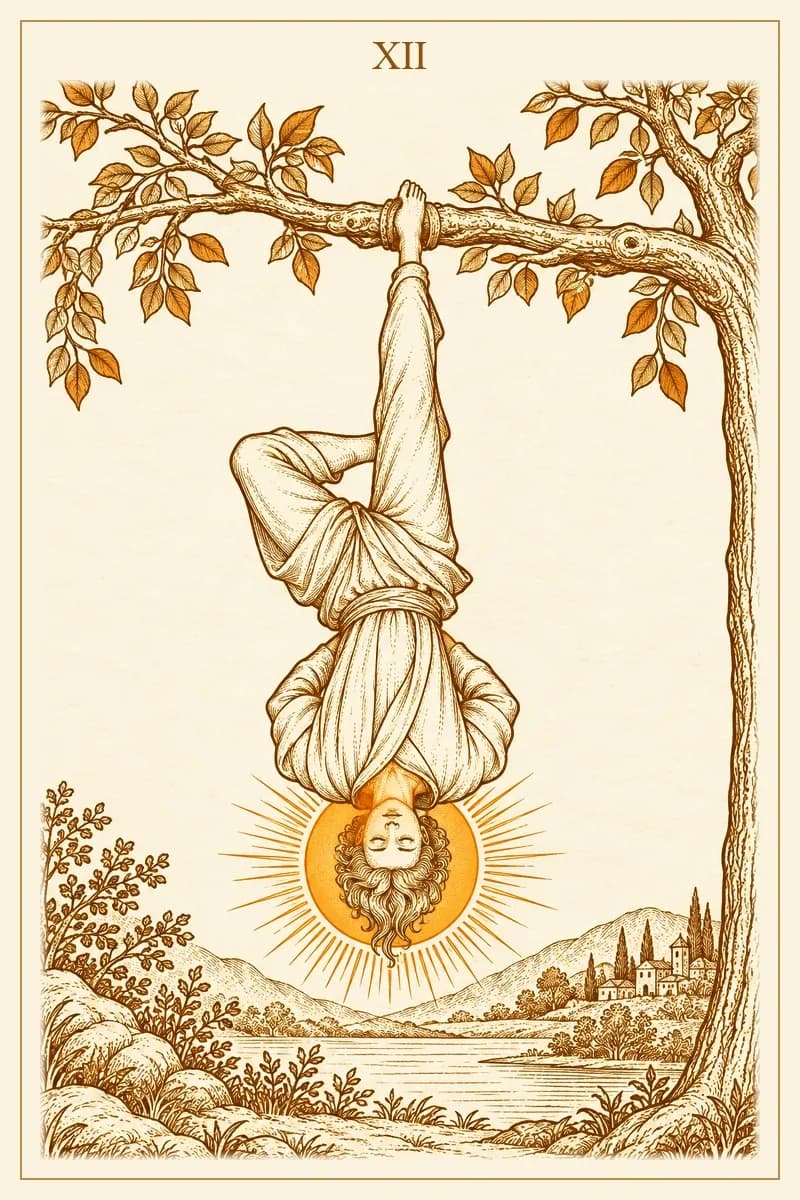
control vs release
Meaning of The Emperor and The Hanged Man: When Control Meets Surrender
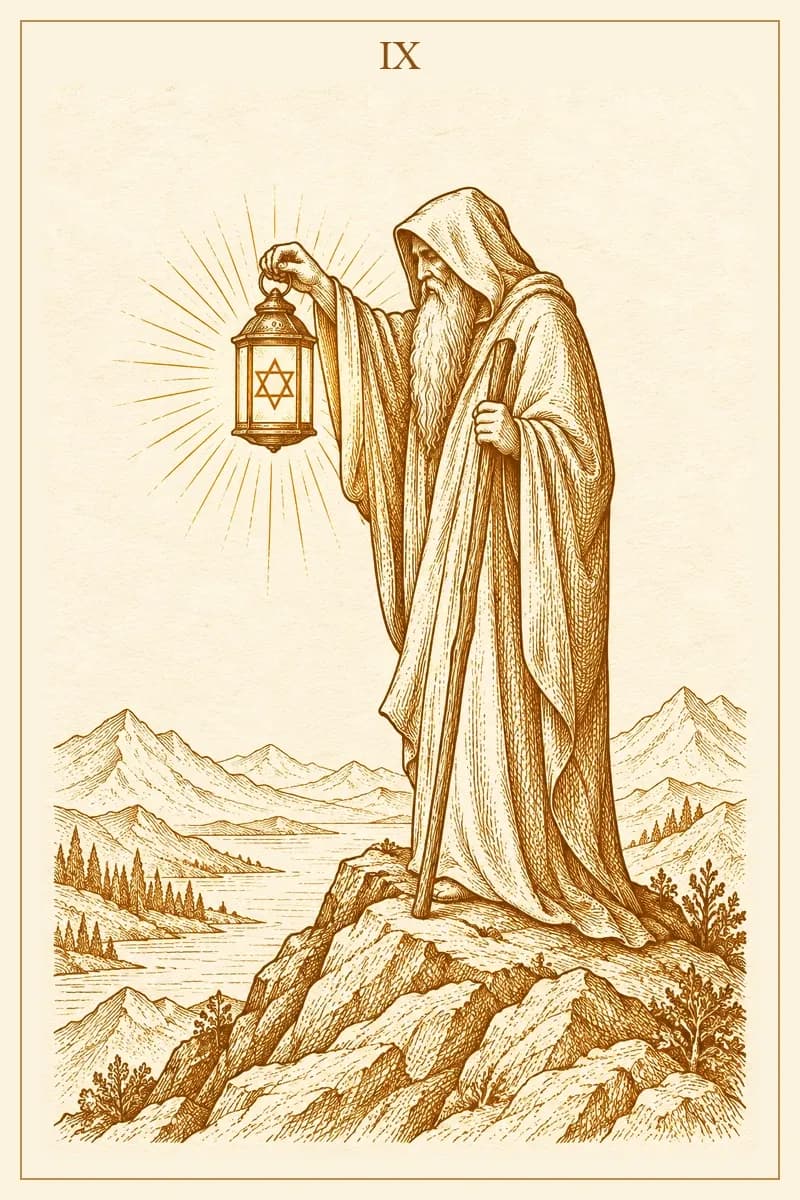
outer vs inner authority
Meaning of The Emperor and The Hermit: Command Meets Solitude
✦ Bring it to the cards ✦
Bring The Emperor and Six of Pentacles into your own reading
Use this pairing as a starting point, then let a spread listen to the situation that is actually yours.
Begin a contextual reading