
Card Combination
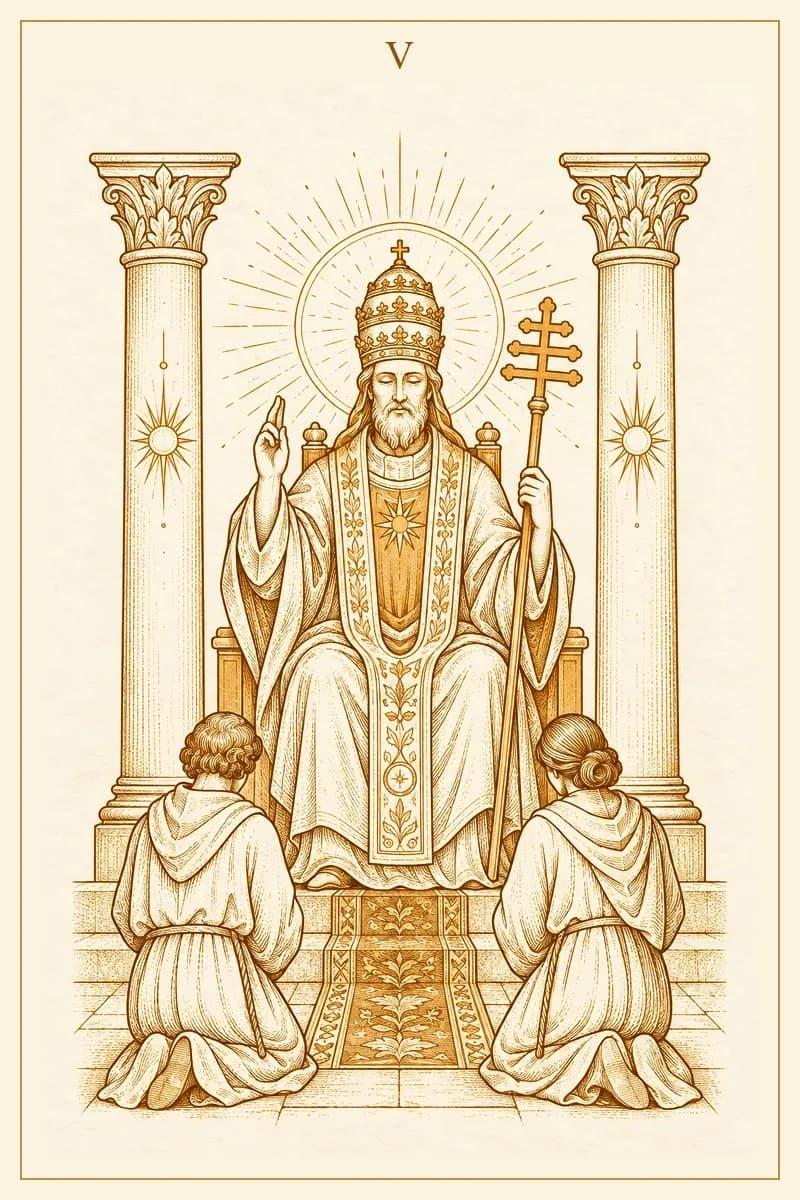
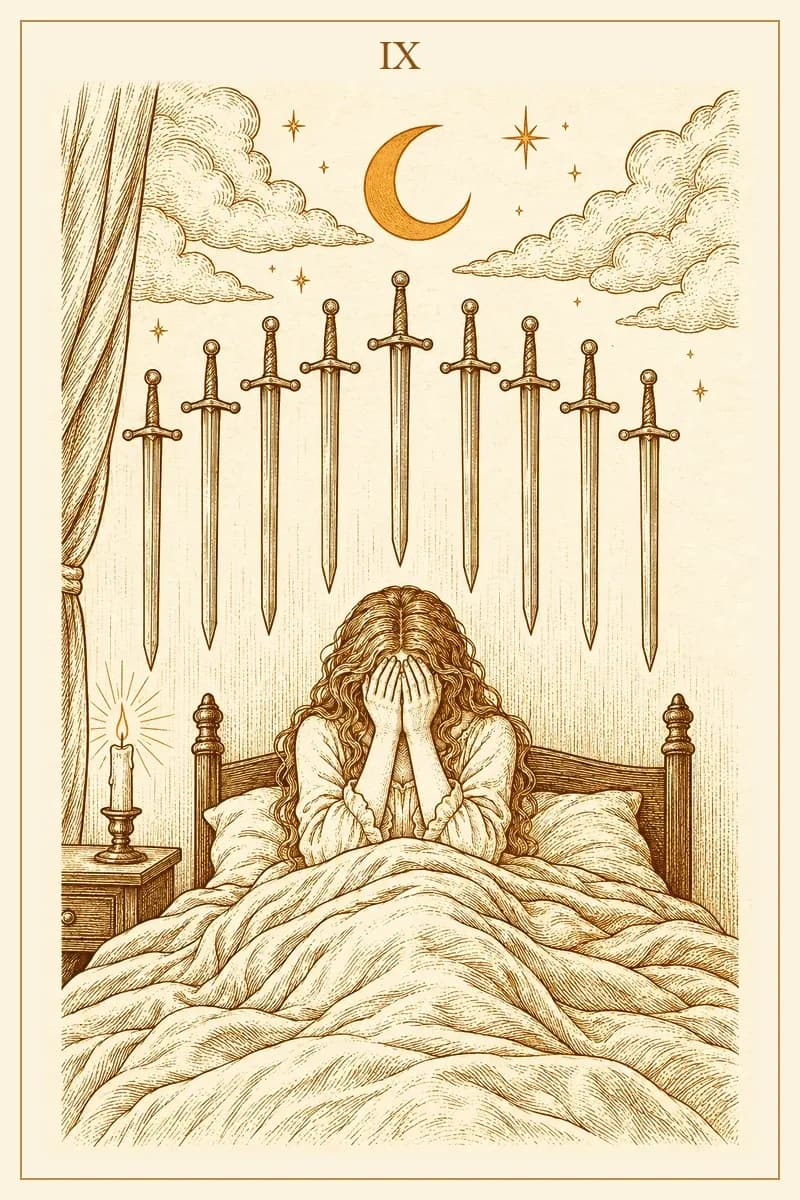
Meaning of The Hierophant and Nine of Swords Combination: Guilt at 3 AM
Inherited moral dread
It is three in the morning and you are awake again, running the same calculation for the hundredth time. You haven't done anything catastrophically wrong. You know that, technically. And yet the verdict is already in, delivered somewhere at the back of your mind in a voice that sounds like authority — like a teacher, a priest, a parent, the accumulated weight of every institution that ever told you what a good person looks like. The Nine of Swords sits up in the dark, hands over face, nine blades suspended in the air above. The Hierophant stands just offscreen, holding the moral ledger.
This is not ordinary anxiety. This is guilt with institutional backing.
The Nine of Swords, at its most accurate, describes a mind that has been trained to prosecute itself. It is the sleepless 3 AM, the catastrophizing inner voice, the dread that arrives before any external danger does. When it appears beside the Hierophant, the source of that inner prosecution becomes clearer: somewhere, a system of moral authority — a religion, a family code, a cultural framework — has taken up residence inside you and is now running night-shift, judging everything you have done and everything you fear doing.
The Core Tension
Medical diagnosis relies on distinguishing between the symptom and the cause. A headache can come from dehydration, or stress, or a tumor — the treatment varies entirely depending on what's actually driving the pain. The Nine of Swords is the headache. The Hierophant points toward what might be causing it: moral architecture absorbed so deeply it now operates like a second immune system, attacking anything that deviates from its learned definition of acceptable.
The tension in this combination is between institutional conscience and authentic conscience. One is handed down; the other is grown. They overlap significantly — which is what makes them hard to separate. Not everything your moral upbringing taught you is wrong. But not everything it taught you is yours. Sorting those two categories in the middle of the night, when the anxiety is loudest, is nearly impossible. That is the trap.
The Hierophant is not the villain here. The villain, if there is one, is the failure to ever update the moral operating system after the original installation.
Love & Relationships
In relationships, this pairing often surfaces around shame — specifically, shame that does not quite fit the actual offense. You feel crushing guilt about something that, examined objectively, is not a serious ethical breach. Or you feel pre-emptive dread about a desire or need you haven't even acted on yet, because somewhere in your upbringing that desire was labeled dangerous.
This can manifest as staying in relationships out of guilt rather than love, as confessing and re-confessing in patterns that bring no relief, or as a persistent low-level terror that the relationship will collapse because you are somehow fundamentally flawed. Partners of people in this combination sometimes describe a sense of loving someone who cannot receive reassurance — because the prosecution is internal and no external verdict can override it.
Career & Purpose
Professionally, the Nine of Swords combined with the Hierophant points to anxiety rooted in authority: fear of judgment from institutional superiors, terror of being found inadequate against some standard that was set before you arrived, chronic overpreparation driven by the suspicion that you are secretly not enough.
Workplaces with strong hierarchies, formal traditions, or heavy credentialing cultures tend to amplify this dynamic. The Hierophant's structure is felt acutely here — as a standard you must meet, a bar set by predecessors, a code of professional conduct that functions less as guidance and more as tribunal. The Nine of Swords is the Sunday night dread before the Monday meeting that probably won't go badly at all.
Shadow Side
The shadow of this combination is the addiction to self-punishment. Guilt, over time, can become a form of identity. If you have been taught that good people suffer for their failures, then suffering begins to feel like proof of goodness — a perverse logic that makes the anxiety difficult to relinquish. Feeling bad about yourself becomes a way of showing that you take morality seriously.
The Hierophant's shadow is the institution that gains power from your guilt. Churches, families, and cultural systems that keep members anxious and self-scrutinizing rarely do so consciously — but the effect is the same: a person so focused on their own moral accounting that they never look up to question the accounting system itself.
Action Steps
- 1Write down the specific fear or guilty thought that woke you up recently. Beneath it, ask: whose voice is this — and do I actually agree with the verdict it's delivering?
- 2Distinguish between guilt that leads to repair (useful) and guilt that just recycles (corrosive). Only one of these requires action.
- 3Speak with one person you trust about the thing you keep privately prosecuting yourself for. Shame dissolves significantly faster in conversation than in isolation.
- 4The Hierophant and the Nine of Swords together describe a mind that is doing someone else's moral work at someone else's standards — in the dark, at full volume, with no rest day scheduled. The anxiety is real. The suffering is real. What deserves examination is whether the tribunal causing it was ever legitimately yours to carry. Some things you were handed are worth keeping. Some were never yours to begin with.
Related Pairings
Continue through published pairings that share The Hierophant or Nine of Swords.

authority meets doctrine
Meaning of The Emperor and The Hierophant: Two Pillars of Order

Relentless drive, mental collapse
Meaning of The Chariot and Nine of Swords Combination: Driven Into the Dark
abundance versus doctrine
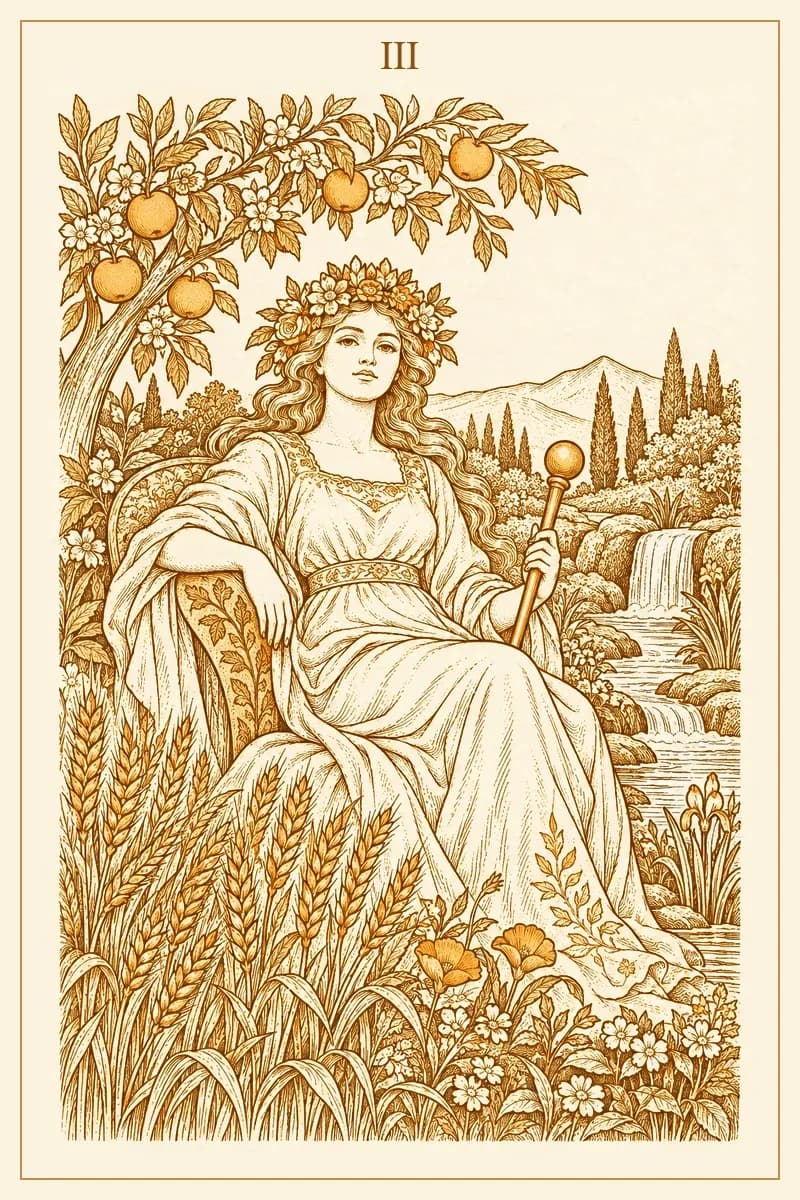
Meaning of The Empress and The Hierophant: Nature Meets Doctrine

Addictive anxiety
Meaning of The Devil and Nine of Swords Combination: Compulsive Dread
Sacred Rebellion
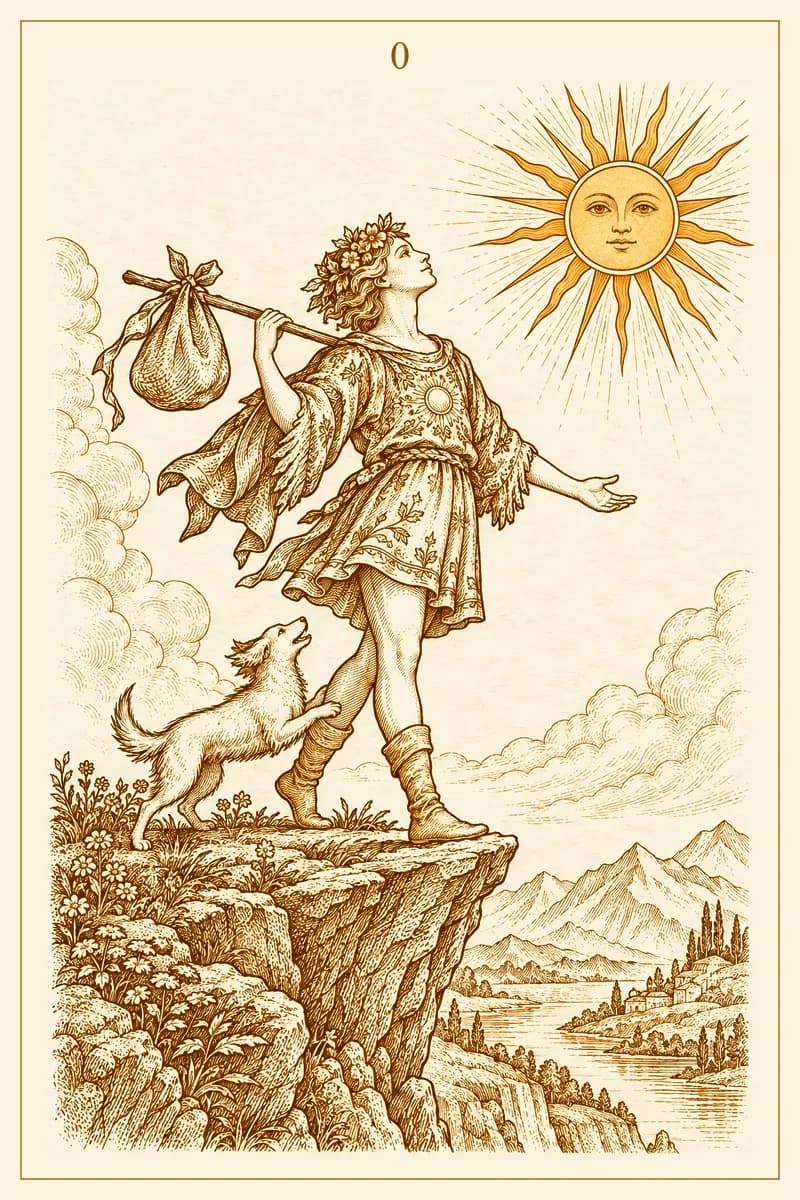
Meaning of The Fool and The Hierophant Combination: Tradition Meets Freedom
Power feeding fear
Meaning of The Emperor and Nine of Swords Combination: Authority and Dread
✦ Bring it to the cards ✦
Bring The Hierophant and Nine of Swords into your own reading
Use this pairing as a starting point, then let a spread listen to the situation that is actually yours.
Begin a contextual reading