
Card Combination
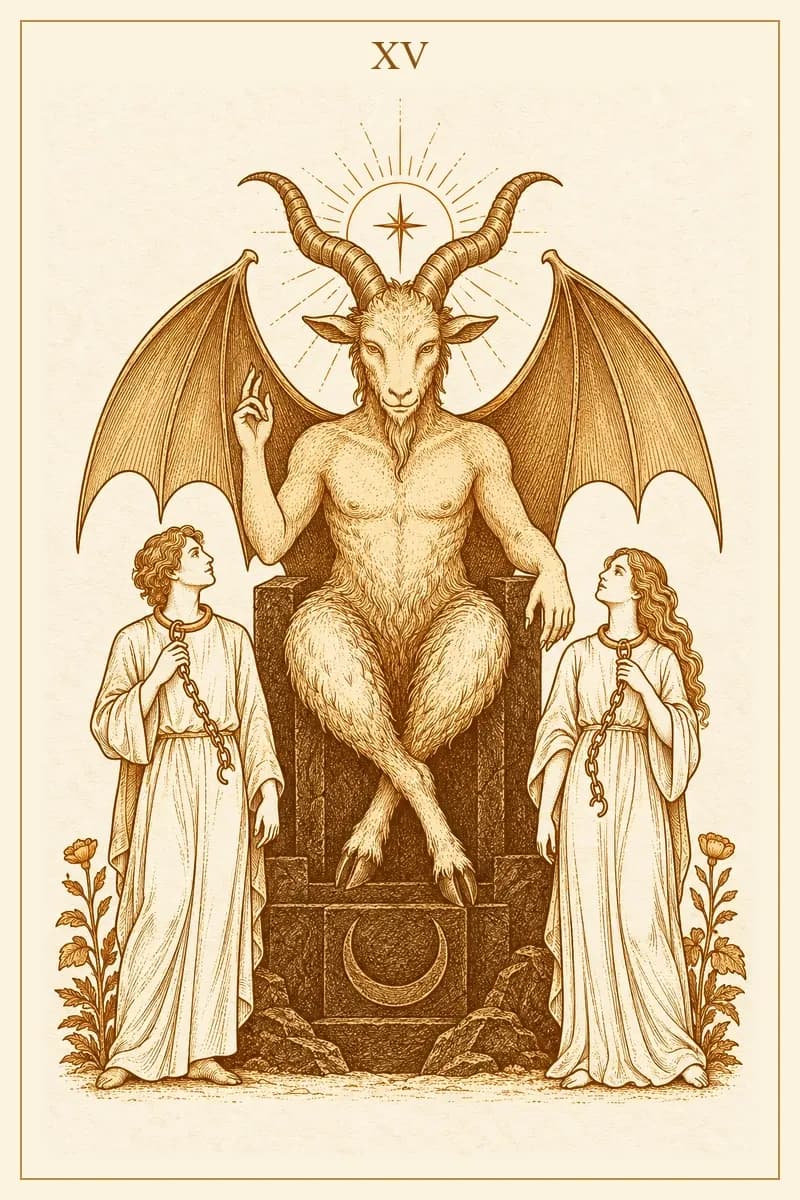
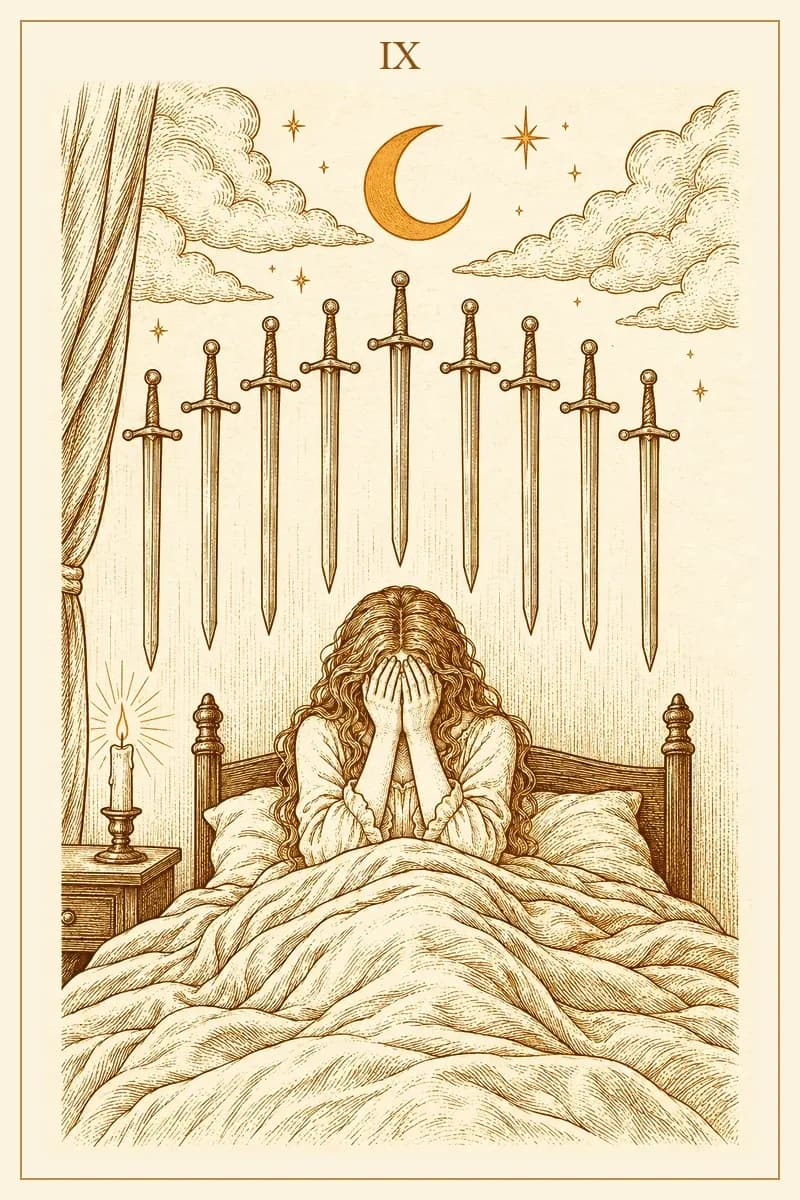
Meaning of The Devil and Nine of Swords Combination: Compulsive Dread
Addictive anxiety
It is 3 a.m. and you are awake again. The same thought loops through your skull like a lab result you keep rereading, hoping the numbers will change. They will not. The Devil sits at the edge of the bed, offering the only painkiller that ever worked — the habit, the person, the substance, the scroll through the phone that numbs just enough to let you stop thinking without actually resolving anything. The Nine of Swords keeps you upright, hands pressed against your temples, cataloguing every possible worst-case outcome with clinical precision.
This is not insomnia. This is a diagnosis. And the first step toward treatment is understanding that the disease and the self-medication are the same organism.
The Core Tension
The Devil operates as a chronic condition — a dependency loop wired so deeply into the nervous system that it mimics normalcy. The Nine of Swords is the acute flare-up, the crisis that erupts at predictable intervals but always feels like the first time. The tension between them is the tension between the disease and its most visible symptom.
In medical terms, you are treating the fever while ignoring the infection. The Nine of Swords presents as the problem — the anxiety, the sleeplessness, the spiraling thoughts. But it is the Devil that maintains the underlying condition: the attachment to the very thing that generates the anxiety. You worry about the relationship because you cannot leave it. You cannot leave it because leaving would require confronting withdrawal. So you stay, and the fever spikes again.
The diagnostic question is not "why am I anxious?" It is "what am I consuming that produces anxiety as a side effect?"
Love & Relationships
In romantic contexts, this pair reads like a patient history of codependency. One partner — or both — has become the other's drug. The highs are intoxicating enough to justify the lows, and the lows are devastating enough to make the next high feel necessary. The Nine of Swords marks the nights spent agonizing over text messages, over silences, over the gap between what was promised and what was delivered.
The clinical reality is that love should not require a recovery period after every interaction. If your nervous system treats your partner like a substance — craving, consuming, crashing, repeating — the relationship is not passion. It is a prescription being filled by the wrong pharmacy.
For those between relationships, notice whether your anxiety spikes not from a specific person but from the absence of anyone to obsess over. The dependency may be to the pattern itself, not to any individual.
Career & Purpose
Professionally, the Devil and Nine of Swords often manifest as workaholism paired with imposter syndrome. The Devil keeps you at the desk — the identity, the validation, the fear of what you would be without the title. The Nine of Swords keeps you awake reviewing every email you sent, every presentation slide, every meeting where you spoke too much or not enough.
The diagnostic irony is that overwork is both the cause of the anxiety and the method you use to manage it. You work harder to feel competent, but the harder you work, the more opportunities for perceived failure multiply. The treatment is not more effort. It is an accurate assessment of what "enough" looks like and a refusal to exceed that dosage.
Check your vitals: how many hours last week were spent working versus how many were spent worrying about work? If the second number rivals the first, the condition has metastasized.
Shadow Side
The deepest shadow here is the identity that has formed around suffering. The Devil suggests you may have grown attached to your anxiety — not because it feels good, but because it feels like you. The Nine of Swords has been your companion for so long that silence feels suspicious. A night without dread seems like a misdiagnosis rather than a recovery.
Watch for the tendency to dismiss solutions as naive. When someone offers a practical step — therapy, boundaries, rest — and your first response is "you do not understand my situation," you are protecting the illness from treatment. The disease has developed its own immune system, and it attacks anything that threatens its survival.
Also beware of trading one compulsive worry for another. Resolving the work anxiety only to redirect that energy into health anxiety or relationship anxiety is not healing. It is the same pathology wearing a different chart number.
Action Steps
- 1Track your anxiety episodes for five consecutive days by noting the time, the trigger, and what you did immediately before the spiral began — the pattern in the data will reveal the substance you are unknowingly consuming
- 2Identify your most reliable numbing behavior and replace it once this week with ten minutes of deliberate stillness, not to relax but to let the discomfort surface without medication
- 3Write a single sentence that completes "I am afraid that if I stop _____, then _____" and read it back as if it were someone else's medical chart — clinical distance makes the prognosis clearer
Related Pairings
Continue through published pairings that share The Devil or Nine of Swords.
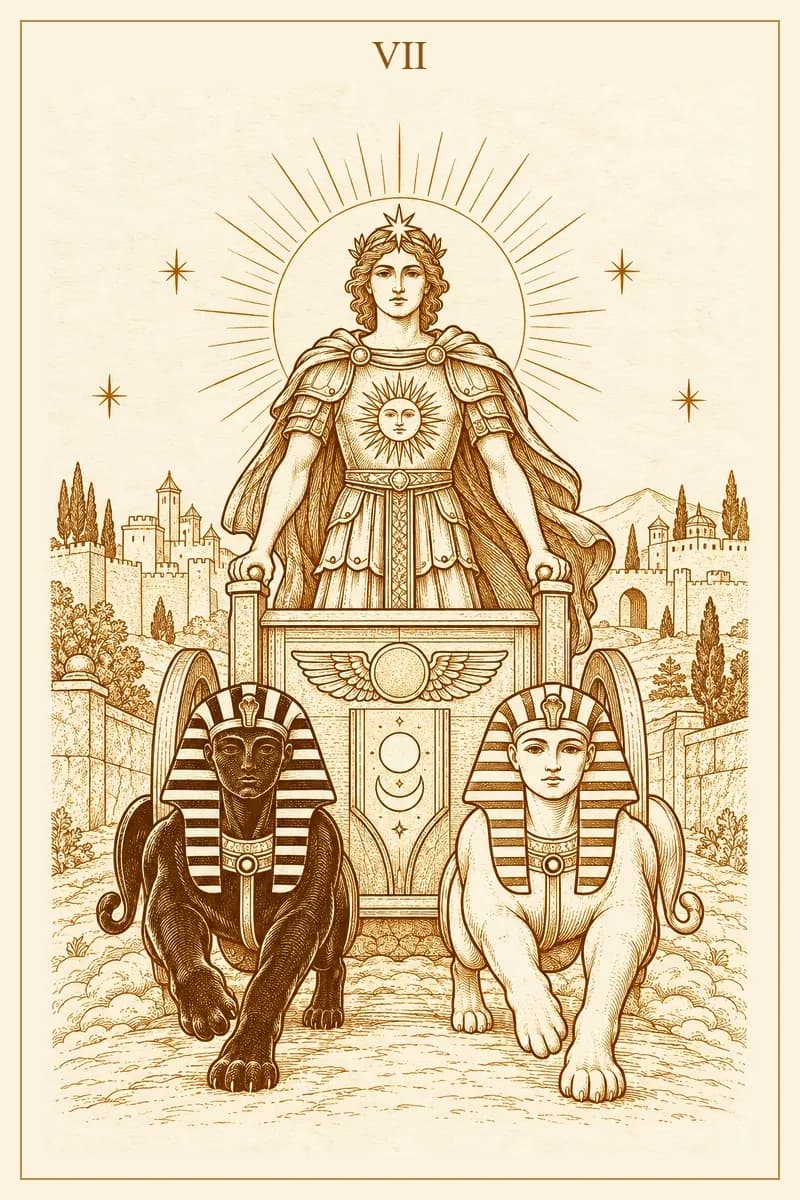
ambition vs obsession
Meaning of The Chariot and The Devil: Ambition in Chains
Relentless drive, mental collapse
Meaning of The Chariot and Nine of Swords Combination: Driven Into the Dark

hidden compulsion
Meaning of The Devil and The Moon Combination: Shadows That Bind
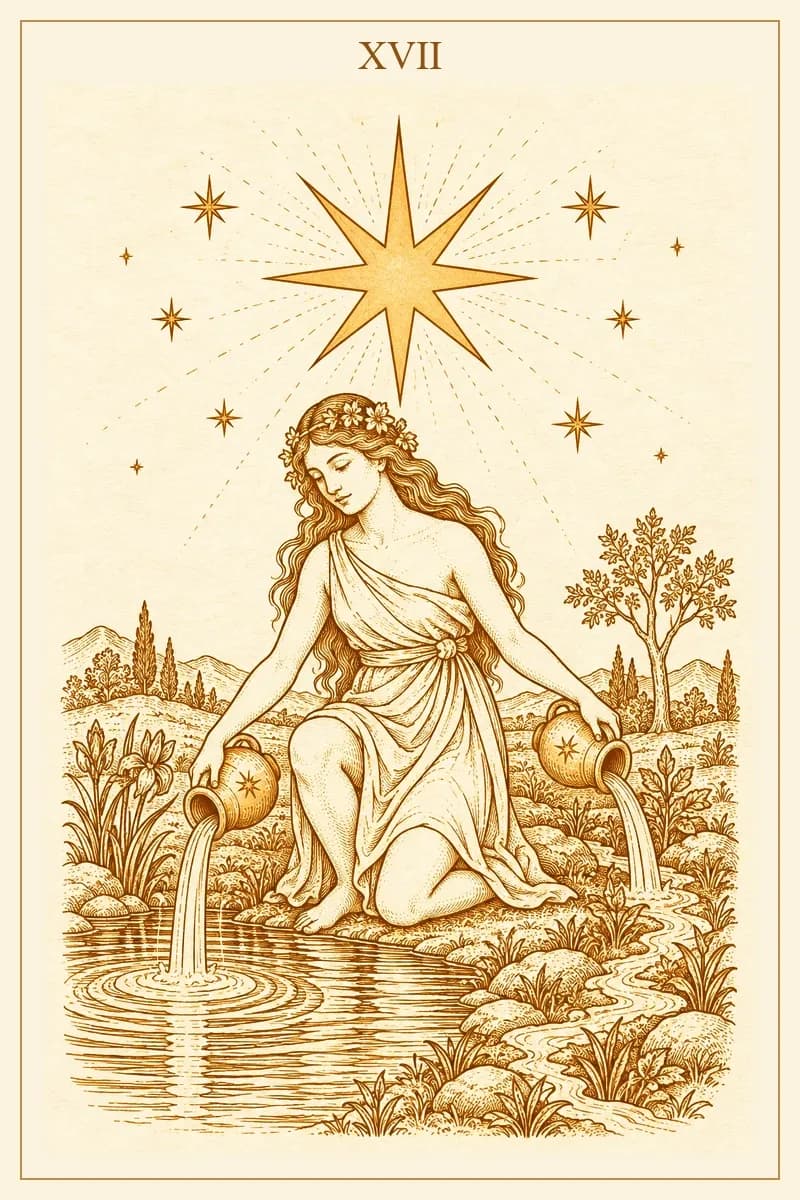
bondage versus healing
Meaning of The Devil and The Star Combination: Addiction vs. Recovery
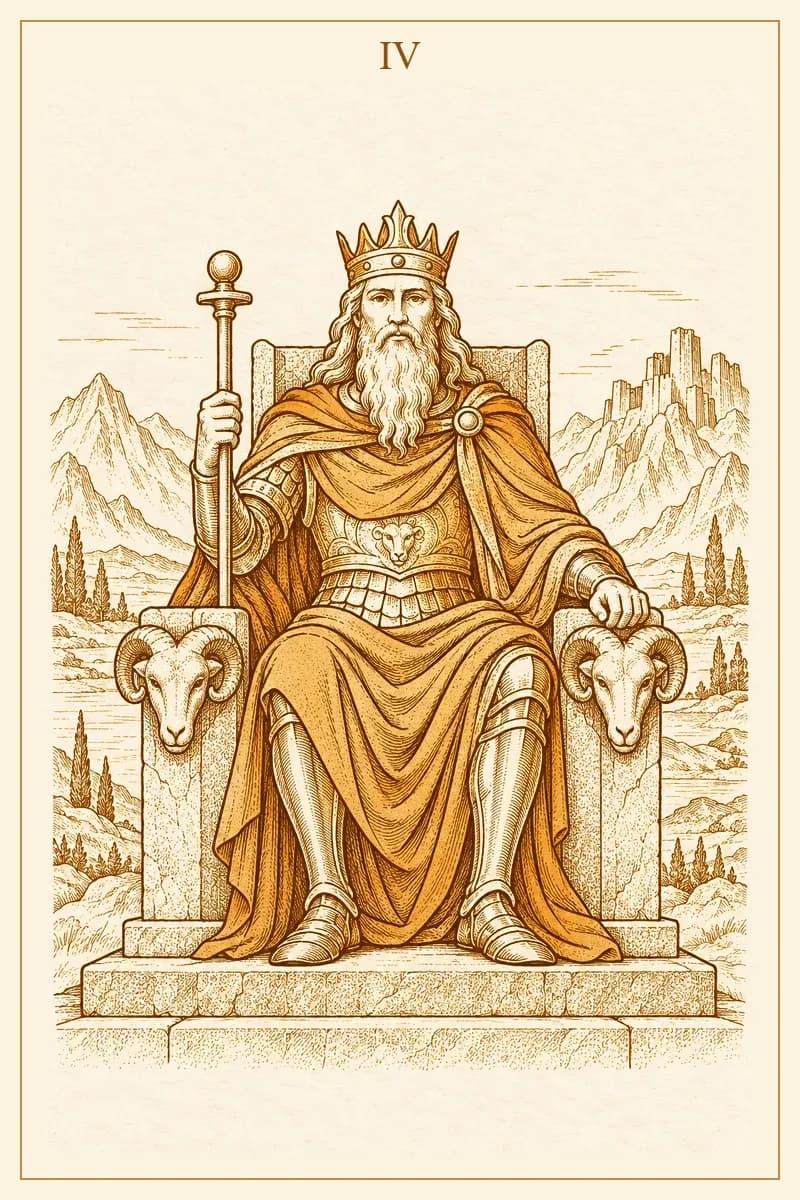
Power feeding fear
Meaning of The Emperor and Nine of Swords Combination: Authority and Dread
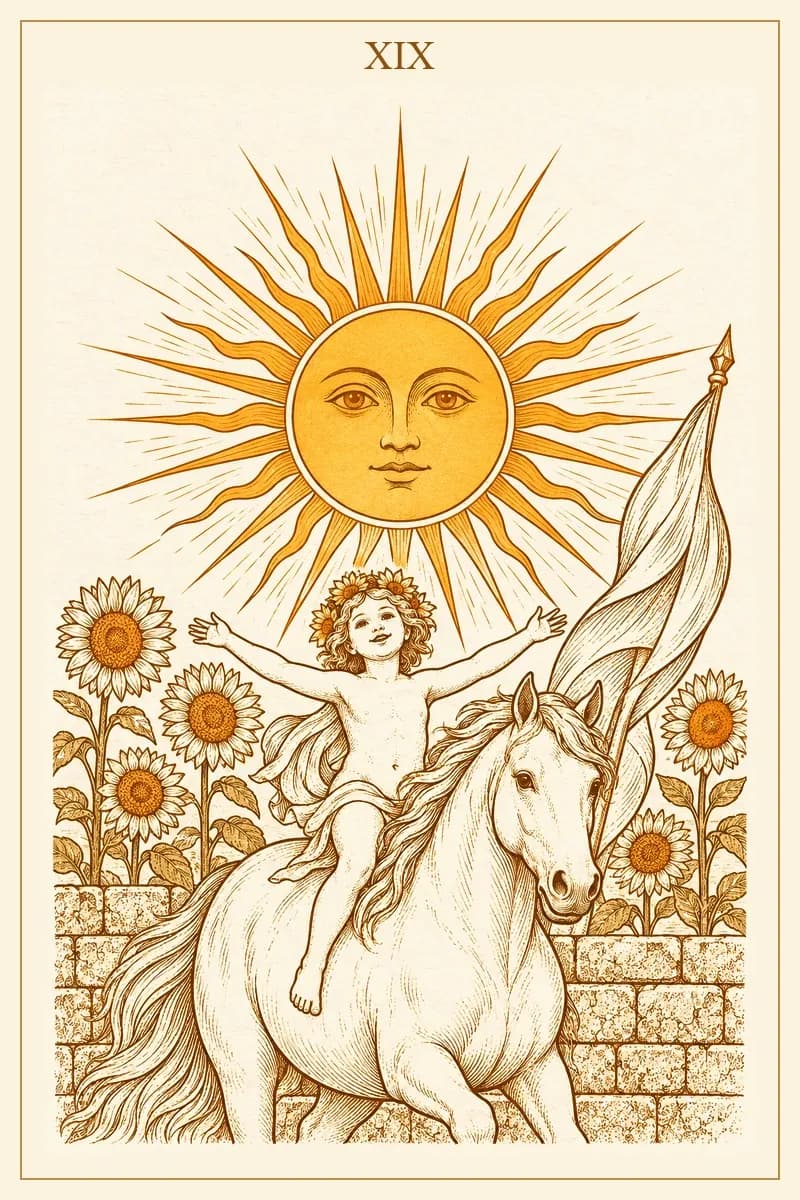
liberation through exposure
Meaning of The Devil and The Sun Combination: Chains in the Light
✦ Bring it to the cards ✦
Bring The Devil and Nine of Swords into your own reading
Use this pairing as a starting point, then let a spread listen to the situation that is actually yours.
Begin a contextual reading