
Card Combination

Meaning of The Hierophant and Five of Swords: Winning Wrong
authority misused
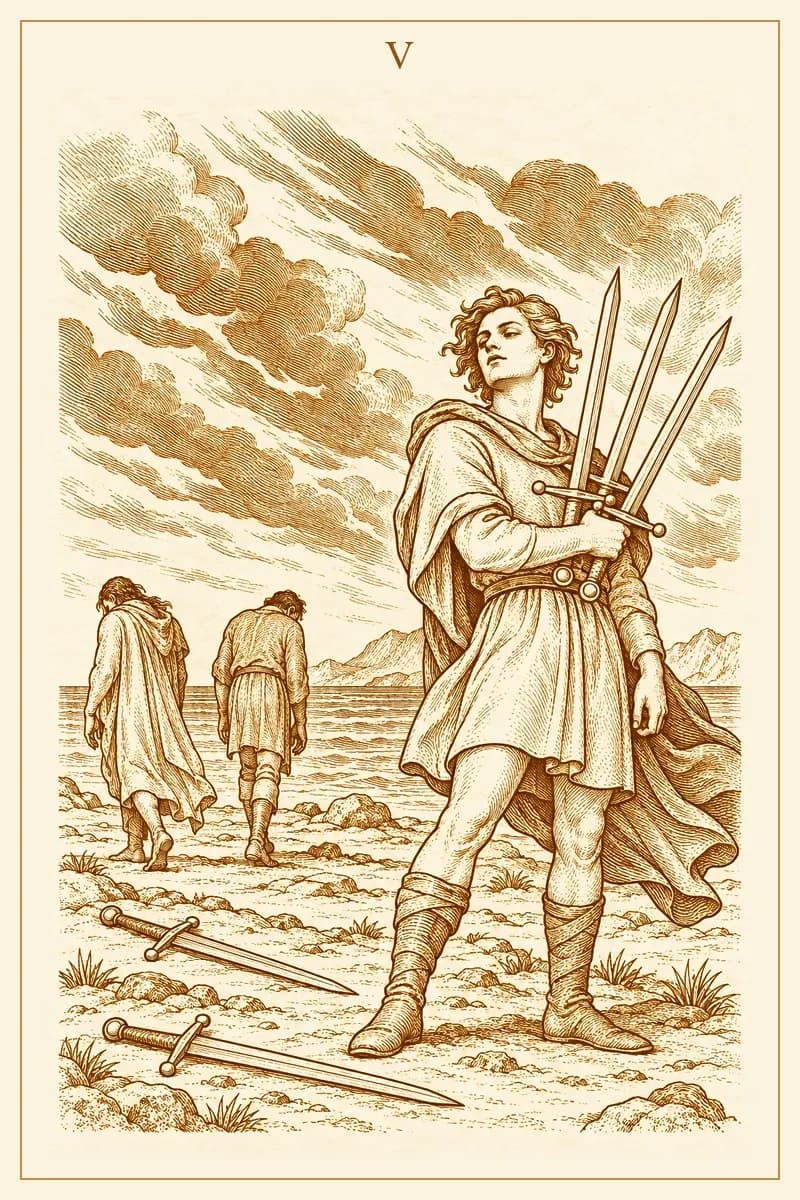
The curtain goes up on a figure who has already won. The swords are collected, the opponents are walking away, and the victor stands with something that looks like satisfaction but isn't. In the background, an institution watches — the Hierophant, robed and seated, whose authority was invoked somewhere in the conflict and whose blessing, real or imagined, now hangs over the scene like a prop that has outlasted its scene. The audience shifts in their seats. Something about the victory feels wrong.
That uneasy recognition is the heart of this combination. The Five of Swords is the card of the pyrrhic win — the argument you won while losing the relationship, the deal you closed at a cost that only becomes clear later, the battle where the terms of victory were quietly redefined so that you could claim it. The Hierophant's presence here is not redemption; it is complication. It asks: whose rules were you actually playing by, and who gave you permission to change them?
The two cards together don't describe a villain. They describe a person — possibly you, possibly someone you're dealing with — who has used the language of tradition, authority, or righteous principle to justify behavior that tradition would not actually endorse. The Hierophant becomes an unwitting accomplice, his symbols borrowed without his sanction.
The Core Tension
The Hierophant represents legitimate authority — the kind that earns trust through consistency, care, and genuine accountability. The Five of Swords represents the shadow of that authority: the use of institutional power to win at others' expense, or the invocation of principle to excuse self-interest. The tension is between what authority is supposed to do and what it can be made to do.
This can manifest in either direction. You may be the one who has used a position of trust or knowledge to gain an advantage in a conflict. Or you may be the one on the receiving end — someone with institutional power has played the game in a way that was technically within the rules but felt profoundly unjust. Either way, the Five of Swords insists that what happened will leave a mark. The victory has a price tag, and it's not yet fully visible.
Love & Relationships
In relationships, this pairing appears when someone has used the relationship's established dynamics — its norms, its implicit rules, its power structures — to win a disagreement in a way that felt less like resolution and more like defeat. One partner may have leveraged seniority, financial control, or the moral language of commitment to end an argument rather than resolve it.
The Hierophant's presence is a warning: relationships governed by authority rather than genuine mutuality become brittle. You can win every argument and still lose the relationship. If this pattern is active in a current dynamic, the real question is not who was right in the last conflict but whether the relationship has any space left for both people to be fully present.
Career & Purpose
At work, this combination often signals a workplace conflict where seniority or institutional process was used as a weapon rather than a guide. A manager who technically followed procedure but deliberately undermined someone. A colleague who cited policy to sabotage a project they personally opposed. A decision made "by the book" that happened to benefit the decision-maker at someone else's expense.
If you are navigating this kind of environment, the Hierophant is a reminder that not all authority is legitimate authority, and that processes can be gamed. Document what you observe. Be precise about what actually happened versus what you were told was happening. The Five of Swords rarely stays hidden — those swords are visible to everyone in the scene, even if no one speaks of them immediately.
Shadow Side
The deepest shadow here is self-deception. The Five of Swords has a way of presenting its victories as justified — the loser deserved it, the system required it, the greater good demanded it. The Hierophant provides the perfect vocabulary for that justification: principle, tradition, the correct order of things. When a person can cite chapter and verse for why their win was righteous, that certainty deserves scrutiny rather than trust.
The shadow question is not "did I win?" but "what would I have to believe about myself to call this a clean victory?" If the answer requires a long explanation, the win was probably not clean.
Action Steps
- 1Identify one recent conflict where you feel you were right, and examine what you might have done that the other person would describe differently.
- 2If someone in authority has used process against you, begin noting specific incidents with dates — institutional grievances require documentation, not just memory.
- 3Resist the pull to relitigate a past argument using new, more authoritative-sounding reasoning. The conversation is already over.
- 4This pairing is a mirror held up to the gap between stated values and actual behavior — yours or someone else's. The Hierophant doesn't endorse what happened; he was invoked without full consent. The Five of Swords doesn't celebrate the win; it shows the cost. Together, they demand an honest audit of how authority has been used, and whether the person holding the swords can live with what the victory actually required.
Related Pairings
Continue through published pairings that share The Hierophant or Five of Swords.

authority meets doctrine
Meaning of The Emperor and The Hierophant: Two Pillars of Order
costly victory
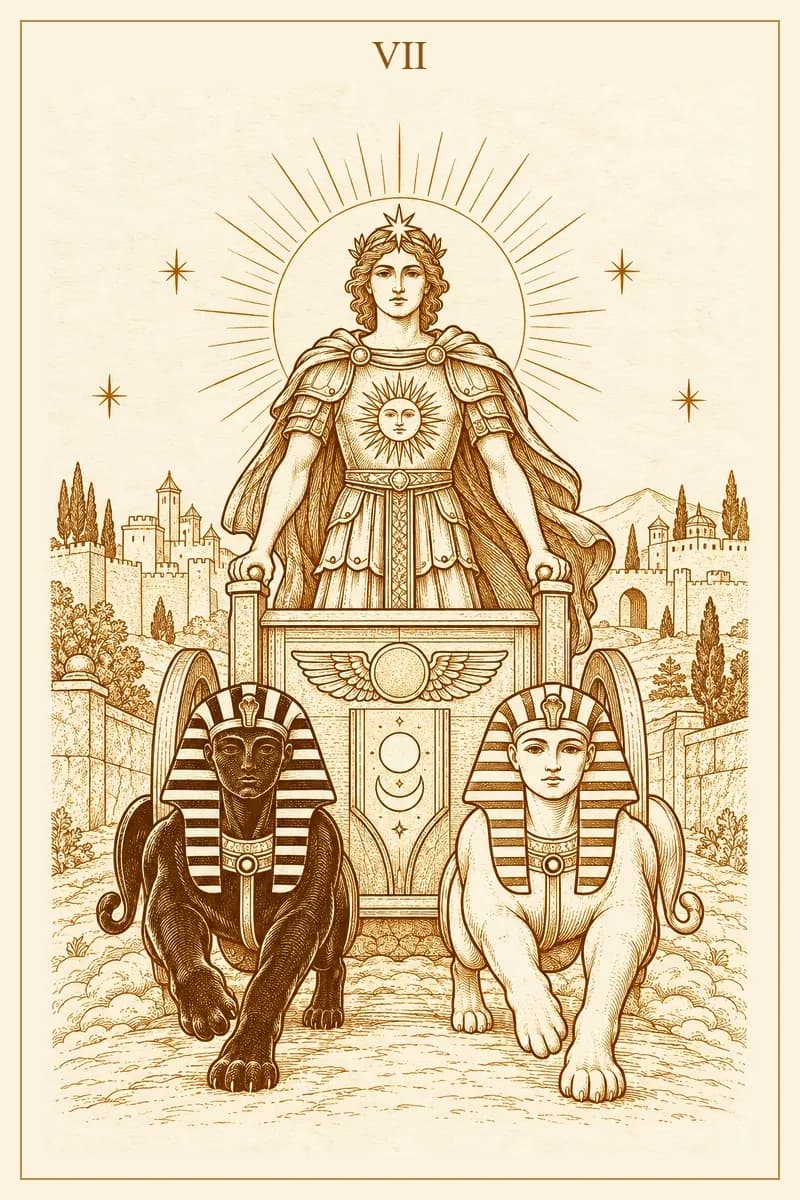
Meaning of The Chariot and Five of Swords Combination: Winning at a Cost
abundance versus doctrine
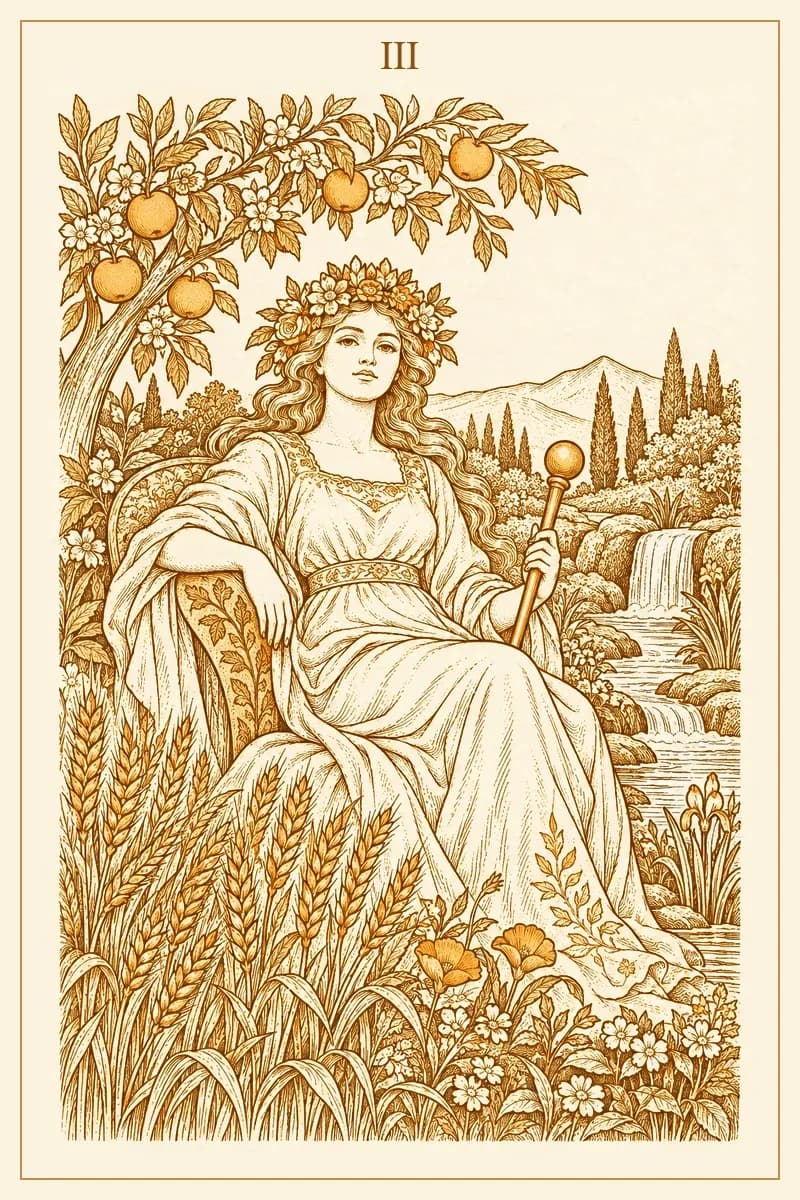
Meaning of The Empress and The Hierophant: Nature Meets Doctrine
Toxic Power Games
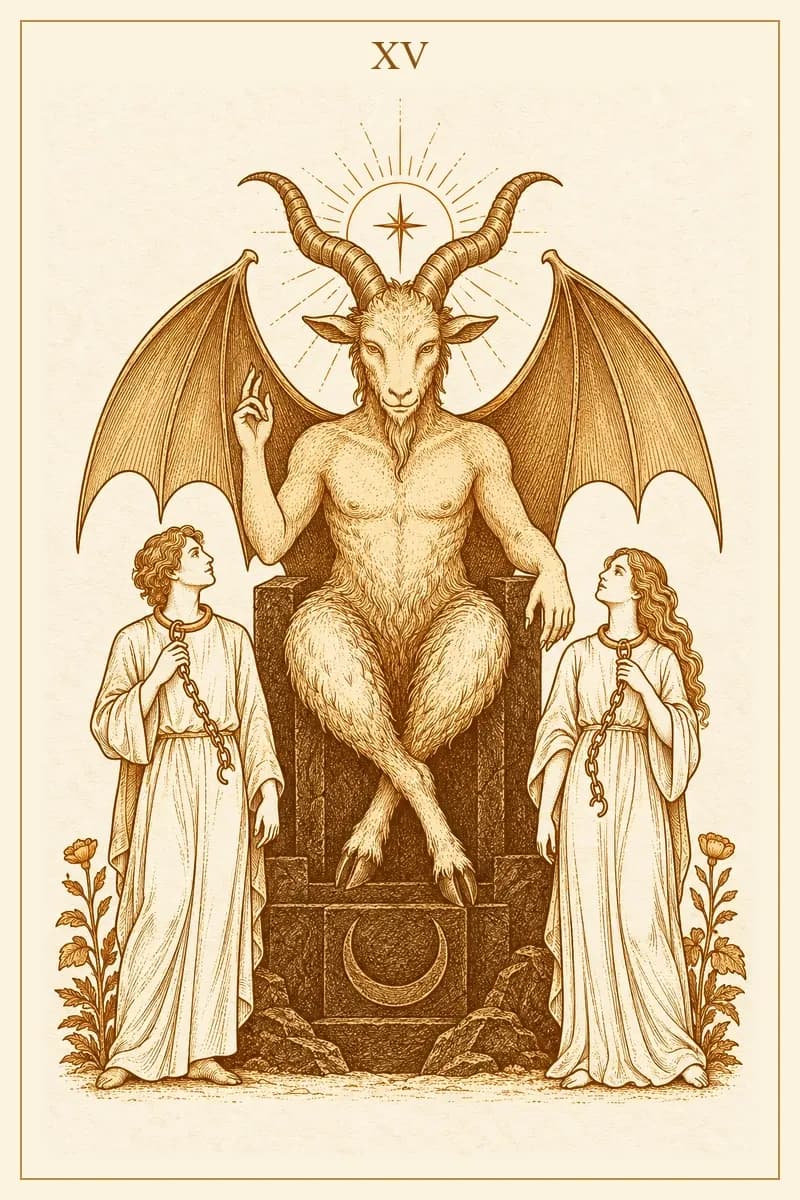
Meaning of The Devil and Five of Swords Combination: Toxic Power Games
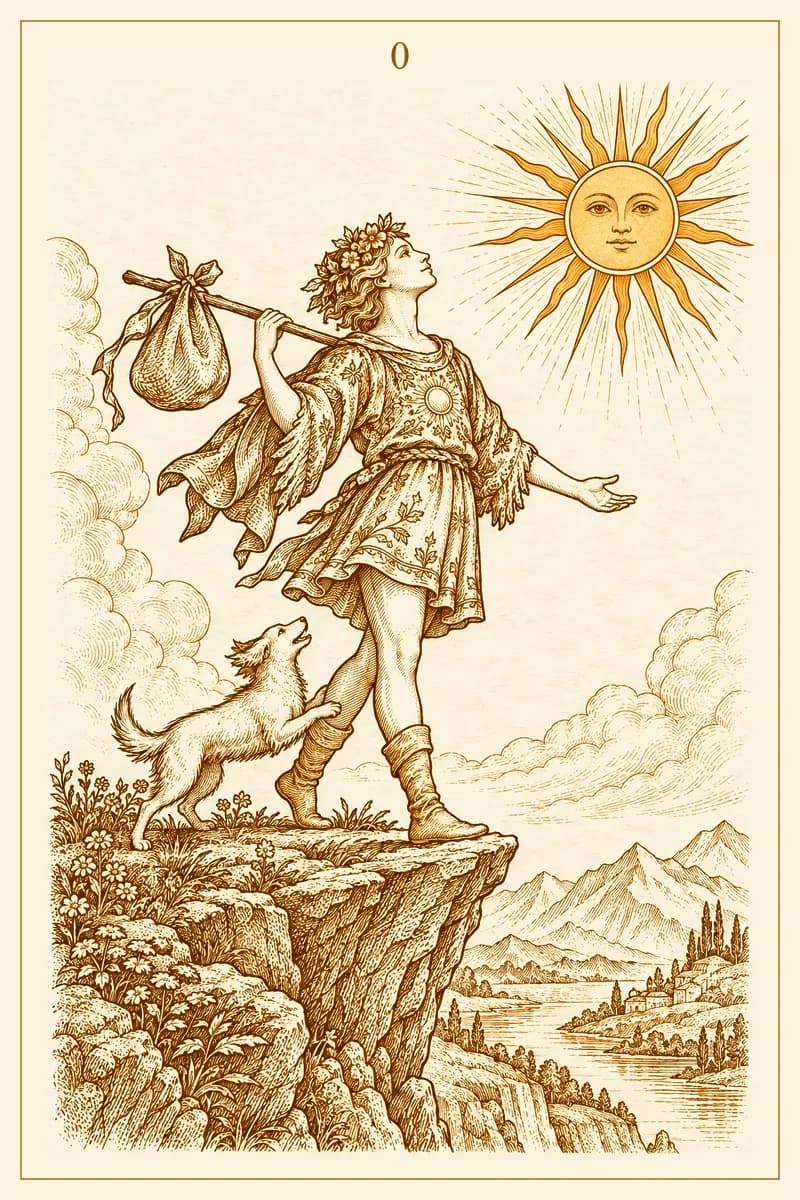
Sacred Rebellion
Meaning of The Fool and The Hierophant Combination: Tradition Meets Freedom
pyrrhic authority
Meaning of The Emperor and Five of Swords: Winning at What Cost
✦ Bring it to the cards ✦
Bring The Hierophant and Five of Swords into your own reading
Use this pairing as a starting point, then let a spread listen to the situation that is actually yours.
Begin a contextual reading