
Card Combination
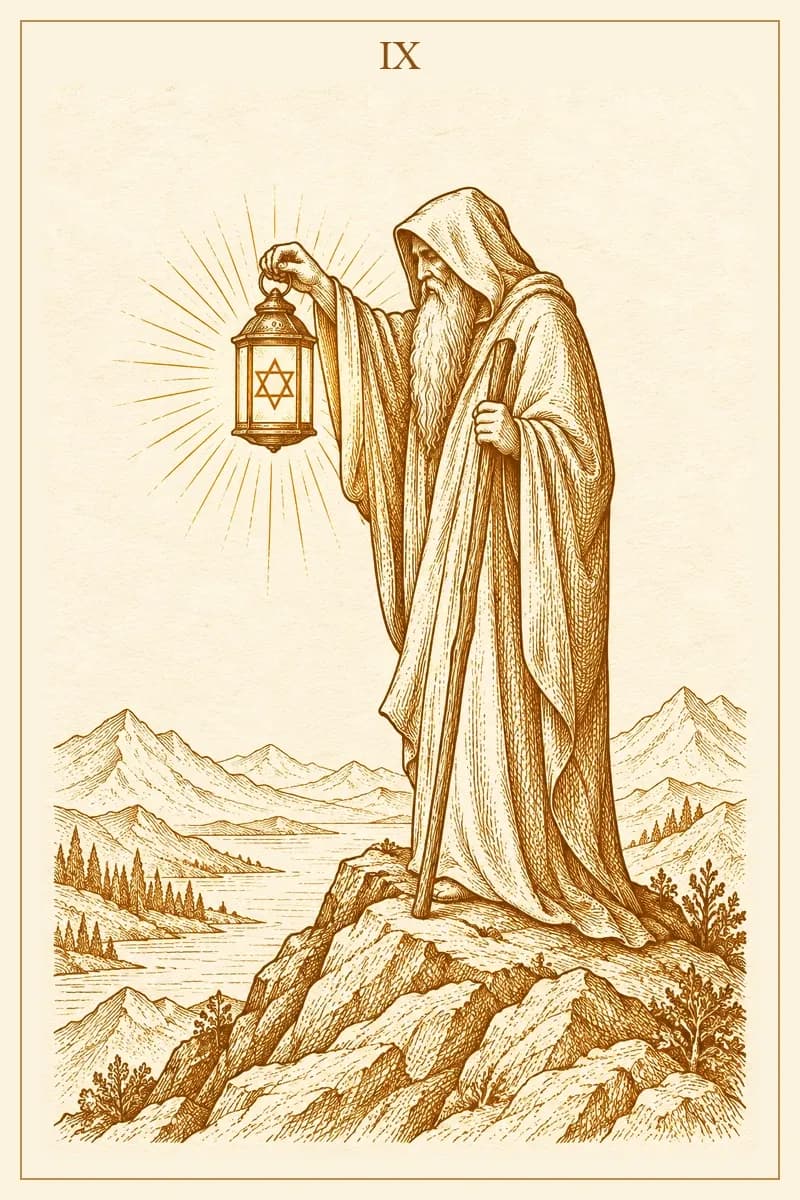
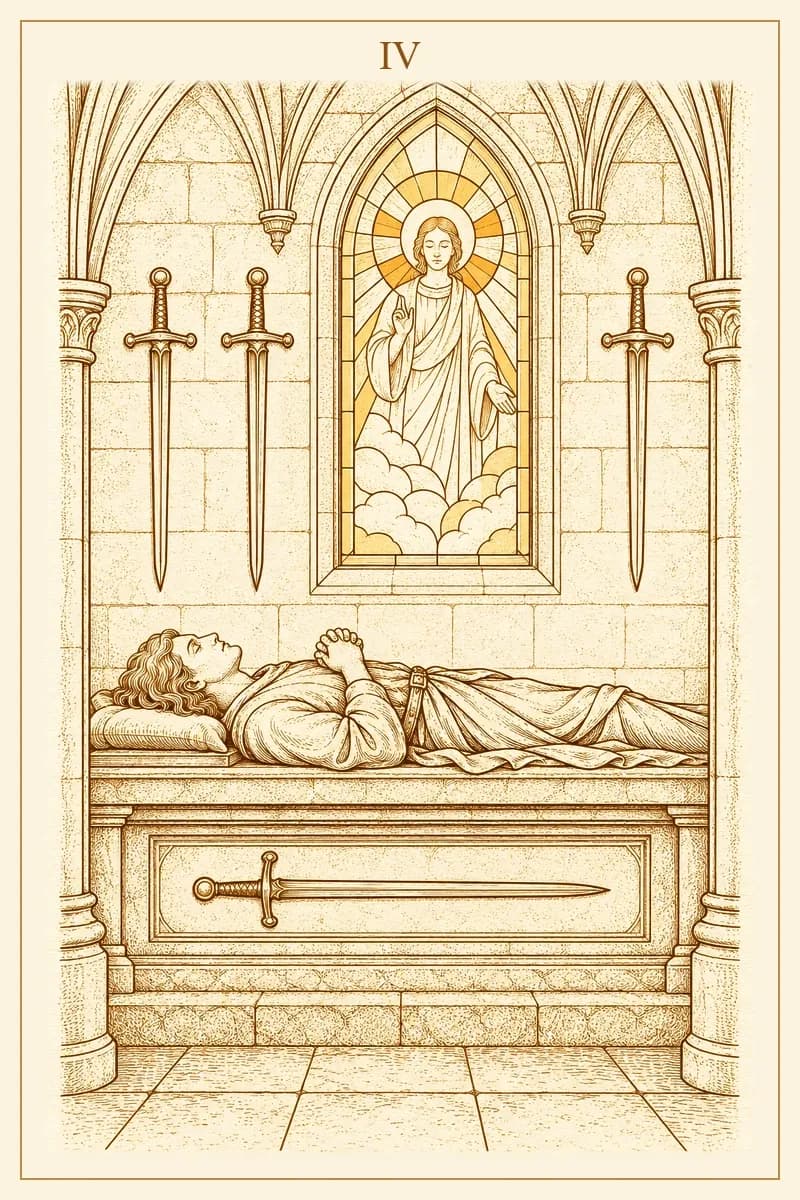
Meaning of The Hermit and Four of Swords Combination: The Art of Strategic Stillness
Retreat as preparation
The soldier who retreats from the field is not the one who lost. Sometimes the retreat is the strategy. In military history, the armies that survived to fight another day were not the ones that stood their ground until they had nothing left — they were the ones whose commanders understood when to withdraw, regroup, and return with a clearer picture of the terrain. The Hermit and Four of Swords are those commanders.
What makes this combination unusual among difficult pairings is that it does not carry pain as its central feature. Both cards involve stepping away, but neither is fleeing in desperation. The Hermit has walked deliberately to the edge of human company and stopped there, holding his lantern steady. The Four of Swords shows a figure lying in stillness beneath stained glass light — not defeated, not dead, but resting with the intentionality of someone preparing for what comes next. The posture matters. The hands are folded. The sword on the tomb is horizontal, not raised.
Together, they construct a philosophy: that some of the most consequential work a person can do happens in silence, in withdrawal, in the spaces that other people mistake for absence.
The Core Tension
The war strategy frame clarifies what is actually happening here. A general in a command tent, maps spread out, no one entering without being summoned — that is not inactivity. That is the phase of work that makes all subsequent action coherent. The Hermit and Four of Swords together represent exactly this phase.
The tension the combination carries is not internal conflict between the two cards — they are unusually harmonious — but rather the friction between what this pairing requires and what the external world expects. People around you will read your stillness as stagnation. They will ask what you are waiting for. They will suggest that forward motion, any forward motion, is better than where you are standing now.
The combination says otherwise. It says that the map must be read before the march begins. It says that the commander who moves troops without intelligence of the terrain loses soldiers unnecessarily. Rest here is not passive. It is reconnaissance conducted from the inside.
Love & Relationships
In love, the Hermit and Four of Swords appearing together often signal a period of intentional solitude after an emotionally demanding stretch. This is not the cold withdrawal of someone shutting down — it is the retreat of someone who gave a great deal and now needs to return to themselves before giving again.
If you have recently ended something, or if a relationship has asked more of you than you had to give, this pairing validates the impulse to step back. The Four of Swords is not broken. It is in recovery. And the Hermit knows that recovery requires conditions: quiet, space, no new demands.
The caution for someone in an existing relationship is different. If one partner is in Hermit-Four-of-Swords mode, the other needs to resist the urge to pull them back prematurely. The withdrawal is purposeful. Attempting to shortcut it will only delay the genuine reconnection that becomes possible after it is complete.
Career & Purpose
This is one of the stronger career combinations for anyone in a period of transition or decision. The Four of Swords removes the urgency that usually distorts thinking. The Hermit adds the dimension of self-directed inquiry — asking not what the market wants, not what the boss expects, but what you actually know and believe about the direction your work should take.
For anyone facing a major professional choice, this combination offers both permission and instruction. Permission to stop performing productivity for long enough to think clearly. Instruction to use that pause actively, not to scroll or consume, but to sit with the actual question until the answer rises from below the noise.
The commanders who won extended campaigns were rarely the ones who made the most decisions in the shortest time. They were the ones who waited until they had enough information to make the right decision once.
Shadow Side
The risk in a pairing this harmonious is that it can become self-justifying. Both the Hermit and the Four of Swords are comfortable in stillness, which means the combination can occasionally license an avoidance that dresses itself as wisdom.
There is a difference between strategic retreat and indefinite delay. The general in the command tent at some point has to call the march. If the maps keep getting redrawn and the march keeps getting postponed, the campaign is not being planned — it is being avoided. Watch for the point where the stillness stops generating insight and starts generating only more reasons to stay still.
Action Steps
- 1Block three consecutive hours on one day this week — not for a task, but for a single question you have been carrying. Write the question at the top of a page and give yourself the full time to think from it without looking for external answers.
- 2Tell one person in your life what kind of contact you need right now: not less connection necessarily, but a different quality of it — presence without expectation, company without agenda.
- 3Identify one commitment you are maintaining out of inertia rather than genuine choice, and make a conscious decision to either re-commit to it or release it before the week ends.
Related Pairings
Continue through published pairings that share The Hermit or Four of Swords.
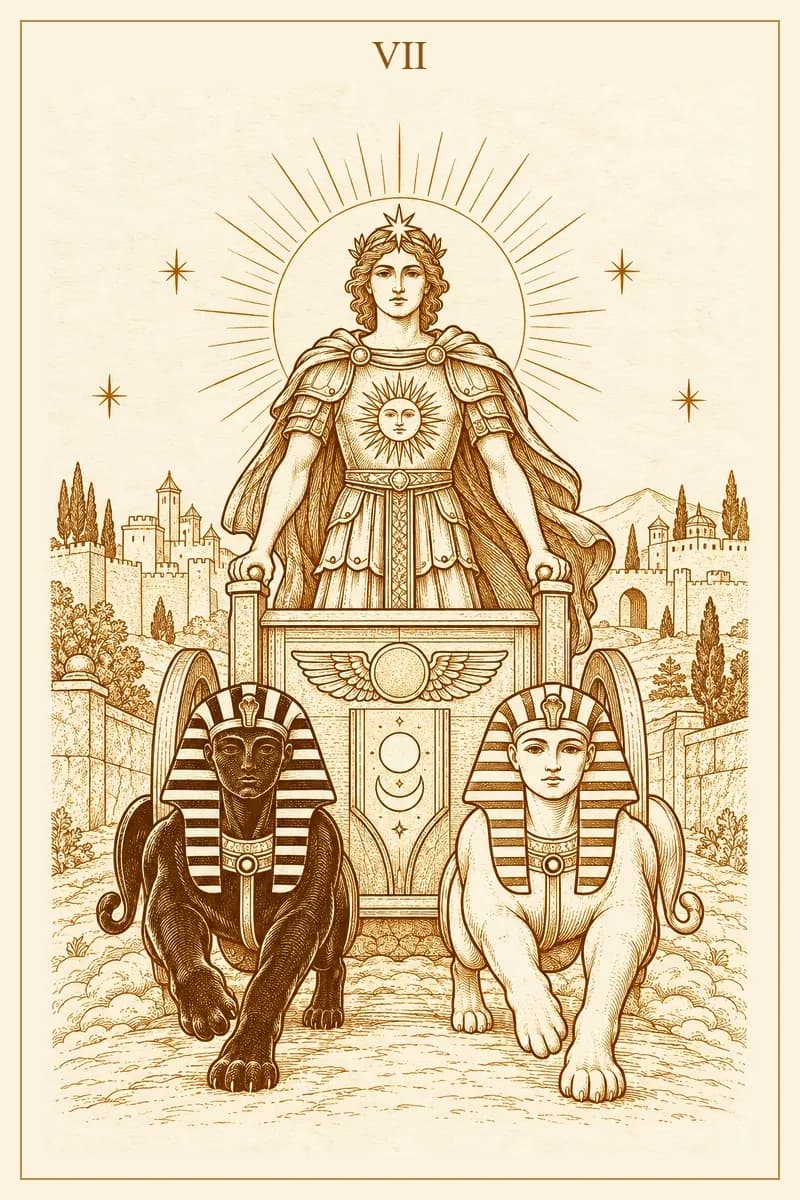
Driven introspection
Meaning of The Chariot and The Hermit Combination: Driven Inward
Disciplined stillness
Meaning of The Chariot and Four of Swords Combination: Strategic Rest
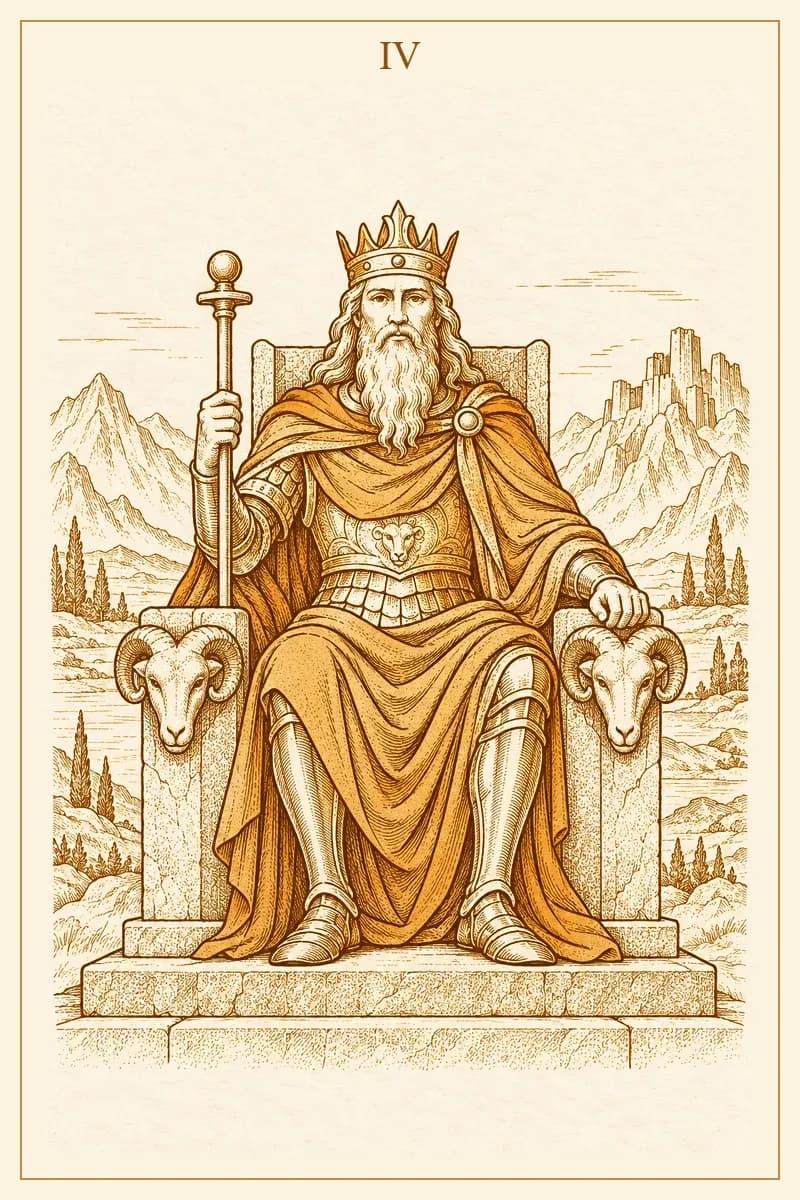
Outer vs inner authority
Meaning of The Emperor and The Hermit Combination: Command Meets Solitude
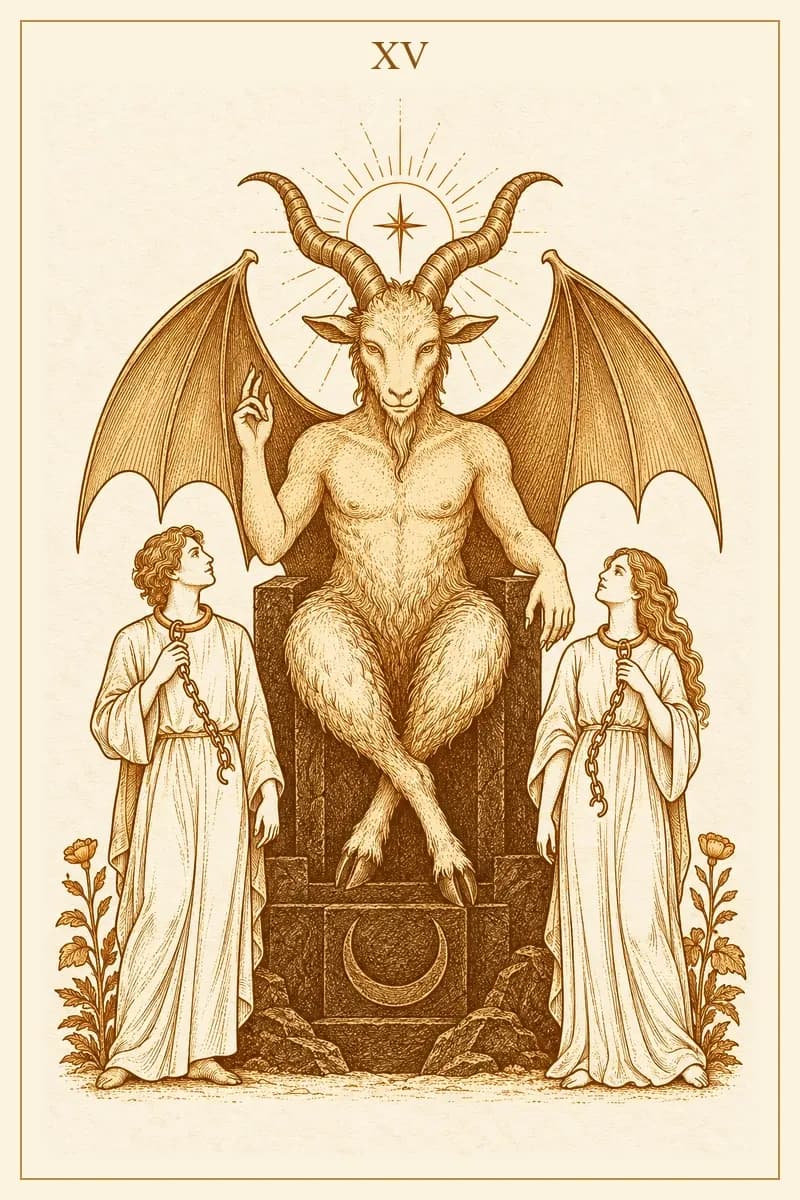
Conscious confinement
Meaning of The Devil and Four of Swords Combination: Captivity Needs Rest
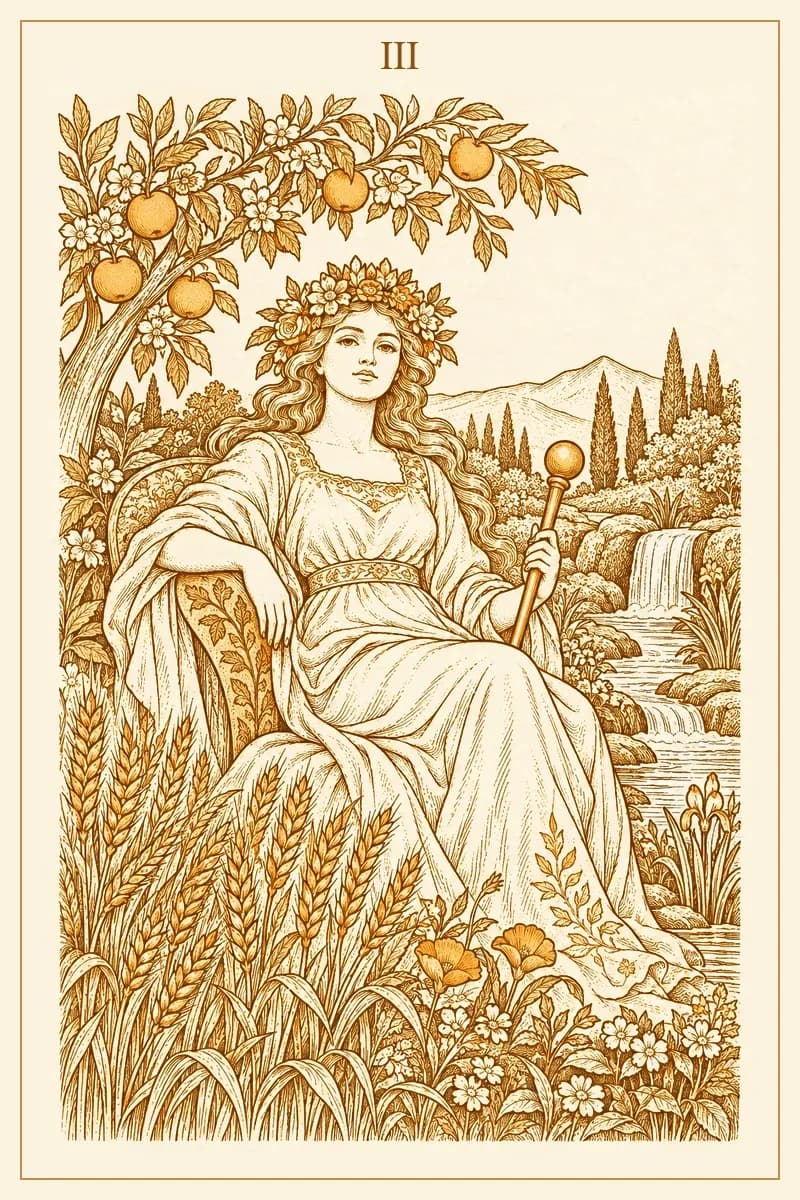
Abundance meets withdrawal
Meaning of The Empress and The Hermit Combination: Abundance Meets Solitude
Strategic retreat
Meaning of The Emperor and Four of Swords Combination: Strength in Stillness
✦ Bring it to the cards ✦
Bring The Hermit and Four of Swords into your own reading
Use this pairing as a starting point, then let a spread listen to the situation that is actually yours.
Begin a contextual reading