
Card Combination
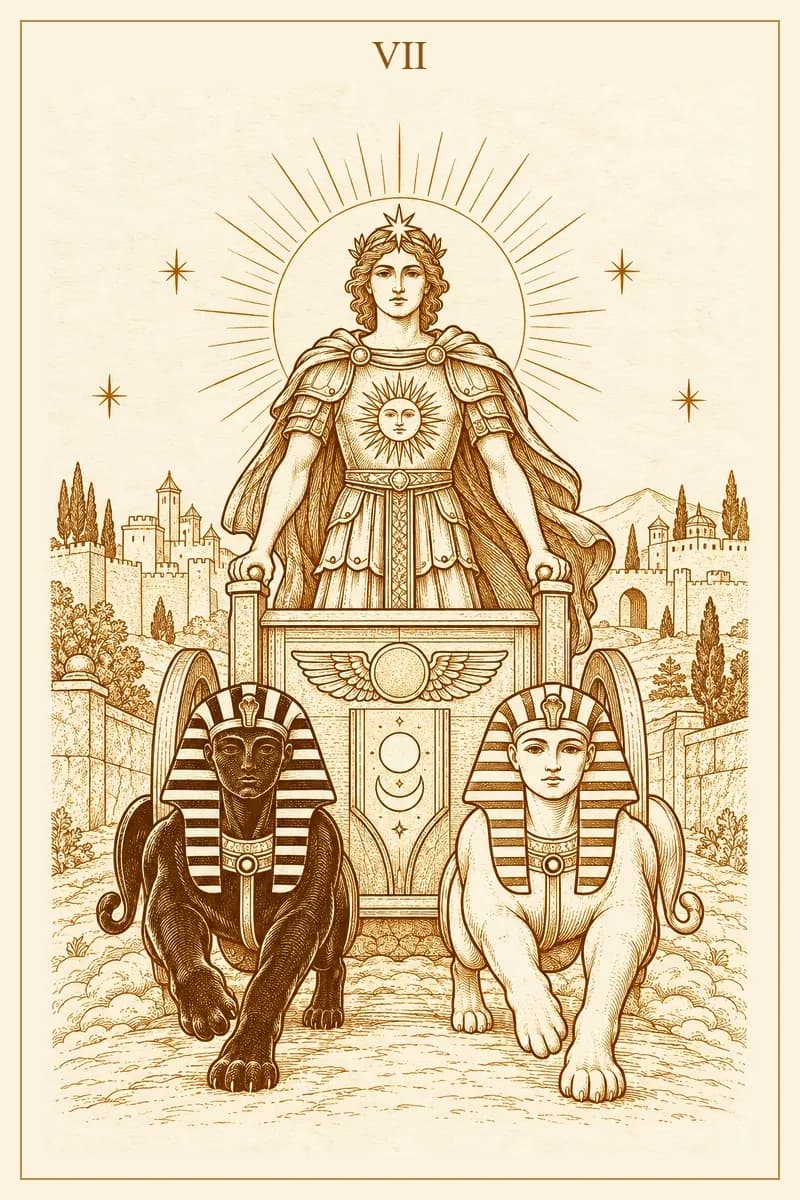
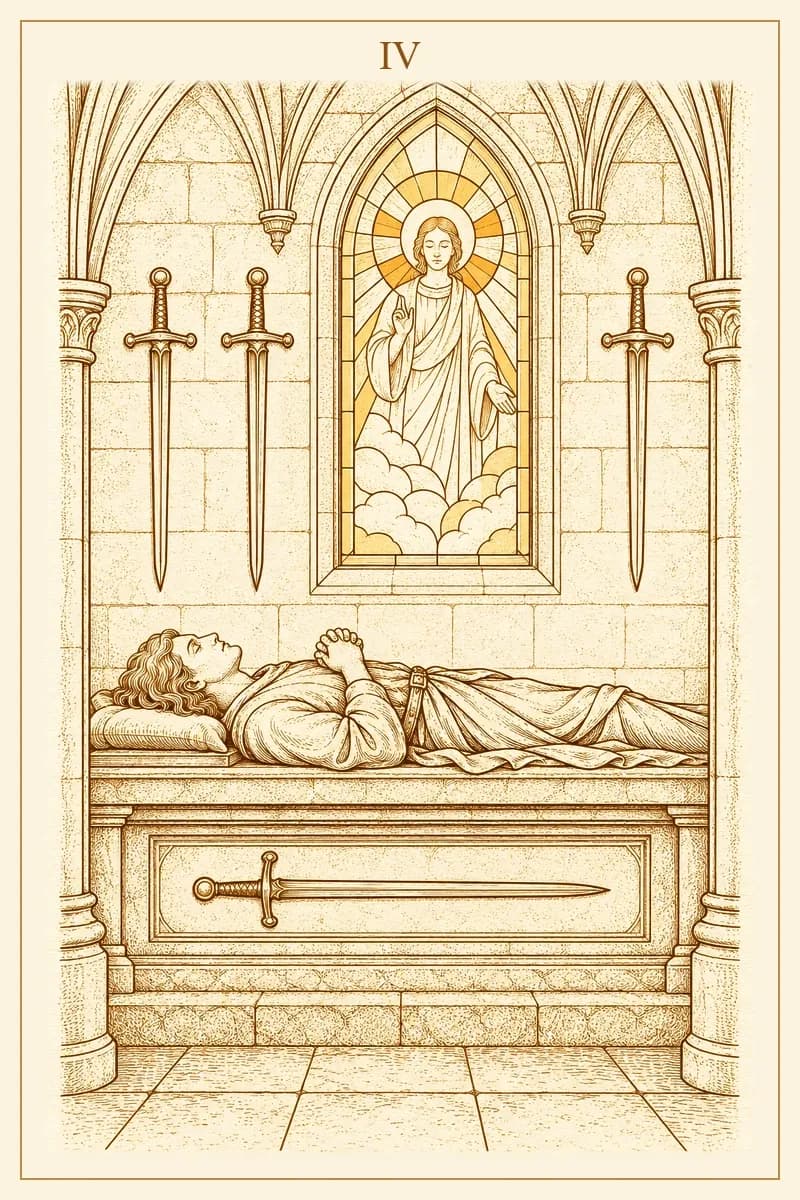
Meaning of The Chariot and Four of Swords Combination: Strategic Rest
Disciplined stillness
Every serious athlete knows the week before the race is not about running harder. It is about running less — letting the body absorb what it has already been given, trusting that the work is done, and arriving at the starting line intact rather than depleted. The coach who cannot enforce a taper is not a strategist. The athlete who cannot accept rest is not disciplined. They are compulsive.
That tension — between the will to push and the wisdom to pause — is precisely what lands on the table when these two cards appear in the same reading. One card is pure forward velocity. The other is a figure laid horizontal, sword put down, eyes closed. They seem to contradict each other. They do not.
What they describe is a form of mastery most people only discover the hard way: that knowing when to stop is the same skill as knowing when to go, and that choosing rest from a position of strength is something entirely different from collapsing because you had no choice.
The Core Tension
Sports physiology offers an instructive framework. Overtraining syndrome does not look like laziness. It looks exactly like drive — a person who keeps showing up, keeps pushing, refuses to scale back — until the body or mind stages a forced shutdown. Performance drops. Decisions deteriorate. What reads as dedication is actually the refusal to acknowledge limits.
The Chariot is not immune to this. Its willpower and self-mastery are genuine assets, but the card does not come with a built-in off switch. Left untempered, the Chariot's energy becomes grinding, white-knuckling its way through fatigue because stopping feels like surrender.
Four of Swords is not surrender. It is the athlete's taper week, the surgeon's required rest period before a complex procedure, the chess player who steps back from the board to see the position clearly. Stillness here is tactical. The tension in this pairing is whether the person with their hands on the reins can let go of them long enough to lie down — and whether they can do it before the choice is made for them.
Love & Relationships
In romantic readings, this combination often surfaces when one person in a relationship has been working very hard — at the relationship itself, or at life in general — and the question is whether they can accept a period of lower intensity without reading it as failure or abandonment.
The Chariot as a relational energy can be devoted and protective, but it can also make a partner feel like they are in a campaign rather than a connection. Every problem gets solved, every obstacle gets overcome — but there is never a quiet Sunday. The Four of Swords asks: what happens if you just sit together without an agenda?
For those not currently in a relationship, this pairing may indicate that the pursuit of love has become relentless in a way that is actually working against connection. Strategic withdrawal — not giving up, but deliberately slowing down to let something develop at its own pace — may be precisely what is needed.
Career & Purpose
Professionally, the Chariot and Four of Swords together frequently mark a moment when someone who has been running at full capacity for an extended period is being asked — by circumstance, by their body, by a mentor, or by their own exhaustion — to stop and recover.
The risk here is treating rest as something that must be earned or justified. High-output people often experience downtime as guilt rather than medicine. But recovery is not the absence of work. It is work of a different kind: integration, reflection, the consolidation of gains.
If you are managing a team, this combination is a signal to look at who around you is running on fumes. Sustainable output requires deliberate recovery cycles, and the leader who models that is building something that lasts. The one who models relentless grinding is building something that will break.
Shadow Side
The shadow of this pairing operates in two directions. On the Chariot side, the shadow is the leader who interprets rest as weakness and keeps demanding movement from a system — themselves or others — that is already past its limit. The result is not power. It is brittleness.
On the Four of Swords side, the shadow is the rest that becomes permanent retreat. Recuperation that extends into avoidance. The sword laid down not as a tactical pause but as a quiet, indefinite surrender dressed up as self-care. The line between recovery and hiding is worth examining honestly.
The healthy version of this combination knows the difference. It chooses rest deliberately, with a clear intention to return — and it returns when the restoration is complete, not before.
Action Steps
- 1Identify the one area of your life where you have been pushing hardest, and schedule a genuine pause of at least one full day with no output expected of yourself.
- 2Distinguish between exhaustion-driven stopping and strategy-driven stopping — the feeling in your body is different, and it is worth learning to tell them apart.
- 3Before resuming any major effort, write down what you actually want to accomplish and why, so when you re-engage, you are steering rather than just accelerating.
Related Pairings
Continue through published pairings that share The Chariot or Four of Swords.
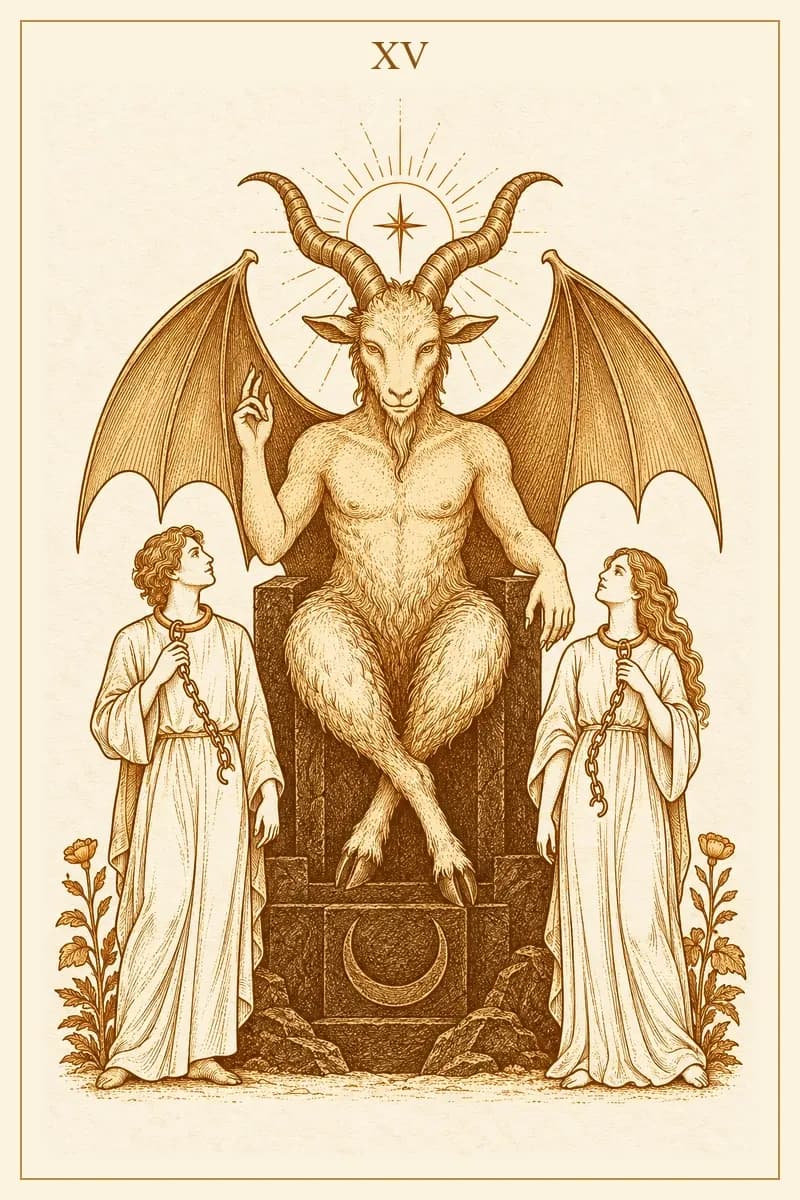
Ambition vs obsession
Meaning of The Chariot and The Devil Combination: Ambition in Chains
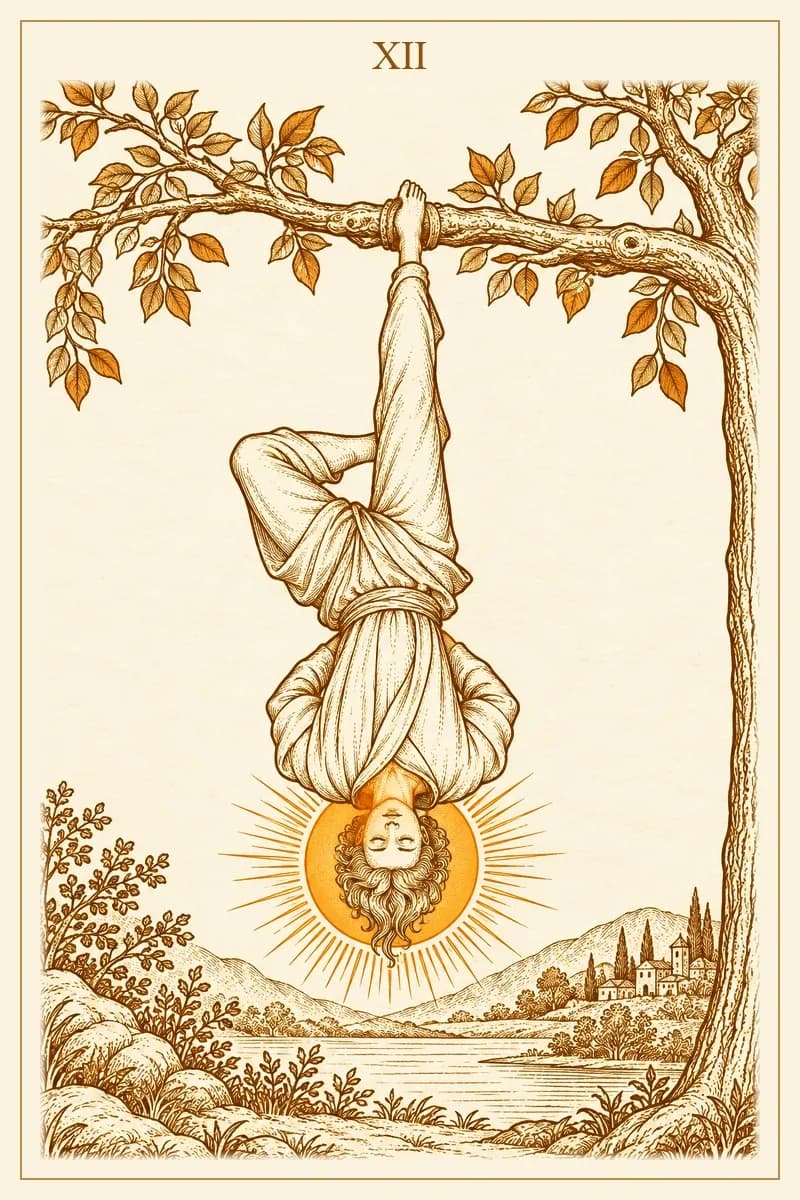
Momentum versus surrender
Meaning of The Chariot and The Hanged Man Combination: Momentum Meets Stillness
Conscious confinement
Meaning of The Devil and Four of Swords Combination: Captivity Needs Rest
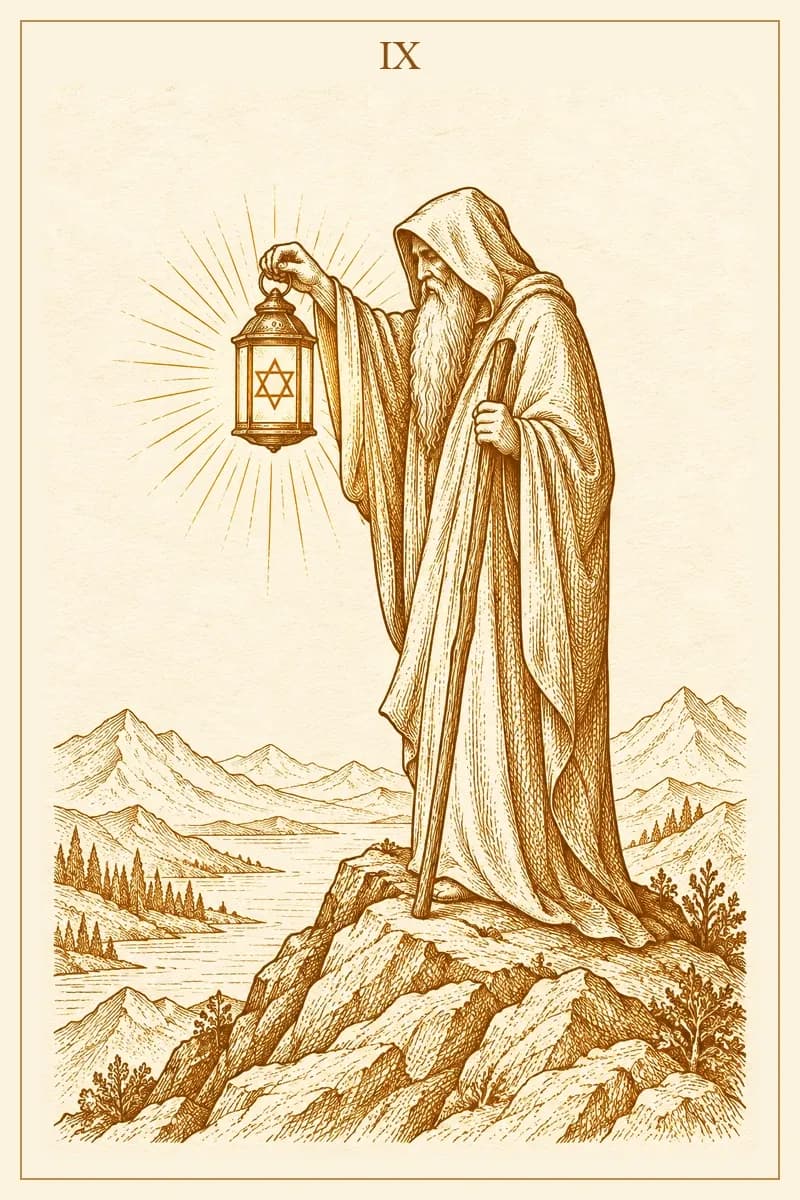
Driven introspection
Meaning of The Chariot and The Hermit Combination: Driven Inward
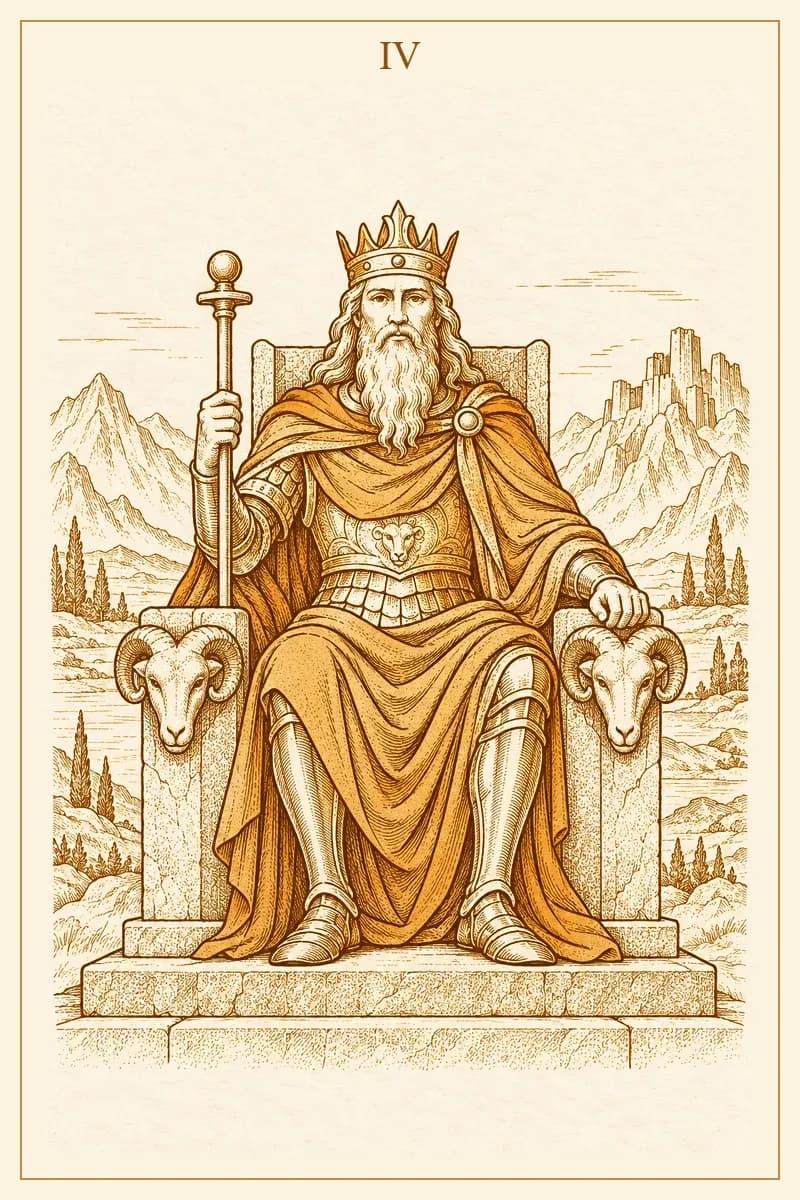
Strategic retreat
Meaning of The Emperor and Four of Swords Combination: Strength in Stillness

Willpower versus illusion
Meaning of The Chariot and The Moon Combination: Battle in the Fog
✦ Bring it to the cards ✦
Bring The Chariot and Four of Swords into your own reading
Use this pairing as a starting point, then let a spread listen to the situation that is actually yours.
Begin a contextual reading