Loading your view
The page is gathering the latest information.
The page is gathering the latest information.
Chosen Surrender
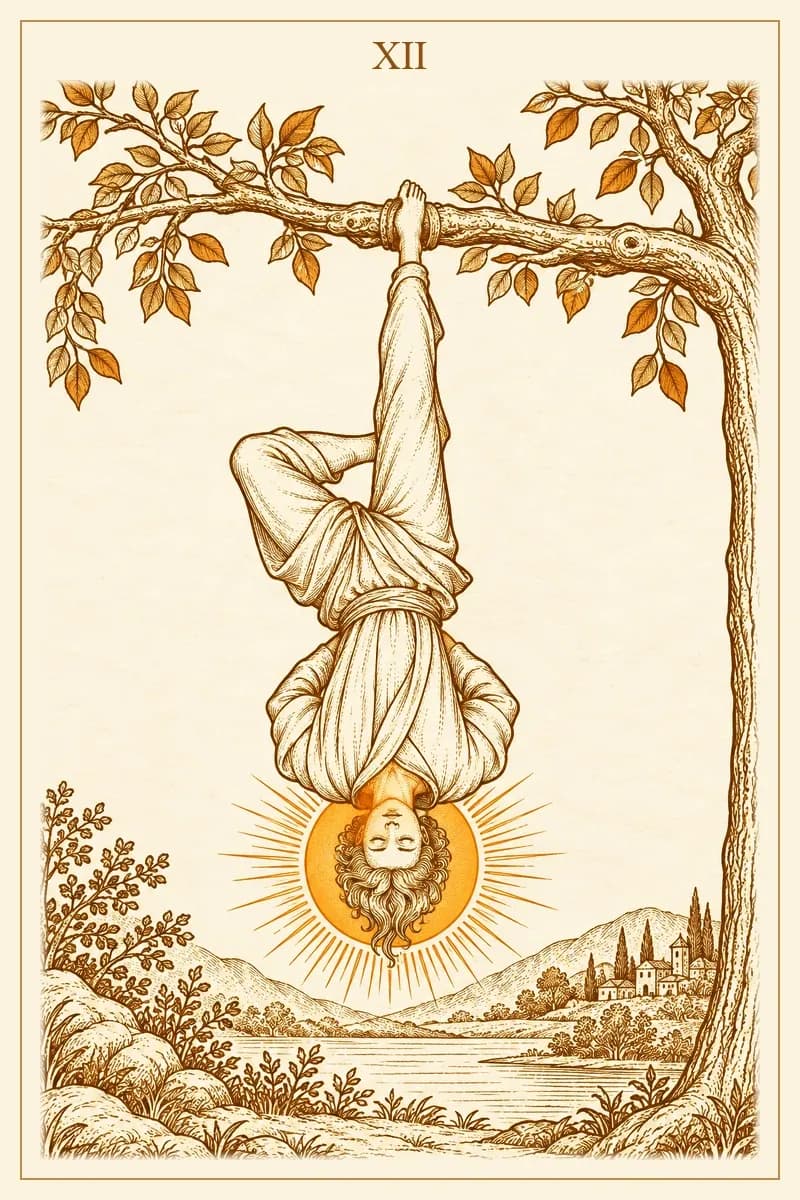
The tree does not grieve its leaves. What looks like loss from the ground — the slow yellowing, the letting go, the bare branches exposed to a sky that offers no warmth — is actually the tree completing a cycle it chose to enter. This is the peculiar logic of The Hanged Man beside Death: the surrender came first, deliberately, and the ending that follows is not ambush but arrival.
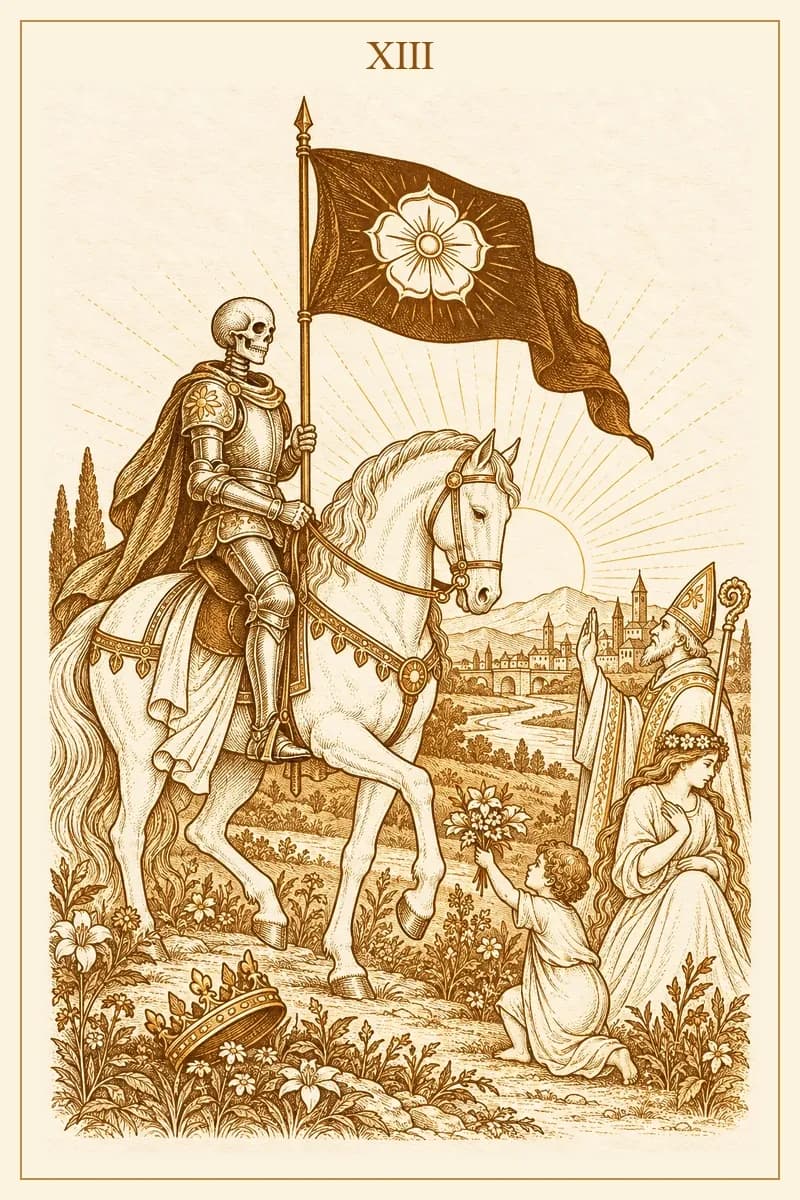
Most people fear Death in the tarot because they misread its nature. Death is not the executioner; it is the season's turn. And The Hanged Man has been hanging there, suspended and still, precisely so that when the wheel turns, he is already released from the grip of what was. He prepared for this. The pause was not passive waiting — it was active divestment, the slow loosening of every attachment that would make the ending unbearable.
When these two cards share a reading, what is ending was already half-released. And what is beginning has been forming in the silence of that suspension, invisible to everyone — including you — until the moment the ground shifts and the shape of it finally becomes clear.
The Hanged Man exists in the in-between: neither acting nor retreating, neither committed nor departed. Death refuses the in-between — it moves, it concludes, it transforms without apology. The tension between them is the tension between the gift of stillness and the demand of momentum.
Staying suspended when Death arrives is no longer an option. The question is not whether the ending comes — it does — but whether you arrive at it having processed what the suspension was teaching, or whether you are dragged into change still clutching the old life with both hands.
There is also a secondary tension: The Hanged Man's wisdom is often invisible to others. The person who has chosen to pause, to reconsider, to release is frequently misread as someone who has given up or lost direction. When Death then arrives and the external life shifts dramatically, those observers may mistake the transformation for collapse. What looks like a tree stripped bare is actually a tree preparing to bloom.
In relationships, this combination arrives at the end of a long internal reckoning. Someone — likely you — has spent months suspended in ambivalence: neither fully in nor fully out, holding the relationship with loosening fingers while still unable to release it completely. Death now signals that the period of suspension has reached its natural conclusion.
This does not always mean the relationship ends. Sometimes what ends is a particular version of the relationship — a dynamic that no longer serves, a role one person has been playing without signing up for it, a silence that both parties have maintained past the point of usefulness. The Hanged Man's gift is that the grief for that ending was already done in the quiet. What arrives now feels less like rupture and more like resolution.
For those beginning to date, this pairing suggests you are moving toward connection from a significantly different internal place than you were before. The previous experience — whatever it was — has already done its work on you. Arrive honestly.
Professionally, The Hanged Man and Death together frequently mark the end of a period in which you have been reconsidering your entire relationship to work itself. Not a single job, but the deeper architecture: what you believe work is for, what you are willing to trade for security, what you have been calling ambition when it might more accurately be called habit.
The transition that follows may look external — a role ends, a project concludes, an industry shifts — but the real change happened earlier, internally, during the suspension. If you have been genuinely using the pause to reconsider rather than simply to avoid, you will step into whatever comes next with unusual clarity about what you actually want.
If you have been avoiding more than reconsidering, Death will still arrive. The external change will happen regardless. But you will carry more into the new phase than you need to.
The shadow of this pairing is manufactured suffering. The Hanged Man can become addicted to the posture of surrender without doing the actual work of releasing. Death can become an anticipated catastrophe that keeps someone in permanent bracing rather than genuine preparation.
Watch for the pattern of enjoying the identity of someone in transition without completing the transition. And watch for the opposite: moving so quickly through an ending that the lesson the suspension was carrying gets buried in the momentum of what comes next. Both cards are asking for consciousness, not performance.
Keep or share this combination reference
Continue through published pairings that share The Hanged Man or Death.
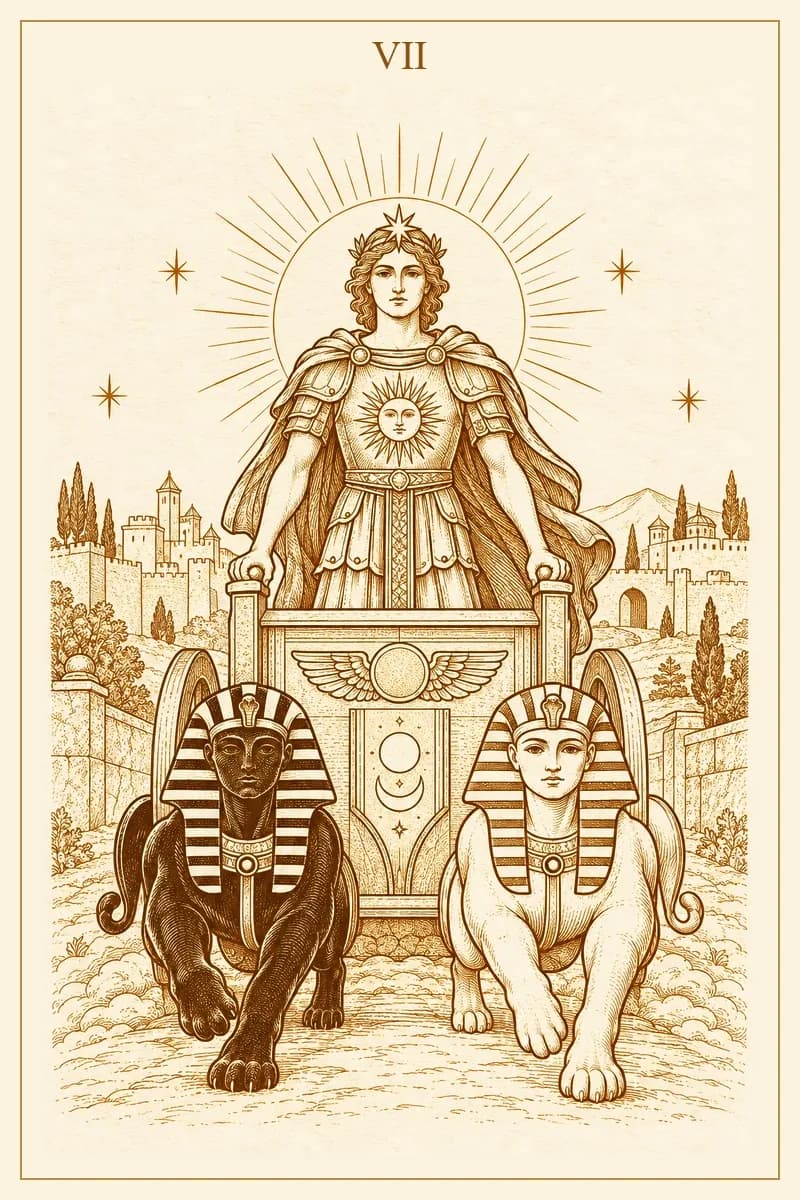
momentum versus surrender
driven transformation
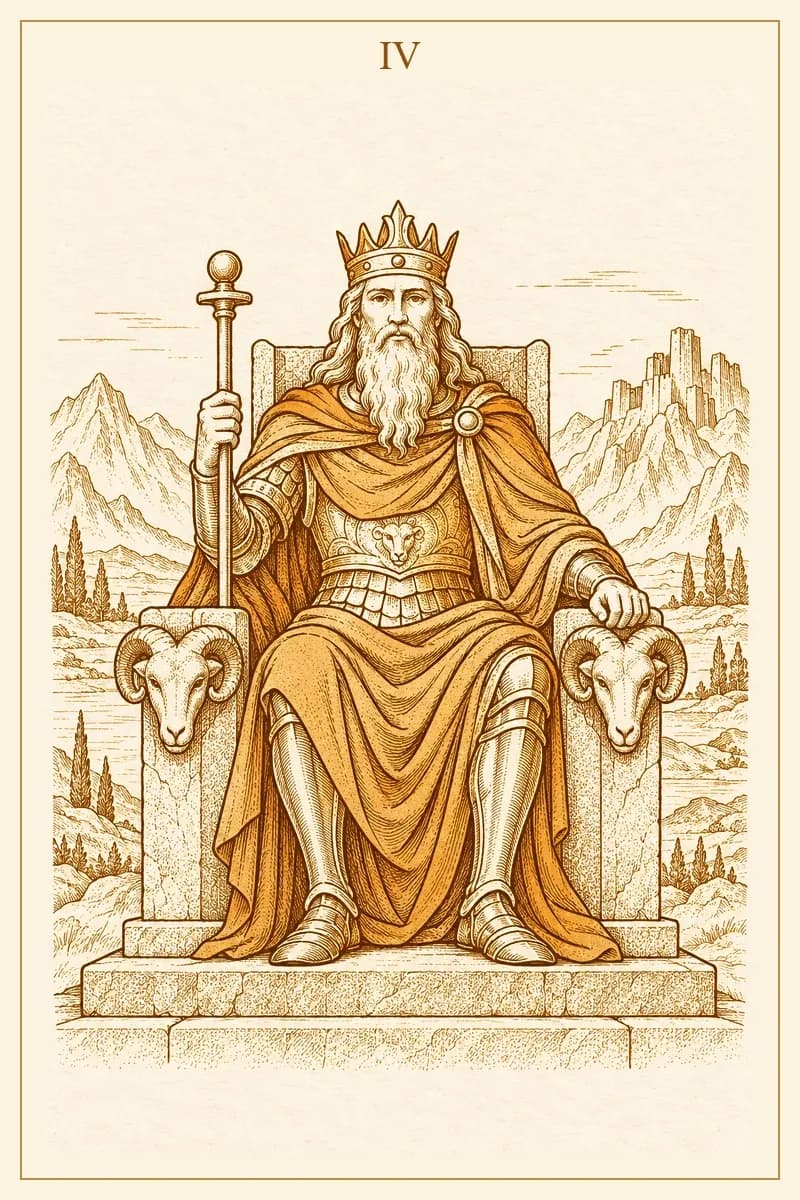
control vs release
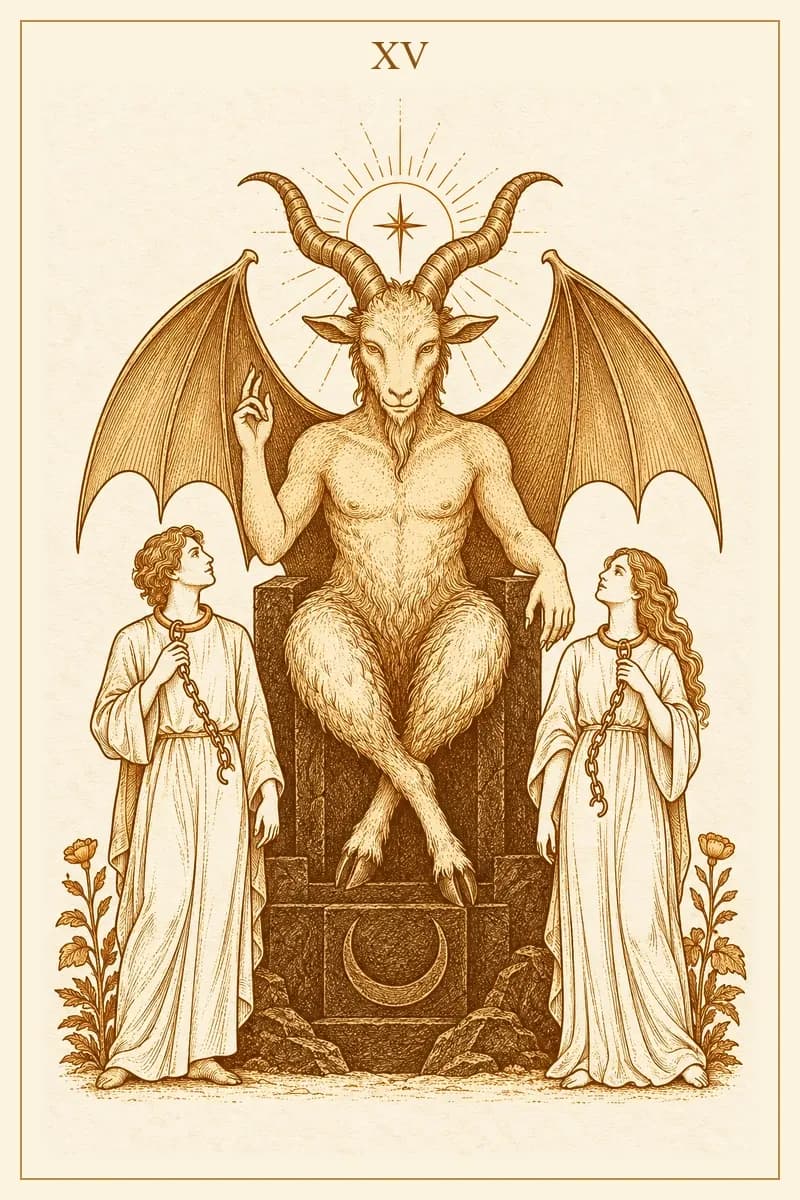
Forced Liberation
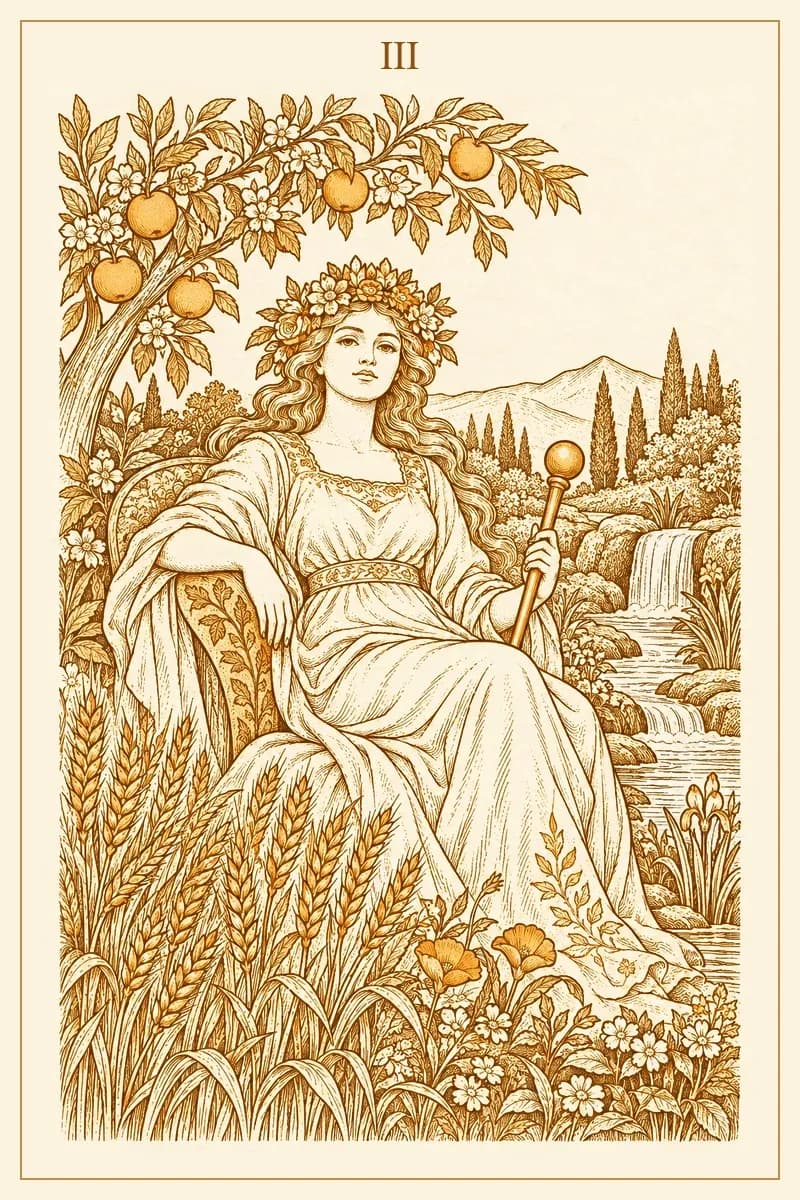
fertile suspension
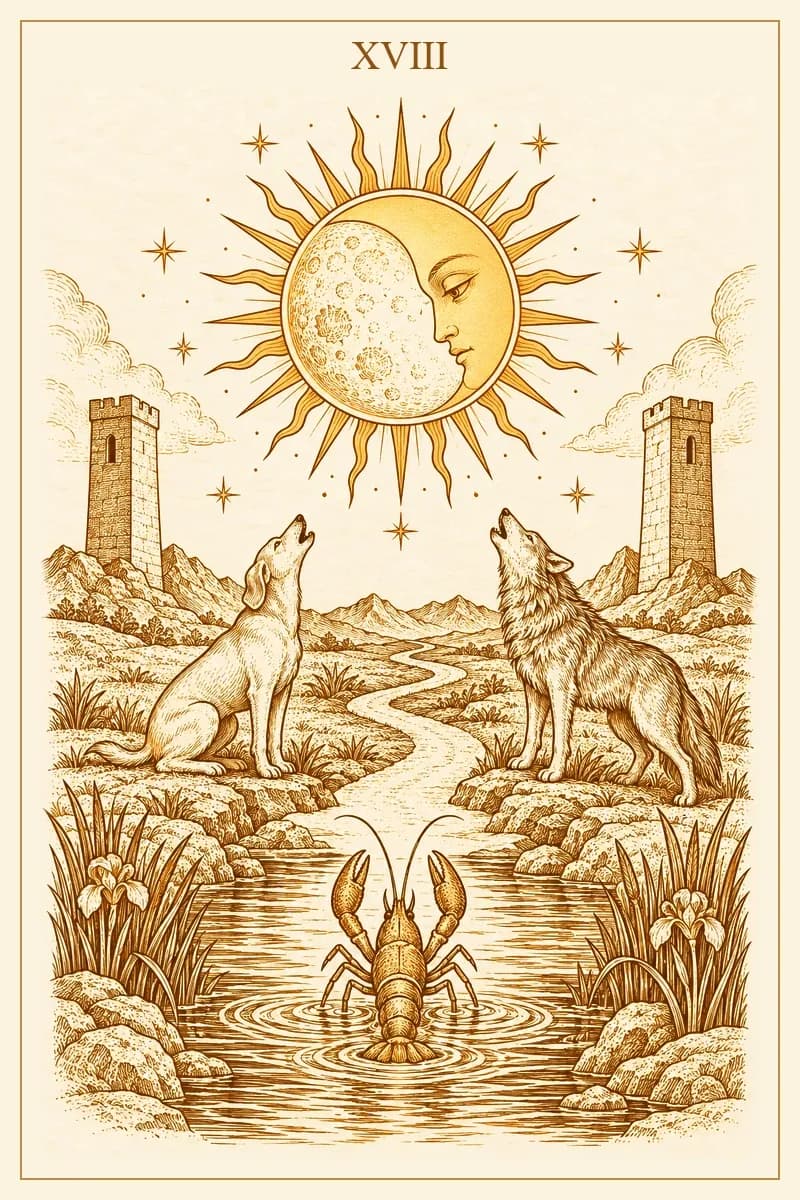
Hidden Transformation
✦ Bring it to the cards ✦
Use this pairing as a starting point, then let a spread listen to the situation that is actually yours.
Begin a contextual reading