Loading your view
The page is gathering the latest information.
The page is gathering the latest information.
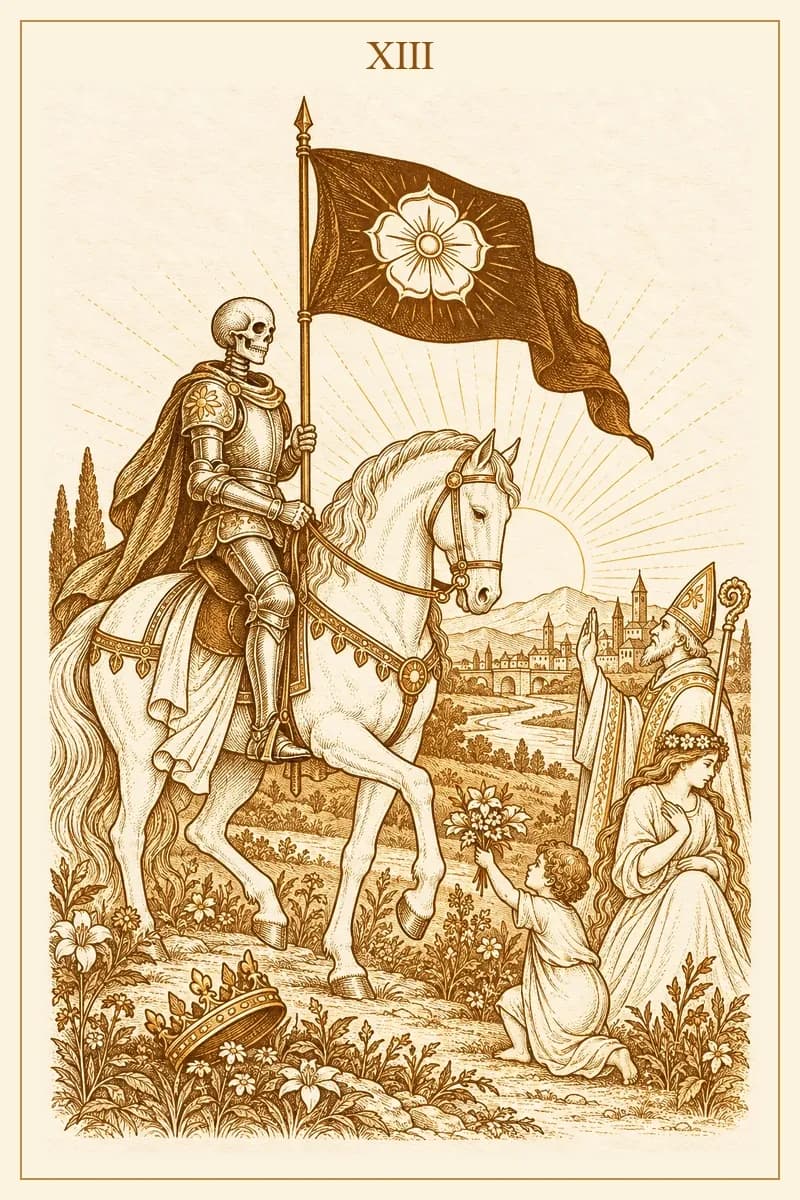
The card shown is VeilSoul's own engraved drawing of the 1909 Waite–Smith card. The scene and symbols described on this page follow the 1909 card, so a few details are drawn differently in our deck.
Death rides a white horse through a field where a king has already fallen, a bishop pleads, and a young maiden turns away — but a child offers flowers with innocent curiosity. In the background, the sun rises between two towers. This is not only an ending. It is a sunrise disguised as a sunset.
When Death appears upright, a significant chapter of your life is closing — permanently. A relationship, a job, a belief, an identity, a way of living. Whatever it is, it has run its course, and no amount of effort will revive it. The card does not ask whether you want this ending; it tells you the ending is already here. Your only choice is how you respond.
This is the most feared and most misunderstood card in the tarot. It almost never indicates physical death. What it invariably indicates is transformation — the kind that requires something old to die so something new can be born. The caterpillar does not improve itself into a butterfly; it dissolves entirely and reconstitutes itself as something unrecognizable from its former state.
Death's deepest teaching is that attachment to what was prevents you from receiving what could be. The tighter you grip the past, the more you suffer. Release is not loss — it is the precondition for rebirth.
Something is ending — not as tragedy but as necessity. The part of you that is dying served its purpose; insisting it stay alive is the real loss.
You destroy compulsively, mistaking annihilation for transformation (excess), or you cling to what has already died, preserving a corpse and calling it loyalty (deficiency).
Detailed Interpretations
Death in a love reading does not mean the end of love itself — it means the end of a form that love has taken. A relationship may be ending, but a deeper connection may be beginning. A dynamic that defined your partnership may be dissolving, making room for something more authentic.
If you are going through a breakup, Death validates the finality of it. This is not a temporary separation; it is a completed cycle. Grieve what was, but do not try to resurrect it. The next love that enters your life will require the space that this ending creates.
For couples, Death can signal the transformation of the relationship itself — shedding old patterns, releasing outdated roles, or transitioning from one phase (dating, newlywed, young parents) to another. This transition may feel like loss, but it is actually evolution. Allow the old version of your relationship to die gracefully so the new one can be born.
In love reversed, Death indicates clinging to a relationship that is already over — or refusing to let a relationship evolve into its next form. You may be trying to keep things the way they were when both you and your partner have changed. Alternatively, you may be stuck in grief over a past relationship, unable to make space for new love. The reversed Death in love asks whether you are preserving something that still has life in it, or whether you are performing preservation on something that has already gone. If you are honest with yourself, you already know which it is — and the reversal asks you to act on that knowledge rather than postponing it further.
Professionally, Death indicates a decisive career transition. A job may end. A business may close. An entire career path may become obsolete. This card does not soften the blow — it says the ending is real, and clinging to what was will only prolong the pain.
But look at the sunrise in the background. What comes after this ending can be better than what came before — provided you are willing to let the old identity die. If you have defined yourself by your title, your company, or your industry, this card challenges you to find out who you are without those labels.
Death in career can also represent a voluntary transformation — choosing to leave a successful but unfulfilling path in order to pursue something that aligns with your evolving values. This requires courage, but the rebirth on the other side is worth the temporary uncertainty. Trust that ending well is its own form of professional integrity.
Career-wise, reversed Death means you are resisting a professional transition that is already inevitable. The industry is changing, the role is disappearing, or the organization is moving in a direction that no longer includes you. Fighting it drains energy that would be better spent preparing for what comes next. The longer you cling to a professional identity that no longer fits, the less energy you have available for the new one that is trying to emerge. Reversed Death in career is not about failing to see the ending — it is about seeing it clearly and refusing to let it happen. Release the grip. The next chapter cannot begin while you are still rewriting the last one.
Death in health readings should not be taken literally. It typically indicates the end of a health pattern — a chronic condition improving, a long treatment concluding, or a significant lifestyle change that transforms your relationship with your body.
This card can signal the death of unhealthy habits — the final, decisive break from a behavior pattern that has been undermining your wellbeing. Quitting smoking, ending an eating disorder cycle, leaving a toxic environment that was making you sick.
Mentally, Death represents the release of psychological patterns that no longer serve you — old traumas, outdated coping mechanisms, identities built around illness. The process of releasing these is not comfortable, but what emerges on the other side is a version of you that is more whole, more free, and more alive.
Use this as a reflective prompt, not medical advice or a diagnosis. For health concerns, seek guidance from a qualified healthcare professional.
Death reversed signals resistance to an ending that needs to happen. You are holding on — to a relationship that is over, to a job that has run its course, to an identity you have outgrown, to a way of thinking that no longer serves you. And this resistance is causing more suffering than the change itself would.
The reversed Death card is not saying the ending will not happen. It is saying you are delaying it, and the delay is making everything worse. What could be a clean, dignified transition is becoming a drawn-out, messy deterioration.
Alternatively, this reversal can indicate that a transformation is happening so slowly that you do not recognize it. Changes are underway beneath the surface, but they have not yet broken through into visible form. Be patient — but do not confuse slow change with no change.
Death reversed teaches that resistance to endings creates a living death — the slow suffocation of holding on to what is already gone. Every ending you refuse to grieve becomes a ghost that haunts your present, consuming the energy that should be flowing toward new life. The deepest lesson here is that transformation is not optional — it is the fundamental nature of existence. When you resist it, you do not prevent change; you only ensure that the change happens to you rather than through you. The reversed Death card asks you to become an active participant in the cycles of your own life — to grieve what needs grieving, release what needs releasing, and trust that what dies in service of growth always feeds what comes next.
Let go of one thing today that you know has outlived its purpose — a habit, a grudge, an expectation, a story you keep telling yourself about who you are. You do not need to make it dramatic. Simply acknowledge that it is finished, thank it for what it taught you, and set it down. The space you create will not stay empty for long. Death's deepest promise is that endings are not the opposite of beginnings — they are the necessary condition for them.
“I release what has run its course and welcome the rebirth that follows. Every ending is a doorway to something my current self cannot yet imagine.”
The card shown is VeilSoul's own engraved drawing of the 1909 Waite–Smith card. The scene and symbols described on this page follow the 1909 card, so a few details are drawn differently in our deck.
Death rides a pale white horse — the color of purity and the pale horse of the biblical Apocalypse. He wears black armor, signifying the invincible and impartial nature of transformation. The skeleton beneath represents what endures after all flesh has been stripped away: the essential, indestructible core.
The black banner bears a white five-petaled rose — the Mystic Rose, symbol of beauty, rebirth, and the unfolding of new life from apparent death. Five petals represent the five senses, reminding us that rebirth is a full-body experience.
Before Death, four figures respond differently: the fallen king represents worldly power that cannot escape change; the pleading bishop represents spiritual authority seeking negotiation with the inevitable; the maiden turns away in denial; and the child offers flowers with innocent acceptance. These four responses represent our own spectrum of reactions to transformation.
The rising sun between the two towers in the background is the card's most important symbol — the promise that dawn follows every night, and new life follows every death.
Thirteen is the number of transformation through destruction and renewal. Often feared superstitiously, it actually represents the necessary breakdown of old structures so that new life can emerge — the death that makes rebirth possible.
Keep or share this card reference
How Death reads beside other cards.
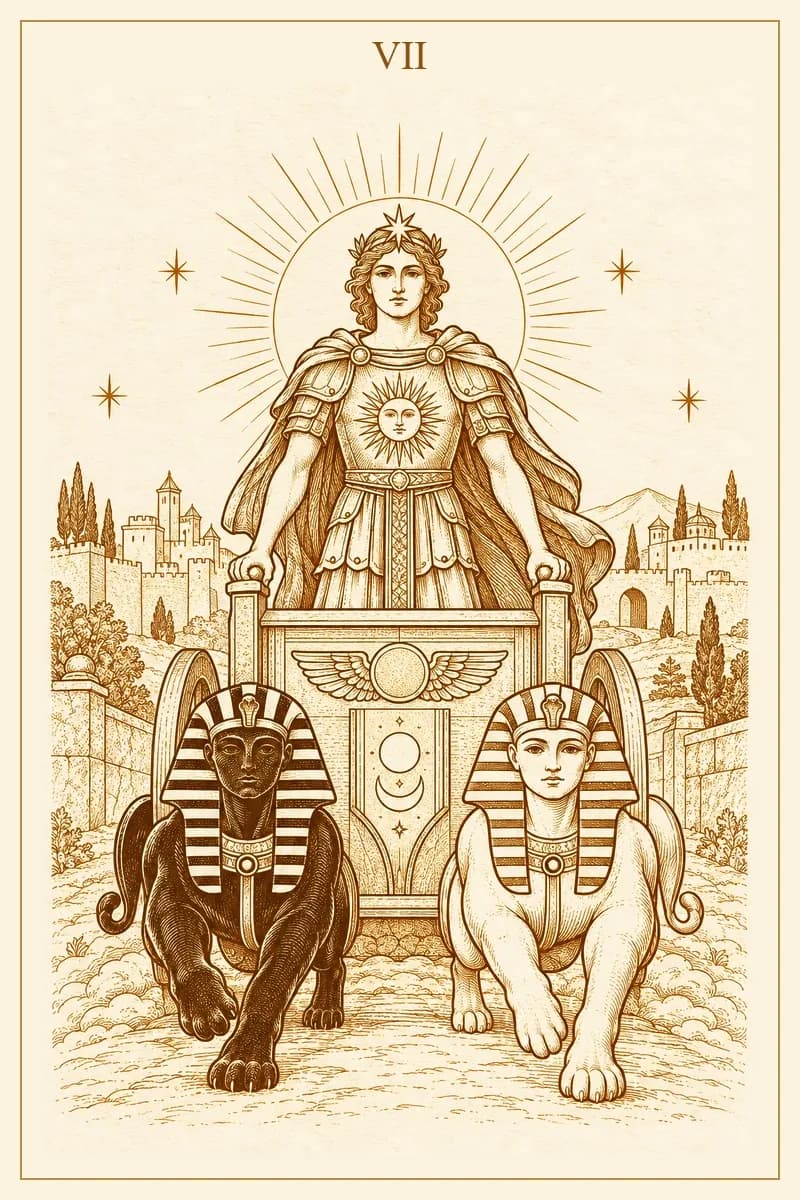
driven transformation
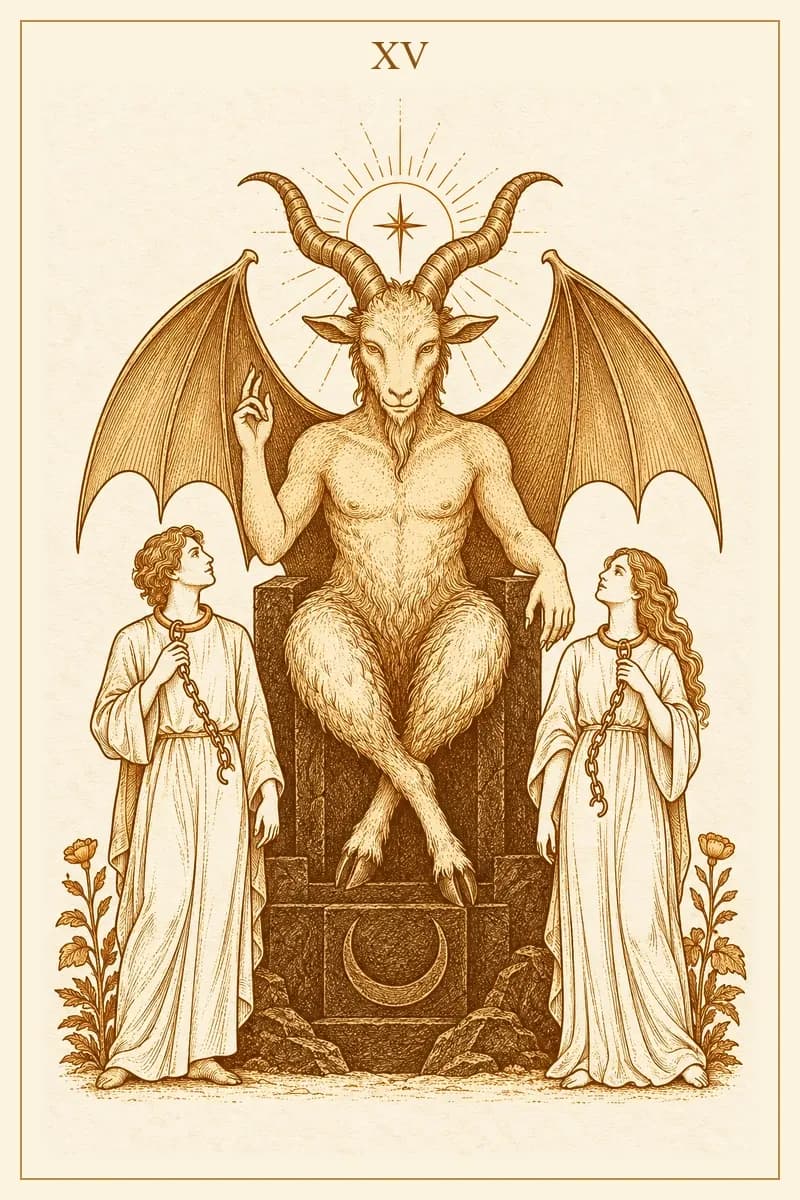
Forced Liberation
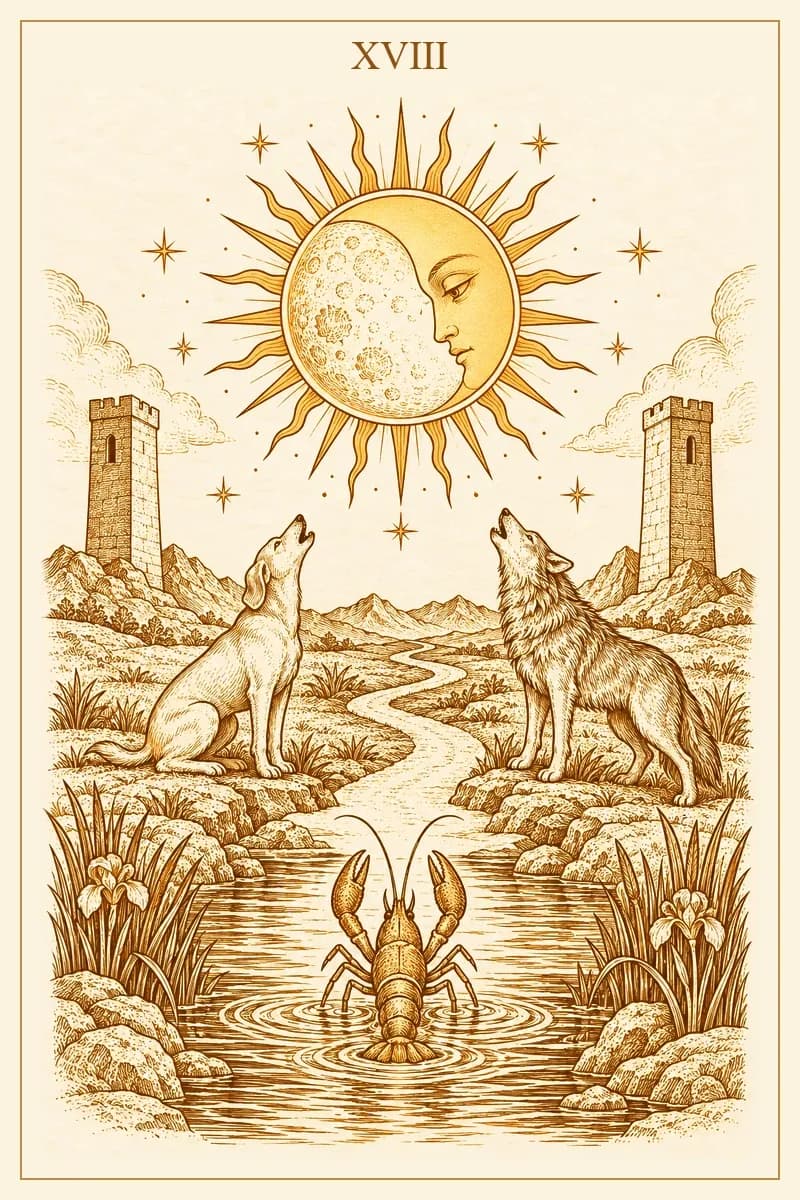
Hidden Transformation
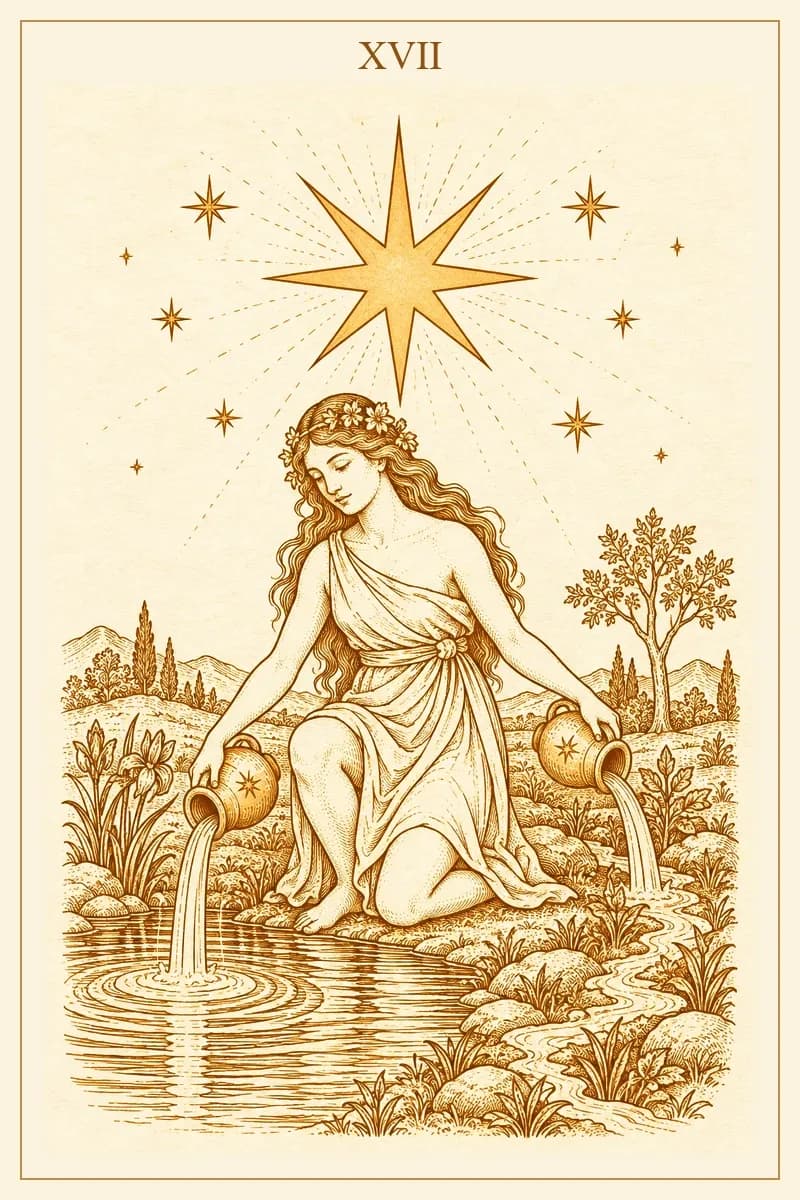
Radical Hope
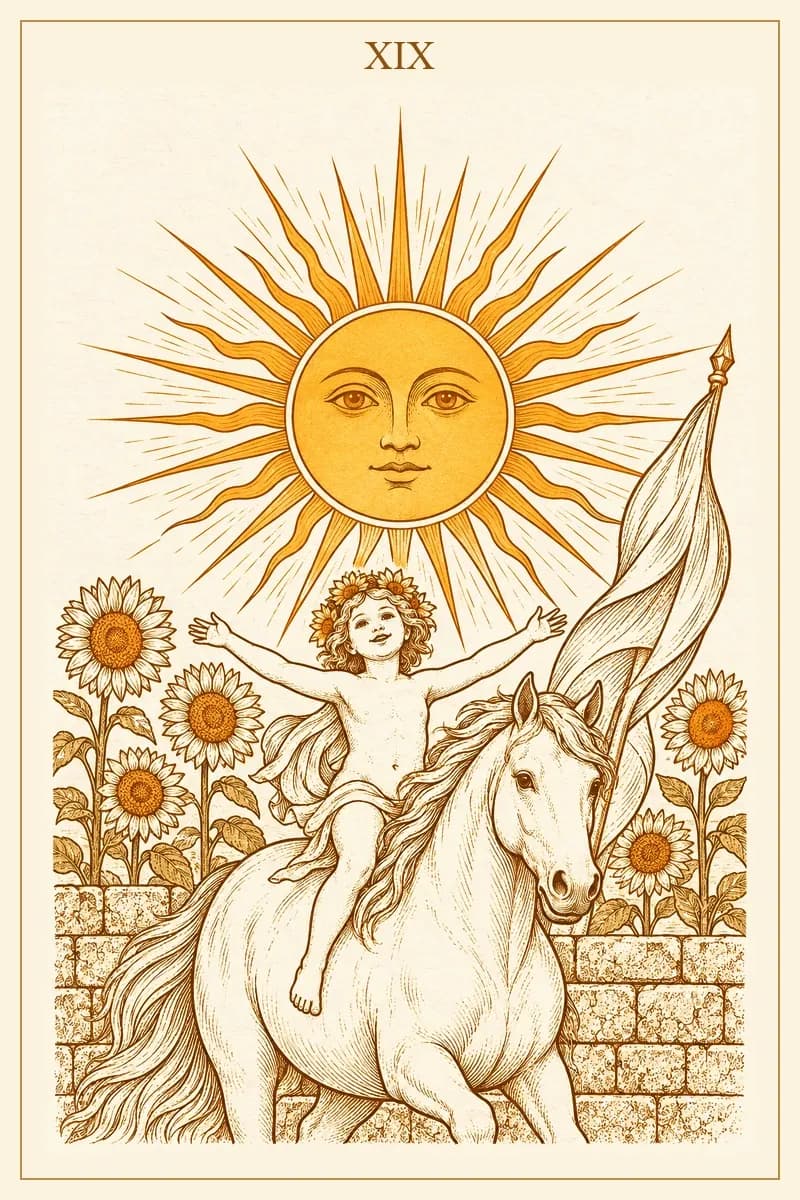
Joy After Loss
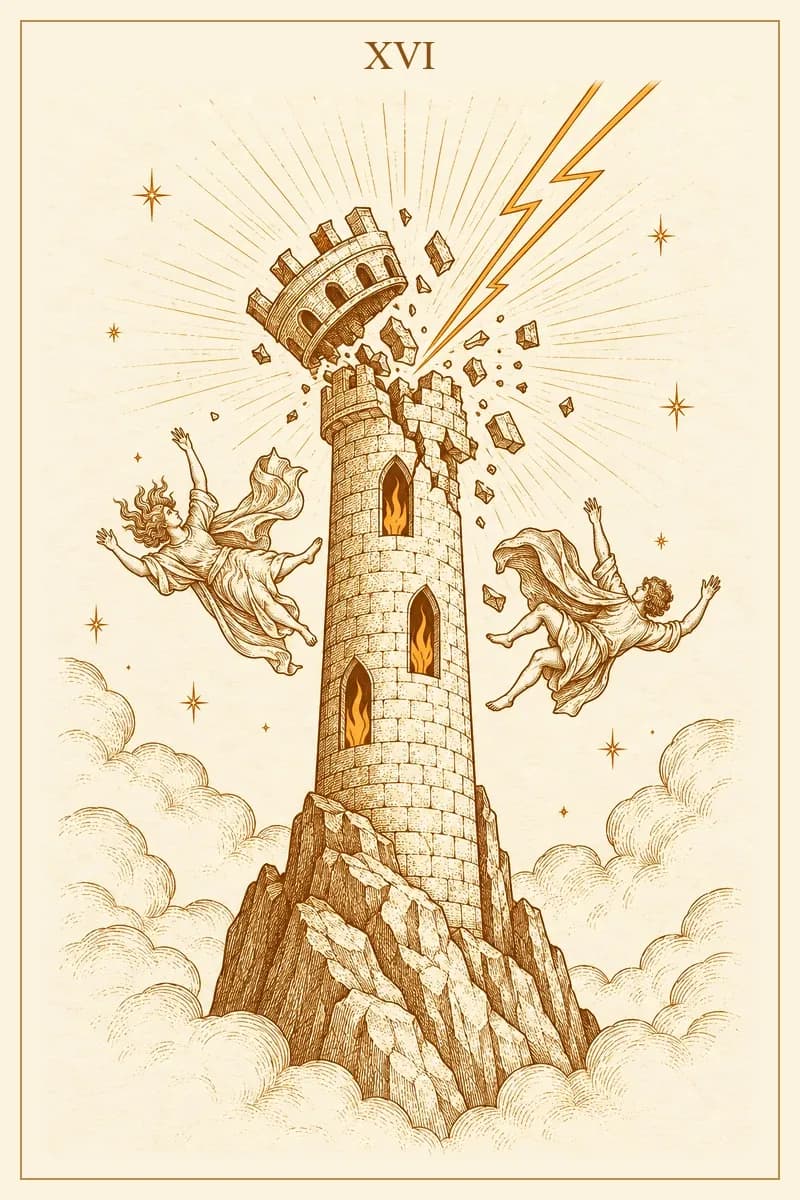
Forced Surrender
✦ From meaning to reflection ✦
Bring what this card stirred into a reading shaped around what you are facing now.
Read with this insight