Loading your view
The page is gathering the latest information.
The page is gathering the latest information.
creation and transformation
In late autumn, when the last warmth of the sun pulls the final color from leaves before they fall, you are watching both cards at once. The tree does not mourn. The soil does not grieve. What is ending and what is feeding the next beginning are not two separate events — they are the same event, seen from different positions in the cycle.
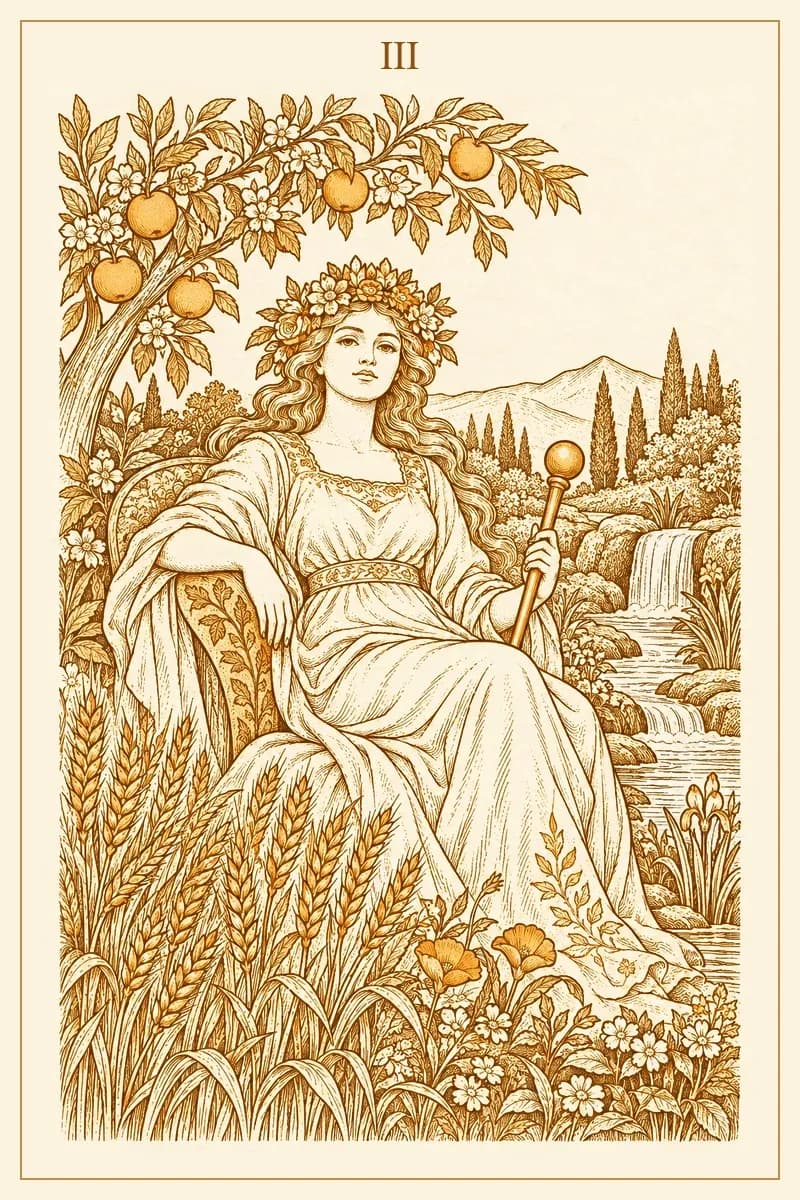
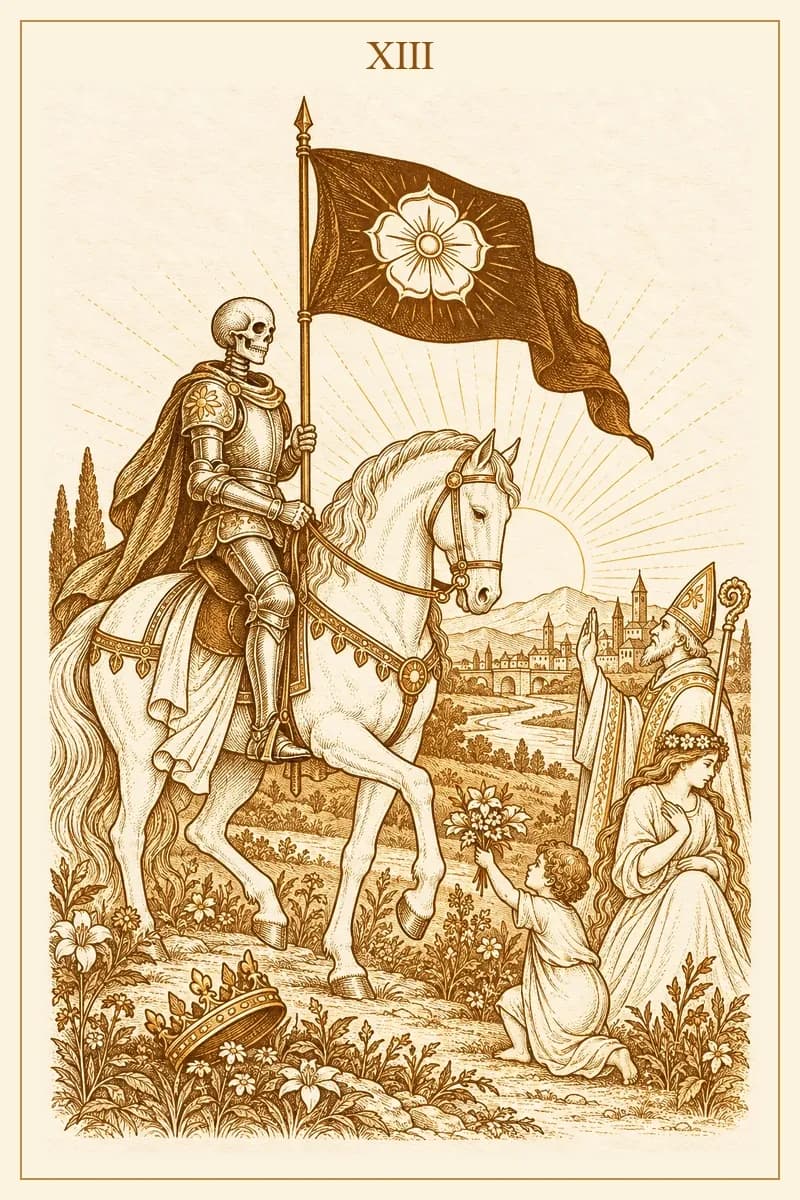
On paper, these two cards look like opposites. The Empress is life, warmth, fertility, the irrepressible drive to grow. Death is the end of form, the cessation of what was, the dissolution of what can no longer continue.
But nature does not experience them as opposites. The compost heap is not separate from the garden — it is the garden's next stage. The fallen tree is not the forest's enemy — it is the nurse log that feeds the next generation of growth. What makes this combination so significant is not the tension between its two cards but the revelation that there may be less tension than human psychology wants to believe.
The real tension here is between the natural cycle these two cards represent and the human resistance to participating in it fully.
The Empress wants to hold. She wants to nurture what she has created, protect what she has grown, keep the harvest intact. Death asks her to release — not because what she created lacked value, but because holding past its natural endpoint corrupts the thing that was once alive into something that merely occupies space.
Every forest fire makes this argument. Every winter makes this argument. The Earth does not need to be convinced. You do.
In romantic contexts, this combination appears at thresholds that feel unbearable precisely because they are real.
For relationships that have genuinely run their course, these two cards together make an honest case for release. The Empress energy in you will resist this — it invested, it built, it loved, and the idea of all that cultivation ending can feel like watching your own garden burn. But Death in this context is not the destroyer of love. It is the acknowledgment that this particular form of the relationship has completed its cycle.
Sometimes that means the relationship ends. Sometimes it means it transforms — from romance to friendship, from partnership to something without a name, from what it was into what it needs to become. The distinction between ending and transformation is important, and Death is precise about which one is being called for. Not all relationships that reach this card must terminate. But all of them must change.
For relationships that are genuinely alive and growing, this combination can appear as a reminder that growth requires ongoing release. The version of the relationship you are holding onto from six months ago is not the current one. Couples who do not allow their connection to die and be reborn periodically end up in a preserved relationship — technically intact, but no longer alive.
The seasonal shift applies: let what was last year's version of this relationship go, and discover what it becomes in the next season.
Professionally, this combination appears when the thing you built is either completed or has transformed past the point where it still serves the purpose it was created for.
A project, a business model, a professional identity, a creative direction — any of these can hit the moment when the Empress and Death appear together in the reading. What has been cultivated is real. What has been built has genuine value. And yet something about it has completed its cycle, and holding onto the current form is now the obstacle to what the next form wants to become.
The hardest version of this combination in professional life is when you have to dismantle something you built. Not because it failed, but because it succeeded completely and now its continuation would be its own diminishment. The successful project that should be closed out rather than extended. The team that accomplished its mission and would serve everyone better if dissolved and redistributed. The creative practice that needs to end in its current form for the artist to reach the next level.
Death is not telling you that your work had no value. It is telling you that the value has been fully expressed. Trying to continue past that point is how creators end up producing the same work for decades, wondering why it no longer resonates the way it once did.
The Empress grieves. Death does not. You will need to manage both responses in yourself.
The shadow of this combination belongs to those who romanticize transformation without actually undergoing it.
There is a version of "Death and the Empress" that looks like acceptance of change but is actually its performance. You speak the language of cycles and release. You understand intellectually that growth requires endings. You may even do the ceremony, the ritual release, the journaling about what you are letting go. And then nothing actually changes, because the letting go was performed rather than lived.
Death is specific. It requires that something actually ends — not symbolically, not on paper, not in the abstract narrative you construct about your life, but in the actual conditions of your actual relationships and actual work. If the ending has not occurred in material reality, the Empress cannot plant in the cleared ground.
The other shadow is grief that refuses movement. The Empress, wounded by repeated loss, can become someone who cannot let herself grow anything new because she knows how cycles end. This is the woman who cannot try again after loss, the creator who cannot begin a new project because the last one ended, the lover who cannot open because every opening eventually closes.
Both shadows mistake the cycle for the enemy. The cycle is the condition.
Keep or share this combination reference
Continue through published pairings that share The Empress or Death.
creative momentum
driven transformation
Bound abundance
Forced Liberation
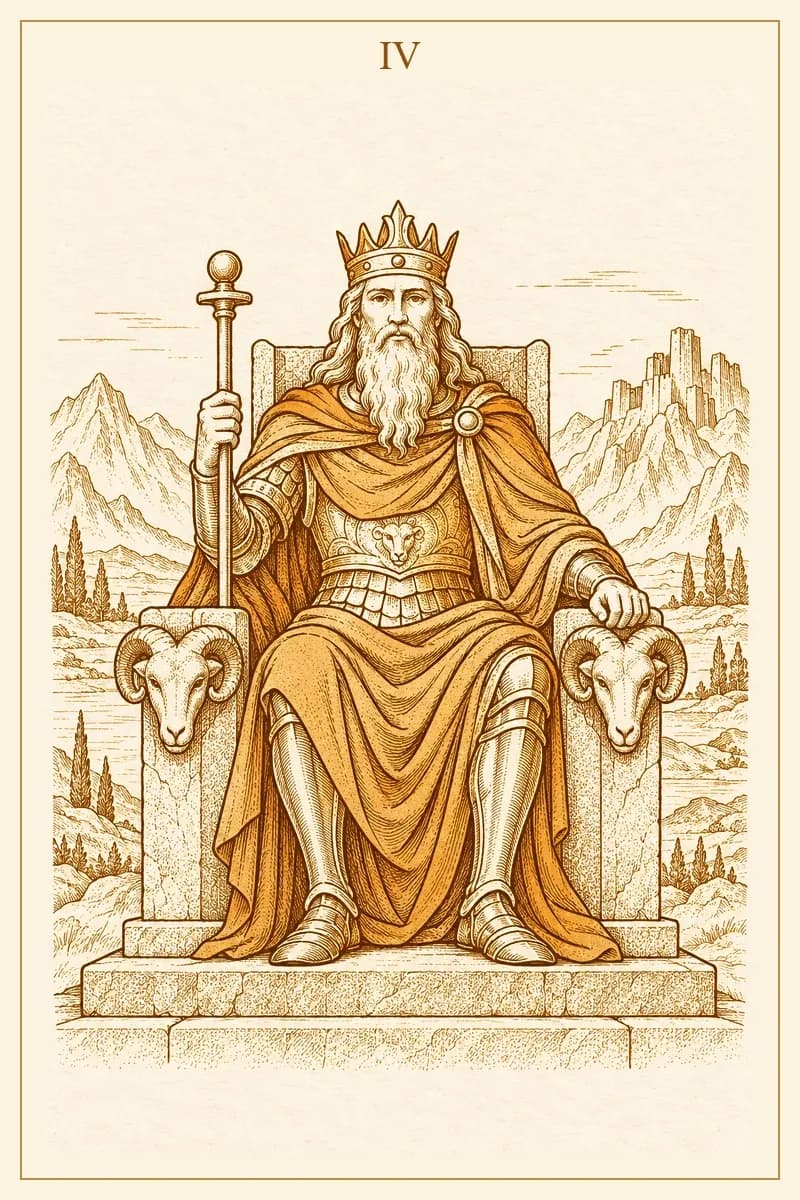
nature and structure united
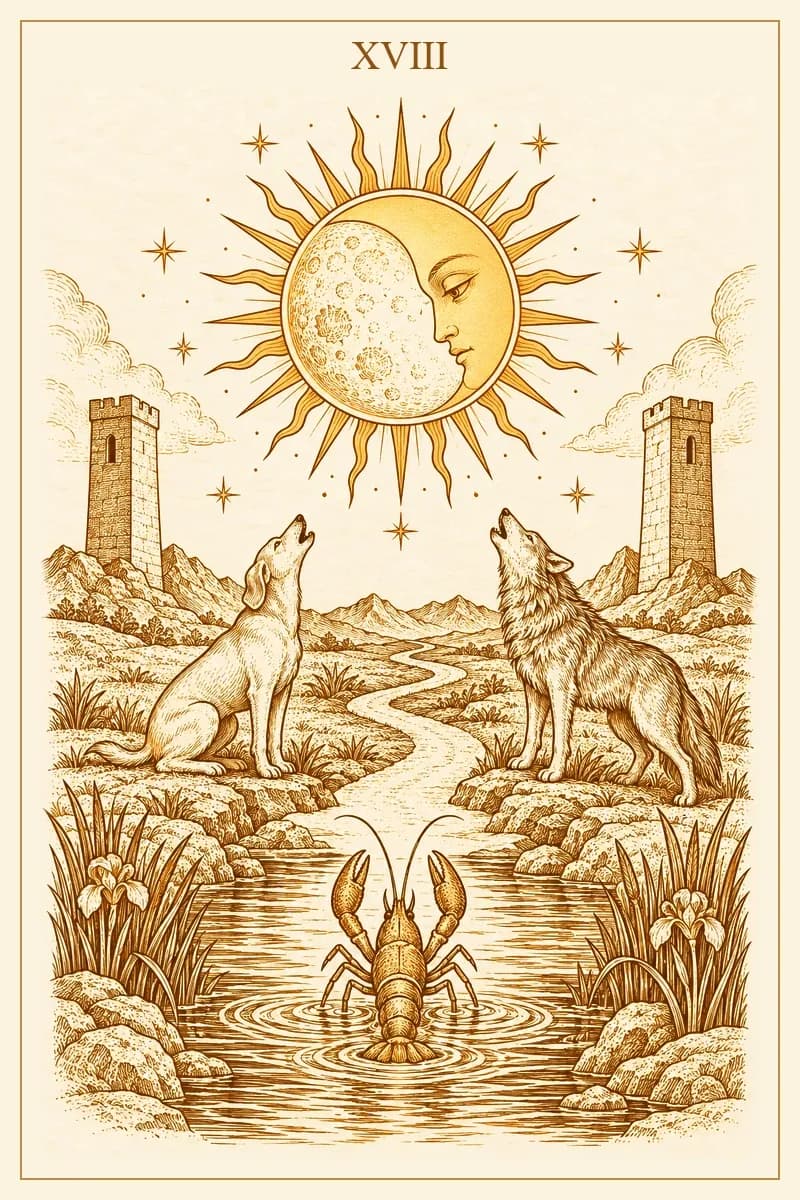
Hidden Transformation
✦ Bring it to the cards ✦
Use this pairing as a starting point, then let a spread listen to the situation that is actually yours.
Begin a contextual reading