Loading your view
The page is gathering the latest information.
The page is gathering the latest information.
nature and structure united
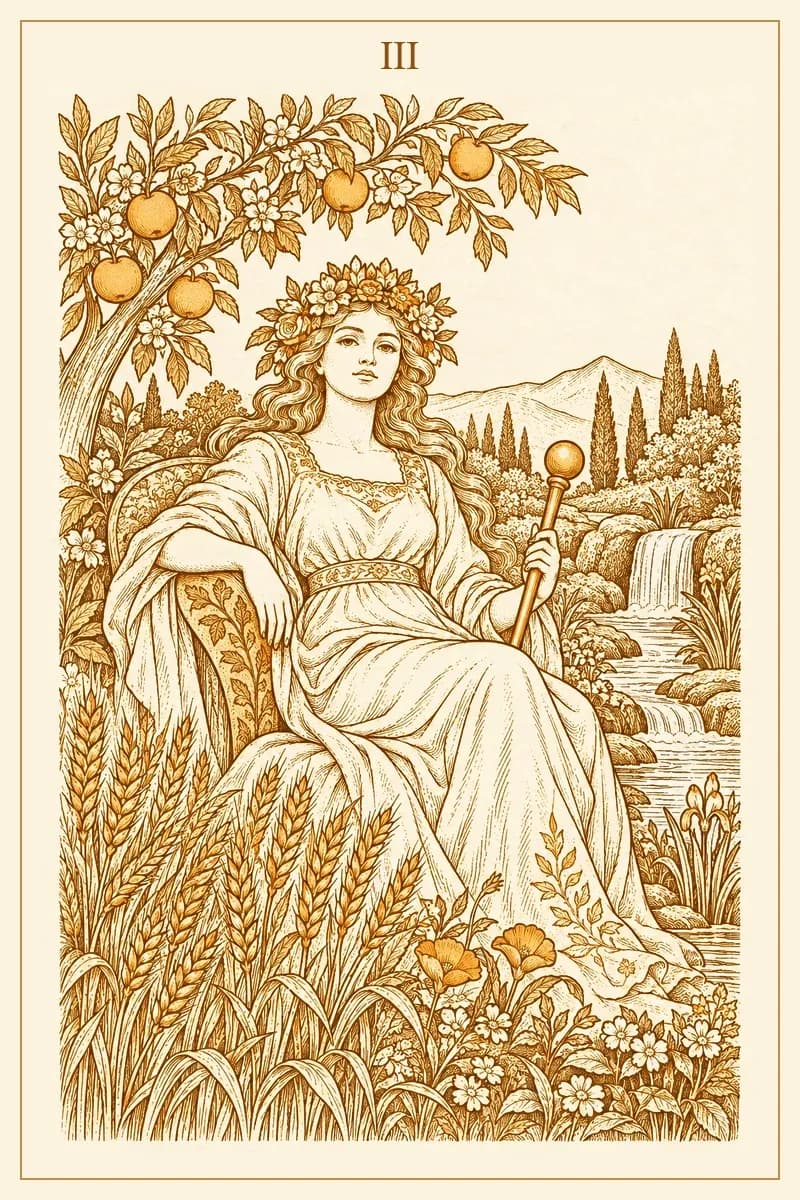
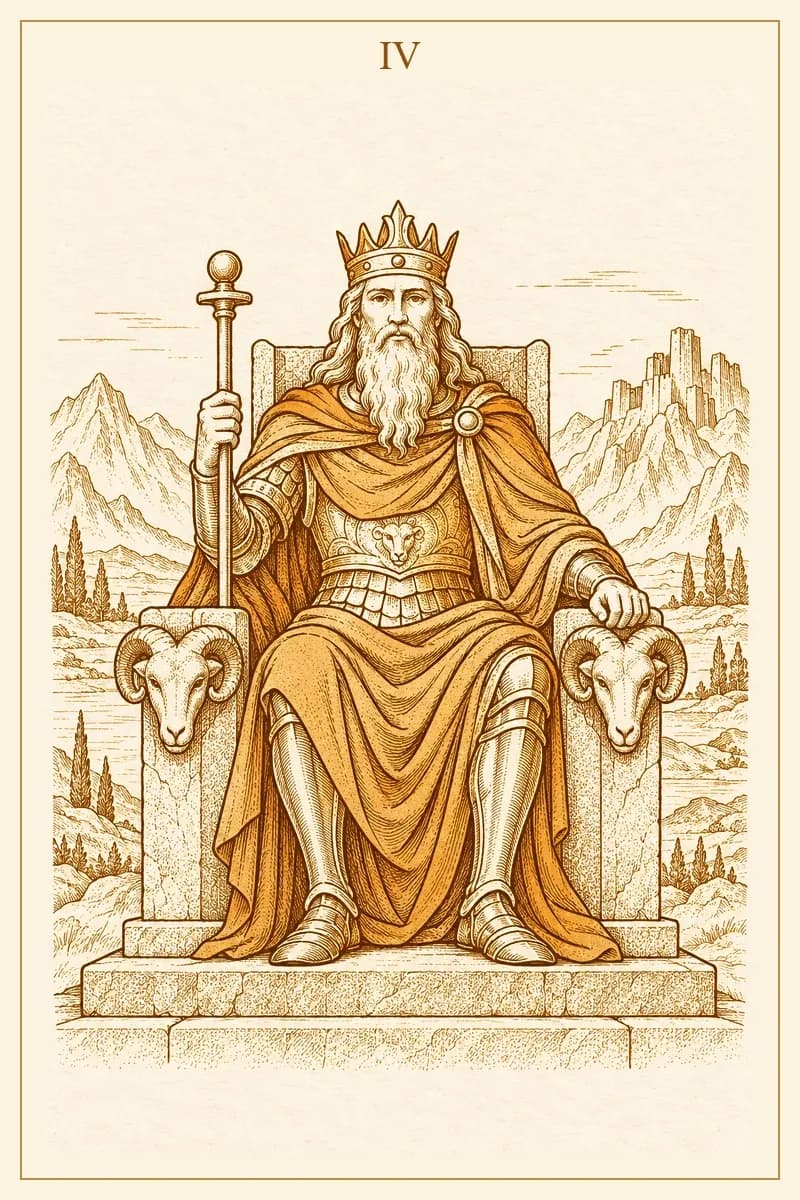
A river does not become useful by being free — it becomes useful when a riverbank gives it direction. Without the bank, water spreads thin, soaks into the ground, and loses the force that carved canyons. Without the water, the bank is just dirt. This is the architecture of the Empress and Emperor together: two forces that require each other to reach their full expression, but whose relationship is never simple and never fully resolved.
The Empress is generative. She does not plan abundance — she is abundance. Growth, creativity, and care flow through her without calculation. The Emperor plans everything. His strength lies precisely in his refusal to leave things to chance: he surveys, measures, fortifies, and governs. Where she trusts the soil, he trusts the blueprint.
What makes this pairing genuinely complex is that both carry authority, but of entirely different kinds. The Empress's authority is felt. The Emperor's authority is enforced. When those two forms of power operate in harmony, something lasting gets built. When they collide — when the Emperor mistakes the Empress's organic flow for chaos, or the Empress dismisses the Emperor's structure as rigidity — both are diminished.
The question this pairing always surfaces: can two centers of power genuinely share space?
In romantic readings, the Empress and Emperor together often describe a relationship with genuine staying power — but one that requires both people to remain honest about how they each use power.
The Emperor partner brings reliability, protection, and a clear sense of direction. The Empress partner brings warmth, creativity, and an emotional generosity that softens what might otherwise become an austere household. At their best, they form a genuinely complementary partnership: one holds the container, the other fills it with life.
The risk is a slow drift toward rigid roles. When the Emperor's need for order starts to feel like control, and the Empress's nurturing starts to feel like the only person doing the emotional labor, what began as complementary can calcify into something constraining. Both partners need to periodically renegotiate who gets to lead in which domain — and neither should assume that the other's strength makes them invulnerable.
For single people, this combination may be pointing toward a partner who offers both emotional warmth and structural stability. The caveat: look for someone who is genuinely secure, not simply authoritative. There is a significant difference between leadership and dominance.
Professionally, the Empress and Emperor represent the full creative cycle: from idea to execution, from inspiration to institution. This is a compelling pairing for anyone involved in building something — a business, a team, a project, a body of work.
The Empress governs the creative input phase: the brainstorming, the vision, the intuitive leaps, the willingness to follow an idea before you can justify it. The Emperor governs the structure phase: the systems, the timelines, the budgets, the accountability. Neither phase works without the other.
If you are feeling creatively stuck, the Emperor is probably underrepresented in your process — not because you need more control, but because you may need more clarity about what you are actually building and why. If you are feeling bureaucratically strangled, the Empress is underrepresented — the structure has overtaken the purpose it was meant to serve.
In organizational contexts, this pairing can also describe a tension between leadership styles. If you manage others, examine whether you are creating conditions for growth or primarily enforcing compliance. The most effective leaders know which mode the moment requires.
The shadow of the Empress is formlessness: abundance without direction, creativity that never coheres into anything that lasts, generosity that enables rather than nourishes. She can give and give until there is nothing left — and call it love.
The shadow of the Emperor is tyranny: order imposed not for the good of the system but for the comfort of the one doing the ordering. He can confuse his own preferences with universal law, and call it stability.
Together, their shadows produce a system that looks functional but feels suffocating — where growth is managed so tightly it cannot breathe, or where authority is softened with warmth so it is never questioned. Watch for the version of any relationship or institution where kindness is used to enforce compliance and structure is used to contain what should be allowed to expand.
Keep or share this combination reference
Continue through published pairings that share The Empress or The Emperor.
creative momentum
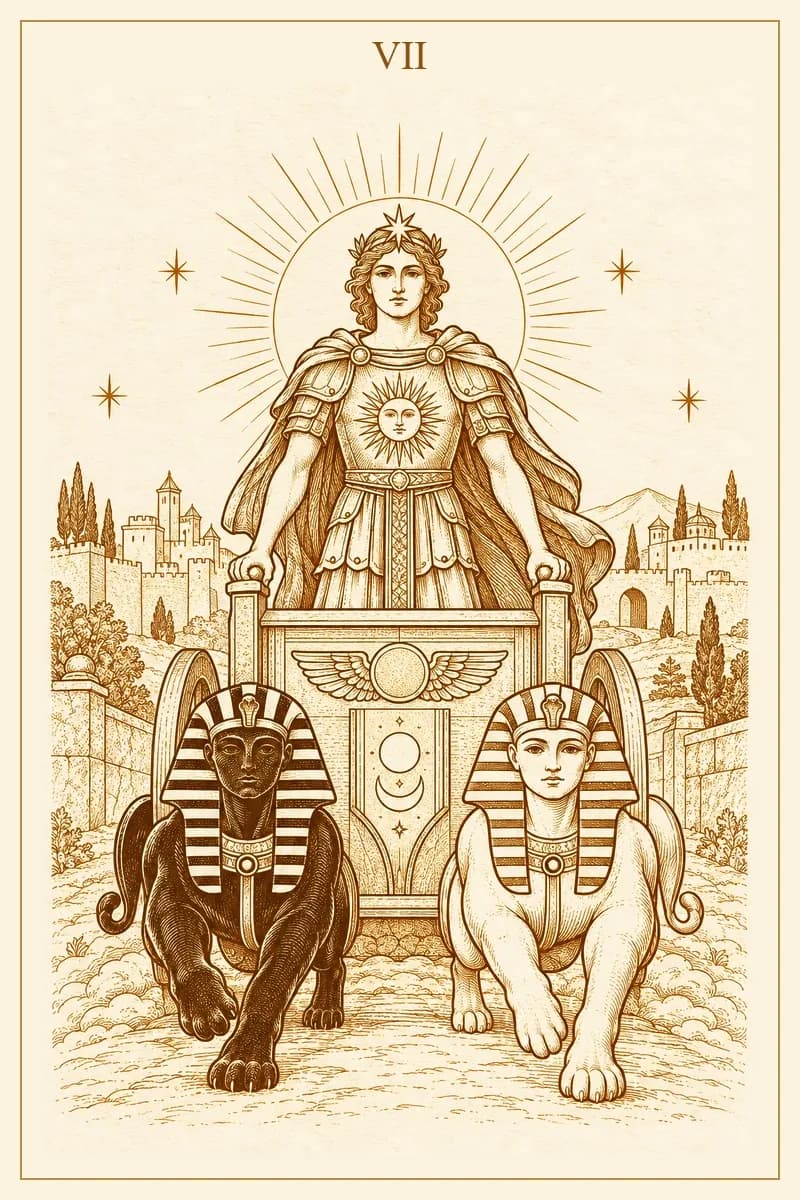
structured forward momentum
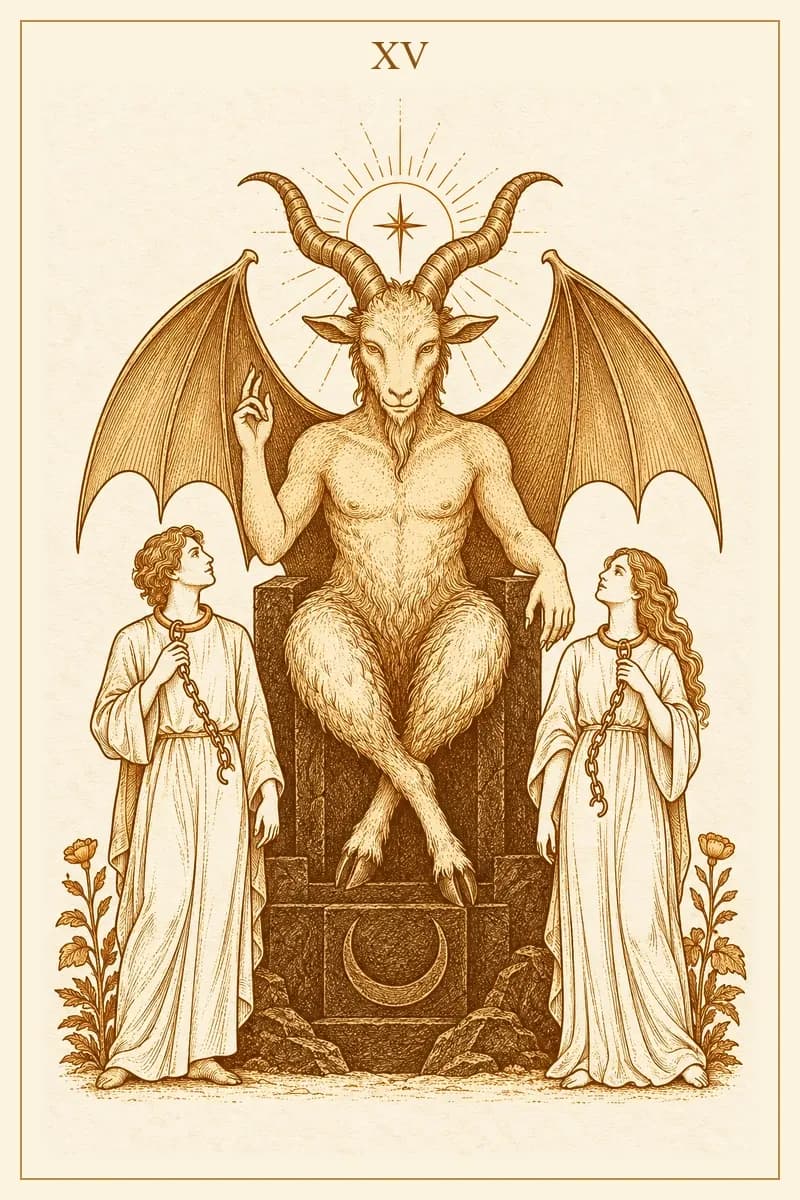
Bound abundance
authority versus control
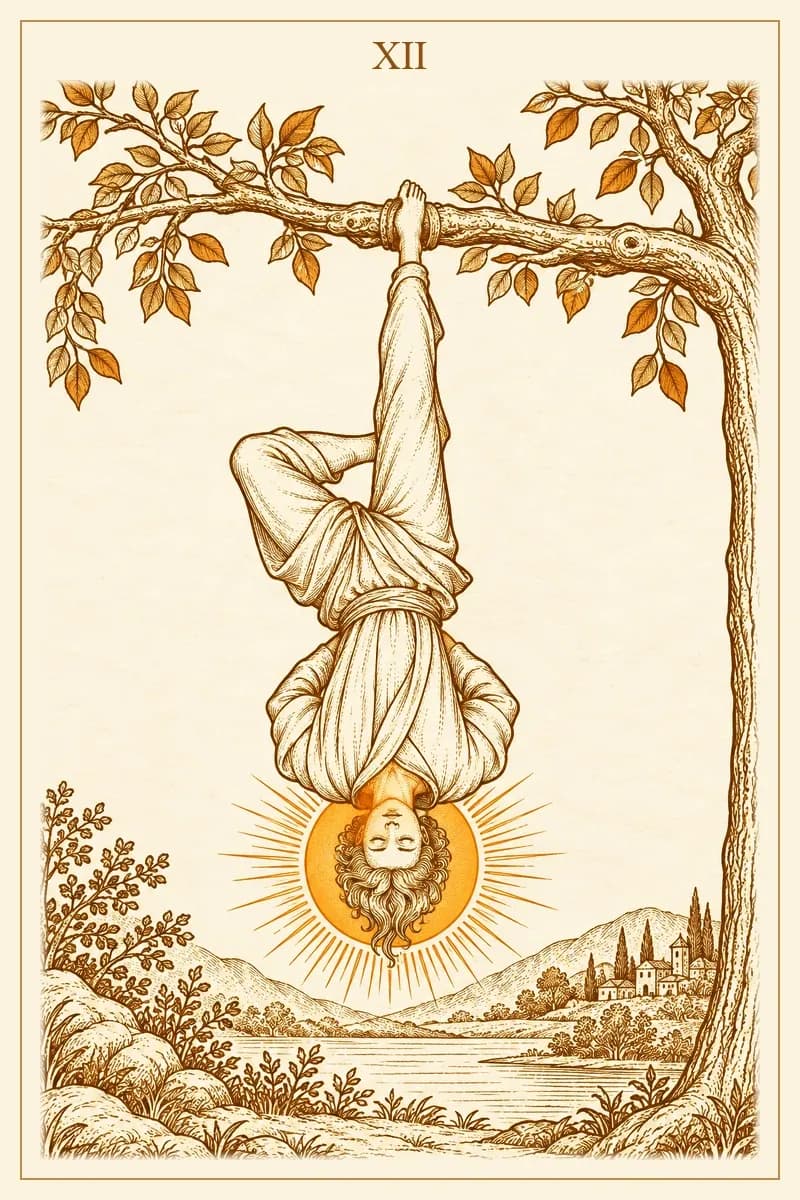
control vs release
fertile suspension
✦ Bring it to the cards ✦
Use this pairing as a starting point, then let a spread listen to the situation that is actually yours.
Begin a contextual reading