Loading your view
The page is gathering the latest information.
The page is gathering the latest information.
disciplined mastery
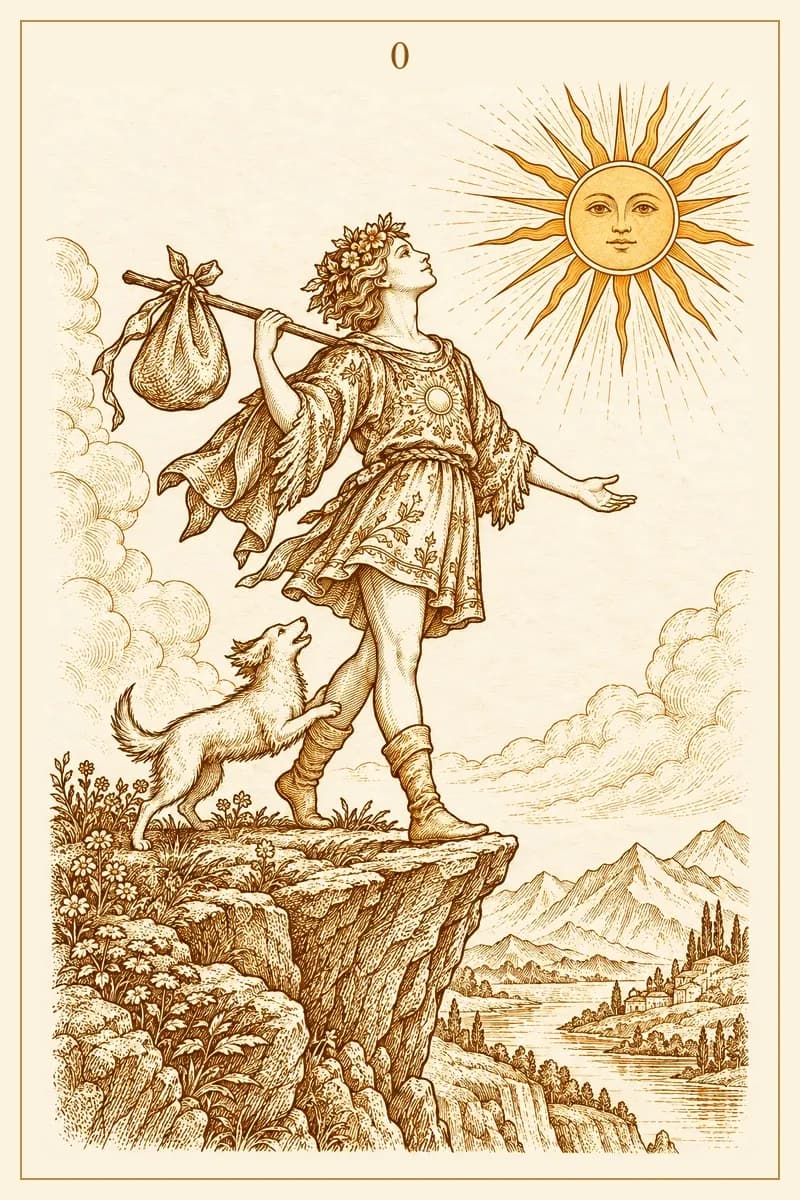
He is the kind of person who enters a room and immediately locates every resource available — the pen on the far desk, the projector cable coiled behind the curtain, the untouched whiteboard still wrapped in plastic. His hands move before introductions are finished. By the time the meeting starts, the table is reorganized, the tools are arranged, and the plan exists not in theory but in physical form. He does not wait for permission. He does not require a title. His authority comes from competence so visible it becomes gravitational.
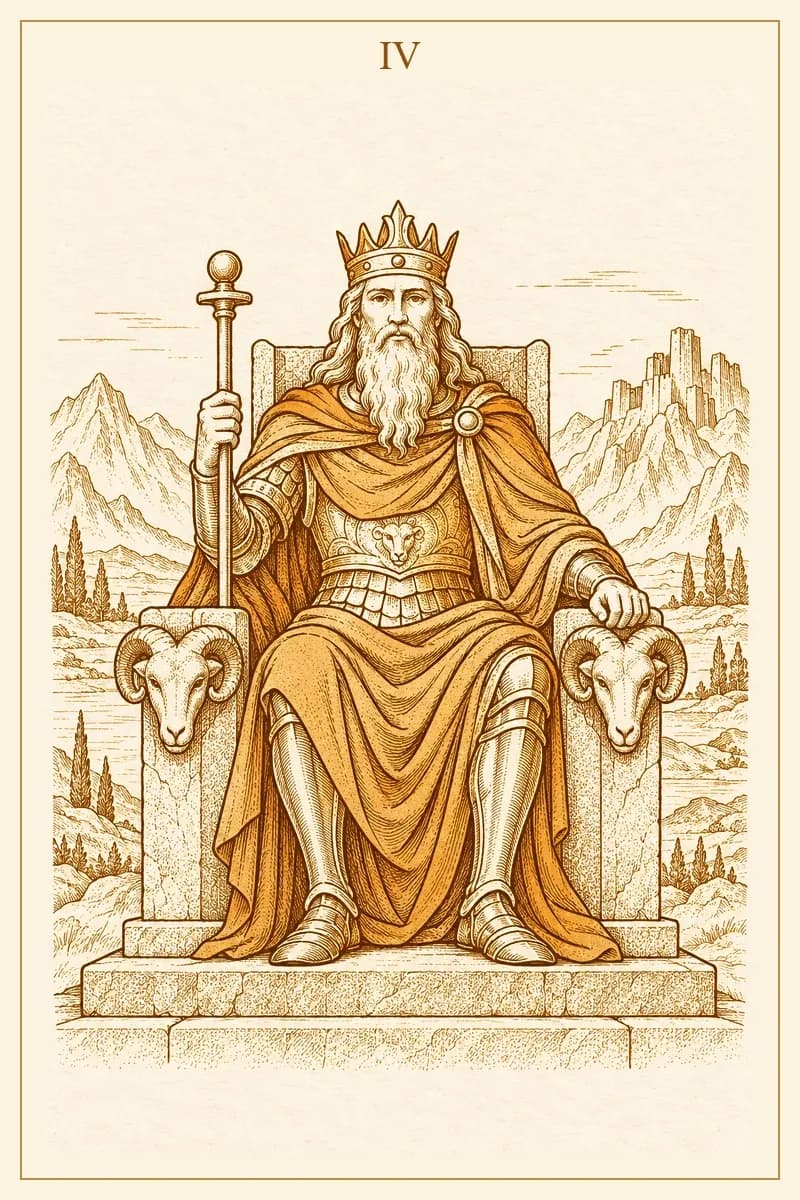
Beside him sits a man who has held authority so long it has shaped his posture, his voice, the way he occupies the head of any table without being directed there. He does not grab resources. He assigns them. Where the first man sees raw materials, this one sees supply lines, hierarchies, chains of command that transform individual talent into institutional power. His kingdom was not built in a single inspired afternoon. It was constructed brick by brick over years of decisions that valued permanence over spectacle.
The Magician and The Emperor together describe the moment when personal skill submits to structural discipline — and both become something neither could achieve alone.
The Magician is the field commander. He reads terrain in real time, adapts his tactics to shifting conditions, and trusts his own reflexes above any predetermined plan. His intelligence is operational — the ability to improvise a bridge crossing when the maps show no bridge, to fashion a weapon from materials the enemy overlooked. Every element on his table is a resource awaiting deployment, and his genius lies in selecting exactly the right one at the decisive moment.
The Emperor is the general who never sets foot on the battlefield. He studies maps drawn weeks before the engagement. He positions divisions according to principles tested across dozens of campaigns. His strength is not improvisation but architecture — the design of systems so robust that individual brilliance becomes unnecessary. Armies win not because one soldier performs an extraordinary act but because ten thousand soldiers occupy the right positions at the right hour.
When these two forces align, the result is a campaign where tactical brilliance operates within strategic certainty. The field commander's instincts are amplified by infrastructure. The general's grand design gains the flexibility of a gifted operator on the ground. The tension lives in the chain of command itself: the Magician chafes under orders that cannot account for what he sees with his own eyes, while the Emperor distrusts any victory that depends on one individual's performance rather than the system's integrity.
In relationships, this pairing produces a dynamic where one partner brings electric initiative — planning the unexpected date, finding the perfect gift through sheer resourcefulness — while the other provides the stable architecture that keeps the relationship standing through seasons of change. One builds the fire. The other builds the hearth.
The love here is not chaotic or swept along by passion alone. It has a backbone. Conversations about the future are not vague daydreams but concrete blueprints: where to live, how to manage finances, what structure the shared life will take. The Magician keeps the relationship from becoming rigid. The Emperor keeps it from becoming scattered. The risk surfaces when one partner dominates the chain of command entirely — when the architect refuses to let the improviser breathe, or when constant tactical pivots undermine every long-term plan before it can take root.
Professionally, this is the combination of the brilliant individual contributor and the executive infrastructure that multiplies their output. The Magician's skill finds its highest expression when an Emperor-like system — a well-funded company, a disciplined team, a clear organizational hierarchy — channels that skill toward strategic objectives rather than scattered projects.
Under this influence, promotions are earned through demonstrated competence meeting institutional readiness. The corner office does not arrive through charm but through results delivered within structure. The professional shadow appears when the Magician's individual talent threatens the Emperor's need for uniformity, or when bureaucratic process strangles the very innovation it was meant to support. The general who micromanages his best field commander will lose the war through organizational suffocation.
The deepest shadow of this pair is the tyrant who possesses both tools and throne. When the Magician's resourcefulness serves the Emperor's desire for total control, the result is authority that leaves no room for dissent, creativity that builds ever more sophisticated cages. Every skill becomes a method of domination. Every structure exists to consolidate power rather than distribute it.
The opposite shadow is paralysis by architecture — plans so elaborate they never reach execution, systems designed with such precision that no human being could actually operate within them. The blueprint becomes more real than the building, and the war is lost on paper before a single soldier moves.
Keep or share this combination reference
Continue through published pairings that share The Magician or The Emperor.
Spontaneous Manifestation
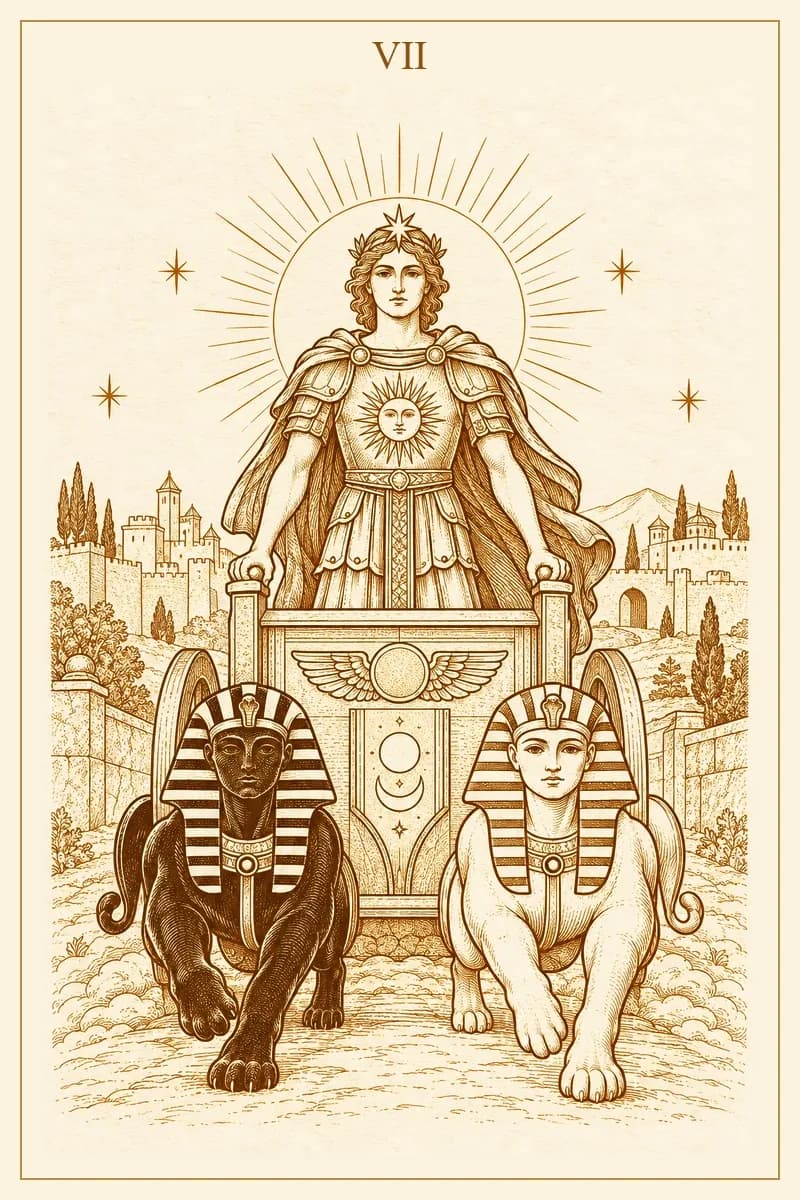
structured forward momentum
controlled momentum
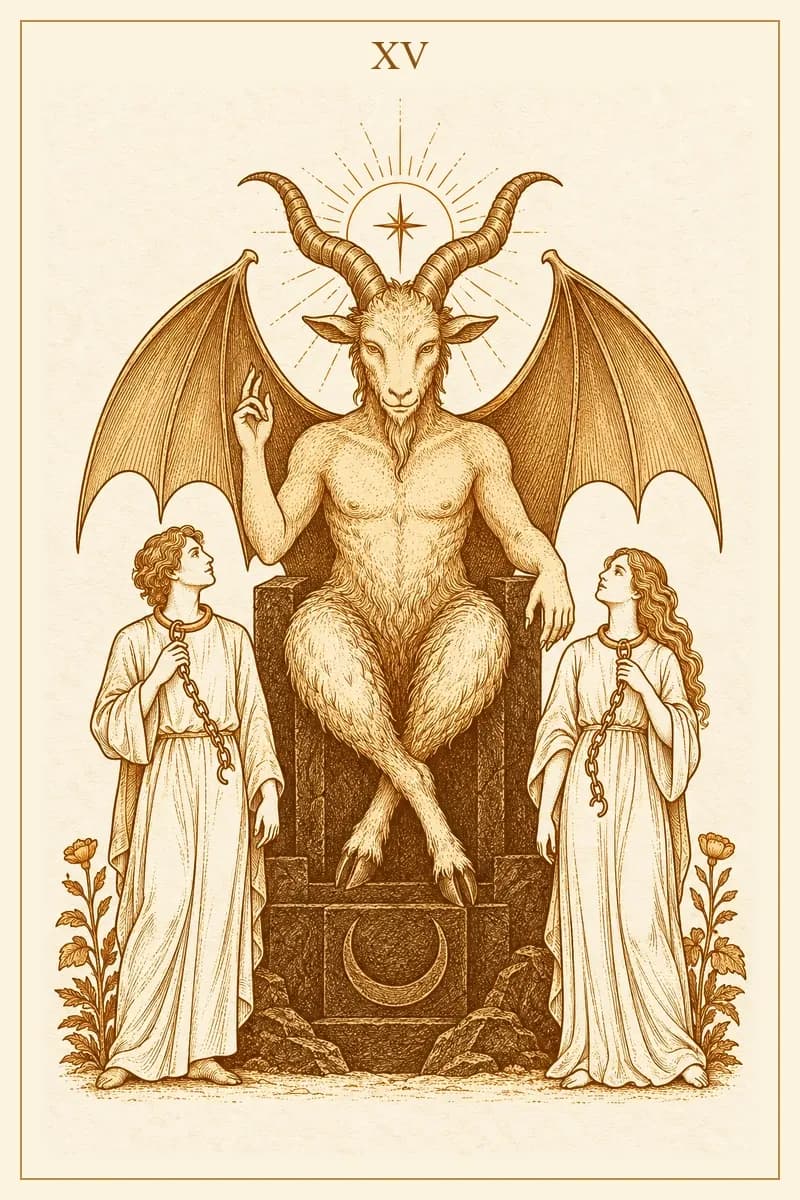
authority versus control
will versus compulsion
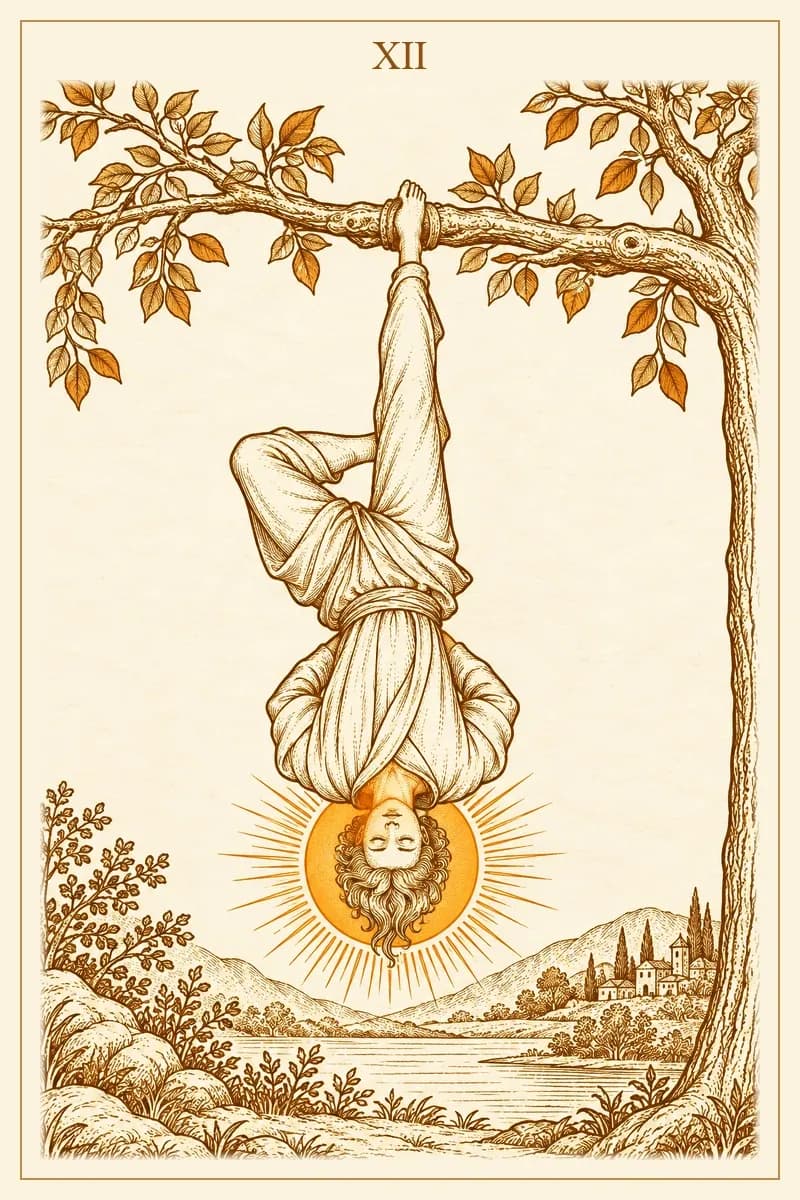
control vs release
✦ Bring it to the cards ✦
Use this pairing as a starting point, then let a spread listen to the situation that is actually yours.
Begin a contextual reading