Loading your view
The page is gathering the latest information.
The page is gathering the latest information.
structured momentum
The coach's whiteboard is covered in diagrams—plays, formations, lines of attack mapped out in precise detail. The player stands at the edge of the court, impatient, knees bouncing. Every instinct says *go*. But the coach holds up a hand: *not yet*. Learn the system first. Then run like hell.
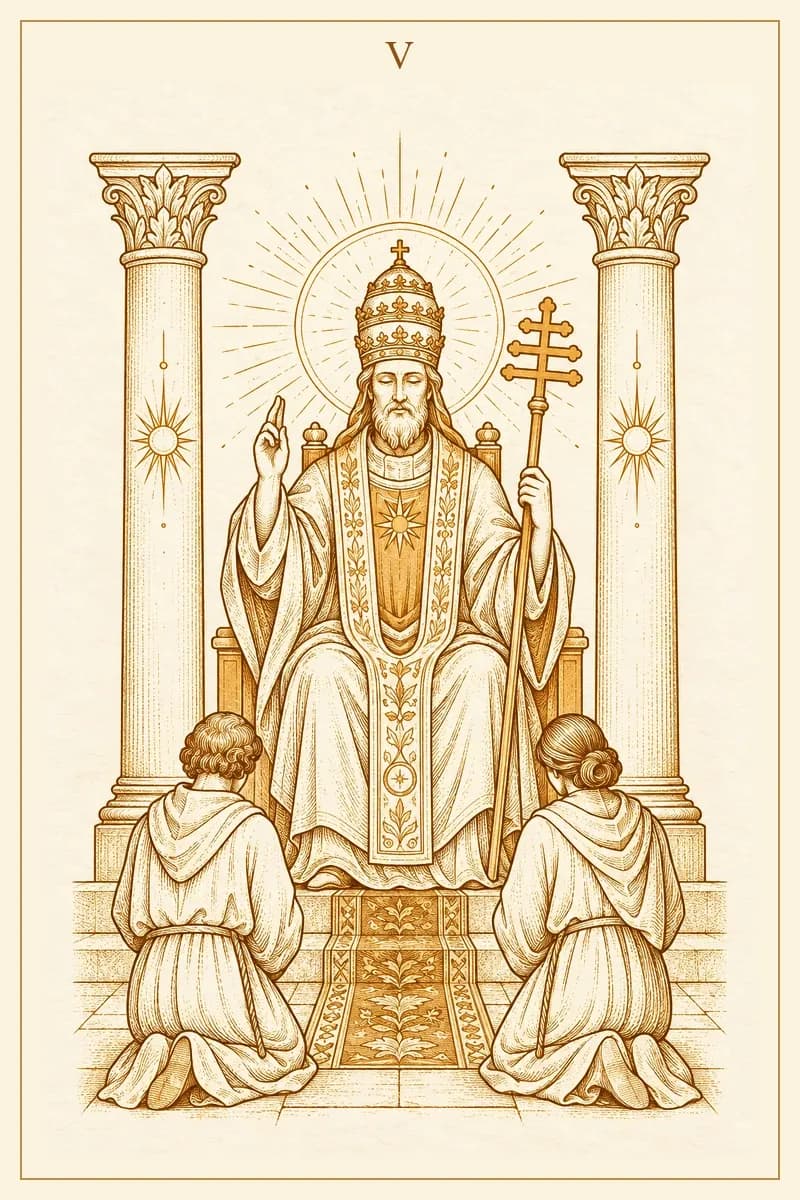
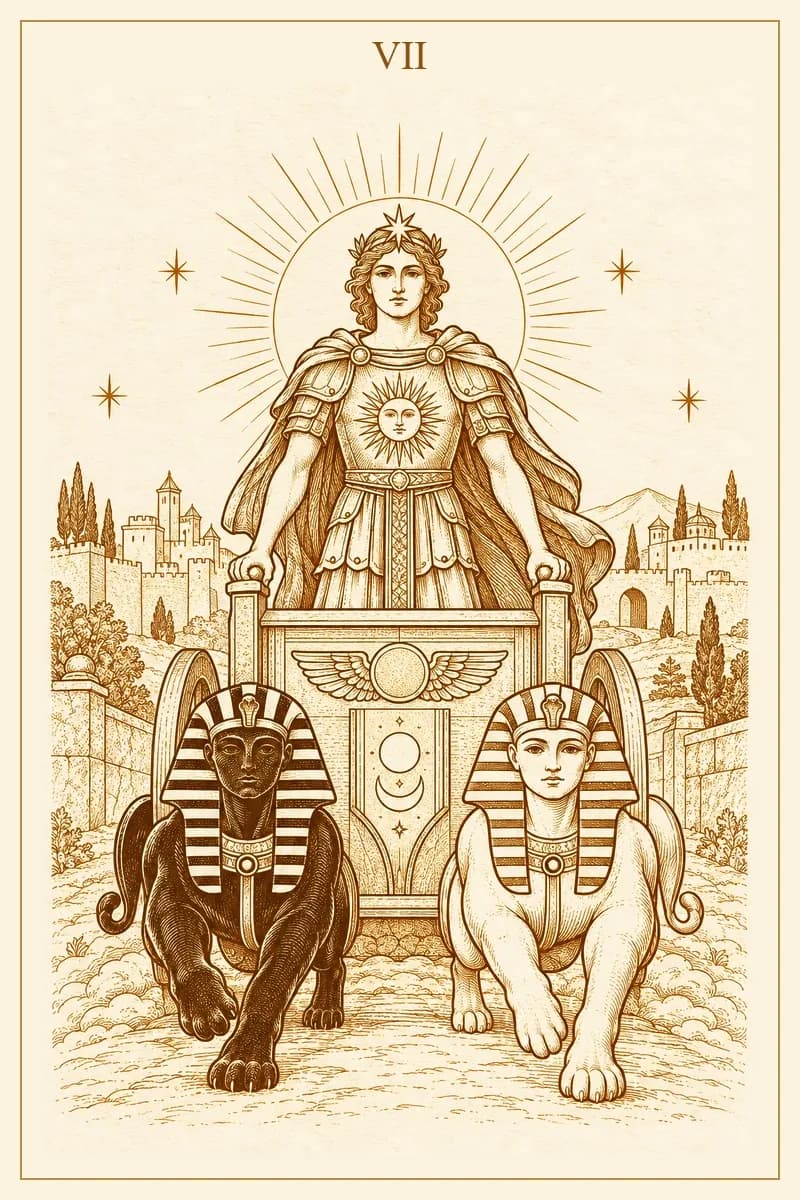
That tension between knowing and moving, between ritual and momentum, is exactly what The Hierophant and The Chariot put on the table. These two cards don't cancel each other out. They argue about *sequence*. One says master the principles before you charge forward. The other says at some point, you have to actually move. Both are right. The friction between them is the whole point.
This pairing tends to appear when someone is standing on a threshold—trained, prepared, credentialed—but still hesitating. Or when someone is already moving fast and starting to wonder why nothing is sticking. Either way, the combination points to the same truth: speed without structure is noise, and structure without speed is a monument to your own caution.
The Hierophant operates in the realm of received wisdom—traditions, institutions, codified knowledge. His power comes from continuity, from being part of something larger and older than any single individual. The Chariot, by contrast, is pure directed will. It doesn't ask permission. It defines the destination and drives.
When these archetypes meet, the central question is: whose authority guides the wheels? The Hierophant wants the charioteer to have studied the maps, respected the roads, earned the right to drive. The Chariot wants to know why the maps haven't been updated in three hundred years.
Neither wins outright. The healthy synthesis looks like someone who has genuinely internalized a set of values or disciplines—not just followed rules—and then uses that inner framework to drive with precision. The unhealthy version goes two ways: dogma-frozen paralysis, or reckless momentum that mistakes speed for direction.
This combination in a romantic reading often signals a relationship where one person is moving faster than the other—emotionally, in terms of commitment, or in terms of what they're willing to say out loud. The Hierophant energy asks for due process: courtship, definition, acknowledgment within some social or personal structure. The Chariot energy is already three moves ahead.
If you're the Chariot in this scenario, the frustration is real. But charging past your partner's timeline doesn't get you where you want to go—it gets you there alone. If you're the Hierophant, sitting on unexpressed feelings while waiting for the "right" framework doesn't protect you; it just delays the conversation.
For established partnerships, this pair can indicate a need to realign around shared values. Something has been moving fast—changes in lifestyle, career, or family plans—and the foundational agreements haven't kept up.
Professionally, The Hierophant and The Chariot together describe someone who is technically excellent and driven, but may be underestimating how much the institutional landscape matters. The person who masters the organization's unwritten rules and *then* drives hard tends to get further than the equally talented person who ignores those rules entirely.
This combination can also appear when a project is accelerating past its governance structures. The velocity feels exciting until something breaks and no one knows whose call it was. Slow down long enough to clarify the framework, then accelerate again.
For those in teaching, leadership, or credentialed fields, this pairing is a green light: the preparation has been done. The credentials are real. The path is legitimate. Move.
The shadow of this combination is self-righteous speed—the certainty that because you've done the work, studied the tradition, earned the position, you have the right to override everyone else's pace and judgment. The Hierophant's shadow is dogmatism. The Chariot's shadow is arrogance. Together, they can produce someone who is absolutely convinced they're right and absolutely unwilling to be corrected.
The other shadow is more subtle: using structure as a brake. Citing tradition, process, or institutional protocol as reasons not to move when the real reason is fear. The Hierophant can be a shield as easily as a guide.
Keep or share this combination reference
Continue through published pairings that share The Hierophant or The Chariot.
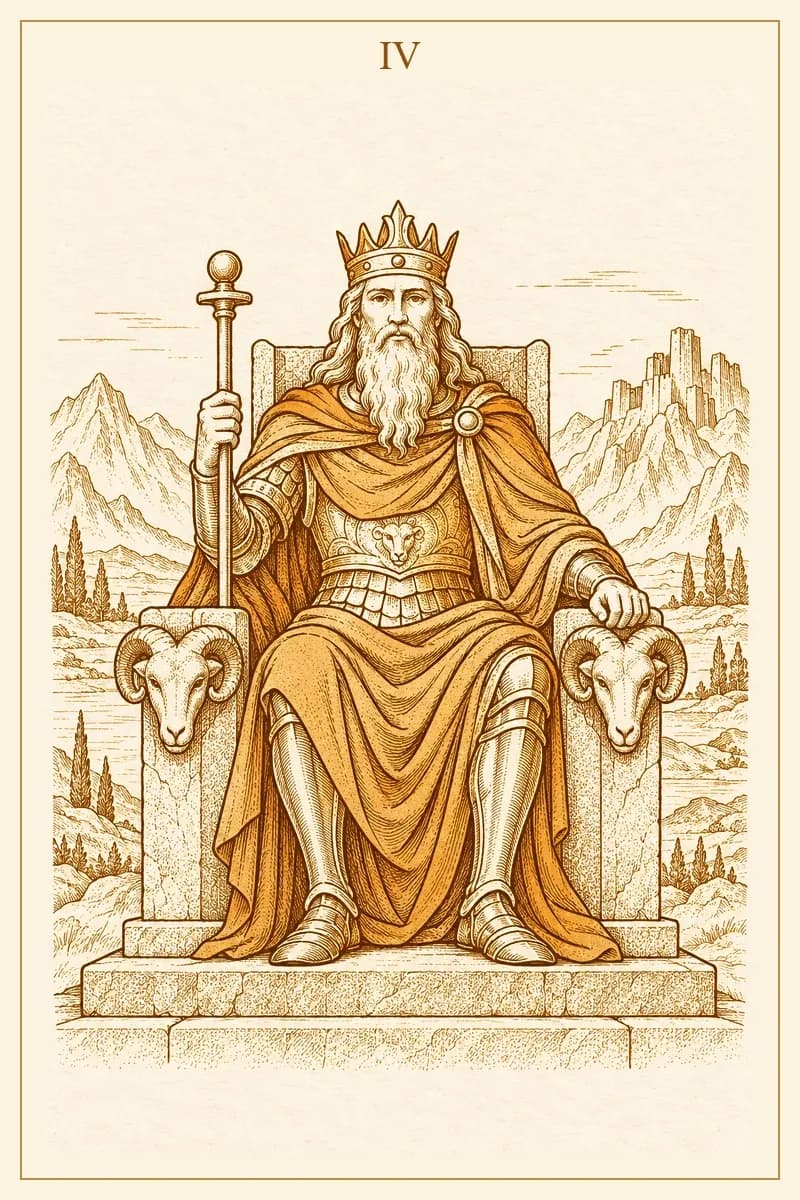
authority meets doctrine
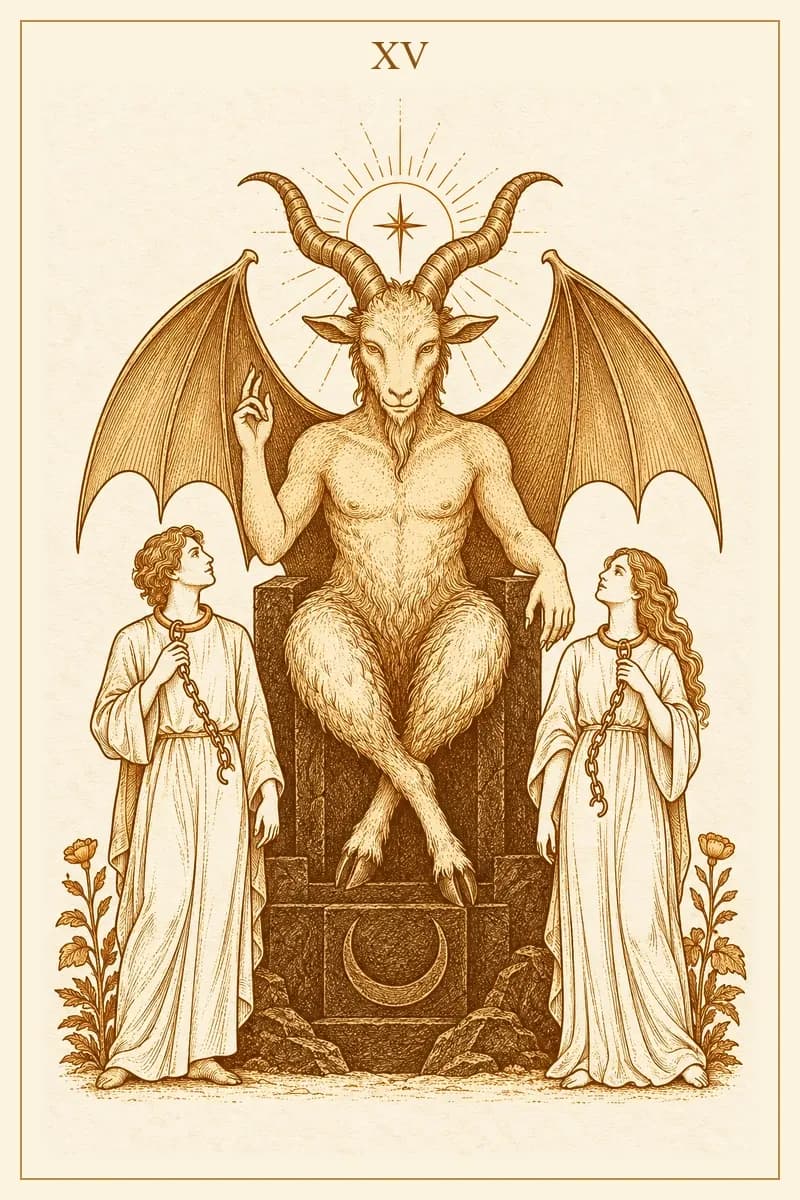
ambition vs obsession
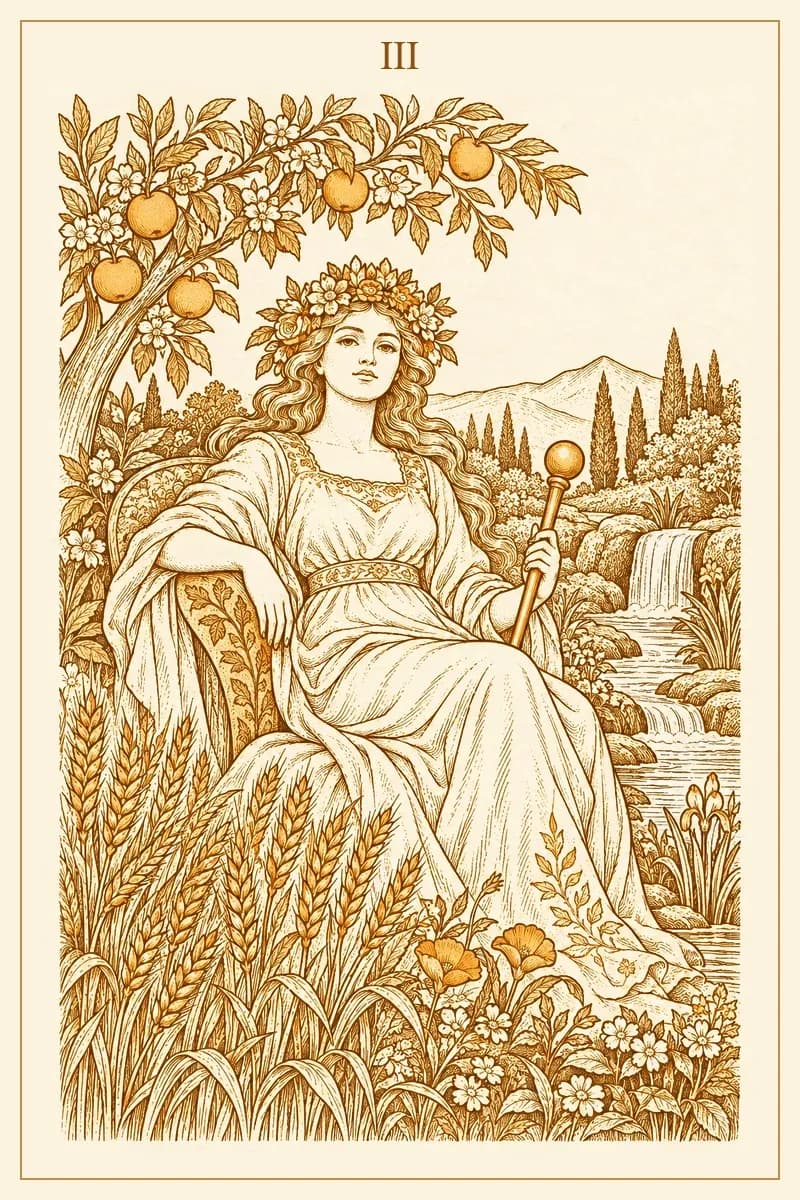
abundance versus doctrine
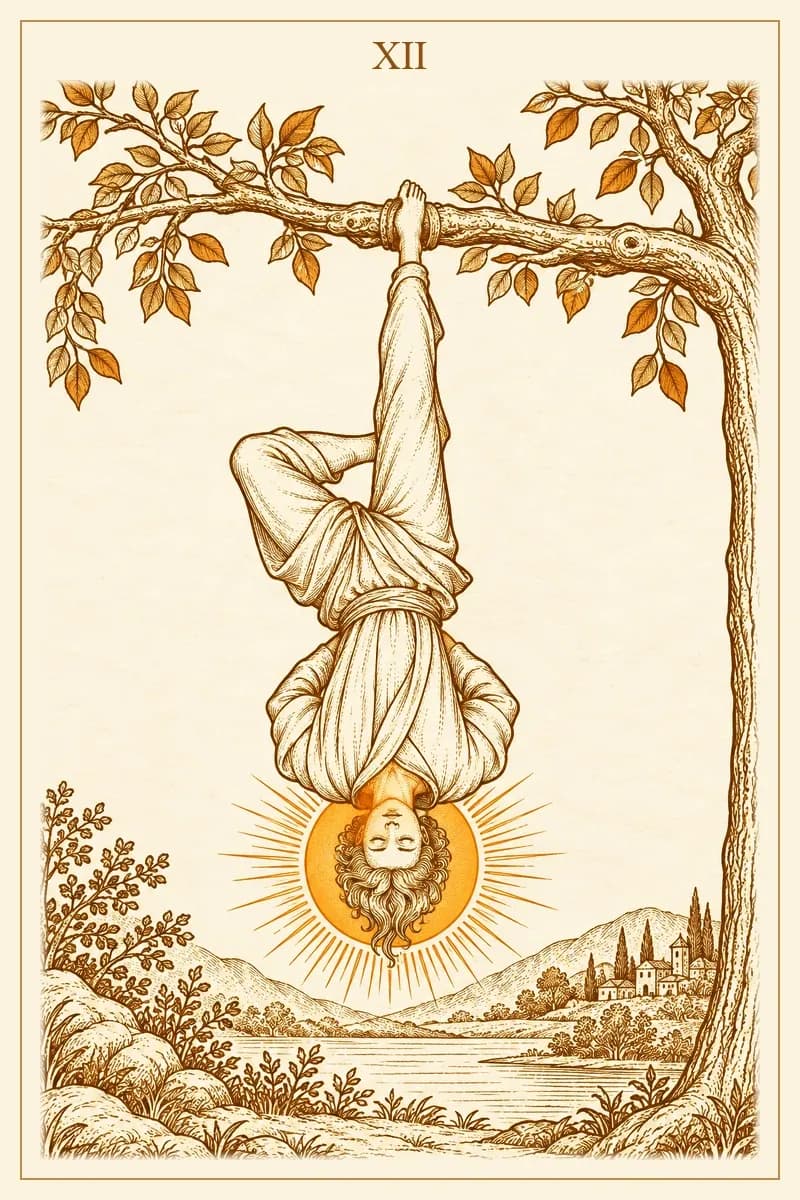
momentum versus surrender
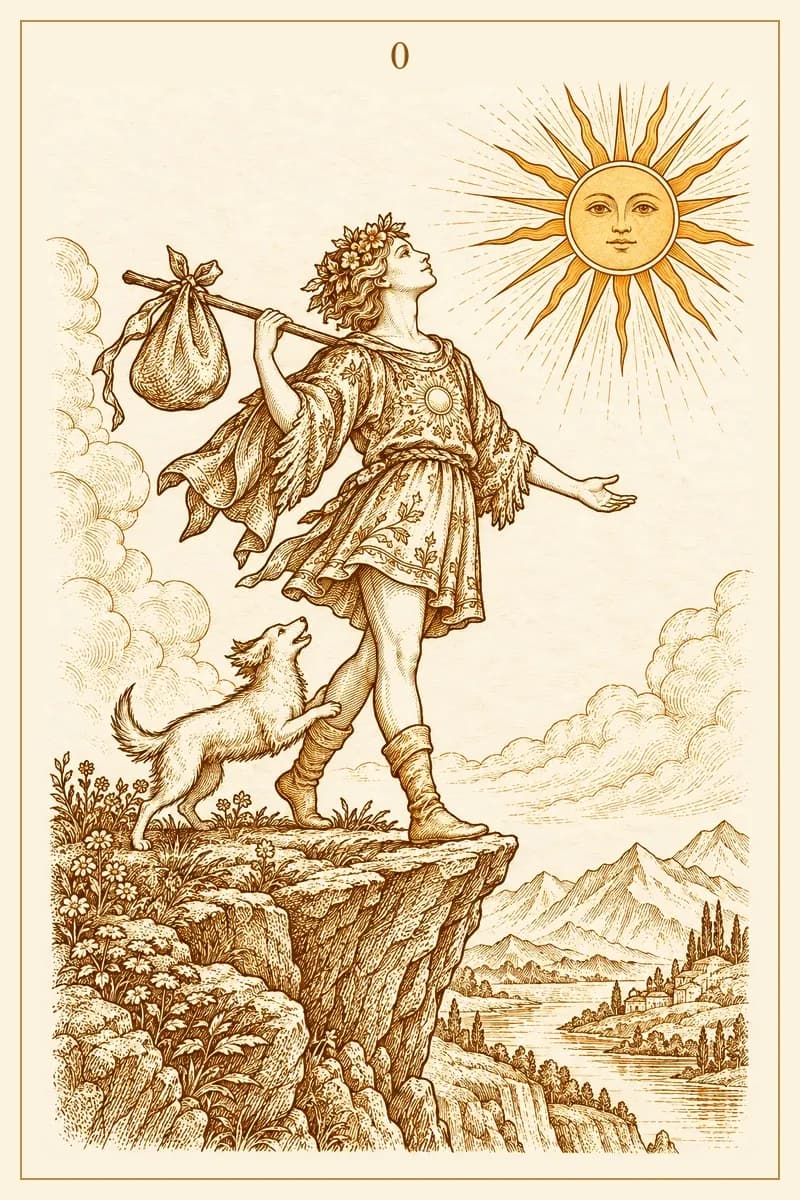
Sacred Rebellion
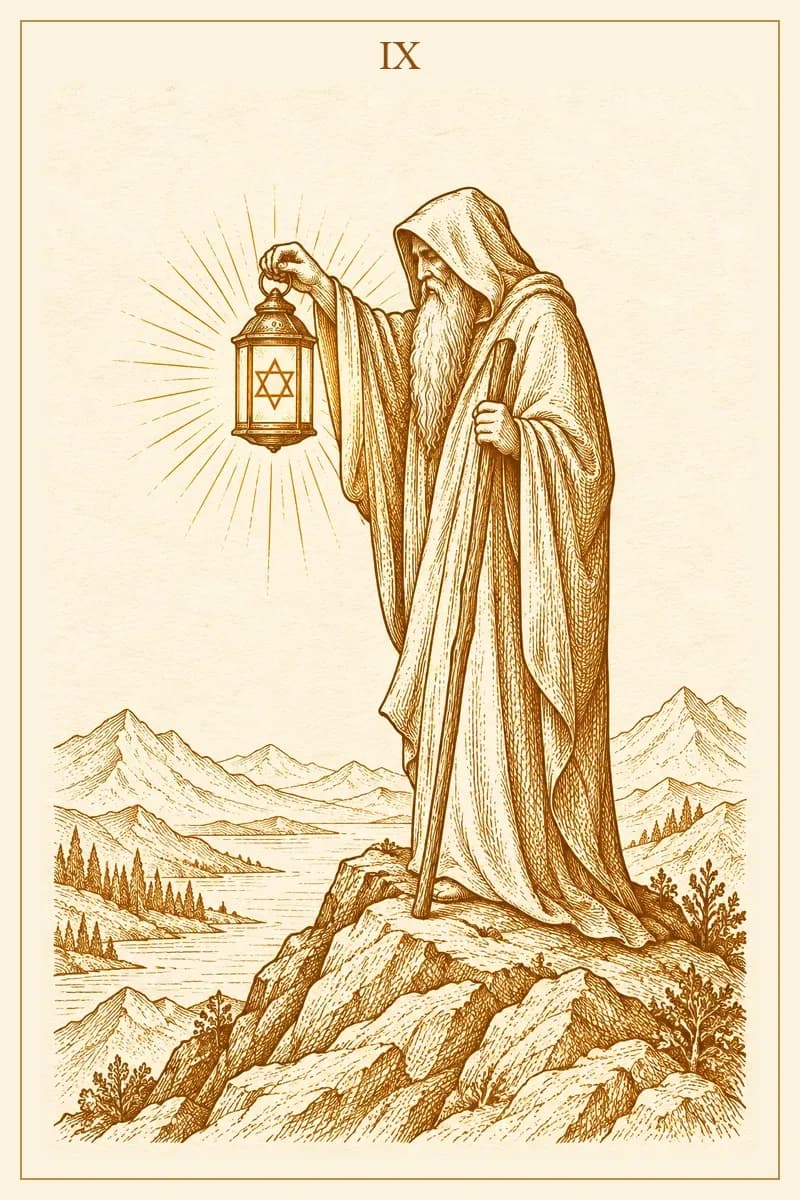
driven introspection
✦ Bring it to the cards ✦
Use this pairing as a starting point, then let a spread listen to the situation that is actually yours.
Begin a contextual reading