
Card Combination
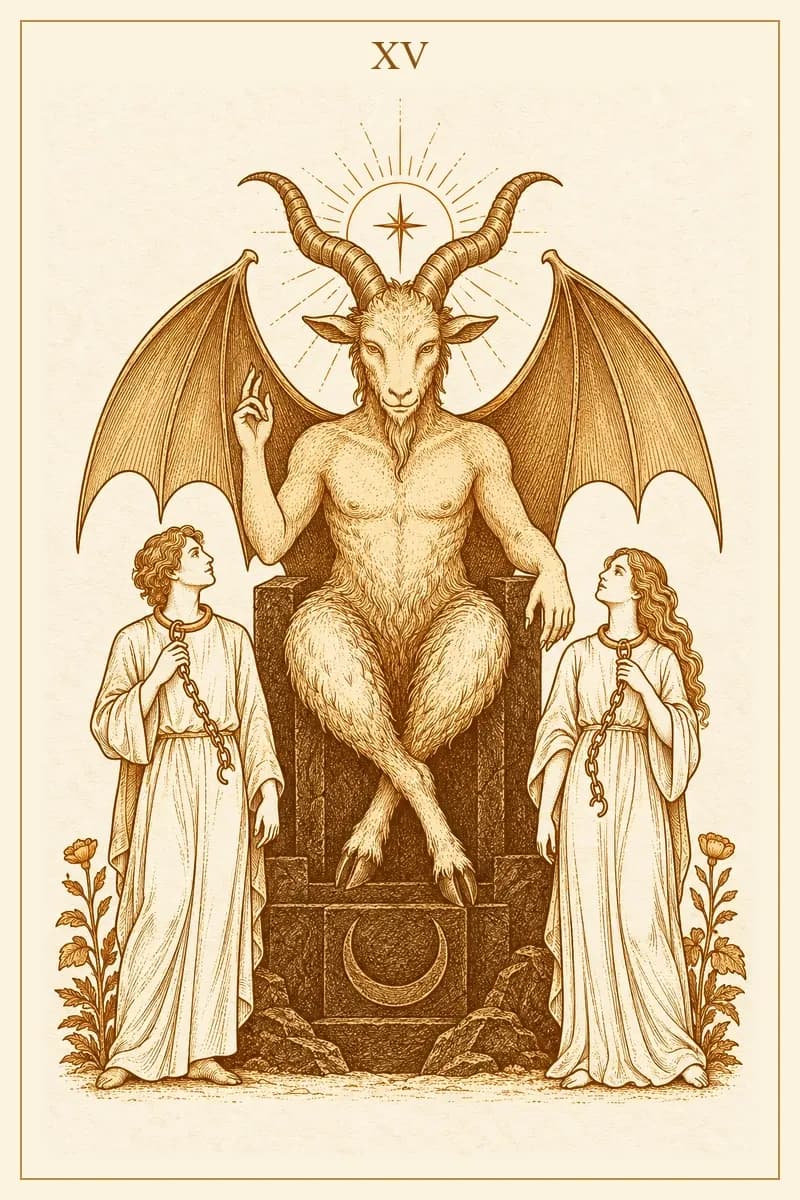
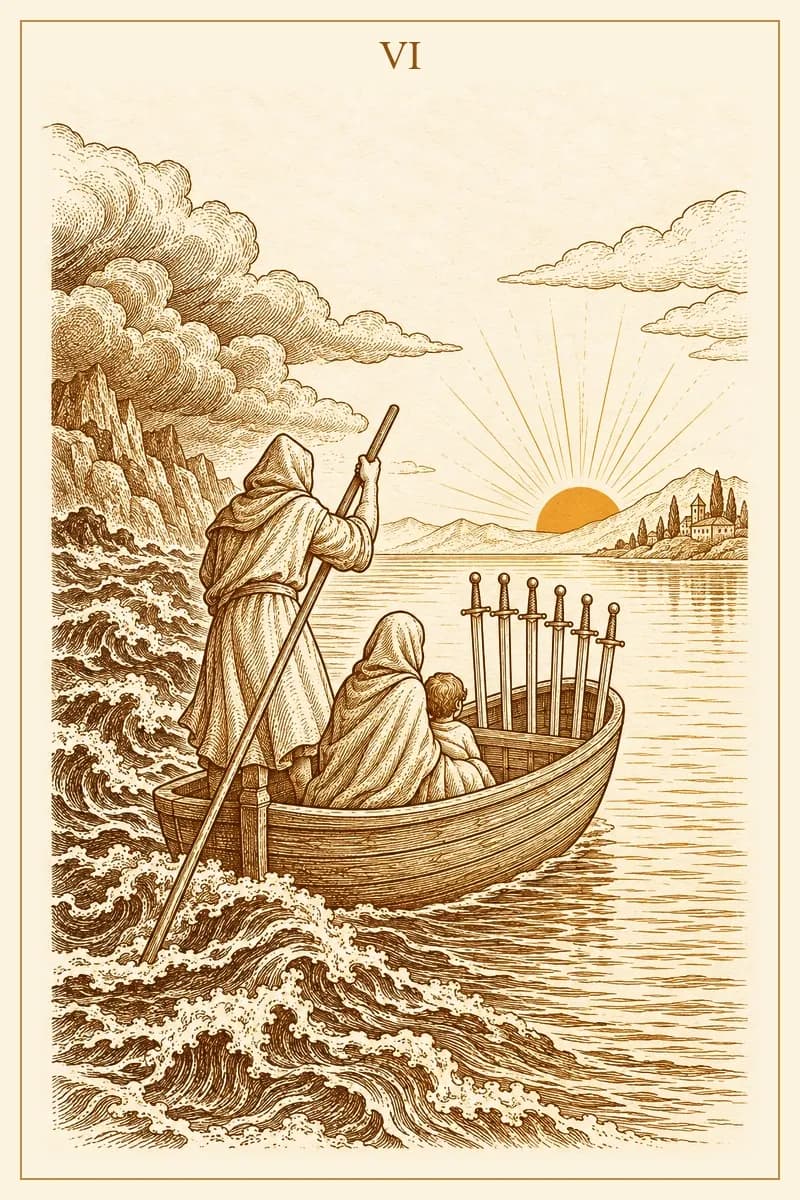
Meaning of The Devil and Six of Swords Combination: Escape from Chains
Liberation through departure
The air smells of wet bark and thawing earth — the precise scent that arrives the morning after a long frost finally breaks. Ice still clings to the branches, but something beneath the soil has already shifted. You can feel it in your lungs before you see it with your eyes. That is the exact sensation of pulling The Devil beside the Six of Swords: the frost is cracking, the river is moving, and you are standing at the edge of a boat that will carry you away from a landscape you once mistook for home.
The Devil wraps chains around your wrists — not tight enough to cut, just snug enough that you forget they are there. The Six of Swords places an oar in your hand and points downstream. One card holds you hostage; the other insists you leave. The tension between them is not abstract. It lives in your body, in the tightness of your chest when you know you should go but your feet refuse to lift.
The Core Tension
Winter does not end because you want it to. It ends because the earth tilts, because physics demands rotation, because staying frozen forever is not an option the planet offers. The Devil represents the season you have overstayed — a pattern, a substance, a relationship, a mindset that stopped nourishing you long before you stopped feeding it. The Six of Swords is the slow, unglamorous thaw. No dramatic sunrise. No trumpets. Just gray water carrying you forward while you clutch six swords that still sting.
The core friction here is between comfort in captivity and the discomfort of crossing open water. The Devil's chains feel warm; the Six of Swords' boat feels cold. Choosing the boat means accepting that healing looks nothing like victory. It looks like sitting quietly in a vessel you did not build, watching a shoreline you loved grow smaller behind you.
Love & Relationships
In relationships, this pairing often surfaces when one partner has been tolerating a dynamic that corrodes them — jealousy performed as passion, control disguised as devotion, desire weaponized into obligation. The Devil names the pattern honestly. The Six of Swords says the conversation about leaving has already started, even if no words have been spoken yet.
For couples who stay, the crossing is internal. You leave the version of the relationship that ran on compulsion and migrate toward something quieter, less electric, but far more survivable. Like a garden transitioning from summer's wild overgrowth into autumn's deliberate pruning, the relationship becomes leaner but healthier. For those who part ways, the Six of Swords promises that the grief will be a passage, not a permanent address.
Career & Purpose
Professionally, The Devil often marks a job, a client, or a business model that keeps paying just enough to prevent you from questioning whether it is destroying you. Golden handcuffs. A salary that funds a lifestyle you secretly resent. The Six of Swords beside it says the resignation letter is already drafted in your mind — perhaps not on paper, but the decision has roots.
Think of a tree that grew in poor soil for years: its roots adapted, curling around rocks and toxins. Transplanting it is violent work. Roots tear. Soil crumbles. The tree looks worse for months before it stabilizes in better ground. Career transitions under this pairing follow the same seasonal logic. The move will not feel triumphant. It will feel necessary, and necessity is enough.
Shadow Side
The shadow of this pairing is using departure as its own addiction. Some people become so attached to the identity of the one who escapes that they never actually arrive anywhere. They leave jobs, cities, partners, and friendships in a perpetual migration that mistakes motion for progress. The Devil can chain you to the act of running just as easily as it chains you to staying.
Another shadow: romanticizing the captivity you left. Memory has a talent for editing out the frost and preserving only the beauty of snow. Six months after crossing the water, you may find yourself longing for the very chains you fought to remove. The thaw is not sentimental. It does not care whether you miss the cold.
Action Steps
- 1Identify one habit, commitment, or dynamic that you continue only because stopping feels more frightening than continuing, and take the smallest concrete step toward disengaging from it.
- 2Pack metaphorically: choose three things you will carry into your next season and three you will leave on the shore, writing them down where you can revisit the list when nostalgia strikes.
- 3Sit with the discomfort of transition without numbing it — no scrolling, no substances, no busy work — for fifteen uninterrupted minutes each day, letting the thaw do its work on your nervous system.
Related Pairings
Continue through published pairings that share The Devil or Six of Swords.
Innocence meets appetite
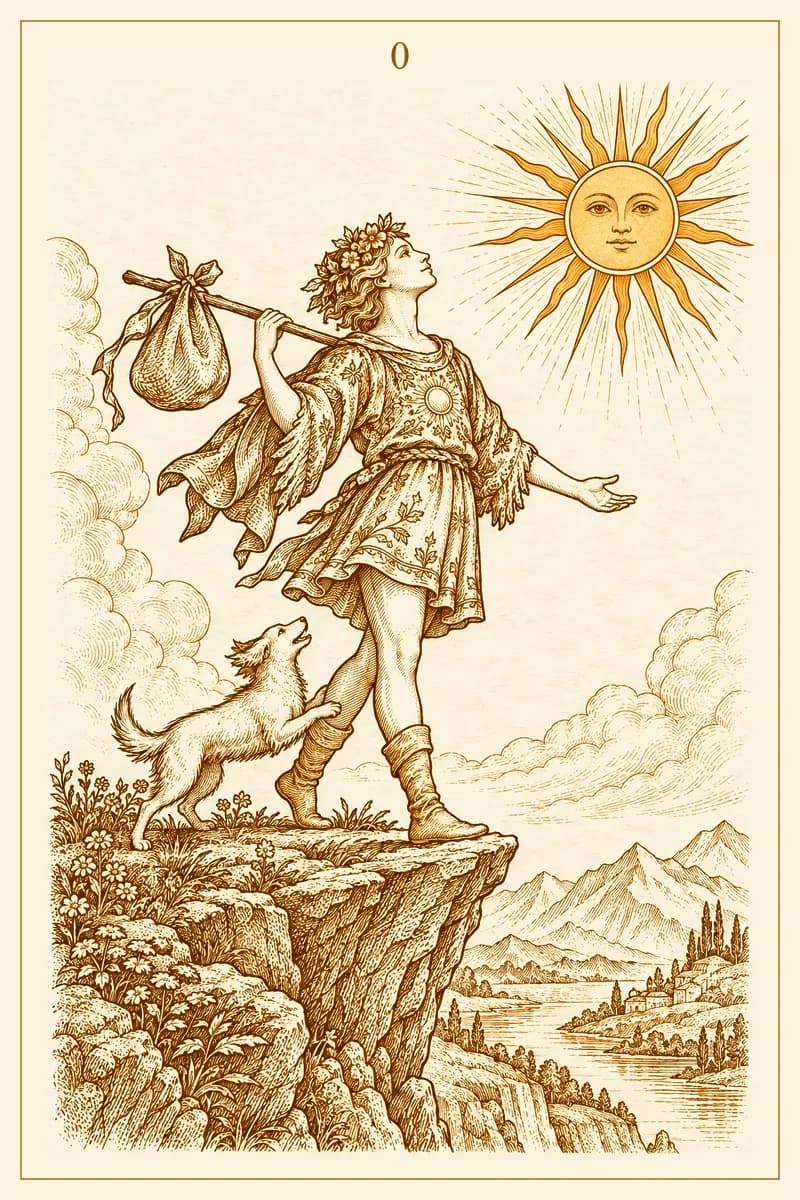
Meaning of The Fool and The Devil Combination: Innocence Meets Appetite
Undirected leap meeting deliberate passage to calmer waters
Meaning of The Fool and Six of Swords Combination: The Leap and the Crossing
Will versus compulsion
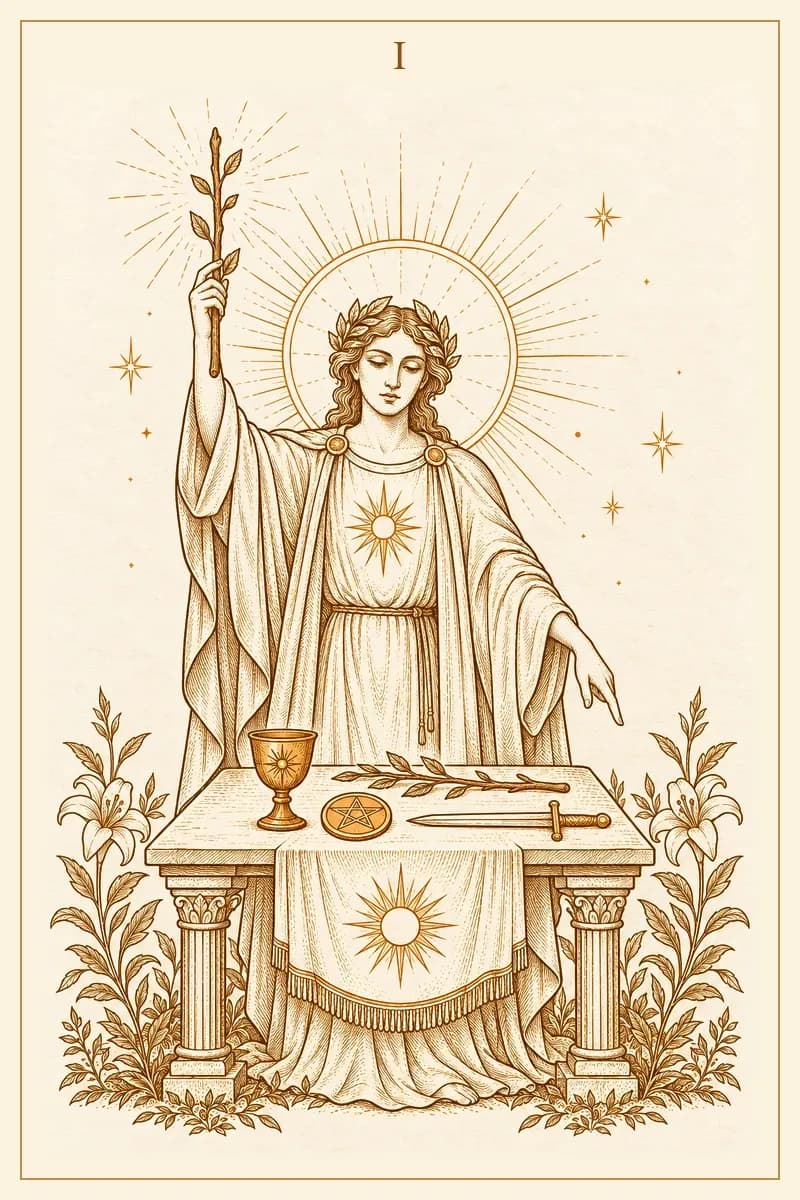
Meaning of The Magician and The Devil Combination: Willpower on a Leash
Directed transition — using skill and will to navigate away from turbulence
Meaning of The Magician and Six of Swords Combination: Skill Meets Passage
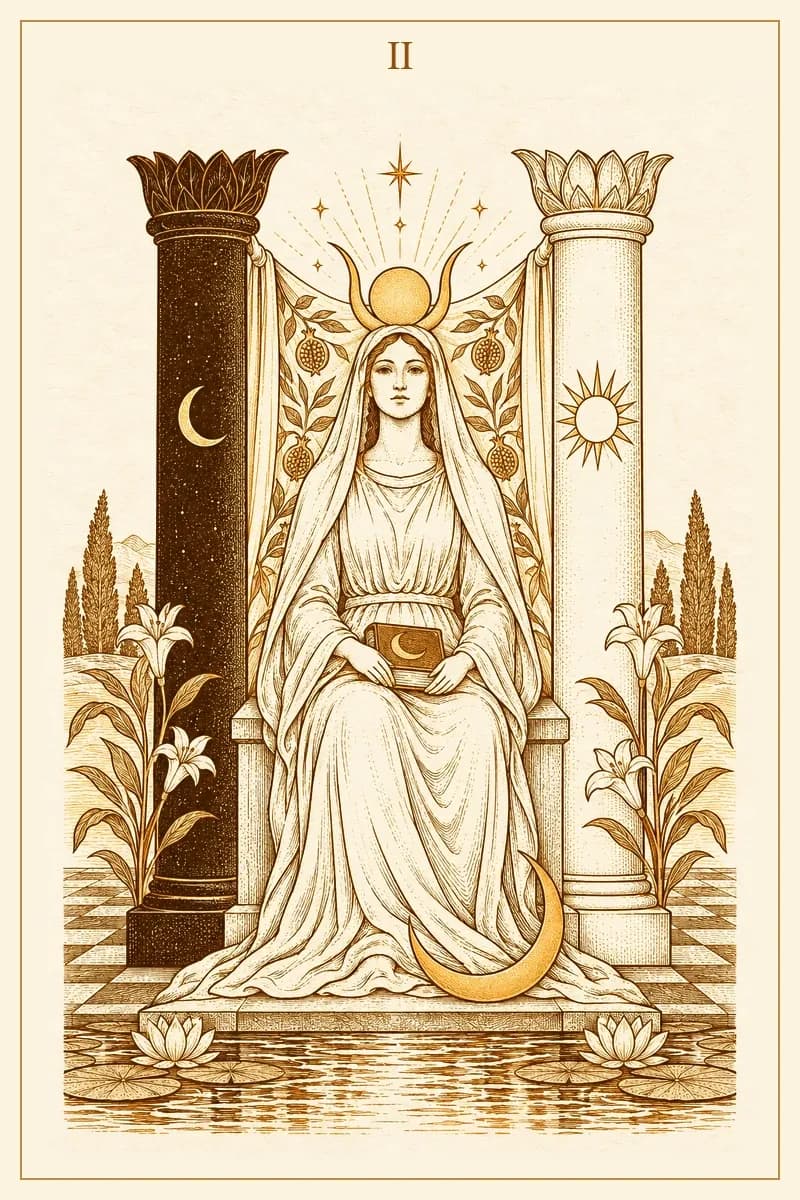
Shadow knowledge
Meaning of The High Priestess and The Devil Combination: Shadow Knowledge
Intuition as navigator
Meaning of The High Priestess and Six of Swords Combination: The Inner Navigator
✦ Bring it to the cards ✦
Bring The Devil and Six of Swords into your own reading
Use this pairing as a starting point, then let a spread listen to the situation that is actually yours.
Begin a contextual reading