
Card Combination
Meaning of The Fool and Six of Swords Combination: The Leap and the Crossing
Undirected leap meeting deliberate passage to calmer waters
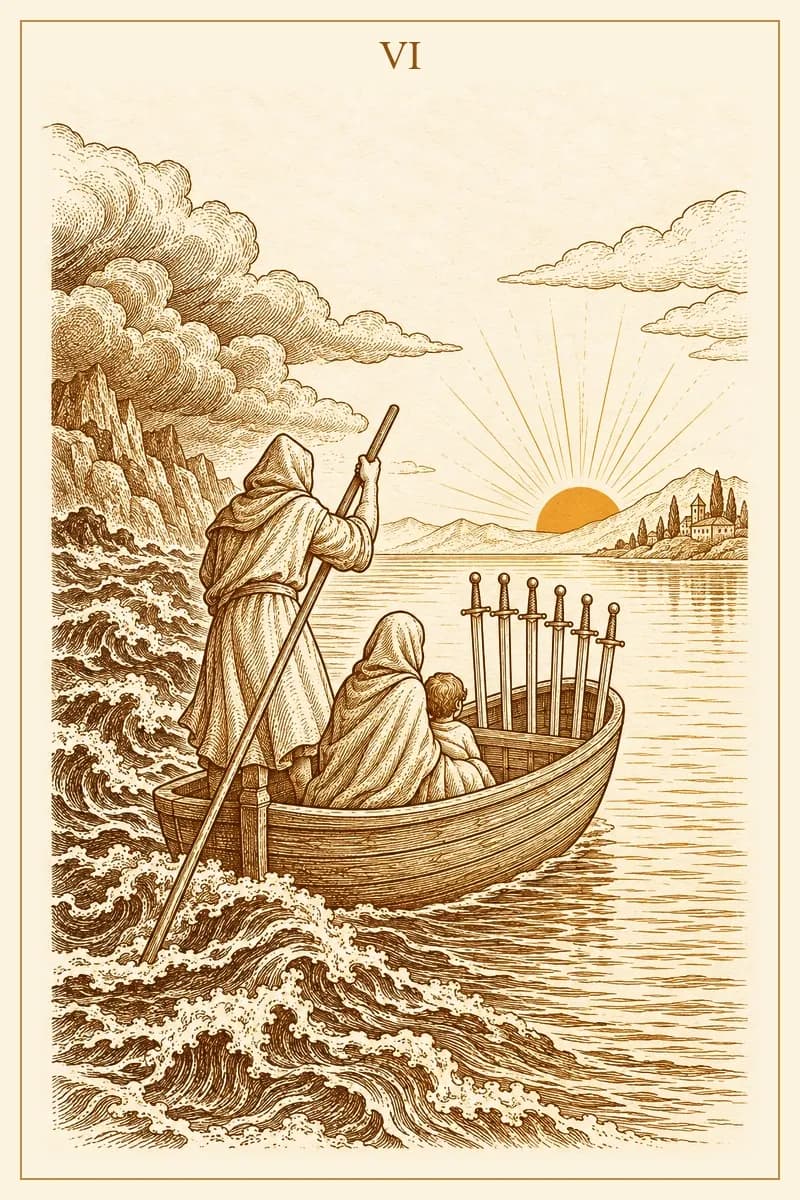
The boat is already moving. Three figures — the ferryman standing at the stern, the cloaked woman seated with head bowed, and the child beside her — cross water that is rough on one side of the boat and calm on the other. The six swords planted in the bow are cargo being carried to the new shore: problems, truths, intellectual burdens that don't disappear just because you leave. The crossing is deliberate. The destination is chosen. The leaving is a decision, not a whim.
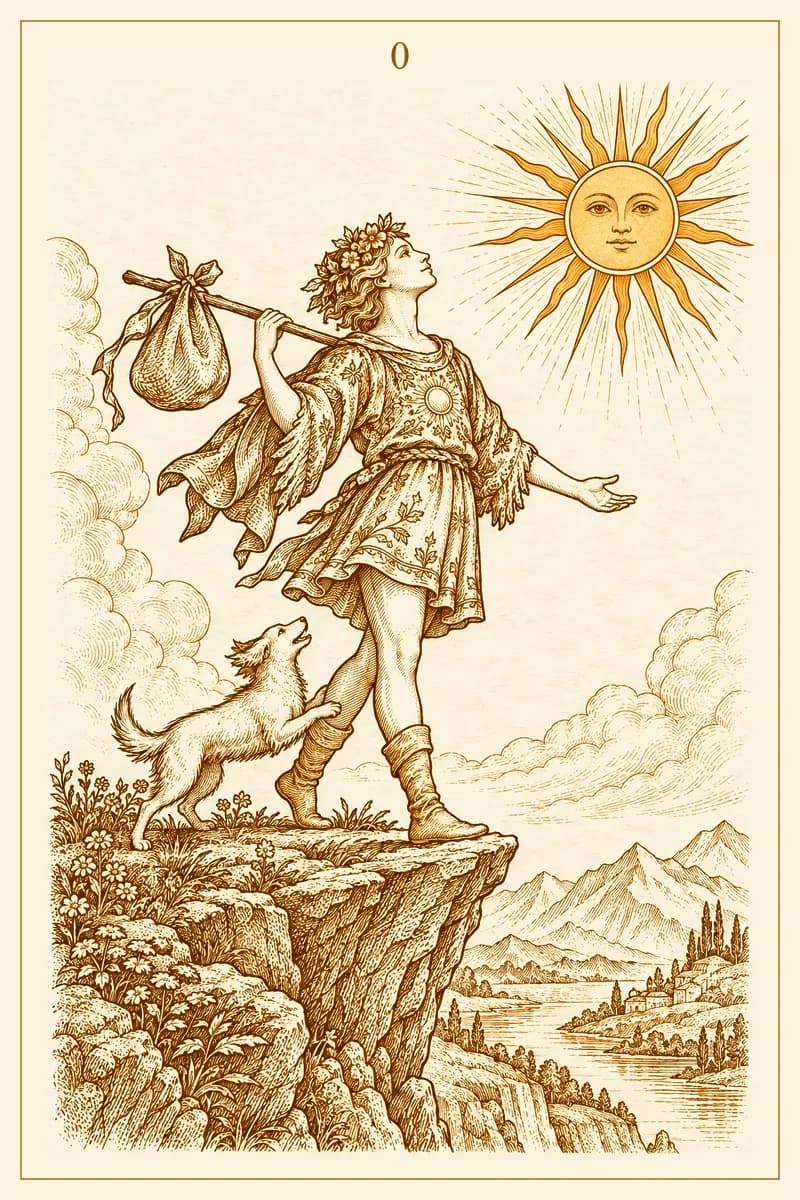
The Fool is on the bank, watching the boat or not watching it — it doesn't matter, because the Fool's next step isn't a crossing. It's a leap. No boat, no ferryman, no specific shore on the other side. The Fool moves because moving is what the Fool does, with the complete confidence of someone who has never needed a boat because they've never known the water was deep.
When these two appear together, they span the distance between two fundamentally different kinds of leaving: the calculated transition and the uncalculated leap.
The Core Tension
The Six of Swords is one of the most bittersweet cards in the minor arcana. The crossing is necessary — the shore being left is worse than the shore being approached — but the swords in the bow mean the problems come with you. This isn't escape; it's migration. The woman's bowed head suggests grief or exhaustion, not excitement. The journey is taken because staying is worse, not because going is good.
The Fool's departure has none of this weight. The Fool leaves without cargo, without grief, without the specific knowledge that what's being left behind was painful enough to require leaving. The Fool's lightness isn't denial — it's the condition of someone who hasn't yet accumulated the swords that the Six carries.
Together, they describe the complete range of departure: from the Fool's unburdened step to the Six's weighted crossing. The combination asks which kind of leaving the current situation requires, and whether the weight of the swords is genuinely necessary baggage or accumulated habit.
Love & Relationships
The Six of Swords in romantic readings describes the relationship transition: leaving a painful situation for a calmer one, the deliberate decision to move from turbulent water to still. The crossing is quiet rather than dramatic — not the breakup fight but the car ride after, when the decision has been made and the grief is present tense.
The Fool alongside this introduces a different quality of leaving. The Fool doesn't grieve what's being left because the Fool hasn't been hurt by it yet — or represents the part of the self that can leave without carrying every sword. The combination asks whether all six swords actually need to come on the boat, or whether some of them could be left on the shore.
Career & Purpose
The Six of Swords at work is the deliberate professional transition: the job change that takes you from a painful environment to a better one, carrying the lessons and the scars. The swords in the bow are the knowledge gained through difficulty — useful but heavy.
The Fool's energy here is the colleague or the part of yourself that can move to the next position without carrying everything from the last one. This isn't about forgetting the lessons. It's about distinguishing between the swords that are genuinely useful in the new territory and the ones that are being carried out of habit.
Shadow Side
The Six of Swords' shadow in this combination is the crossing that never ends — the perpetual transit between one painful situation and the next, always moving, never arriving, the swords accumulating in the bow until the boat sits too low in the water. The Fool's lightness becomes an accusation: proof that it's possible to move without carrying everything.
The Fool's shadow is the leap that doesn't recognize when a crossing is needed instead. Some departures require the boat, the ferryman, the deliberate navigation of difficult water. The Fool who leaps when the situation requires the Six of Swords' careful crossing may land in water too deep for someone without a boat.
Action Steps
- 1Identify one transition you are currently in — a crossing from turbulent water to calmer — and ask which of the swords in the bow are genuinely useful cargo and which are being carried out of habit.
- 2Find one area where the Fool's lightness could relieve the weight of a Six of Swords crossing. Not by denying the difficulty, but by questioning whether every piece of baggage actually needs to come along.
- 3Look at whether you need a crossing or a leap right now. The Six of Swords and the Fool both leave — but one navigates and one trusts. Determine honestly which kind of departure your situation requires.
Related Pairings
Continue through published pairings that share The Fool or Six of Swords.
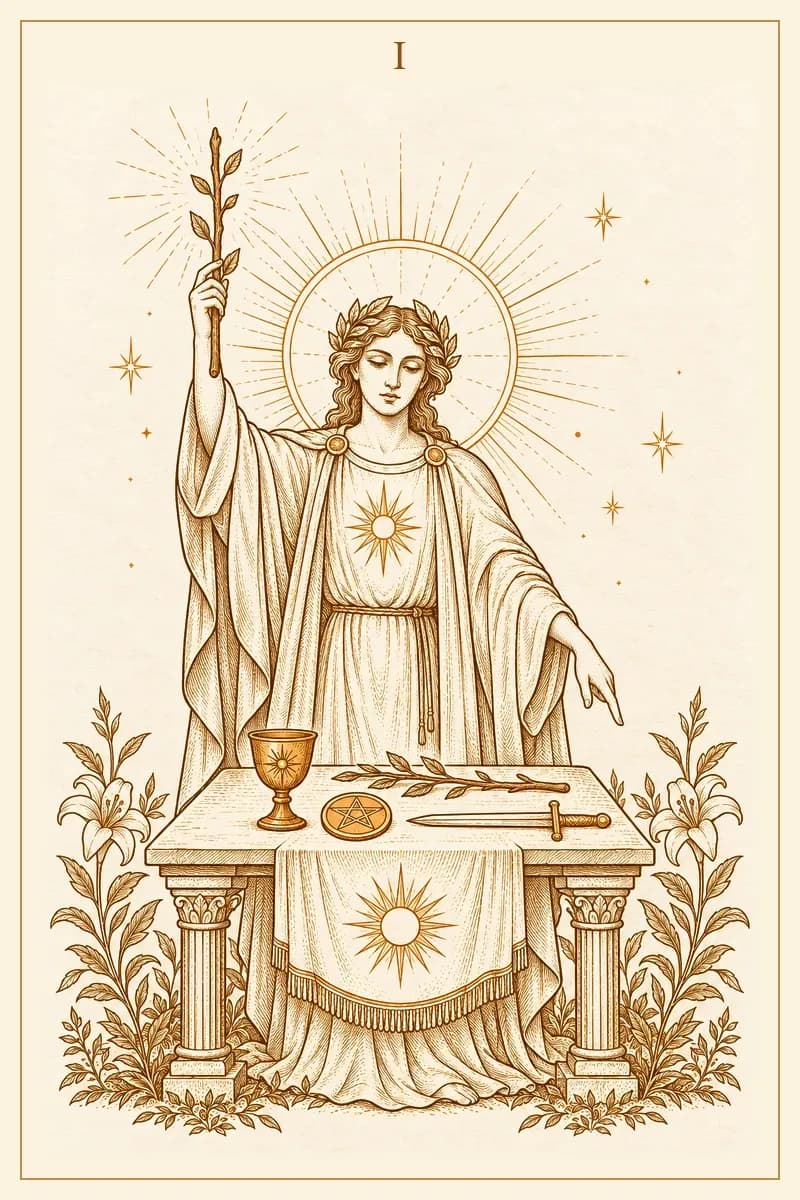
Spontaneous manifestation
Meaning of The Fool and The Magician Combination: Spontaneous Manifestation
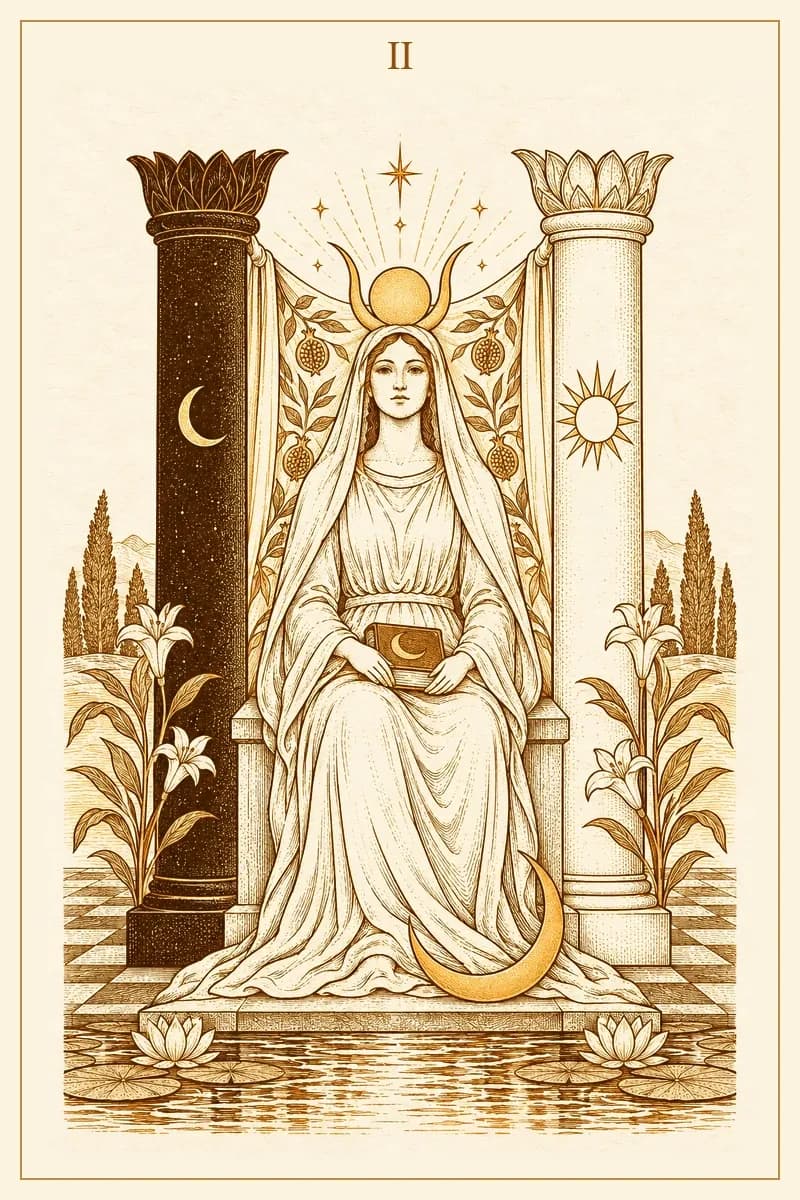
Innocent knowing
Meaning of The Fool and The High Priestess Combination: Innocent Knowing
Directed transition — using skill and will to navigate away from turbulence
Meaning of The Magician and Six of Swords Combination: Skill Meets Passage
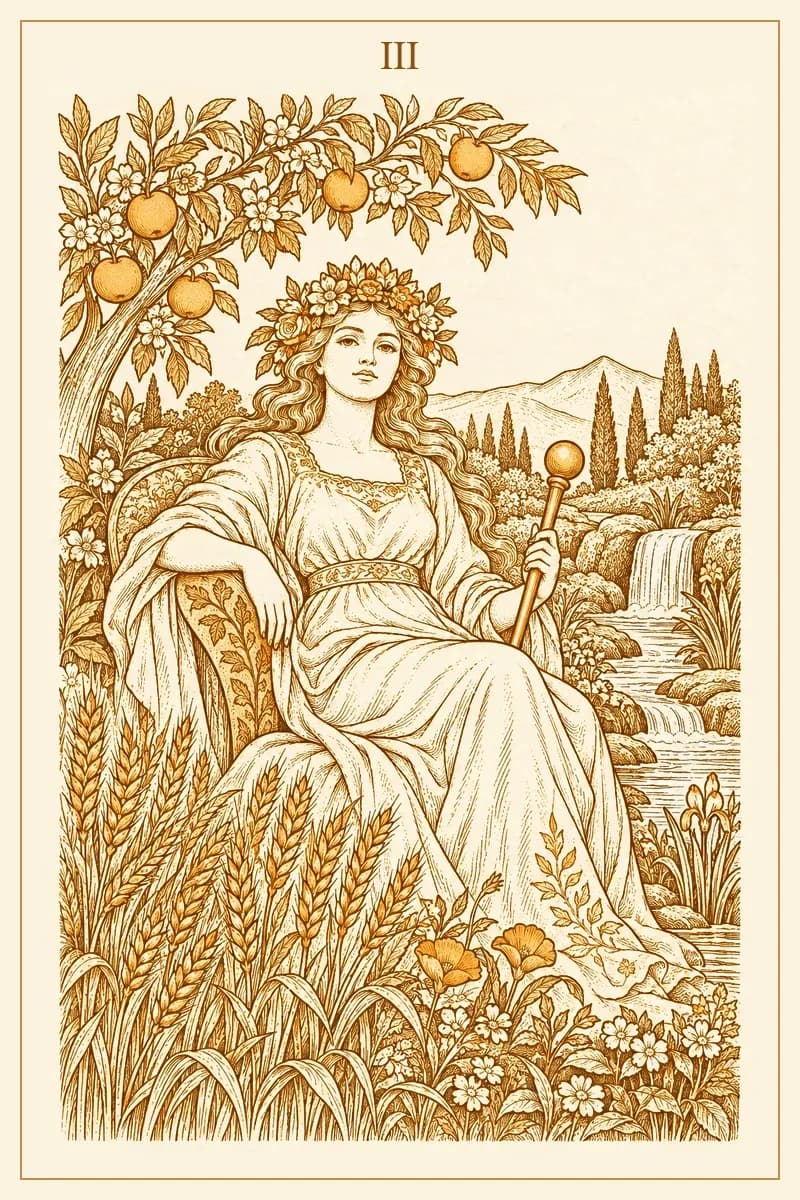
Fertile leaps
Meaning of The Fool and The Empress Combination: Fertile Leaps
Intuition as navigator
Meaning of The High Priestess and Six of Swords Combination: The Inner Navigator

Structured freedom
Meaning of The Fool and The Emperor Combination: Structured Freedom
✦ Bring it to the cards ✦
Bring The Fool and Six of Swords into your own reading
Use this pairing as a starting point, then let a spread listen to the situation that is actually yours.
Begin a contextual reading