
Card Combination
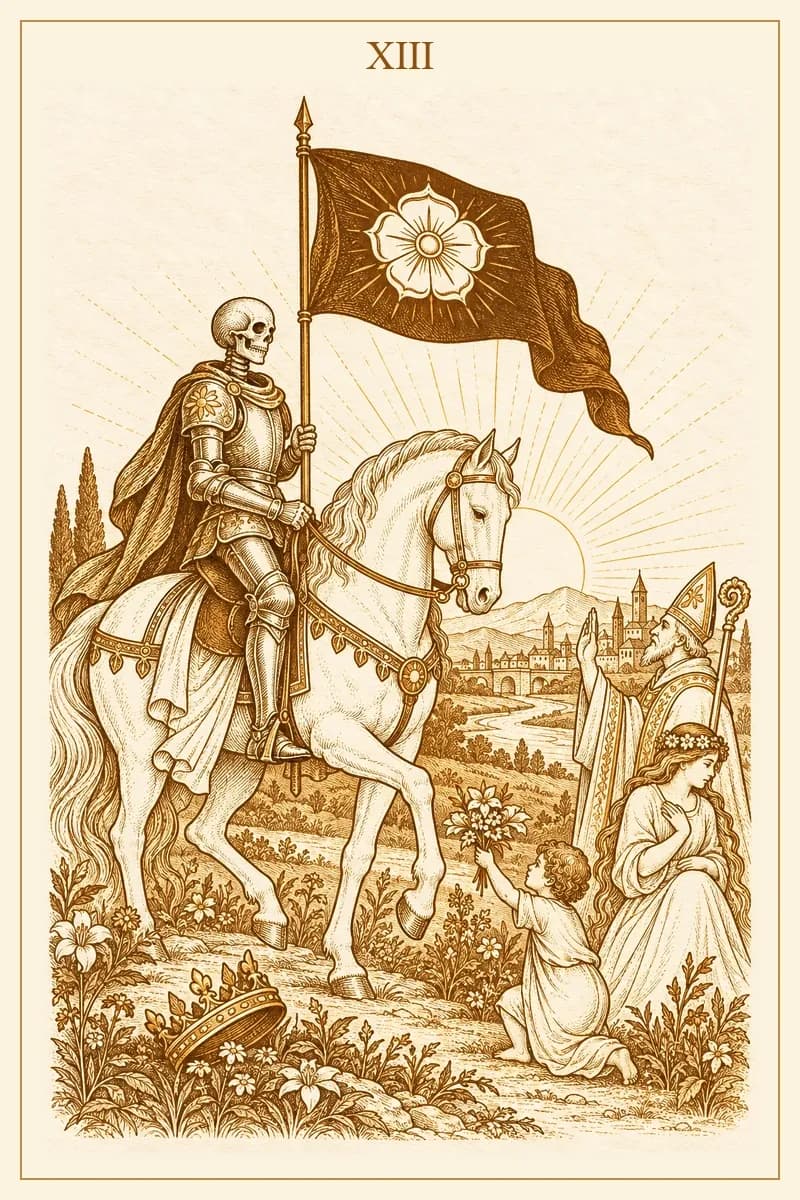
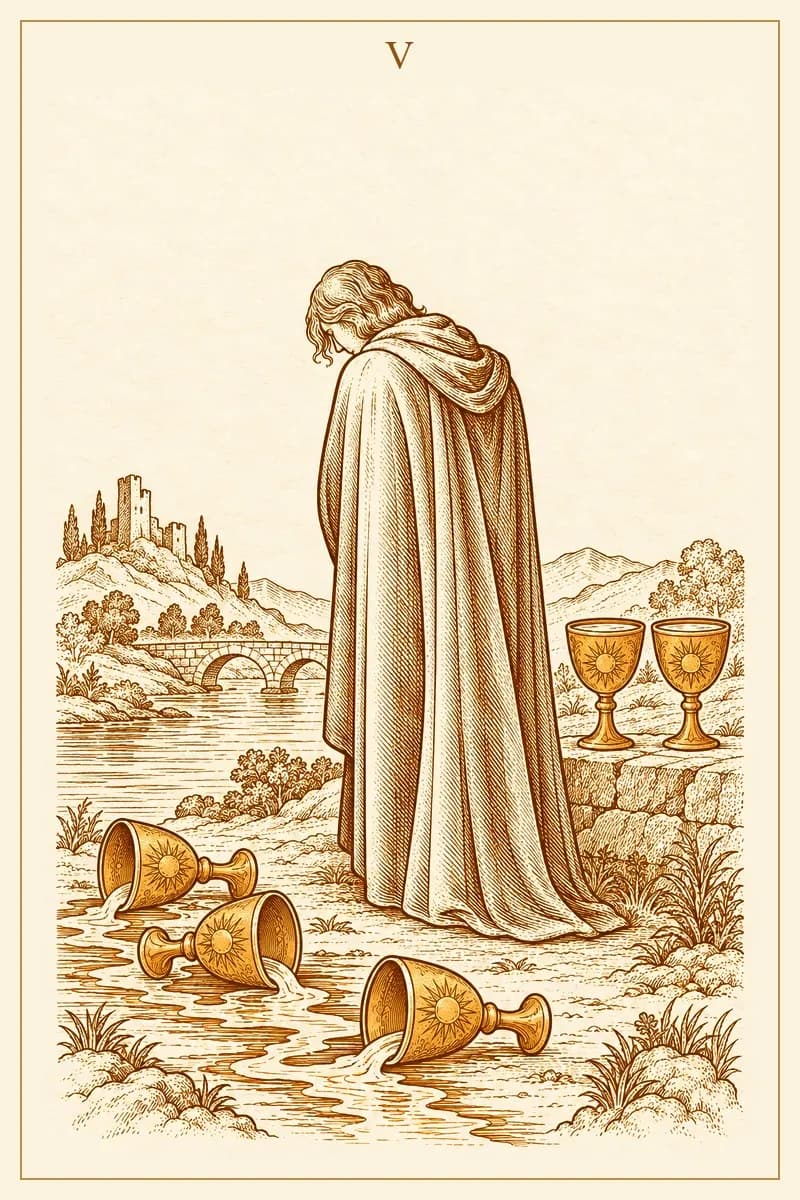
Meaning of Death and Five of Cups Combination: Grieving Forward
Grieving forward
There is a specific ache that settles behind the sternum when something irreversible has happened — a dull, persistent pressure that no amount of distraction can numb. Your hands feel heavier than usual. The room smells like stale coffee and yesterday's promises. Two cards on the table confirm what your body already knows: something has ended, and the loss is not abstract. It is sitting in your chest like a stone.
Death arrives not with violence but with clinical precision, the way a surgeon marks the boundary between tissue that can be saved and tissue that cannot. The Five of Cups stands beside it, three vessels overturned, their contents darkening the ground. Together, these cards do not soften the blow. They hand you the diagnosis plainly: this grief is real, it is yours, and walking through it is the only route to the other side.
The question is not whether you will hurt. The question is what you do with the hurt once you stop pretending it isn't there.
The Core Tension
Think of this pairing as a medical chart that shows two simultaneous readings. Death is the lab result — objective, irreversible, final. The Five of Cups is the patient's experience — the subjective report of pain, the tears that blur the clinical paperwork. One card is the fact of ending. The other is the emotional response to that fact. The tension lives in the gap between knowing something is over and feeling ready for it to be over.
Most people stall here. They read the lab result and refuse the diagnosis. They fixate on the three spilled cups — replaying conversations, cataloguing mistakes, bargaining with timelines that have already expired. But the chart also shows two cups still standing behind them, untouched and full. The diagnostic picture is not purely loss. It is loss plus remaining capacity. The core tension is whether you keep staring at the spill or turn around to see what survived.
Love & Relationships
In romantic life, this combination reads like a post-operative recovery room. A relationship has ended — or a version of it has — and the emotional wound is open and tender. You may be mourning not just a person but a future you had imagined with them: holidays, inside jokes, the particular way they said your name in the morning.
Death insists you stop administering CPR to what has flatlined. The Five of Cups permits you the grief but warns against making sorrow your permanent address. If you are currently in a relationship, this pairing can indicate mourning a phase that has passed — the honeymoon intensity, an innocence before betrayal, a shared dream that proved unviable. The prescription is not to suppress the sadness. It is to grieve with a deadline, the way a doctor prescribes rest but also sets a date for the follow-up appointment.
Career & Purpose
Professionally, expect a clear termination of something you invested in heavily. A project cancelled after months of effort. A role you shaped yourself around, suddenly dissolved. A partnership that looked permanent on paper but collapsed under operational stress. The Five of Cups shows you standing over the wreckage, tallying what was lost — time, credibility, momentum.
Death's clinical eye, however, sees the triage differently. The project was consuming resources that belong elsewhere. The role had already stopped growing you. The partnership was masking a dependency you could not afford long-term. Your professional task now is to complete the discharge paperwork: document what happened, extract the lessons, close the file. The two standing cups represent skills and contacts that remain transferable. Inventory them before you draft your next move.
Shadow Side
The shadow side of this pairing is romanticized suffering — using grief as identity, wearing loss like a badge that excuses you from participating in what comes next. Death and the Five of Cups together can create a feedback loop: the ending confirms your belief that things always fall apart, which justifies staying in mourning, which prevents you from noticing the two full cups, which makes the next ending feel even more inevitable.
Watch for the moment when sadness shifts from processing to performance. When you retell the story of what you lost not to heal but to hold court. When the grief becomes comfortable precisely because it asks nothing of you except to keep feeling it. The diagnostic term for this is chronic — and chronic conditions require intervention, not accommodation.
Action Steps
- 1Write down exactly what ended and what remains — two separate lists, no overlap allowed, completed in one sitting without editing afterward.
- 2Set a forty-eight-hour window to fully grieve without distraction: cancel unnecessary plans, let the sadness have its full volume, then on hour forty-nine, stand up and attend to one practical task you have been avoiding.
- 3Pick up one of the two remaining cups — one skill, one relationship, one resource that survived the collapse — and invest thirty minutes of focused attention into it before the week closes.
Related Pairings
Continue through published pairings that share Death or Five of Cups.
Driven transformation
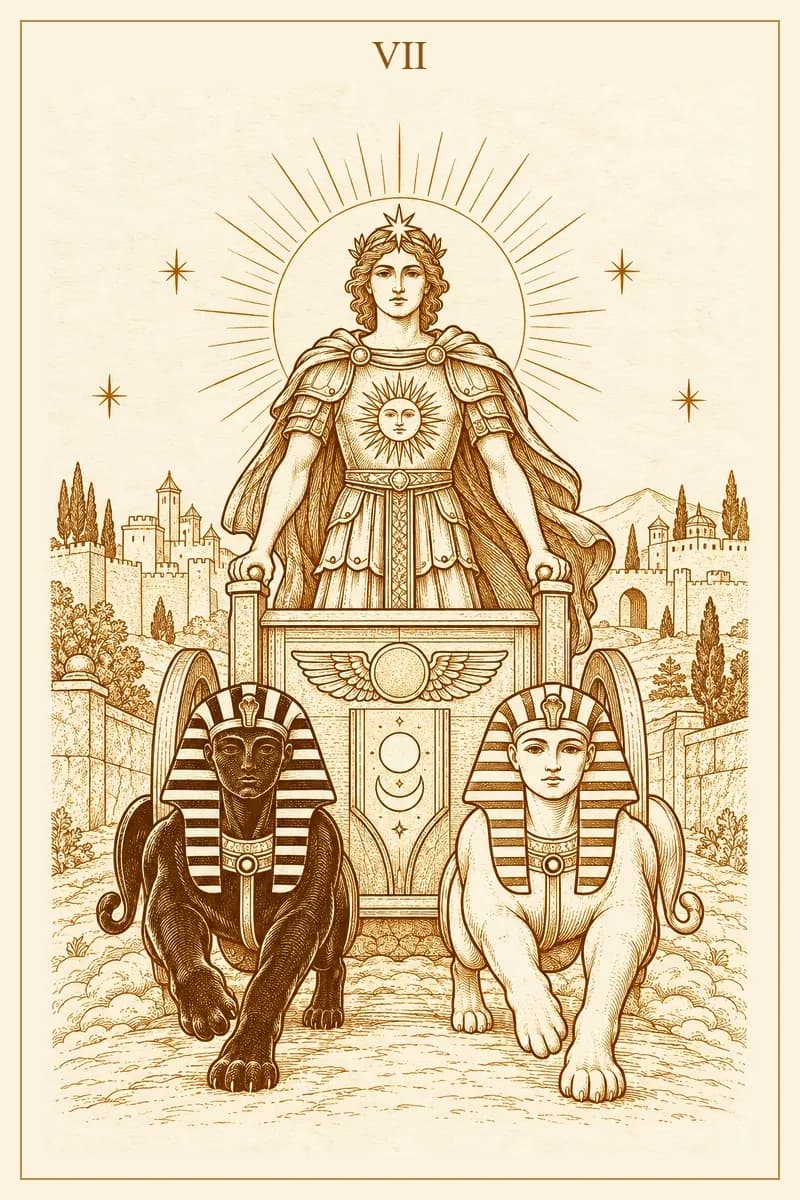
Meaning of The Chariot and Death Combination: Momentum Meets Transformation
Grief and momentum
Meaning of The Chariot and Five of Cups Combination: Driving Through Grief
Forced liberation
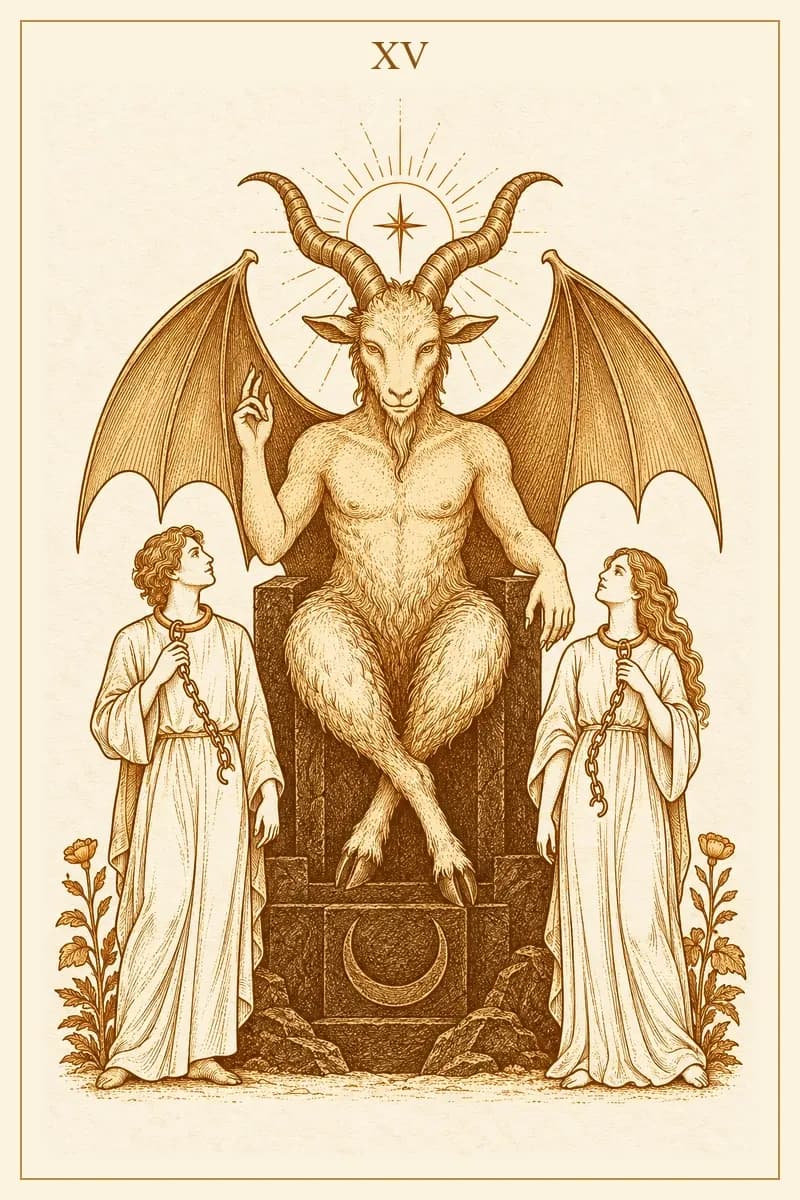
Meaning of Death and The Devil Combination: Forced Liberation
Grief-fueled bondage
Meaning of The Devil and Five of Cups Combination: Grief Feeding Chains

Hidden transformation
Meaning of Death and The Moon Combination: Hidden Transformation

The grief a ruler will not allow himself — and what that refusal eventually costs
Meaning of The Emperor and Five of Cups Combination: The Ruler Who Cannot Grieve
✦ Bring it to the cards ✦
Bring Death and Five of Cups into your own reading
Use this pairing as a starting point, then let a spread listen to the situation that is actually yours.
Begin a contextual reading