
Card Combination
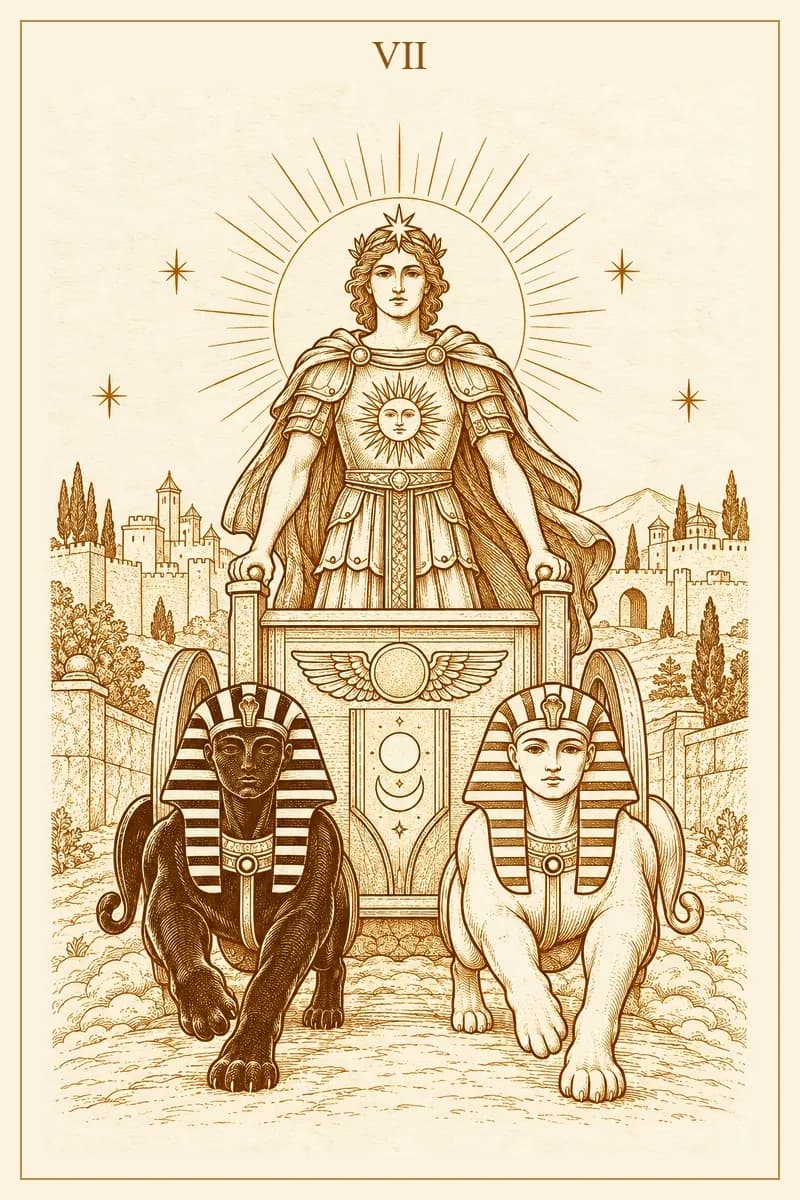
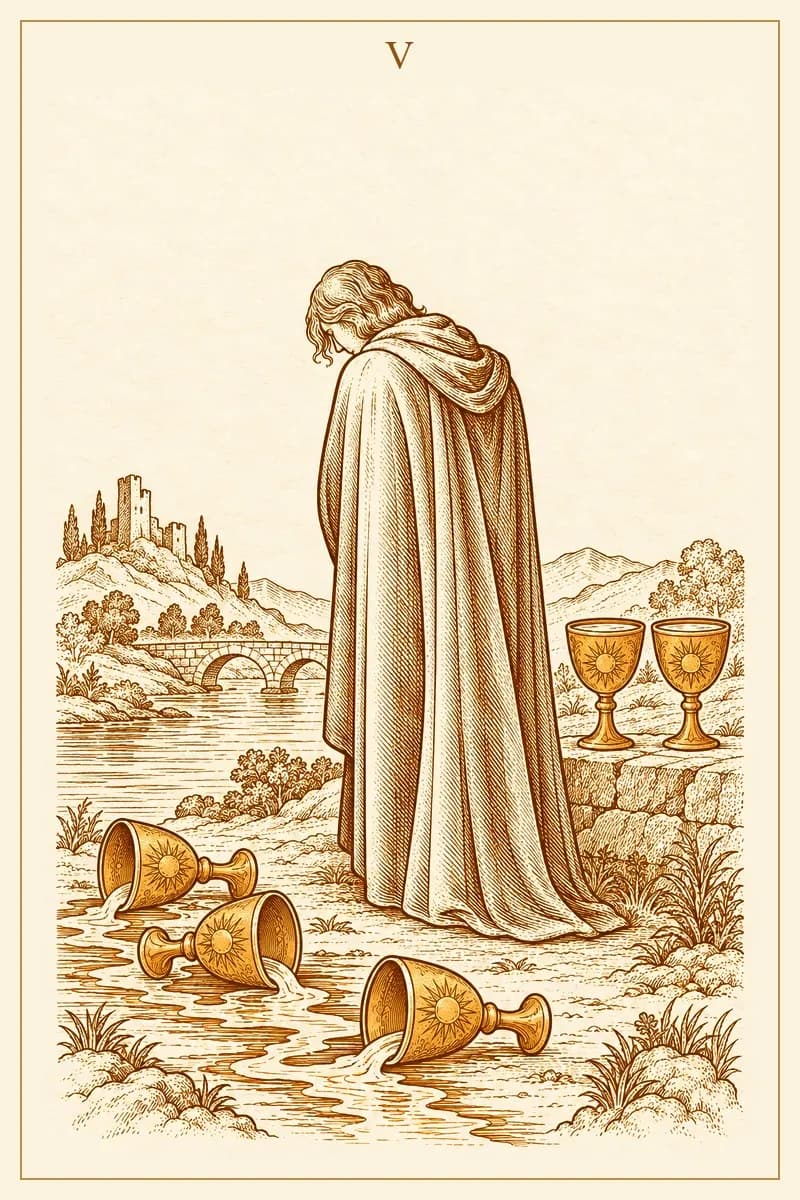
Meaning of The Chariot and Five of Cups Combination: Driving Through Grief
Grief and momentum
Picture someone who never stops moving. They wake before the alarm, answer emails before coffee, and interpret any pause as failure. Now picture that same person sitting in a parking lot outside a place they used to love, unable to go in. They're not lazy. They're not broken. They're grieving — and they've been pretending so hard not to be that the grief ambushed them somewhere between the fourth meeting and the drive home.
That is the portrait painted by these two cards together. One card is a warrior in full armor, horses straining forward, will locked on the destination. The other shows a figure hunched over three spilled cups while two full ones stand upright behind them, unseen. The contrast is almost clinical in its precision: here is someone with the capacity for great forward motion, and here is what stops them cold.
What makes this combination worth examining closely is that neither card cancels the other out. You don't simply lose your drive because you're grieving, and grief doesn't disappear because you decide to push through it. Instead, they coexist — one suppressing the other, until something gives.
The Core Tension
A useful way to think about this pairing is through the lens of a missed diagnosis. A patient presents with symptoms — fatigue, distraction, a strange flatness — and the doctor, focused entirely on treating the presenting complaint, prescribes more effort. More vitamins. A better schedule. The underlying condition goes unaddressed. The patient keeps coming back, a little worse each time.
That is what untreated grief does when forward momentum is the only tool available. The Chariot's energy is genuinely useful: determination, focus, the refusal to be derailed. But those same qualities become a liability when what is needed is not more speed but a correct assessment of the wound. You cannot drive your way out of a loss you have not yet named.
The Five of Cups does not ask you to collapse into sorrow. It asks for accurate accounting: what was actually lost, what still remains, and whether the two full cups behind the grieving figure have been noticed at all.
Love & Relationships
In a relationship reading, this combination often describes a person who loves fiercely but carries something unhealed from before — a past betrayal, a relationship that ended badly, a grief they packed away because there was no time for it. They bring tremendous energy to the partnership. They also bring a wound that hasn't been treated.
Their partner may feel the disconnect without being able to name it: why does someone so determined feel, at times, so far away? The remedy is not to slow the momentum entirely but to schedule the diagnostic work. What exactly are the spilled cups here? Naming the loss out loud is often the first real medicine.
If you are the one carrying both cards, consider whether you have ever allowed yourself to fully mourn what you've lost — not as a performance of sadness, but as an honest reckoning with what is gone.
Career & Purpose
At work, this pairing often shows up as someone who drives results but struggles with transitions. A project ends, a team disbands, a role they loved gets restructured — and instead of processing that loss, they throw themselves into the next objective. The Chariot keeps moving. The Five of Cups sits in the passenger seat, quietly draining fuel.
Watch for the pattern of overwork that functions as avoidance. When the pace becomes a way of not feeling something, the underlying grief compounds. The two full cups standing behind the figure represent real resources: colleagues who care, skills that remain, opportunities still intact. They go unseen because the eyes are fixed on what spilled.
Shadow Side
The shadow of this combination is the person who becomes so identified with endurance that they cannot ask for help — because asking for help requires admitting there is something wrong, and admitting that requires acknowledging the loss they've been outrunning.
There is also a subtler shadow: the grief that gets displaced onto ambition. If I achieve enough, the loss won't matter. If I keep moving, I won't have to feel it. This is a diagnosis disguised as a virtue.
Action Steps
- 1Set aside twenty minutes with no agenda except to write down, without editing, what you are still mourning — even if it seems too small or too old to count.
- 2Identify one resource you have been overlooking because your attention has been fixed on what's gone. One full cup. Name it specifically.
- 3Practice ending one thing each day with a proper close: a task, a conversation, a work session. Notice whether completion feels like relief or discomfort.
- 4The Chariot and Five of Cups are asking you to drive — but first to get an accurate reading of the vehicle's condition. Momentum is not a substitute for diagnosis. The fastest route forward runs directly through honest acknowledgment of what was lost, not around it.
Related Pairings
Continue through published pairings that share The Chariot or Five of Cups.
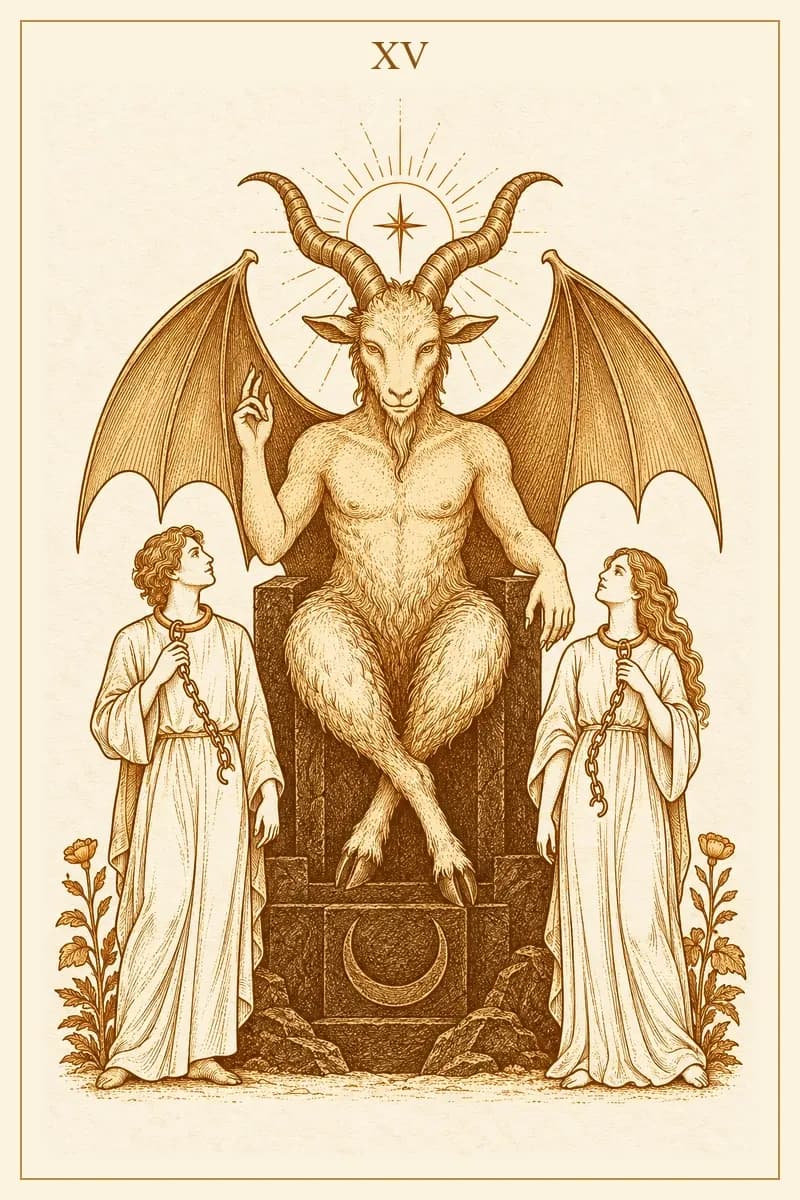
Ambition vs obsession
Meaning of The Chariot and The Devil Combination: Ambition in Chains
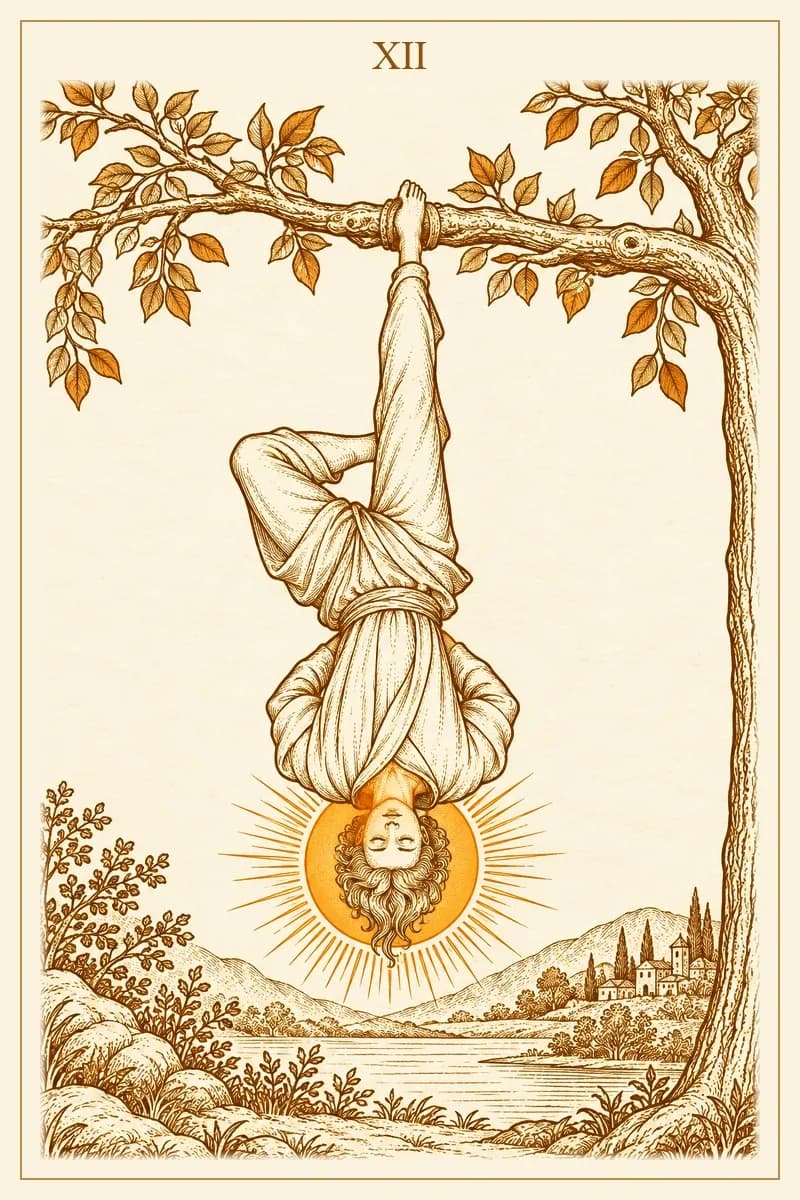
Momentum versus surrender
Meaning of The Chariot and The Hanged Man Combination: Momentum Meets Stillness
Grief-fueled bondage
Meaning of The Devil and Five of Cups Combination: Grief Feeding Chains
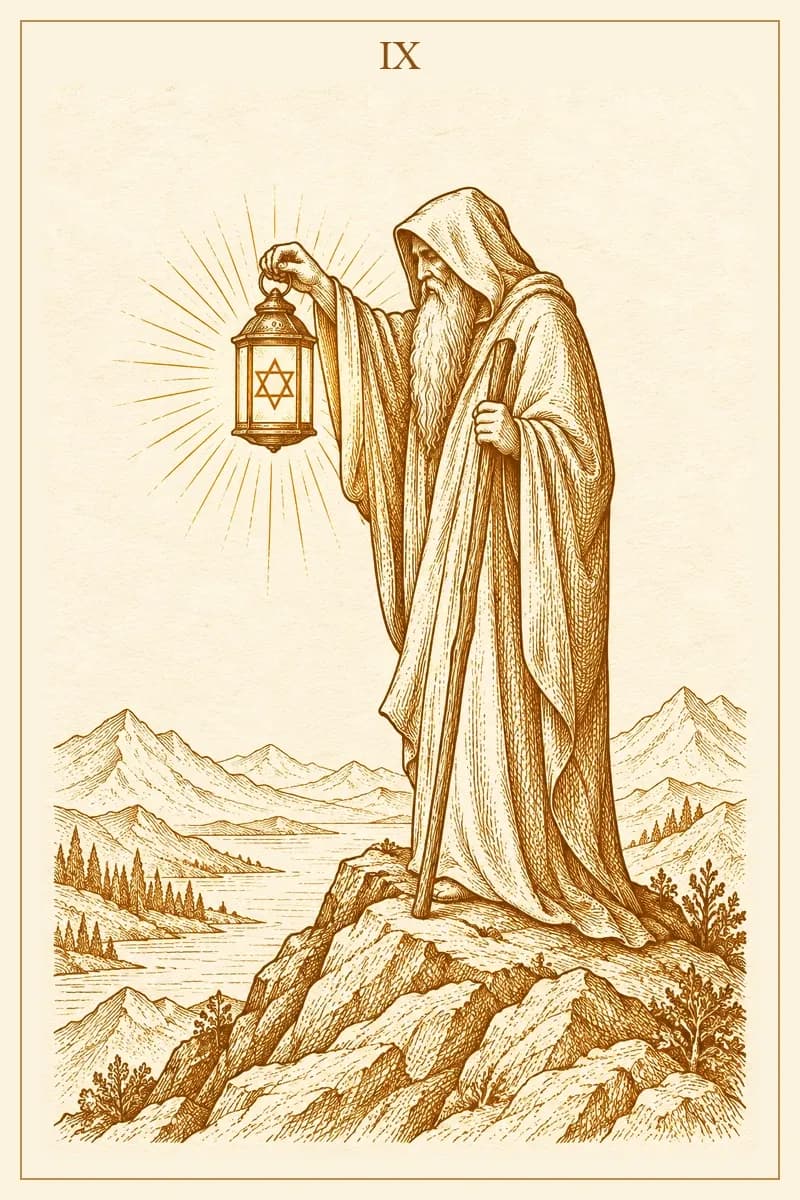
Driven introspection
Meaning of The Chariot and The Hermit Combination: Driven Inward
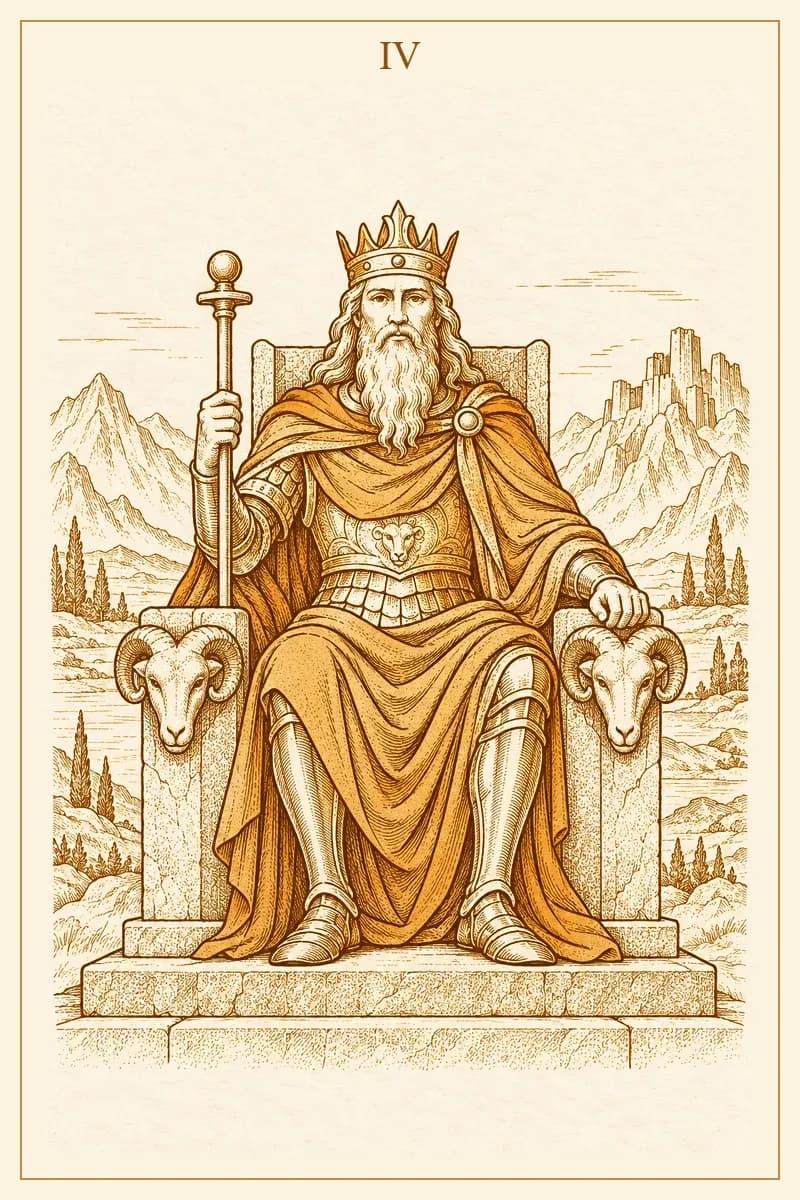
The grief a ruler will not allow himself — and what that refusal eventually costs
Meaning of The Emperor and Five of Cups Combination: The Ruler Who Cannot Grieve
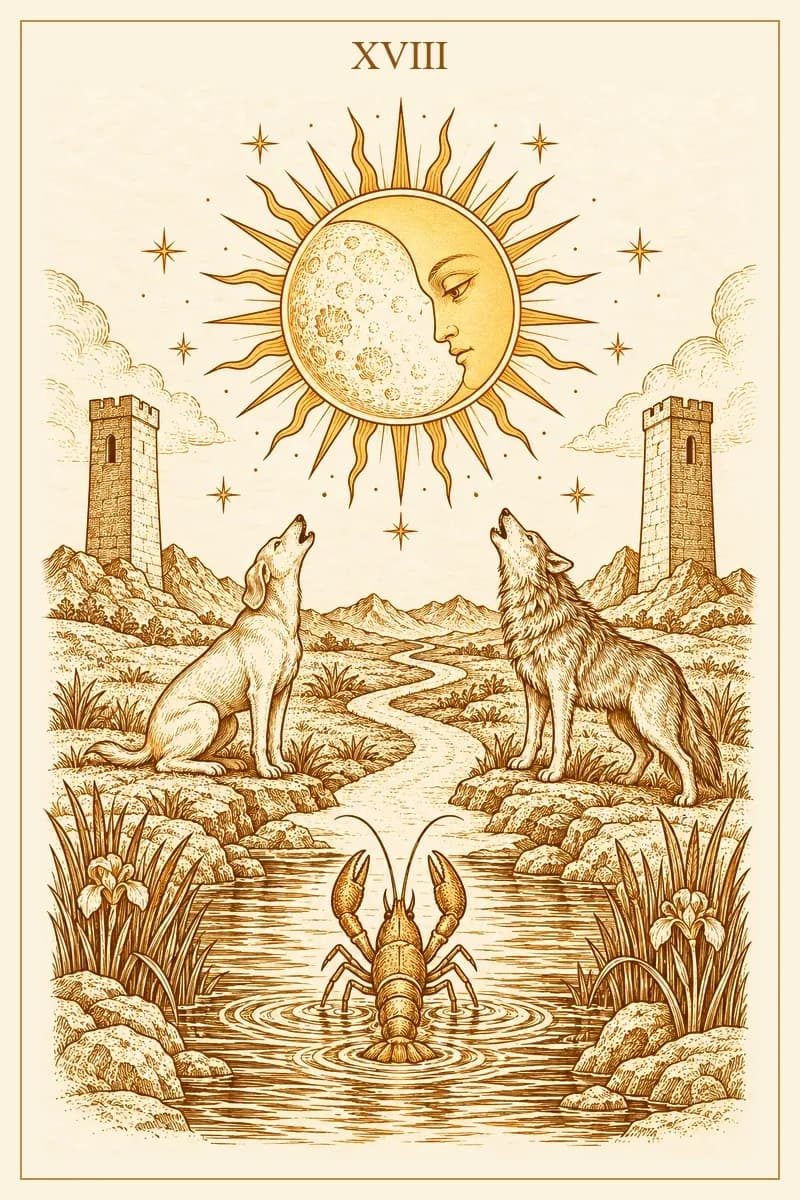
Willpower versus illusion
Meaning of The Chariot and The Moon Combination: Battle in the Fog
✦ Bring it to the cards ✦
Bring The Chariot and Five of Cups into your own reading
Use this pairing as a starting point, then let a spread listen to the situation that is actually yours.
Begin a contextual reading