
Card Combination
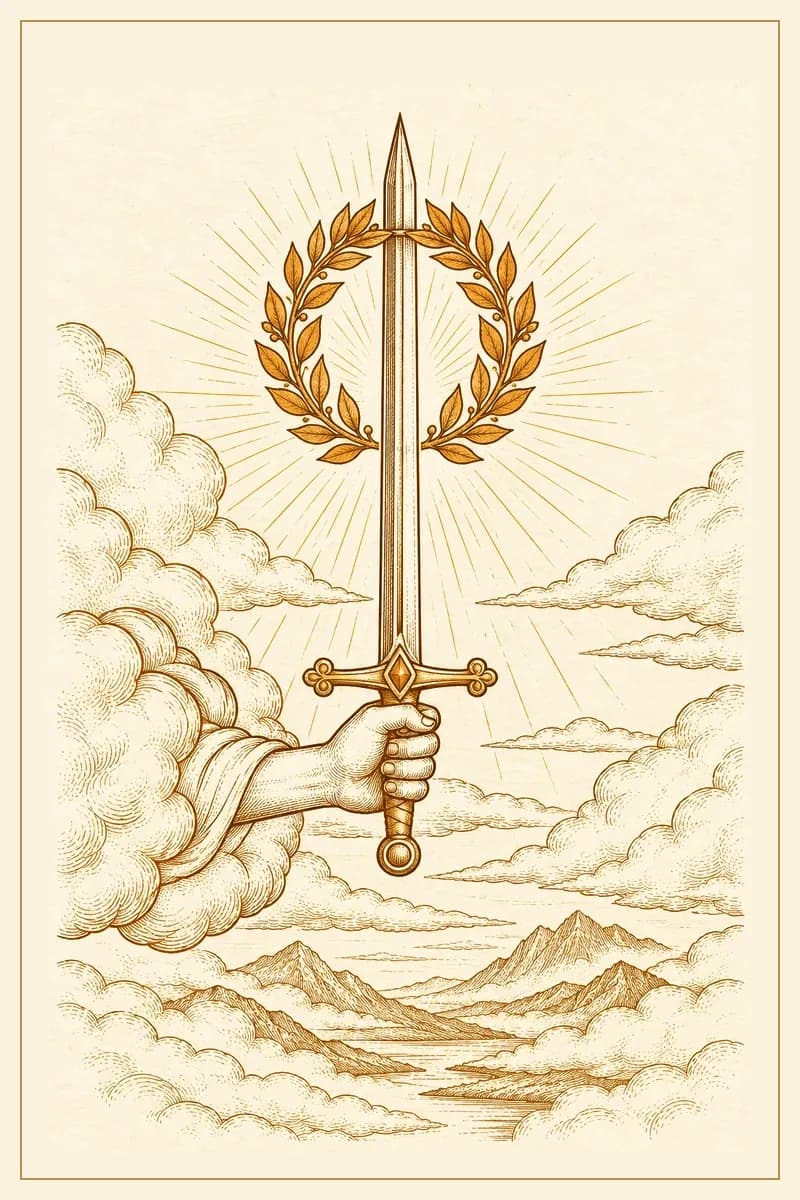
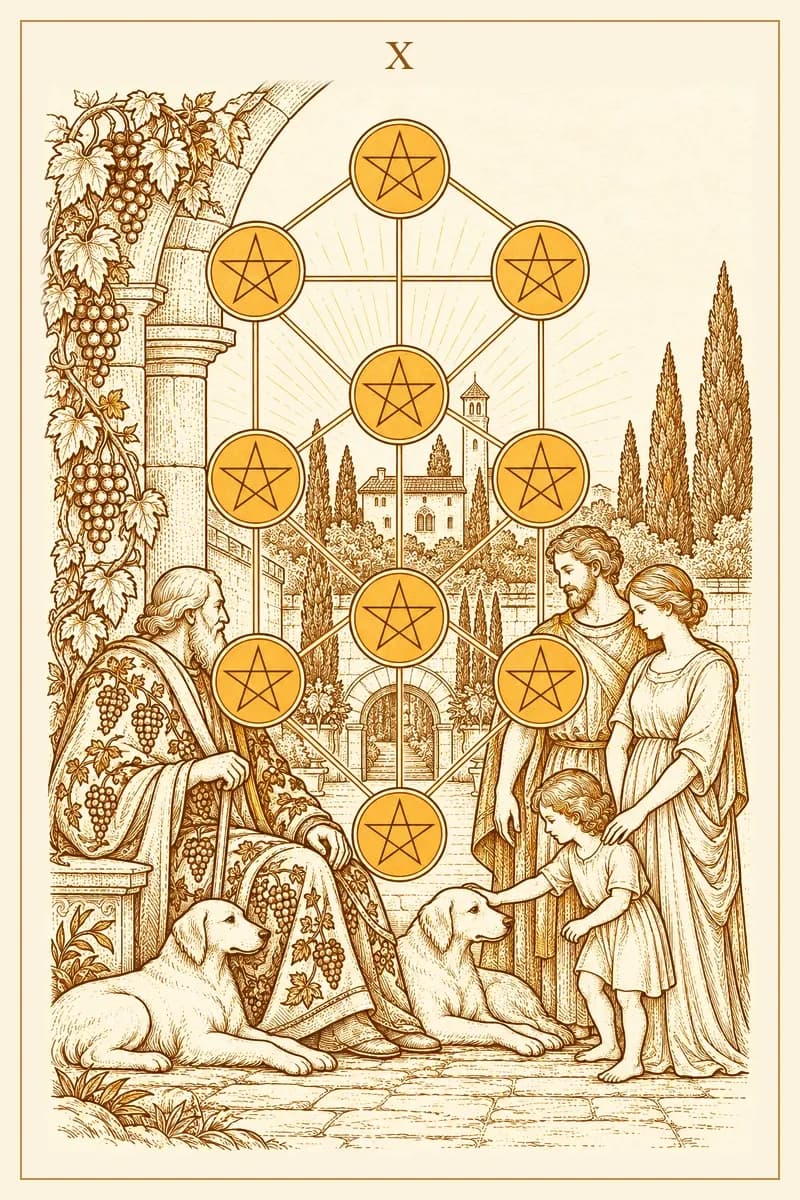
Meaning of Ace of Swords and Ten of Pentacles Combination: Cutting Into Legacy
Intellectual disruption of legacy
Every machine eventually needs a part that wasn't in the original blueprints. The family business hums along on gears that grandfather installed, the estate runs on routines that great-grandmother programmed into the household decades ago, and nobody questions the mechanism because it still turns. Then the Ace of Swords arrives — a precision tool that didn't exist when the engine was first assembled — and suddenly you can see which components have been grinding against each other all along.
The Ten of Pentacles is the machine itself: intricate, multigenerational, built from accumulated wealth, tradition, and the expectation that what worked before will work forever. It's the family estate, the inherited portfolio, the unspoken rules that govern who gets what and why. It runs smoothly until it doesn't.
This pairing confronts you with a mechanic's dilemma: do you maintain the engine as-is, replacing worn parts with identical copies, or do you introduce a component that could make the whole system run better but risks voiding the warranty?
The Core Tension
The Ace of Swords is a single, undeniable insight — a diagnostic tool so precise it reveals flaws invisible to the naked eye. It doesn't care about tradition. It cares about truth. When you run this instrument across the Ten of Pentacles' elaborate machinery, it finds the hairline fractures in foundations everyone assumed were solid.
The Ten of Pentacles resists diagnosis. Its authority comes from longevity, from the simple argument that a machine running for three generations must be running correctly. Wealth, family structure, institutional memory — these are heavy components, and they don't appreciate being disassembled by a single new idea.
The core tension is between inherited stability and intellectual honesty. The Ace says the system needs upgrading. The Ten says the system has been working fine for decades. Both are partially right, which makes the decision genuinely difficult.
Love & Relationships
In romantic readings, this combination surfaces when intellectual clarity meets family expectation. You see something about your relationship — or about the family system surrounding it — that others refuse to acknowledge. Maybe the family dynamic is dysfunctional beneath its prosperous surface. Maybe the inheritance structure creates power imbalances nobody discusses.
The Ace of Swords gives you the language to name what you're observing. The Ten of Pentacles reminds you that naming it has consequences. Speaking truth inside established family systems is like recalibrating an engine while it's running — necessary but risky.
If you're building a long-term partnership, this combination asks you to define your own legacy rather than inheriting someone else's blueprint. What kind of family machine do you want to build, and which inherited parts are worth keeping?
Career & Purpose
Professionally, the Ace and Ten together describe the moment when a sharp new idea meets an entrenched institution. You've identified an inefficiency in a system that has been profitable for years. Your analysis is correct. The resistance you'll face isn't logical — it's mechanical. Systems resist recalibration because every adjustment affects every other gear.
This combination favors the consultant, the auditor, the new hire who spots what veterans have normalized. Your precision is your advantage. But precision without diplomacy will strip the threads. Present your insight as an upgrade, not an indictment. Show how the new component integrates with the existing machinery rather than replacing it entirely.
For entrepreneurs, this pairing suggests that your sharpest competitive advantage comes from identifying structural weaknesses in established industries — finding the part that's been grinding for years while everyone assumed the noise was normal.
Shadow Side
The shadow here is arrogance disguised as insight. The Ace of Swords can become a wrecking bar instead of a precision tool — dismantling legacy systems not because they need fixing but because the dismantler enjoys the destruction. Not every tradition is a malfunction. Some old gears run smoothly precisely because they've been worn into perfect alignment by decades of use.
There's also the Ten of Pentacles shadow: using wealth and family authority to suppress uncomfortable truths. The machine's owners don't always welcome the mechanic's diagnosis, especially when the repair requires admitting that grandfather's design had a flaw. Watch for the moment when protecting legacy becomes protecting ego.
Action Steps
- 1Identify one inherited system in your life — a family pattern, a financial arrangement, a workplace process — and examine it with the Ace's precision, noting where the mechanism functions well and where it grinds.
- 2Have one honest conversation about an institutional truth you've been observing but haven't voiced, framing it as mechanical improvement rather than personal criticism.
- 3Make one deliberate choice about what you want to carry forward from your inherited structures and what you're ready to replace with something better engineered for your actual life.
Related Pairings
Continue through published pairings that share Ace of Swords or Ten of Pentacles.
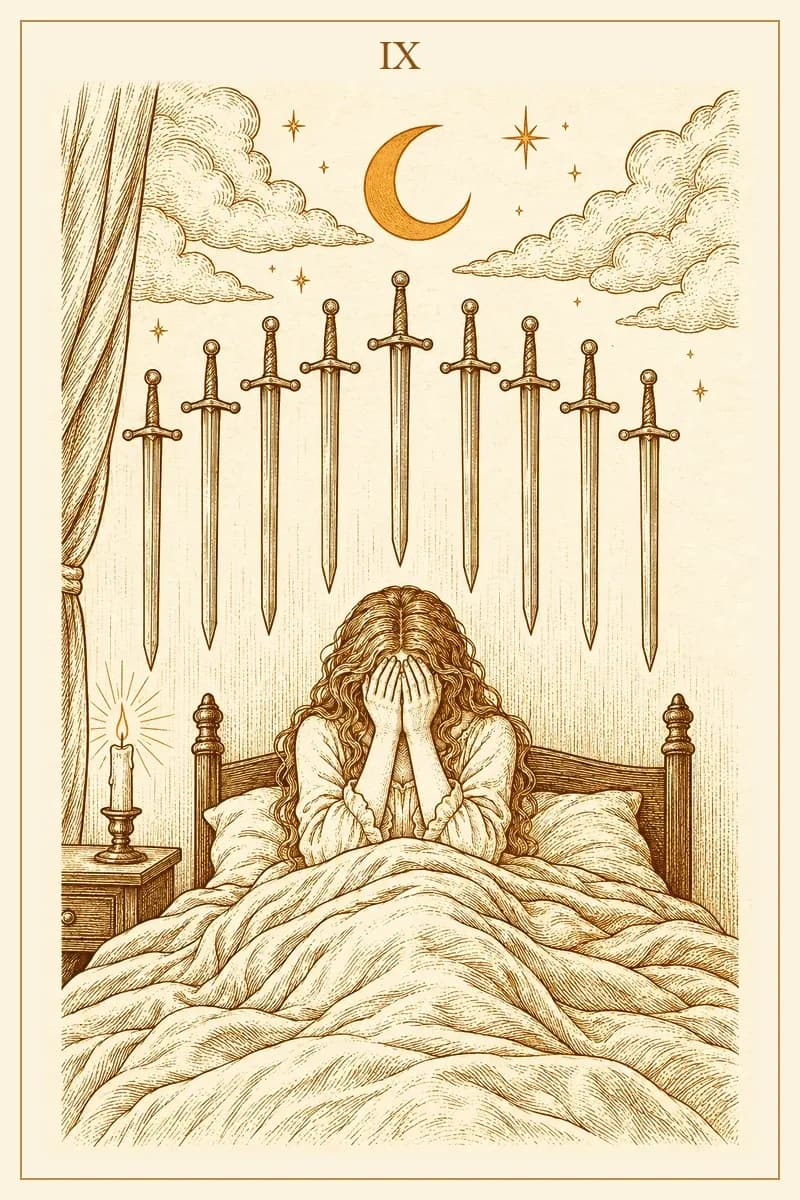
Truth born from suffering
Meaning of Ace of Swords and Nine of Swords Combination: Clarity Through Anguish
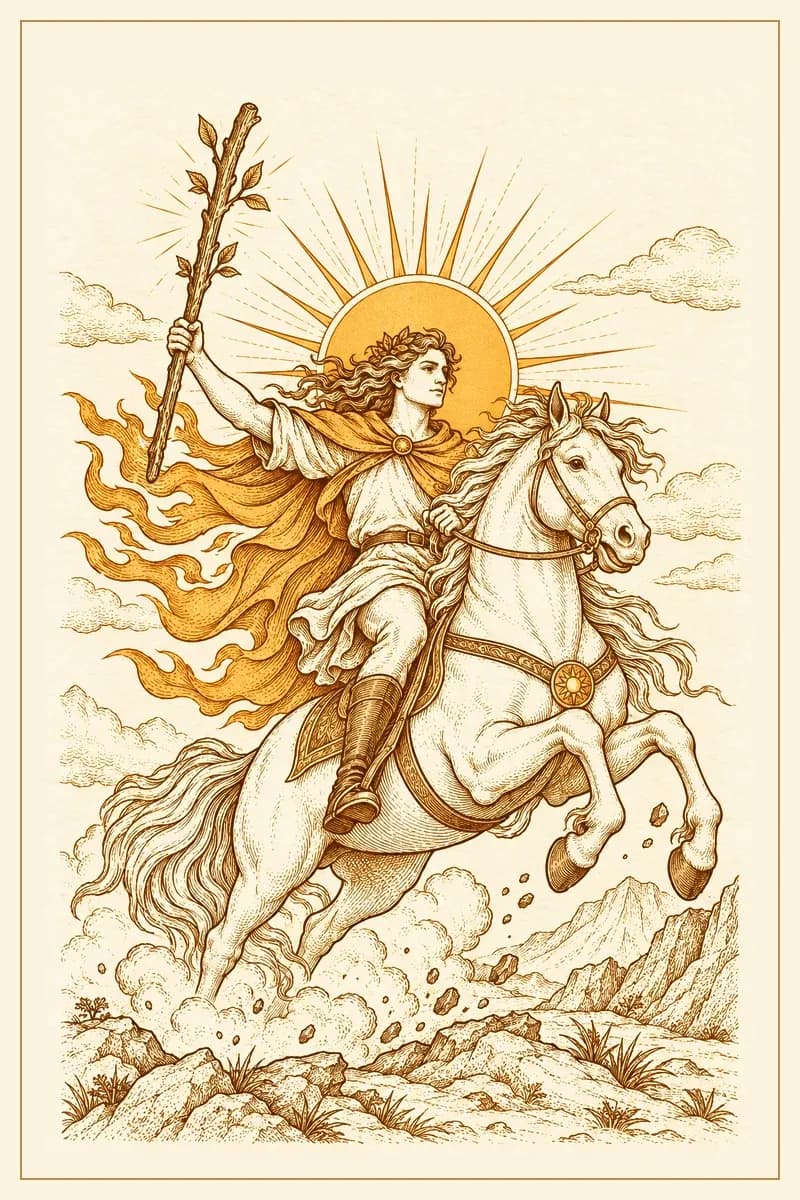
ambition meets legacy
Meaning of Knight of Wands and Ten of Pentacles Combination: Speed Meets Legacy
Anxiety within abundance
Meaning of Nine of Swords and Ten of Pentacles Combination: Anxiety Behind the Estate Walls
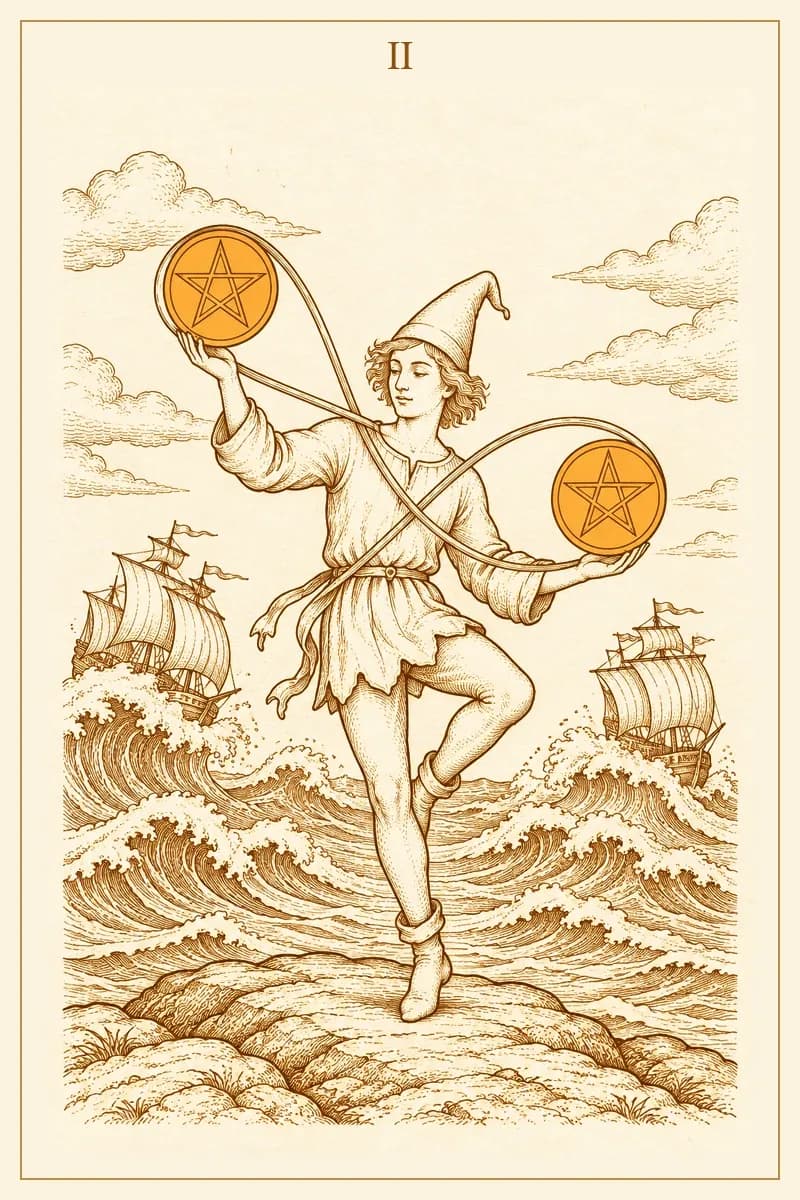
Daily balance building lasting legacy
Meaning of Two of Pentacles and Ten of Pentacles Combination: Juggling Toward Legacy
✦ Bring it to the cards ✦
Bring Ace of Swords and Ten of Pentacles into your own reading
Use this pairing as a starting point, then let a spread listen to the situation that is actually yours.
Begin a contextual reading