
Card Combination

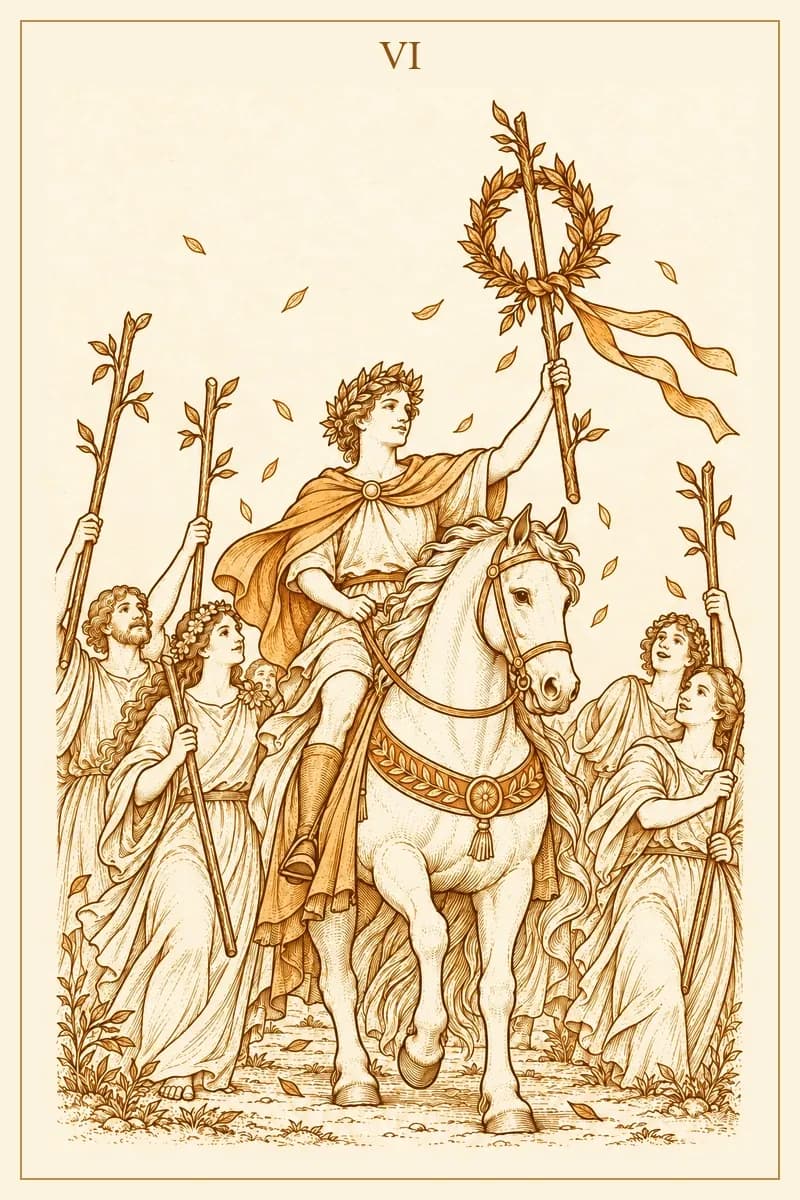
Meaning of The Magician and Six of Wands Combination: The Craft Behind the Crown
Quiet skill, public acclaim
The surgeon's hands are already moving when the family arrives in the corridor outside. There is no hesitation — each incision follows from the last with the logic of long preparation. She has done this procedure eleven hundred times. The operating room hums with the confidence of a practice that does not need to perform.
What she does not know is that the hospital administrator is watching through the observation window with a journalist who is writing a feature about the institution. By the time she exits the OR, someone has already described her work in print as extraordinary.
This is the moment the Magician and the Six of Wands share.
The Magician is the practitioner who has earned his tools. His table holds the wand, the cup, the sword, and the pentacle — not as symbols but as instruments he has spent years learning to use. The intelligence behind his work is real. The technique is repeatable. What has been missing, often by design, is an audience.
The Six of Wands is the parade. It is the wreath on the brow, the crowd with wands raised, the public confirmation that something has been accomplished worth celebrating. It does not generate the victory — it witnesses and names it. When these two cards arrive together, the reading is not about a lucky moment or unearned acclaim. It is about what happens when a practitioner who was content to work in obscurity finds the work has become visible whether she planned for that or not.
The Core Tension
The Magician is self-sufficient in a way that can become its own limitation. He does not require external validation to know the work is good. The radiologist who reads twelve scans before 9 AM and catches the detail the attending missed does not need anyone to applaud. The quality of her observation is the reward. She has become so practiced at operating without an audience that the arrival of one is disorienting.
The Six of Wands introduces a complication that looks like a gift. Recognition is arriving — real, specific, earned recognition. But the Magician's identity has been built around the private relationship with his craft, and the crowd changes that relationship. What was between the practitioner and the work now has spectators. The diagnostic acuity that was a private matter of professional pride must now survive being observed.
The tension is not between the Magician and the recognition. It is between the Magician's understanding of what the work is and the crowd's version of what the work means. These two accounts are not the same thing.
Love & Relationships
The Magician's way of loving is careful and invisible. He reads the other person accurately — the patterns in their mood, the things they cannot say directly, the shape of what they need — and responds to what he sees rather than what they express. The other person often does not notice they are being cared for. That is part of the method.
The Six of Wands means someone has noticed. Someone is not only receiving the care but naming it as exceptional. The adoration is specific: they have seen how the Magician operates, and they are telling him it has changed something for them.
This is the shadow-side of recognition in love. The Magician who was calibrated to working without acknowledgment may not know what to do with being seen so directly. He may deflect, minimize, or — and this is the deeper risk — begin performing the care he was previously just delivering. The surgical skill that was effortless becomes self-conscious once someone starts watching. The relationship survives this only if the Magician can receive the recognition without letting it replace the original motivation.
Career & Purpose
A project you ran with focused competence has become visible at the level above yours. The methodology you applied without fanfare has produced results that leadership is now citing in meetings. You are being asked to present work you considered internal. The Six of Wands is not asking you to be a different person — it is asking you to show the work you already did.
This is the most straightforward version of this combination in professional contexts: the skill was always there, the recognition is now catching up. The physician who has been treating complex cases in a regional clinic for a decade is invited to present at a national conference. She is not learning new medicine. She is making the medicine she already knows legible to a larger audience.
The practical challenge is that visibility changes the feedback loop. The Magician who operated in a private environment could iterate quietly — adjust, revise, discard, try again without anyone tracking the versions. Public recognition locks in an image of what you are capable of, and there is pressure to perform to that image rather than continue developing past it.
Shadow Side
The surgeon who has operated successfully for eleven hundred procedures knows the one thousand and first is not guaranteed. Outcomes are the result of skill meeting specific conditions, and conditions change. The shadow of this combination is the professional who accepts the Six of Wands as proof of permanent standing rather than as documentation of a particular moment's achievement.
The crowd's celebration is generous, and it is also incomplete. What the audience sees is the procedure that succeeded and the confident exit from the OR. What they do not see is the diagnostic process that preceded it, the decisions made when the outcome was uncertain, the knowledge required to adapt when something unexpected appeared. Public recognition collapses this complexity into a simpler story, and the practitioner can come to believe the simpler story herself.
This is the Magician's specific danger with the Six of Wands: that the recognition substitutes for the work rather than reflecting it. The moment the practitioner begins managing her reputation rather than her practice, the Magician's table starts to function as a stage set instead of a workbench.
Action Steps
- 1Present the work you have been doing privately — not as self-promotion, but as documentation of a process that others might find useful
- 2Notice whether you have been filtering your full capacity to avoid standing out, and identify one context where that filter is costing more than it protects
- 3Receive recognition from one specific person this week without immediately redirecting it — let their assessment of what you did sit without correction for long enough to take it seriously
Related Pairings
Continue through published pairings that share The Magician or Six of Wands.
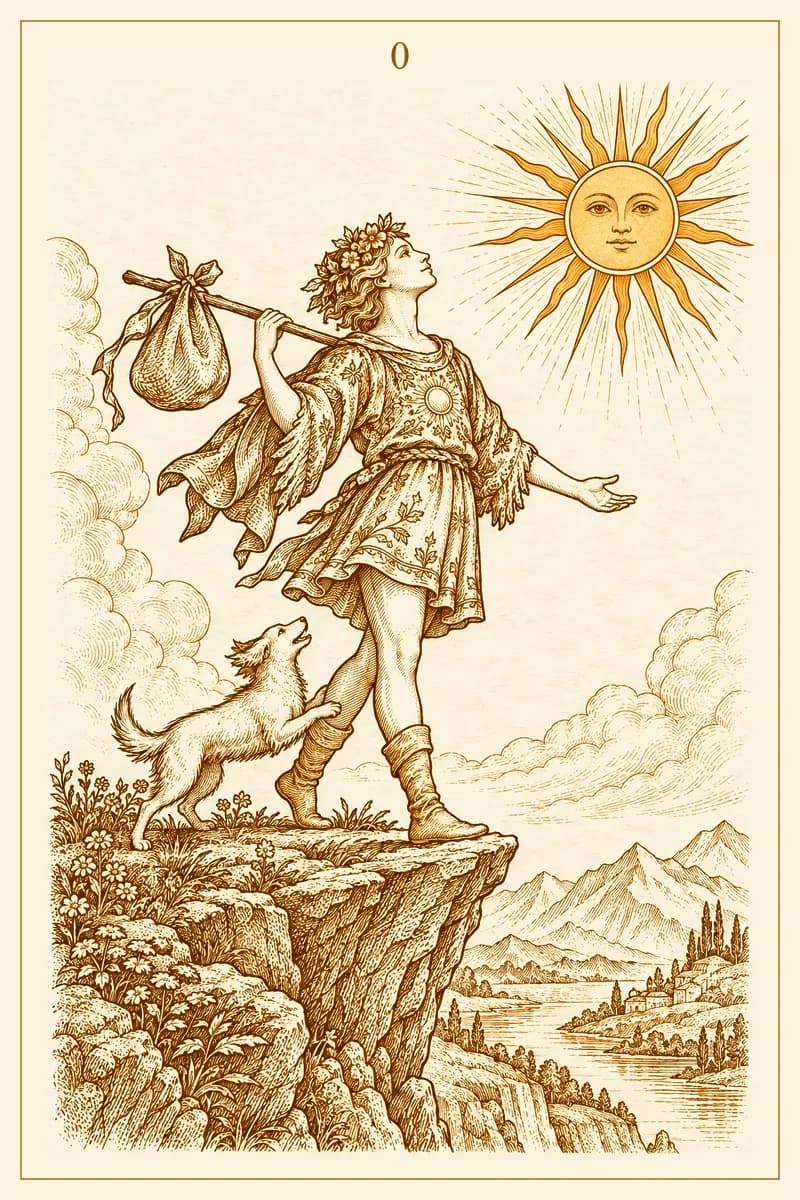
Spontaneous manifestation
Meaning of The Fool and The Magician Combination: Spontaneous Manifestation
Unearned applause
Meaning of The Fool and Six of Wands Combination: Accidental Triumph
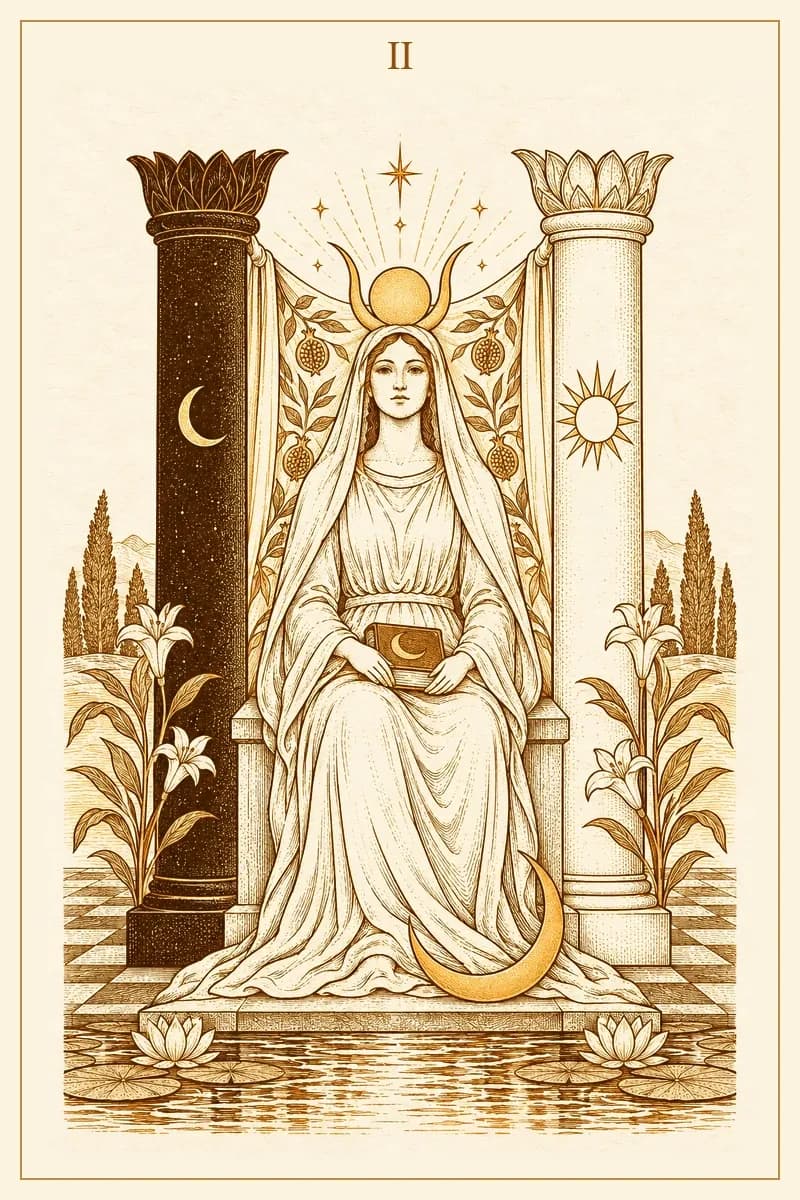
Conscious action harmonizing with unconscious knowing
Meaning of The Magician and The High Priestess Combination: The Conductor and the Silence Between Notes
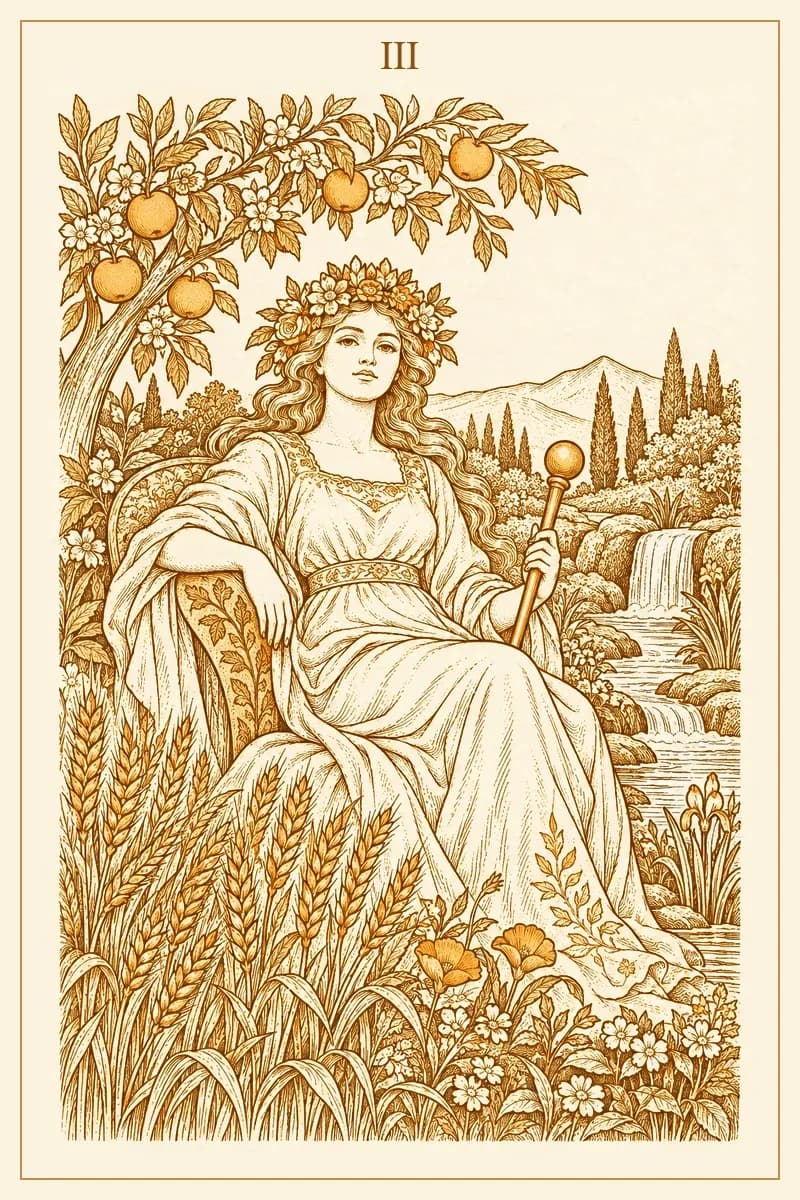
Fertile willpower
Meaning of The Magician and The Empress Combination: Seeds That Obey the Hand
Earned recognition
Meaning of The High Priestess and Six of Wands Combination: The Victory That Begins in Silence
Disciplined mastery
Meaning of The Magician and The Emperor Combination: The Architect of Command
✦ Bring it to the cards ✦
Bring The Magician and Six of Wands into your own reading
Use this pairing as a starting point, then let a spread listen to the situation that is actually yours.
Begin a contextual reading