
Card Combination
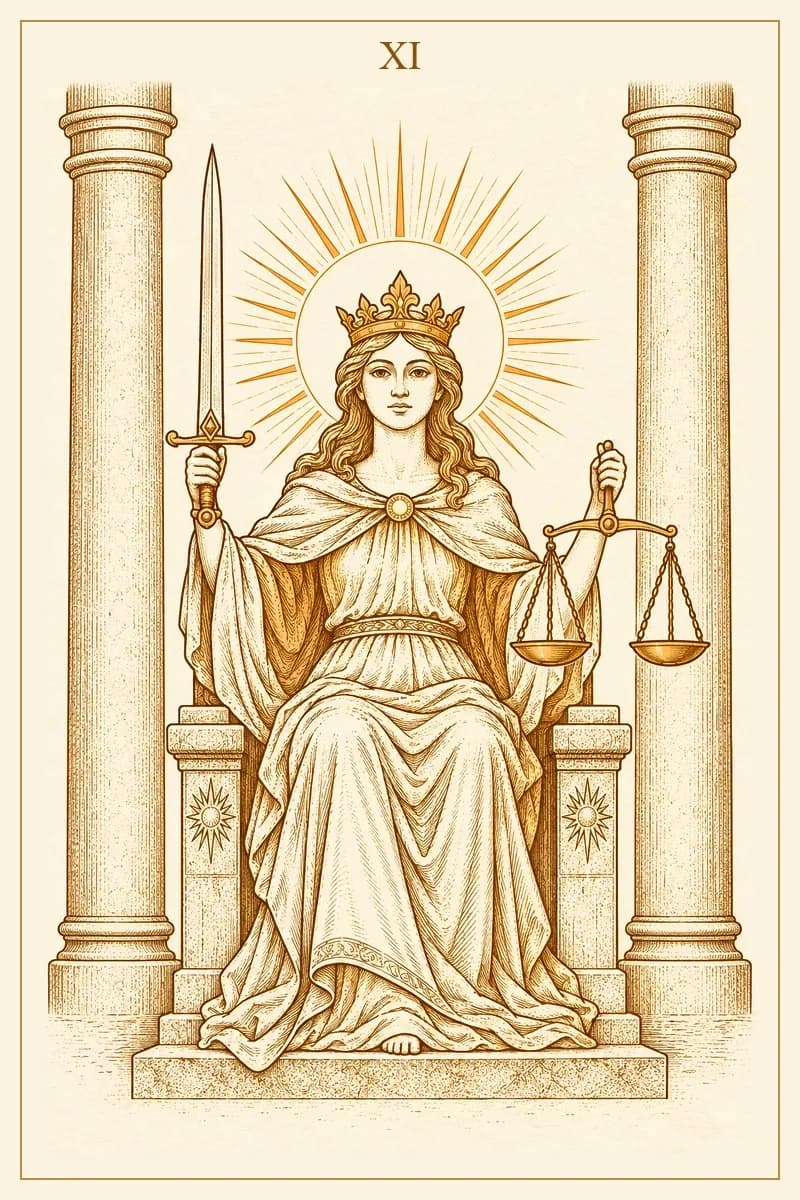
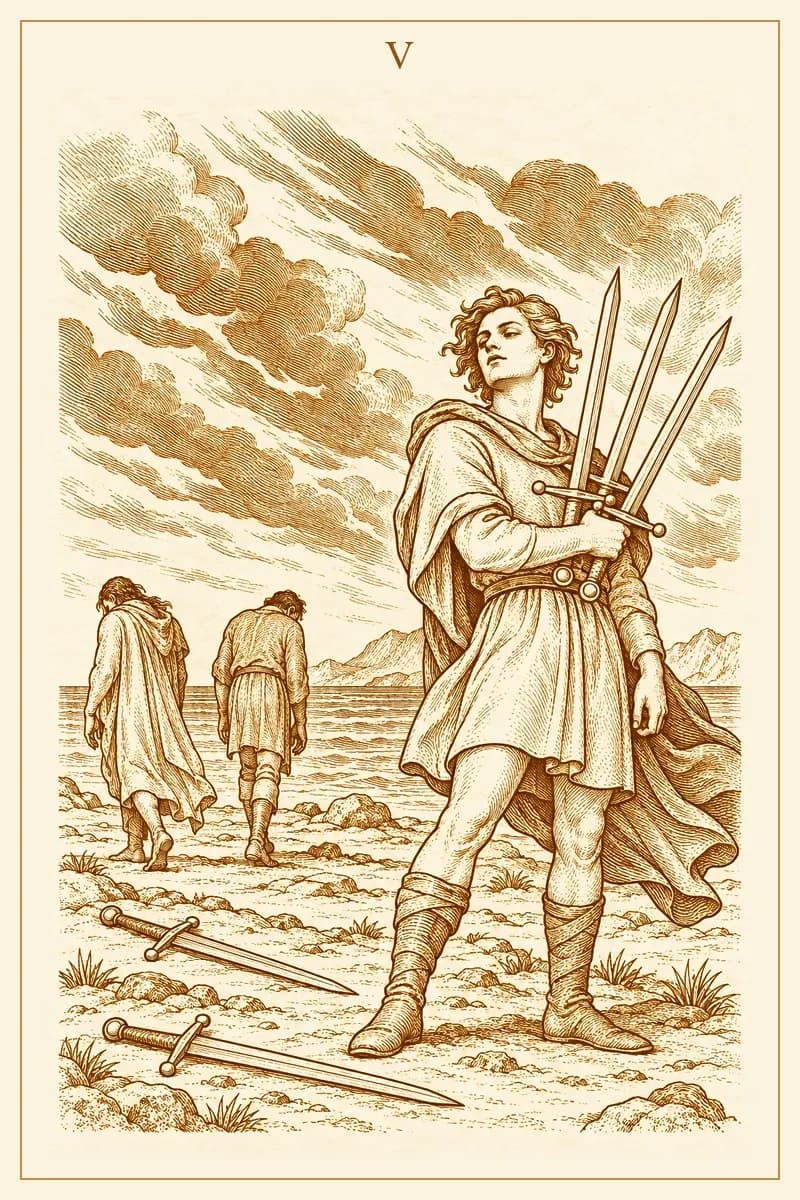
Meaning of Justice and Five of Swords Combination: The Cost of Winning
Pyrrhic accountability
The weapons are gathered. The field is quiet. You won — but the soldiers who walked away are not the ones you needed on your side, and the territory you claimed is not worth the supply lines you severed to take it.
The Five of Swords is the aftermath card: a figure collecting blades while others retreat, heads down. It does not depict a villain. It depicts someone who prioritized the win over the relationship, the argument over the outcome, the short-term score over the long-term alliance. Justice arrives into this scene not to congratulate the victor but to audit the battle. Every sword has a history. Every retreating figure has a name. The scales do not care who is holding the weapons — they measure what was taken and what was lost in the taking.
This combination asks one of the harder strategic questions: did winning this particular conflict actually advance your position, or did it create a debt that will come due when you can least afford to pay it?
The Core Tension
Justice operates on cause and effect. If you win through tactics that humiliate, manipulate, or overreach, the scales register the method alongside the result. The Five of Swords represents victories that carry hidden costs — damaged trust, burned bridges, the quiet exit of people who decided you were not worth the fight.
The tension here is between the satisfaction of prevailing and the accounting that follows. Justice is not sentimental; it does not punish winning. But it does require that the full cost be acknowledged. Victories achieved through disproportionate force, bad faith, or exploitation of a disadvantaged opponent generate a ledger entry that does not disappear simply because the battle is over.
The question this pairing poses is not "did you win?" but "what kind of winner did you become, and can you sustain what you built on that foundation?"
Love & Relationships
In relationships, Justice and the Five of Swords together are a significant warning. This combination tends to appear when arguments have become competitions rather than attempts at understanding — when the goal has shifted from resolving the issue to defeating the other person. Technically winning a fight while making your partner feel diminished is a net loss, regardless of who made the stronger points.
If you have recently had a conflict where you came away with the last word but the other person withdrew rather than conceded, this pairing is asking you to look at what actually happened. Did they agree, or did they simply stop engaging? There is a meaningful difference, and Justice tracks it.
For those leaving relationships, this combination cautions against fighting for terms that are maximally favorable to you at the cost of the other person's dignity. What you extract in that process may technically be yours — but it will carry the weight of how it was obtained.
Career & Purpose
Professionally, this combination surfaces in environments where competition has become zero-sum: teams that undercut each other, individuals who claim credit by discrediting colleagues, negotiations where one party leaves the table with everything and the other with nothing.
Justice alongside the Five of Swords asks whether the professional wins you are accumulating are creating enemies you have not yet had to face. In organizations, reputations travel faster than formal records. The person you defeated today may be your peer, your manager, or your reference three years from now.
If you are in a negotiation or a dispute at work, this pairing advises seeking an outcome that is fair rather than maximal. Not because generosity is always its own reward, but because an agreement the other side can live with is far more durable than one they were forced to sign.
Shadow Side
The shadow of this combination runs in two directions. The first is aggressive: continuing to fight and collect wins without examining the trail of damage left behind, rationalizing each escalation as justified by some prior offense. The Five of Swords enables this by making conflict feel like self-defense even when it has become offense.
The second shadow is passive: being on the receiving end of Five of Swords behavior and appealing to Justice as though the scales will automatically correct the imbalance. Justice is not automatic. It requires someone to act on its behalf — to name what happened, to refuse to normalize it, to make clear that disproportionate victories have consequences. Waiting for the universe to settle the score is not a strategy.
Action Steps
- 1Identify one recent conflict where you technically prevailed and assess honestly whether the relationship or working alliance is intact — or whether the win cost more than it gained.
- 2In any ongoing dispute, define what a fair outcome would look like for both sides before deciding what you actually want to pursue.
- 3If you have been on the losing side of a disproportionate exchange, determine one specific action you can take to document, address, or exit the dynamic rather than simply absorbing it.
Related Pairings
Continue through published pairings that share Justice or Five of Swords.

earned victory
Meaning of The Chariot and Justice: Victory Demands a Price
costly victory
Meaning of The Chariot and Five of Swords Combination: Winning at a Cost

authority meets accountability
Meaning of The Emperor and Justice: Authority Meets Accountability
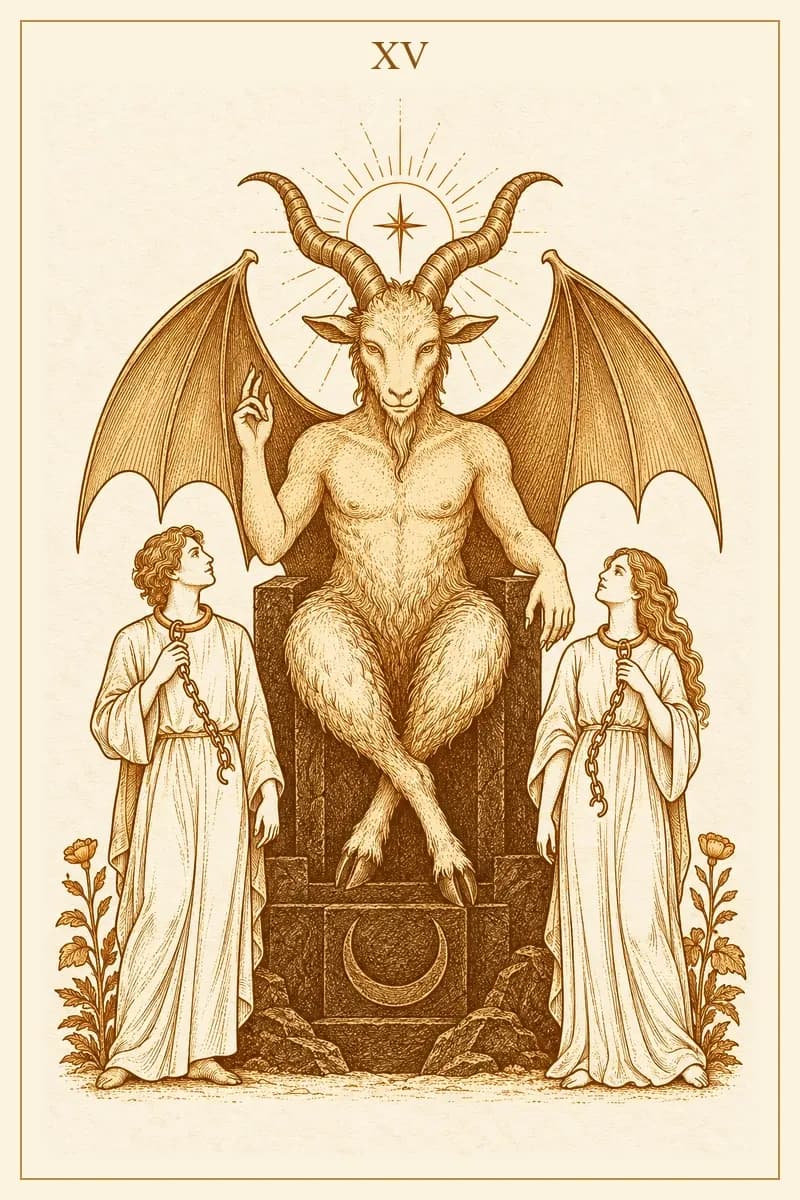
Toxic Power Games
Meaning of The Devil and Five of Swords Combination: Toxic Power Games
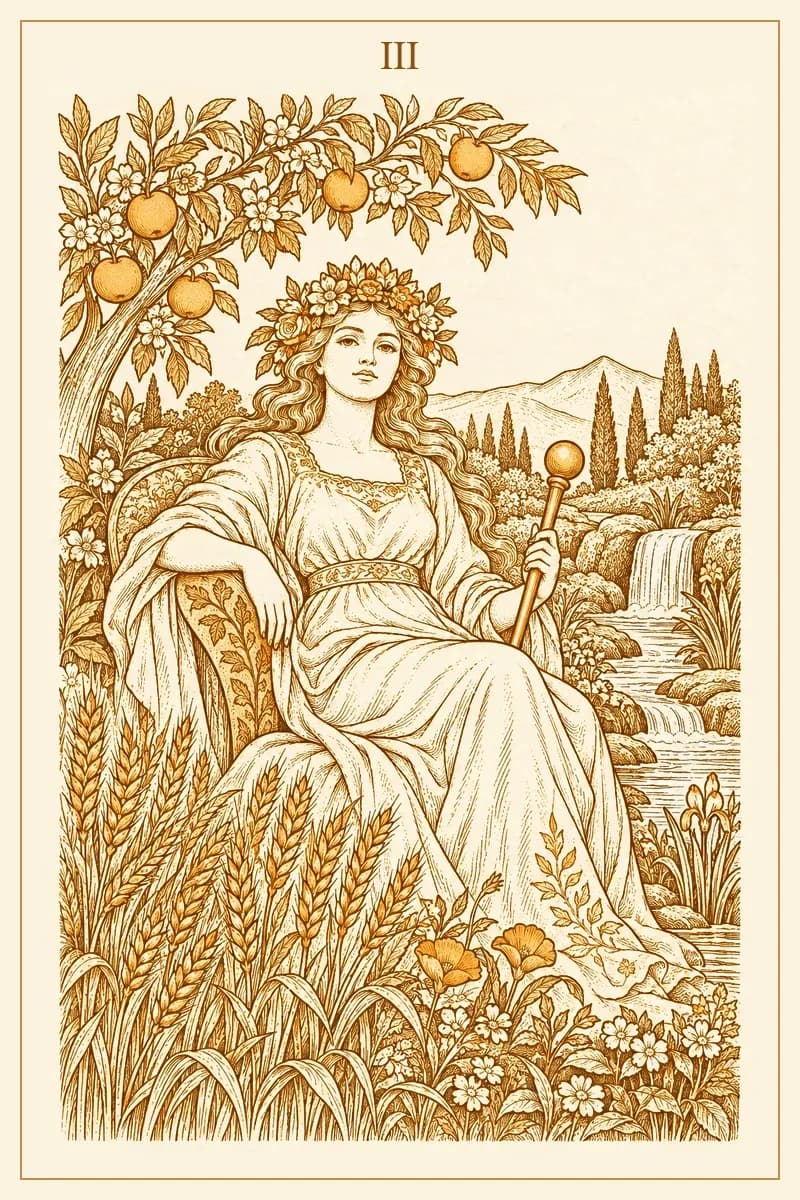
abundance under judgment
Meaning of The Empress and Justice: Abundance Under Judgment
pyrrhic authority
Meaning of The Emperor and Five of Swords: Winning at What Cost
✦ Bring it to the cards ✦
Bring Justice and Five of Swords into your own reading
Use this pairing as a starting point, then let a spread listen to the situation that is actually yours.
Begin a contextual reading