Loading your view
The page is gathering the latest information.
The page is gathering the latest information.
Disciplined integration
The recipe has been handed down for three generations, and you are standing at the stove adjusting the flame for the first time on your own. You know the steps. You've watched them performed. But no one told you that "low heat" means something different on your burner than it did on your grandmother's — and that getting it right requires your own hands, your own patience, your own calibration. That is the quiet work this pairing asks of you.
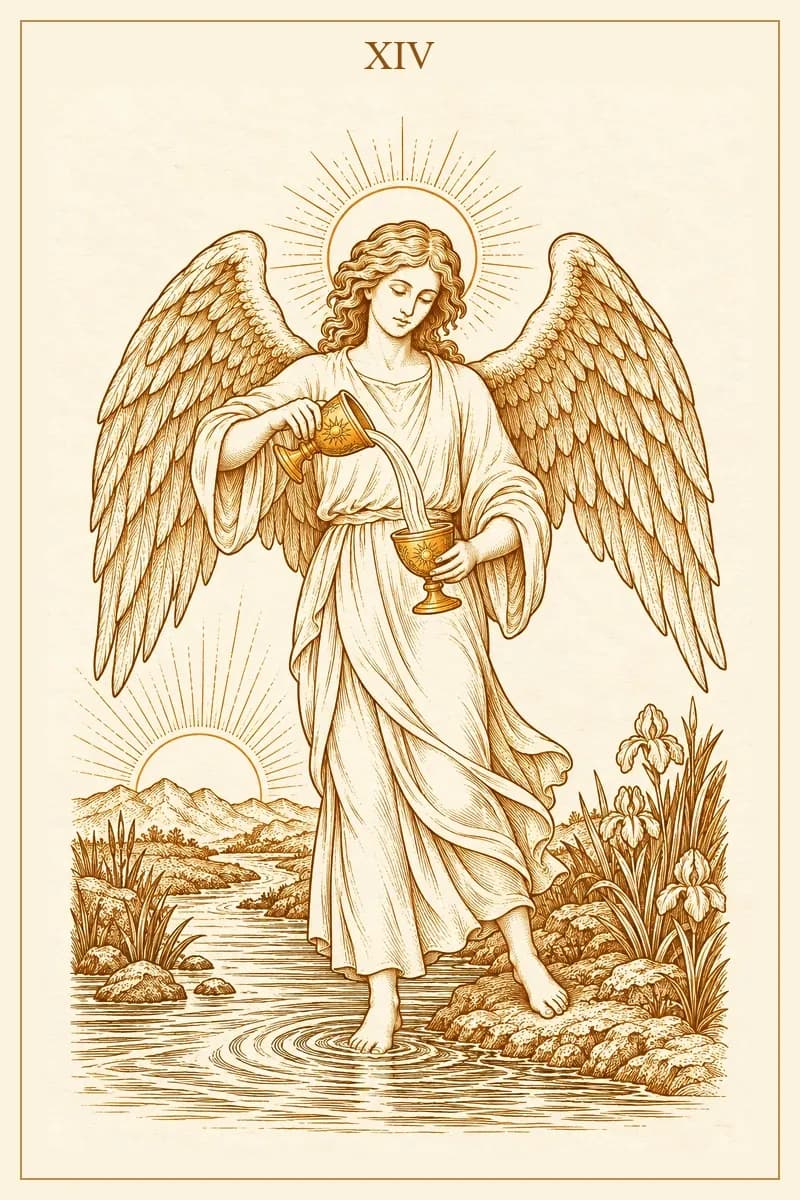
The Hierophant and Temperance together describe a particular kind of maturity. Not the maturity that comes from breaking everything and starting over, but the maturity that arrives through sustained, careful engagement with tradition — learning what was worth preserving, what needs adjusting, and how to blend the inherited with the personal into something that actually works in your life. This is not passive deference to authority. It is active, attentive practice.
There is slowness here that our culture tends to undervalue. Temperance moves at the speed of integration, not ambition. It is the long soak, the slow reduction, the dish that needs twelve hours because there is no shortcut that produces the same depth. The Hierophant provides the recipe — the accumulated knowledge of how things have been done and why. Temperance provides the kitchen time. Together they describe the process of making inherited wisdom truly your own.
The friction in this combination is subtle but real. The Hierophant leans toward established form — the right way to do things, the path that has been sanctioned and tested by time. Temperance is more concerned with the felt quality of balance than with whether the form is correct. One asks "is this the proper method?" The other asks "does this actually work?"
In practice, this tension produces a person who is trying to honor both discipline and flexibility — who wants to learn from tradition without being imprisoned by it. The challenge is that Temperance's constant fine-tuning can feel like disrespect to the Hierophant's emphasis on established structure. Knowing when to follow the recipe exactly and when to adjust for the specific conditions of today is the real skill being developed here.
In relationships, this pairing describes a partnership that is being cultivated with real intentionality. Not rushed, not improvised, but tended — like something growing rather than something assembled. One or both partners may be drawing on relationship models they inherited from family or culture, and simultaneously working to adapt those models to who they actually are.
This is often a combination that appears when a relationship is maturing past its early stages. The initial intensity has settled into something that requires more deliberate care. The Hierophant brings the framework — shared values, commitments, structures that both people have agreed to honor. Temperance brings the daily attentiveness that keeps those structures alive rather than merely formal. Long-term partnerships navigating a slow, careful recalibration are particularly well described by this pairing.
Professionally, this combination belongs to the long-game practitioners: the craftsperson who has put in the years, the student who is not in a hurry to skip levels, the professional who understands that genuine expertise is built through methodical accumulation rather than shortcuts. There is a strong resonance with mentorship here — either being mentored by someone with deep institutional knowledge, or becoming that figure for someone else.
It can also surface when an organization is working through a slow, careful reform process — not the disruptive overhaul signaled by Death, but the patient recalibration of systems that are structurally sound but need adjustment. Someone in this reading may be the person responsible for holding the organization's values intact while also making it more functional. That is a genuinely demanding role.
The shadow of this combination is the trap of endless refinement without completion. Temperance can become a way of avoiding commitment — always adjusting, always balancing, never quite declaring that you've arrived at something real. Combined with the Hierophant's emphasis on doing things correctly, this can produce paralysis dressed as conscientiousness.
Watch for perfectionism that is actually fear. Watch for deference to tradition as a way of avoiding the risk of your own judgment. Watch for the person who is always preparing, always calibrating, always one more refinement away from being ready — and never quite begins. The Hierophant and Temperance at their best produce something genuinely integrated and lasting. At their shadow, they produce someone who has studied the recipe for years but never cooked the meal.
Keep or share this combination reference
Continue through published pairings that share The Hierophant or Temperance.

authority meets doctrine
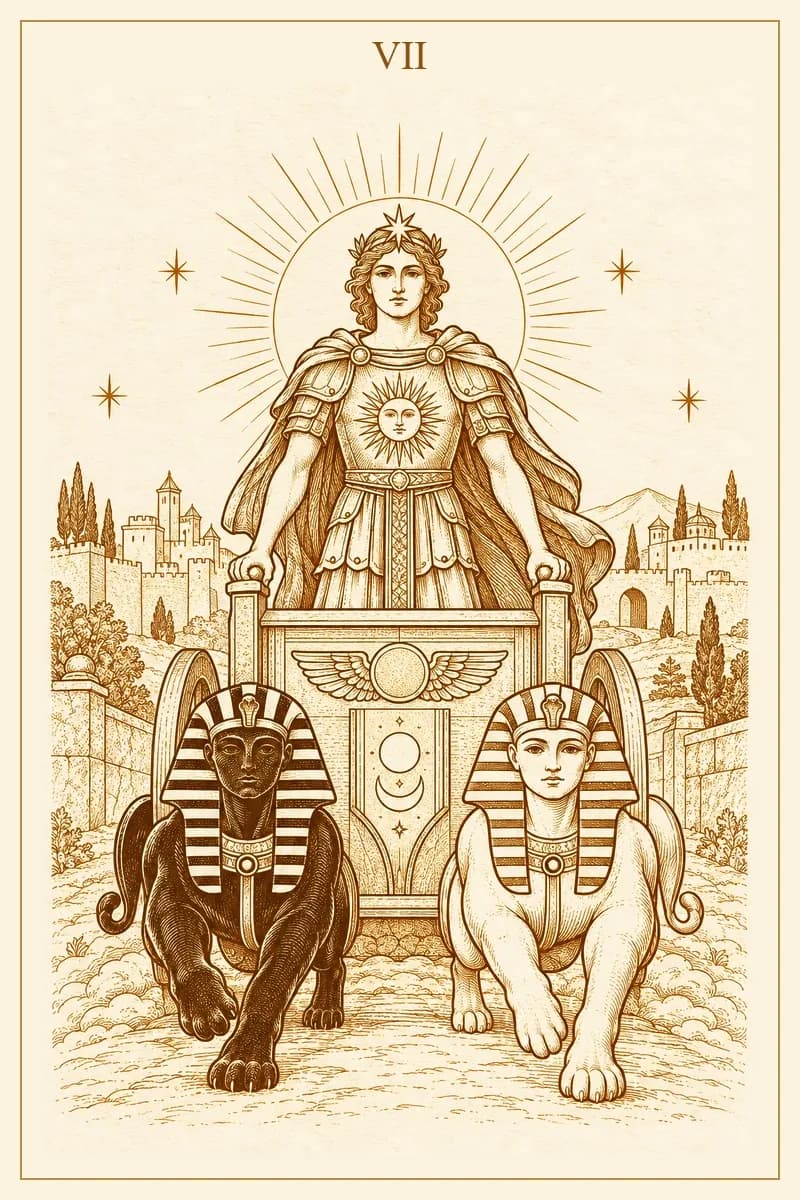
controlled momentum
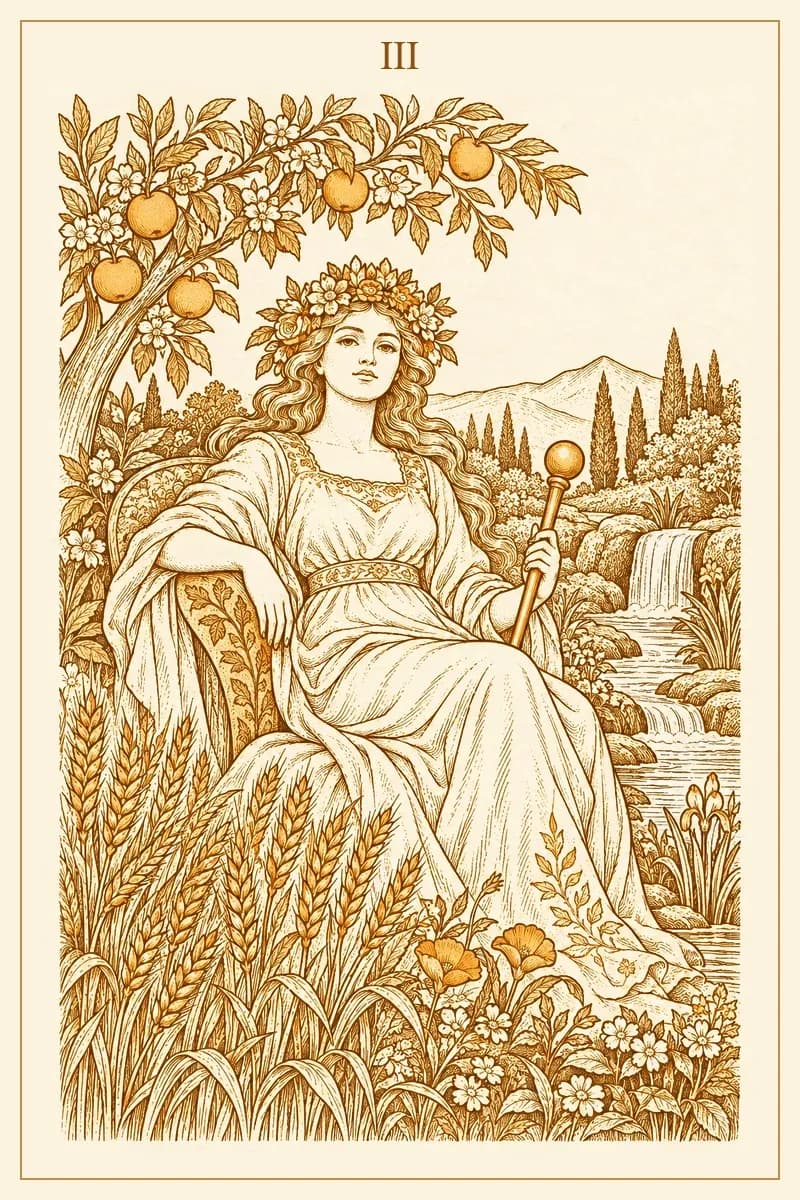
abundance versus doctrine
controlled patience
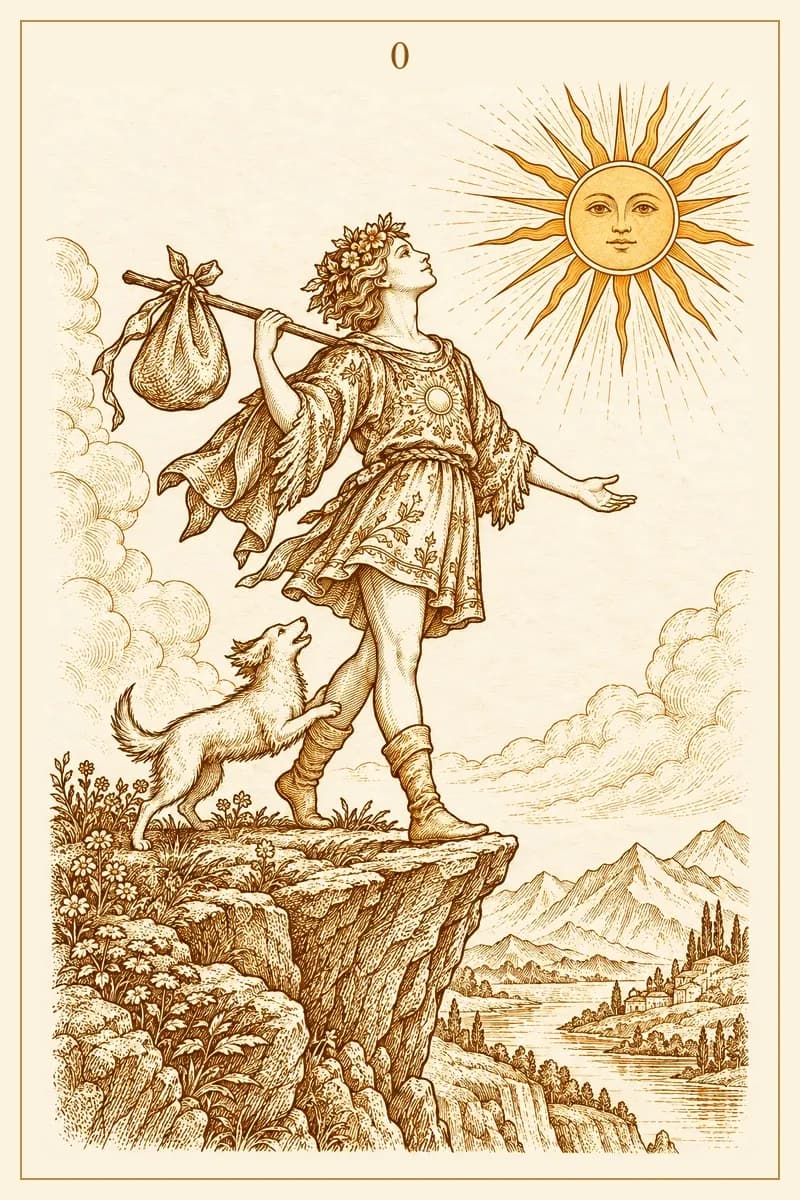
Sacred Rebellion
Fertile balance
✦ Bring it to the cards ✦
Use this pairing as a starting point, then let a spread listen to the situation that is actually yours.
Begin a contextual reading