Loading your view
The page is gathering the latest information.
The page is gathering the latest information.
Creative reckoning
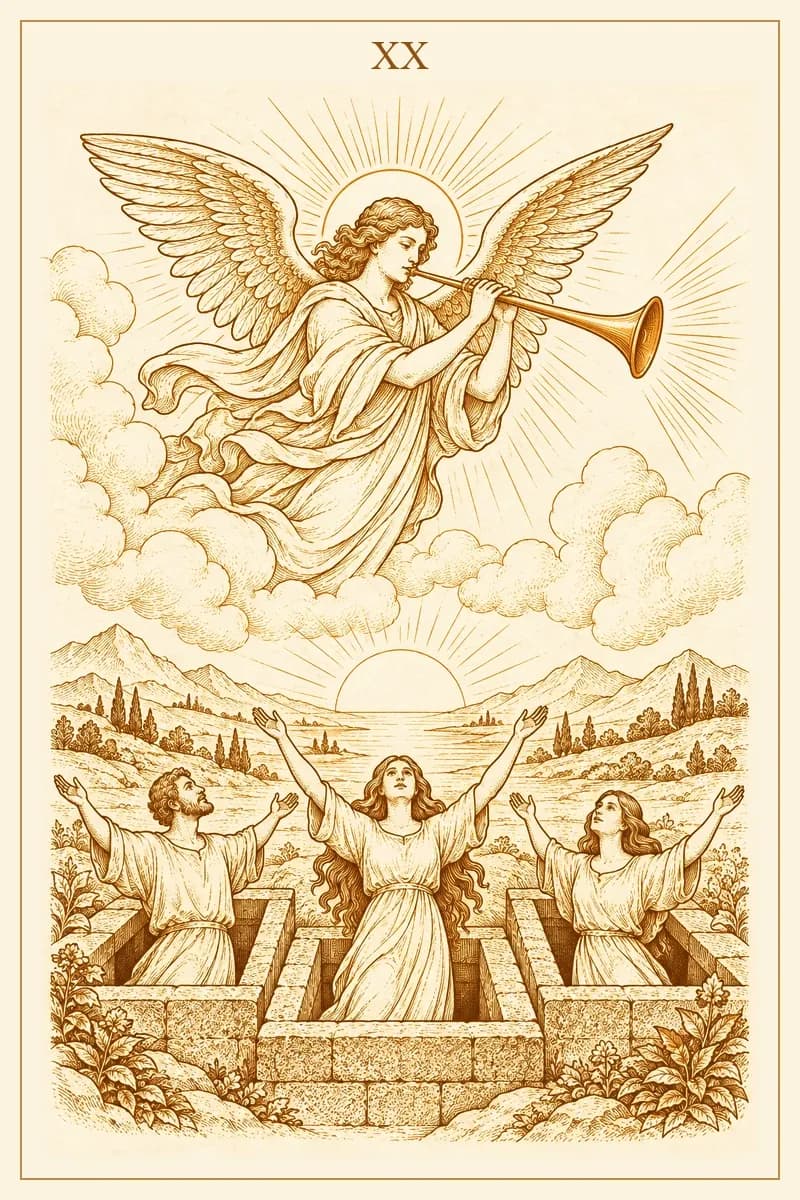
The trumpet sounds and the figures rise—some joyful, some stricken, all finally awake to what was always true. Judgement is not primarily a card of punishment. It is a card of unavoidable call—the moment when what has been dormant is roused, when what has been avoided becomes impossible to avoid, when the larger question of what a life has produced finally insists on being heard. When Judgement appears beside the Empress, the question it asks is specific: what have you made with everything this life has given you?
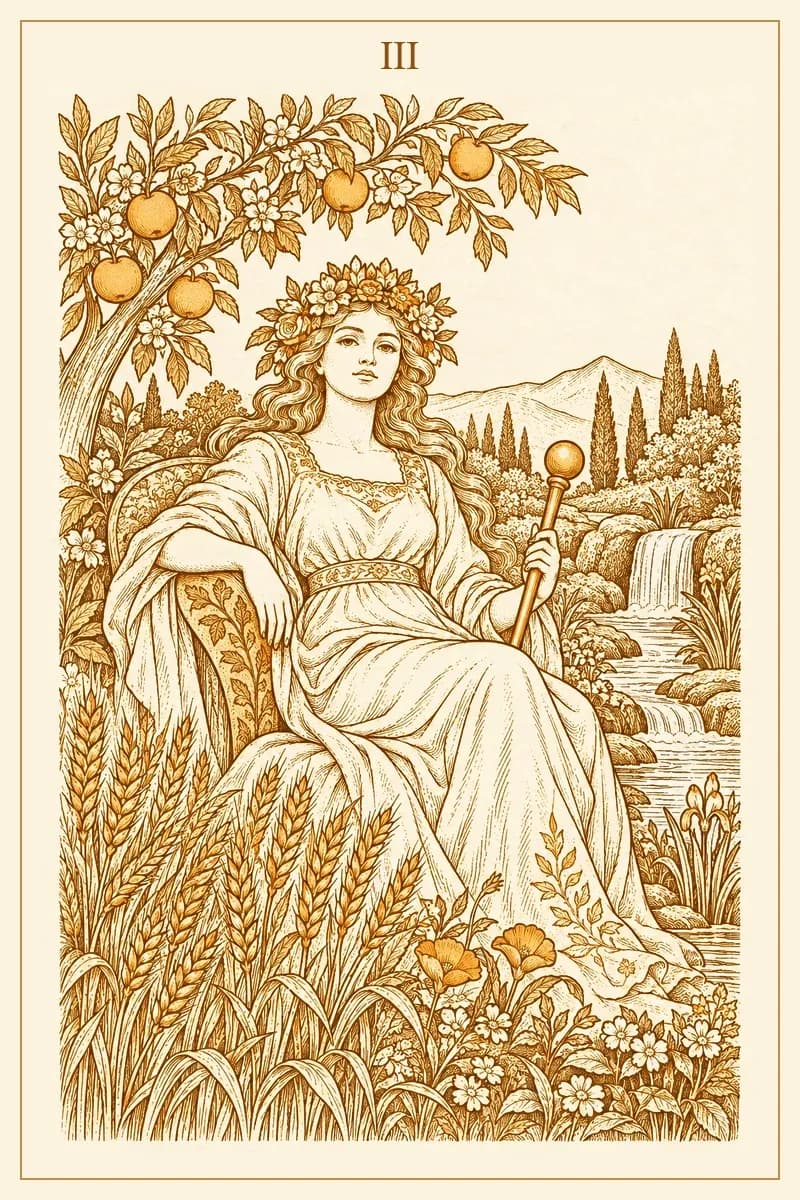
The Empress represents the generative force—the creative abundance, the fertility, the capacity to grow and nourish and produce. She is the potential made actual, the body's wisdom, the force that creates conditions for life to flourish. She does not ask whether you have been good enough in an abstract sense. She asks whether you have created, whether you have tended, whether you have brought into being what was yours to bring. Judgement, appearing beside her, brings the reckoning: and what did you do with that?
In mechanical engineering, every system has a maintenance threshold—the point at which what has been produced requires either active continuation or honest acknowledgment that it has been completed. A machine that is no longer needed but continues running wastes energy; one that has been completed but not yet recognized as complete cannot be released. Judgement is the moment of honest assessment: what was built, what was accomplished, what has been done with the generative gifts the Empress provided.
The Empress is oriented toward the present and the ongoing: what is growing now, what needs tending now, what is alive right now. Judgement is oriented toward the arc—toward the whole of what has been made over time and whether it amounts to something worthy of the capacity that created it.
The tension is between the comfort of ongoing production and the confrontation of honest accounting. It is easier to keep creating than to ask whether what is being created is what was actually called for. Judgement asks you to stop long enough to answer that question.
This does not mean that what you have made falls short. The Judgement call can be an invitation as much as a reckoning—not a verdict of insufficiency but a summons to step into what you have actually been building toward. Many people have been moving toward something significant without acknowledging it because acknowledgment would require commitment. Judgement makes the avoidance no longer possible.
In relationships, The Empress and Judgement together mark a moment when a long partnership is being assessed—not necessarily critically, but honestly. What have you and this person actually built together? What has been created in this relationship over months or years of tending?
Sometimes this combination appears at the moment of recognizing that something important has been accomplished and deserves to be named: a relationship that has come through difficult territory and arrived at something durable, a partnership that has genuinely created conditions for growth. The Judgement card calls for acknowledgment rather than simply continuing to produce.
Other times, the reckoning is more uncomfortable: the honest assessment that what has been created is not what was hoped for, or that the period of this relationship has come to genuine completion and the refusal to hear the trumpet is what is preventing the next real thing.
Professionally, The Empress and Judgement appear at moments of creative accounting—when it is time to honestly assess what a body of work, a career phase, or a creative practice has actually produced. Not with harsh self-judgment, but with the kind of clear-eyed assessment that only Judgement's illumination makes possible.
If you have been producing abundantly without stepping back to evaluate the whole, this combination asks you to do that now. What is the body of work? What does it add up to? What has it been in service of? And what does honest assessment of it call for next?
The Empress's shadow in this pairing is the endless production that avoids the Judgement moment—creating continuously to avoid the reckoning with what has been created. Movement as a way of not arriving.
Judgement's shadow is the reckoning that comes as accusation rather than call—the internal tribunal that finds the creative work insufficient rather than the trumpet that summons it to its full expression.
Keep or share this combination reference
Continue through published pairings that share The Empress or Judgement.
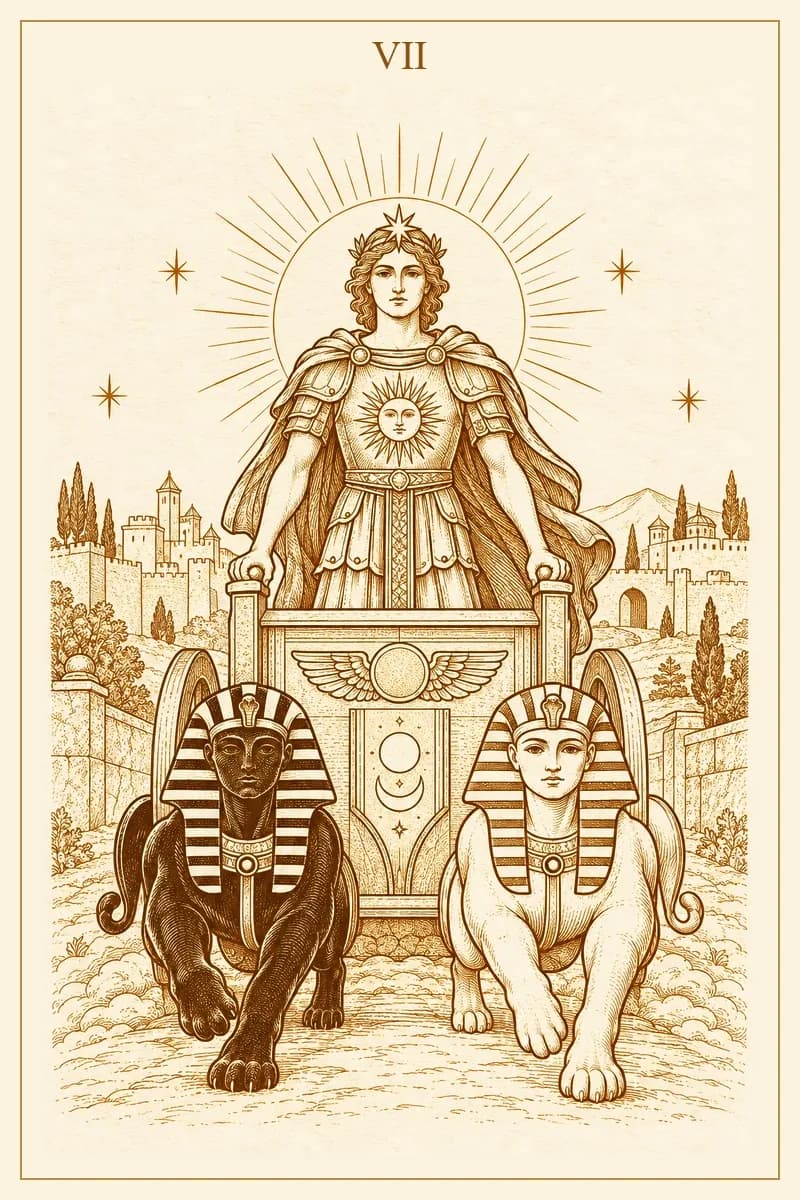
creative momentum
driven reckoning
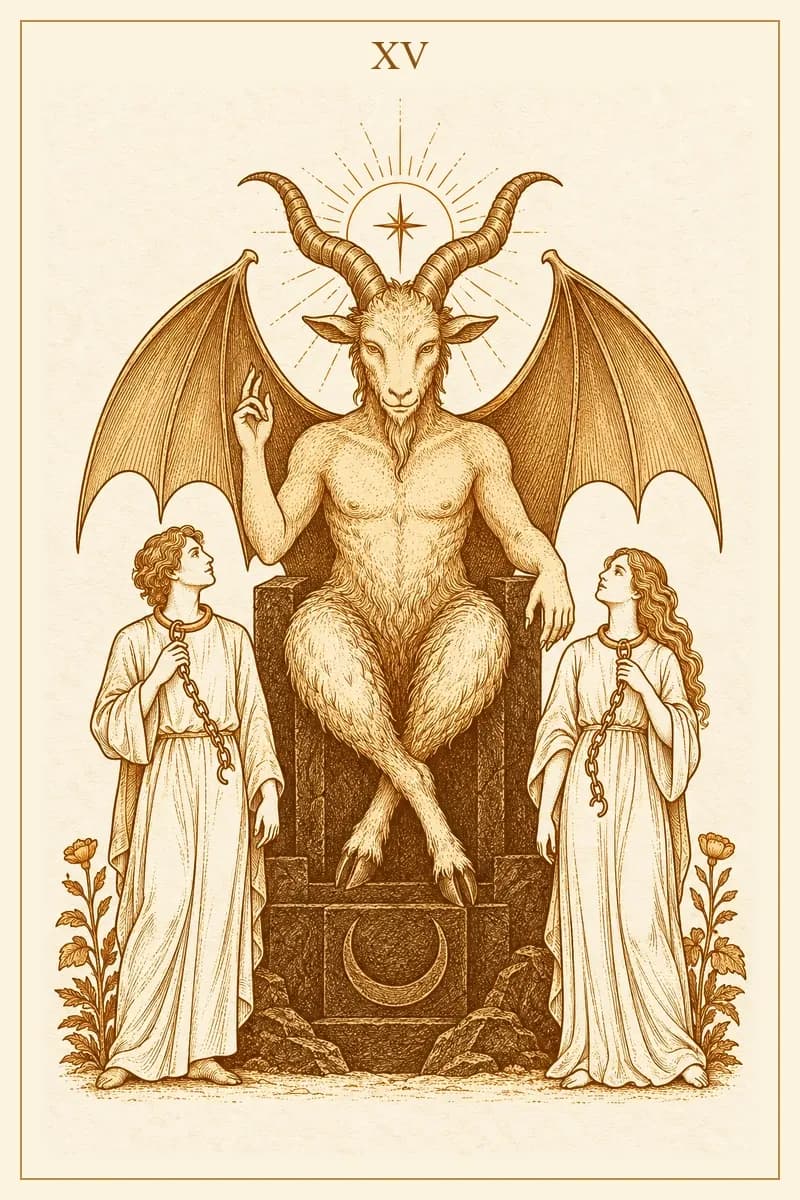
Bound abundance
bondage meets awakening

nature and structure united
earthly authority transcended
✦ Bring it to the cards ✦
Use this pairing as a starting point, then let a spread listen to the situation that is actually yours.
Begin a contextual reading