Loading your view
The page is gathering the latest information.
The page is gathering the latest information.
Controlled Surrender
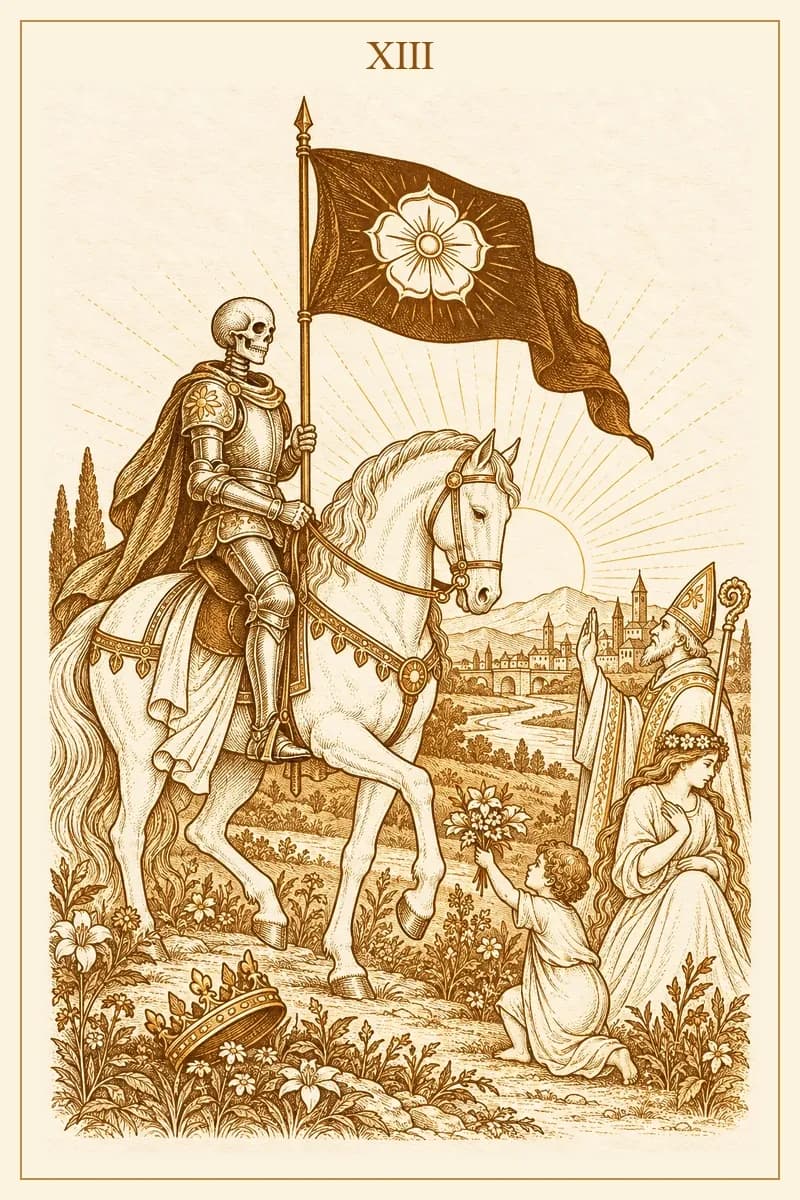
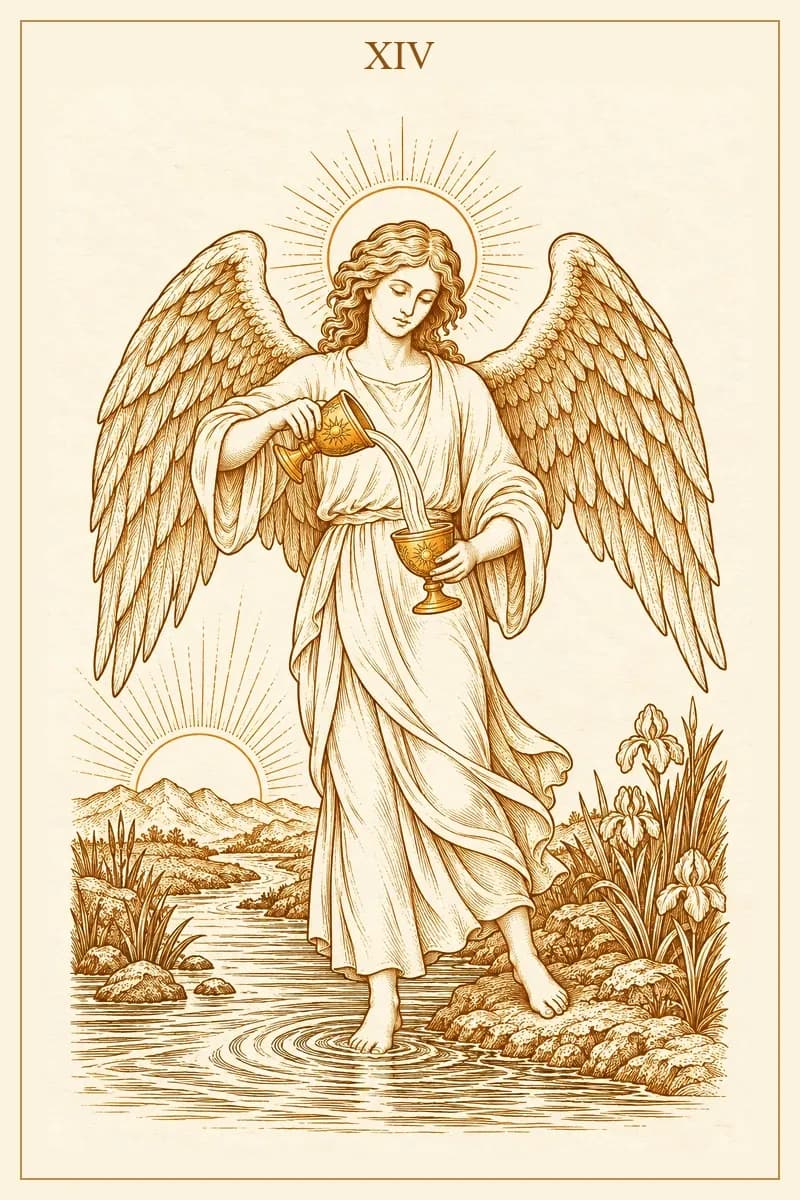
Here is the paradox: the card of absolute annihilation sits beside the card of infinite patience, and somehow they don't cancel each other out. Death clears the table in a single sweep, chips and cards scattered to the floor. Temperance quietly gathers them up, stacks them by color, and asks if you'd like to deal again — slower this time.
In poker, there's a move called a controlled fold. You don't throw your hand away in frustration. You read the table, accept your position, and release your cards face-down with deliberate calm. That's the energy of Death and Temperance working in tandem. Something has ended, or must end, but the ending itself becomes an act of measured grace rather than chaotic collapse.
Most people fear Death because they imagine violence. Most people underestimate Temperance because they imagine passivity. Both assumptions lose at the table.
Death demands totality. It wants complete release — no half-measures, no clinging to a single chip from the old game. Temperance, meanwhile, insists on proportion and timing. It pours one element into another with agonizing precision, mixing grief with acceptance, loss with adaptation, at exactly the right ratio.
The tension here is between the speed of ending and the slowness of integration. Death says "now." Temperance says "gradually." Living inside both truths simultaneously is the real challenge. You cannot rush the blending, but you also cannot pretend the old game is still being played.
This pair reveals that destruction without integration is just trauma, and patience without honest endings is just denial. The two cards need each other like a poker player needs both the nerve to go all-in and the discipline to manage a bankroll.
In relationships, this combination arrives when something fundamental has already shifted. A dynamic that once defined the partnership — a power balance, a shared assumption, a way of arguing or loving — has died. There's no resurrecting it, and attempts to do so will feel like bluffing with an empty hand.
Temperance steps in not to reverse the loss but to help both people find a different equilibrium. If you're in a committed relationship, the work is learning how to be together after the version of "us" you knew has dissolved. Communication slows down. Conversations become more careful, more honest, less performative.
For those who are single, this pairing often signals that an old pattern in how you choose partners has finally exhausted itself. You're not the same player you were. The new approach to love will feel unfamiliar, even boring at first — because stability often does, after years of high-stakes hands.
Professionally, Death and Temperance point to a role, project, or career identity that has run its course. Maybe you've already left. Maybe the leaving is happening in slow motion — a gradual loss of meaning, a title that no longer fits. The cards don't care about your résumé. They care about what's actually alive in your work and what's been dead for months.
Temperance here is the strategist who knows that the next move isn't a dramatic all-in bet. It's a careful reallocation of your energy and skills. Think of it as shifting your chips across the table — same resources, different positions. A lateral move might serve you better than a vertical leap. A period of learning might matter more than a period of earning.
The worst play is to pretend nothing has changed while quietly hemorrhaging motivation. The best play is to name the ending honestly and then give yourself actual time to recalibrate.
The shadow of this pairing is sophisticated avoidance disguised as wisdom. Temperance can become an excuse to never fully grieve, never fully rage, never fully acknowledge the magnitude of what was lost. "I'm processing," you say, while actually you're just diluting your pain until it becomes background noise you can ignore.
Death's shadow is the opposite — glorifying destruction, treating every ending as a badge of spiritual advancement. Some endings are just losses. They don't need to be alchemized into lessons immediately. Sometimes the healthiest response is to sit with the wreckage and admit it hurts, without reaching for the golden chalice of meaning.
Together, the shadow manifests as performative transformation — going through the motions of healing without letting anything actually touch you. The poker face becomes permanent, and that's the real danger.
Keep or share this combination reference
Continue through published pairings that share Death or Temperance.
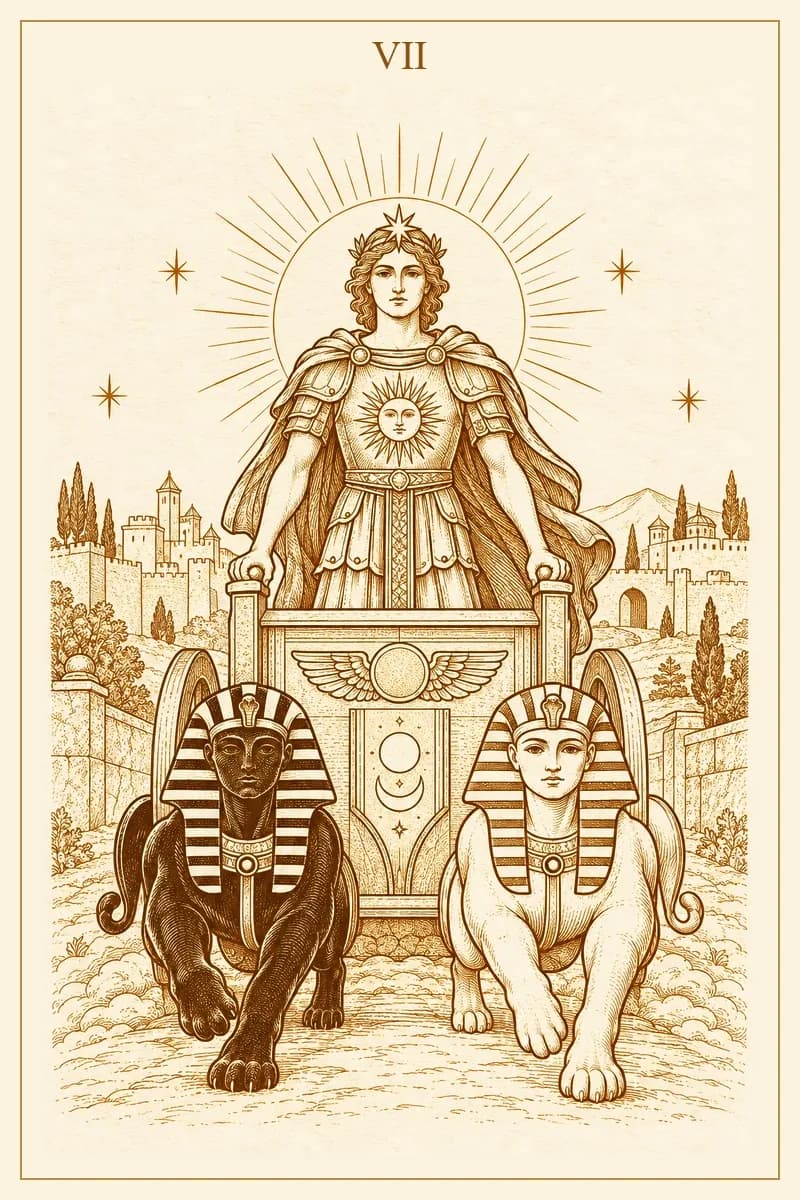
driven transformation
controlled momentum
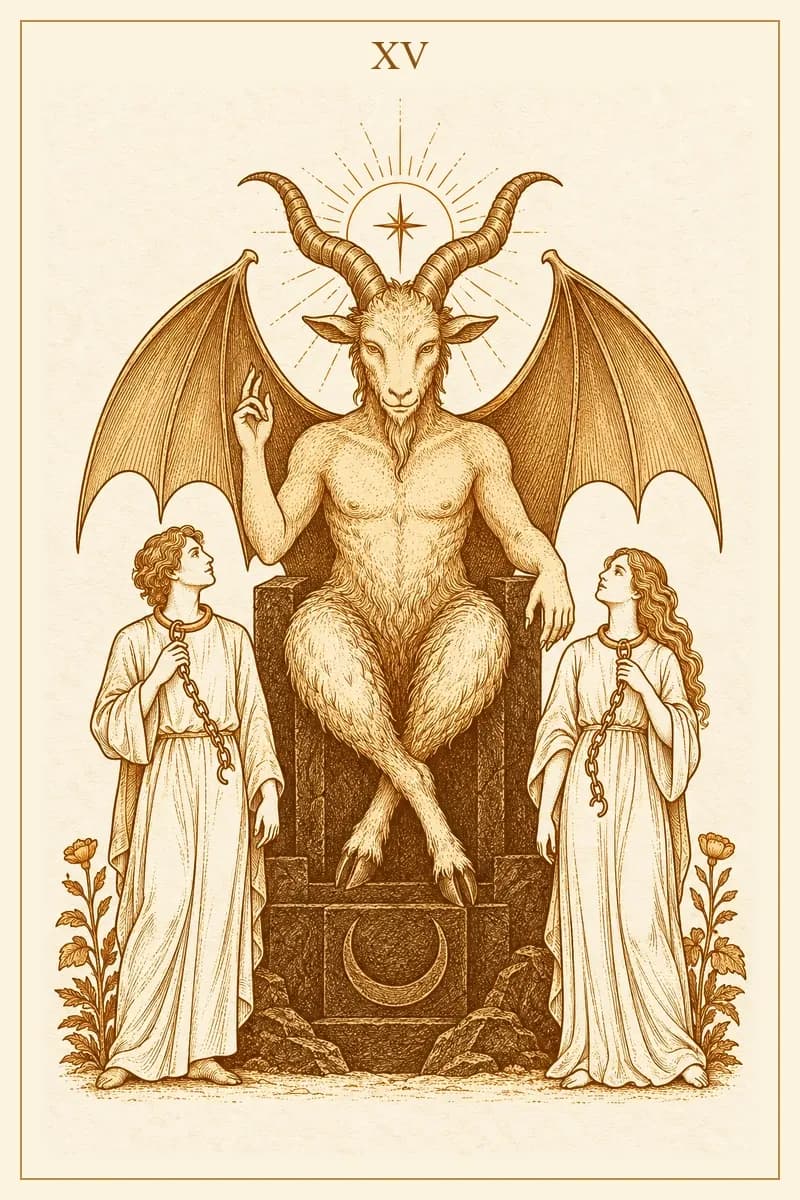
Forced Liberation
controlled patience
Hidden Transformation
Fertile balance
✦ Bring it to the cards ✦
Use this pairing as a starting point, then let a spread listen to the situation that is actually yours.
Begin a contextual reading