
Card Combination
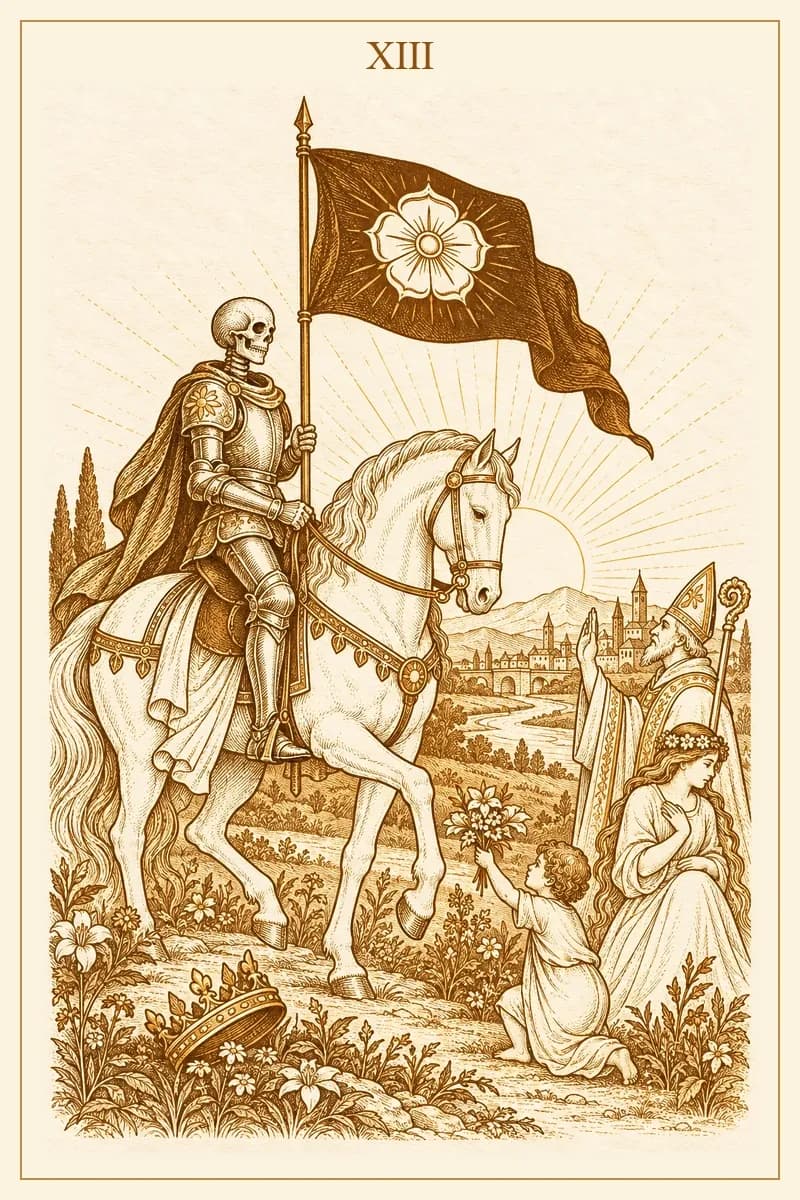
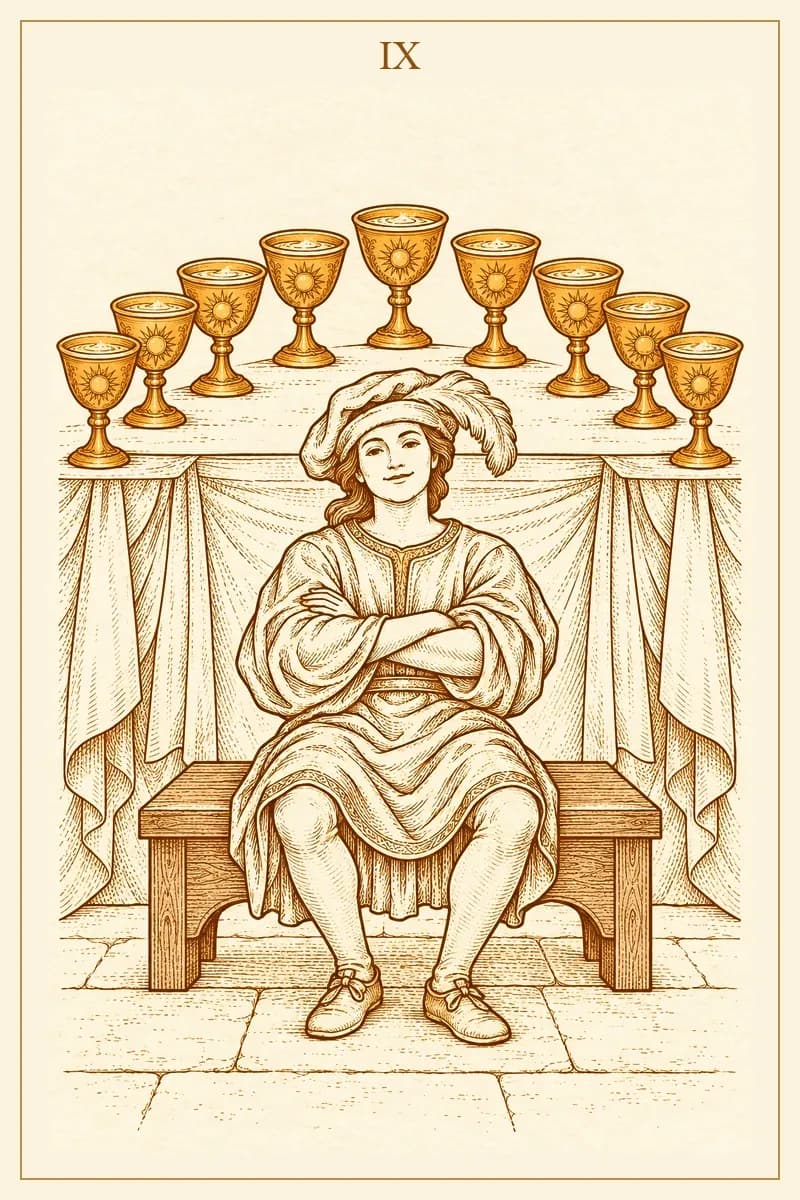
Meaning of Death and Nine of Cups Combination: Satisfaction Demolished
The Demolition of Satisfaction
The house is gorgeous and the wrecking ball is already swinging. That is the paradox sitting at the center of every reading where Death meets the Nine of Cups — a structure built to exact specifications, every room furnished with what you wished for, and a demolition order signed before the paint has dried. One card hands you the blueprint of everything you wanted. The other card revokes the building permit.
The Nine of Cups is the architect who delivers the dream home on schedule and under budget. Every window frames the view you requested. Every wall stands where you imagined it. This is the card of achieved desire, the moment where wanting and having finally occupy the same floor plan. Death, however, is the structural engineer who arrives with bad news: the foundation cannot hold. What looks finished is already compromised. The satisfaction is real, but the form containing it has an expiration date etched into its load-bearing walls.
The Core Tension
Architecture teaches that every building exists in a negotiation with gravity. The Nine of Cups represents a structure that has temporarily won that negotiation — a design so pleasing that you forget the forces working against it. Death is gravity reasserting itself. Not maliciously, not as punishment, but as physics. What was built to house your contentment has reached the limit of what its materials can sustain.
The tension is not between happiness and suffering. It is between a finished structure and the ground beneath it shifting. You got what you wanted. The wanting itself has now changed shape, and the rooms that once fit perfectly feel like they were designed for someone you used to be. Death does not destroy satisfaction out of cruelty. It demolishes buildings that no longer match the city's evolving skyline.
Love & Relationships
In relationships, this pairing arrives when a partnership has delivered exactly what both people once asked for — and that delivery has quietly become a cage. The comfortable routines, the predictable rhythms, the relationship that looks like a magazine cover from the outside: all of it constructed with care, all of it now pressing against walls that have stopped breathing.
Death beside the Nine of Cups does not mean a relationship must end. It means the version of the relationship you built has reached its structural limit. The couple who defined love as constant comfort will watch that definition crack. The person who built their romantic identity around being desired will feel that architecture tremble. What replaces it depends entirely on whether both people are willing to live in the renovation dust or whether they insist on preserving a facade that no longer has rooms behind it.
Career & Purpose
Professionally, this combination targets the career that looks perfect on the organizational chart. The title you chased, the salary you negotiated, the office with the view — all of it materialized, and all of it now feels like a scale model of ambition rather than the real thing. Death appears in the corner office not to fire you but to show you the cracks running through the ceiling you stopped looking at.
This energy is common among professionals who achieved a goal and then discovered the achievement was a floor plan drawn by a younger version of themselves. The promotion lands and feels hollow. The business hits its revenue target and the founder feels nothing. The Nine of Cups delivered the blueprint; Death reveals that the building was designed for a person who no longer exists. The professional question is not whether to leave but whether to gut-renovate from within or break ground somewhere entirely different.
Shadow Side
The shadow side of this pairing is the refusal to leave a condemned building because it still looks beautiful. The Nine of Cups can breed a dangerous attachment to the appearance of fulfillment — the person who insists they are happy because every external metric confirms it, even while the interior walls are buckling. Death knocks, and they repaint the front door instead of answering.
There is also the opposite shadow: premature demolition. Someone so uncomfortable with the vulnerability of having what they wanted that they tear it down themselves before time can do it for them. They sabotage the relationship that actually works, quit the job that genuinely fits, reject the contentment that feels too exposed. Destroying your own architecture out of fear that someone else will destroy it first is not transformation — it is vandalism dressed as wisdom.
Action Steps
- 1Walk through one area of your life where you achieved what you wanted and honestly assess whether the structure still fits who you are now, writing down what has changed in you since you built it
- 2Choose one element of your current satisfaction that feels more like decoration than foundation — a habit, a role, a routine maintained for appearance — and begin dismantling it deliberately rather than waiting for it to collapse
- 3Protect one thing you built that still genuinely holds weight: name it, acknowledge that it is real, and refuse to let the anxiety of impermanence trick you into destroying what remains structurally sound
Related Pairings
Continue through published pairings that share Death or Nine of Cups.
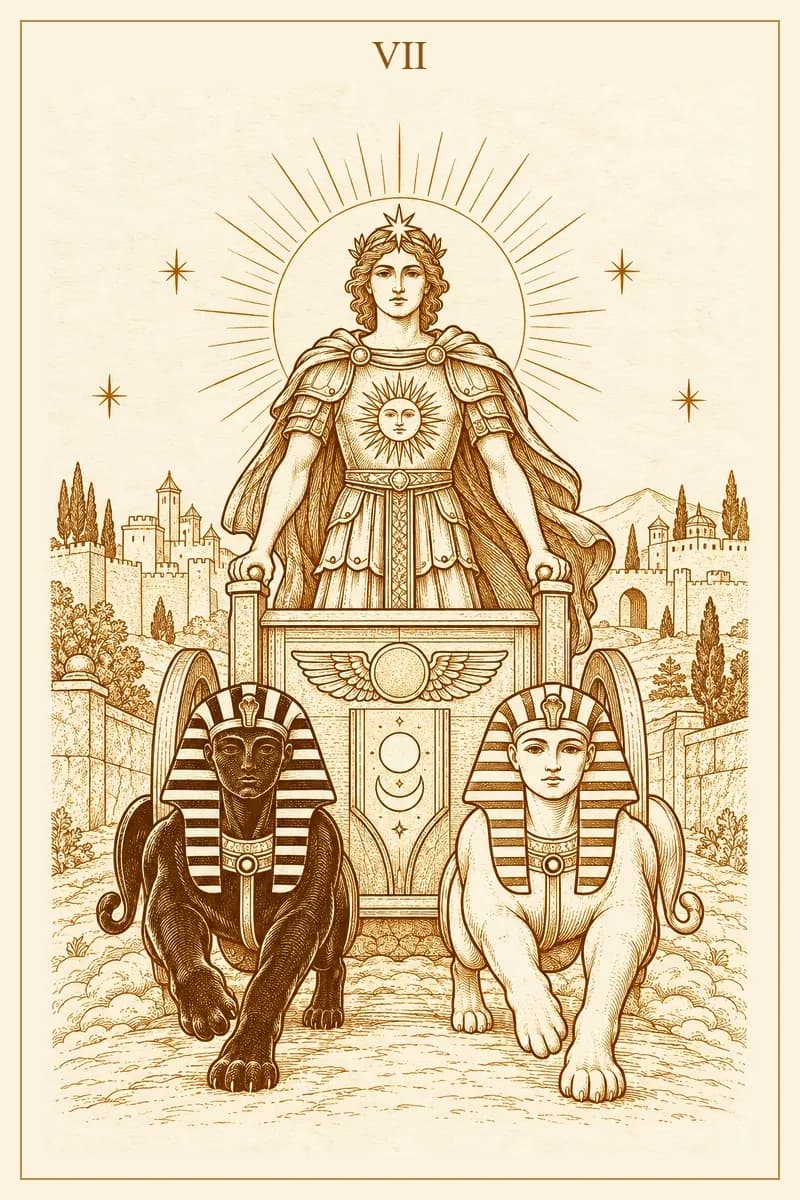
driven transformation
Meaning of The Chariot and Death: Momentum Meets Transformation
Earned contentment
Meaning of The Chariot and Nine of Cups: Earned Satisfaction
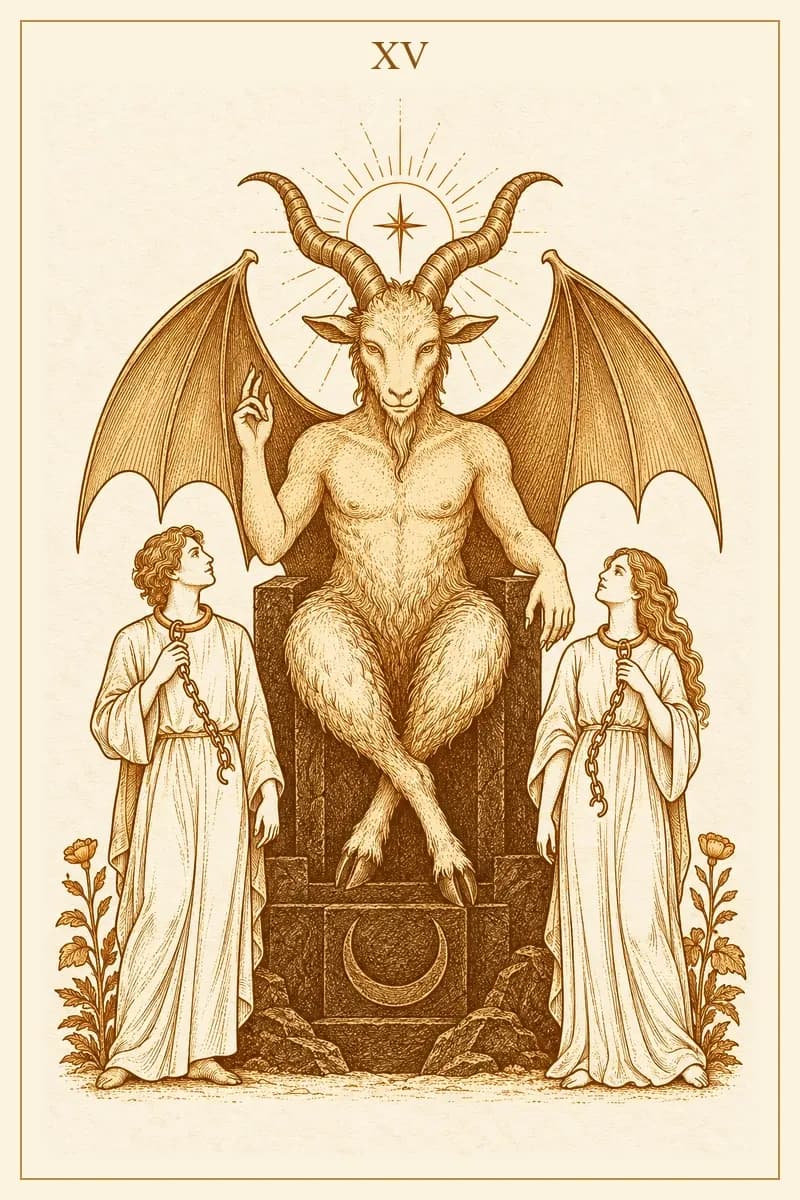
Forced Liberation
Meaning of Death and The Devil Combination: Forced Liberation
pleasure with consequences
Meaning of The Devil and Nine of Cups Combination: Pleasure With a Price
Hidden Transformation
Meaning of Death and The Moon Combination: Hidden Transformation

The difference between deserved satisfaction and stagnant complacency
Meaning of The Emperor and Nine of Cups: When Winning Becomes Waiting
✦ Bring it to the cards ✦
Bring Death and Nine of Cups into your own reading
Use this pairing as a starting point, then let a spread listen to the situation that is actually yours.
Begin a contextual reading