
Card Combination
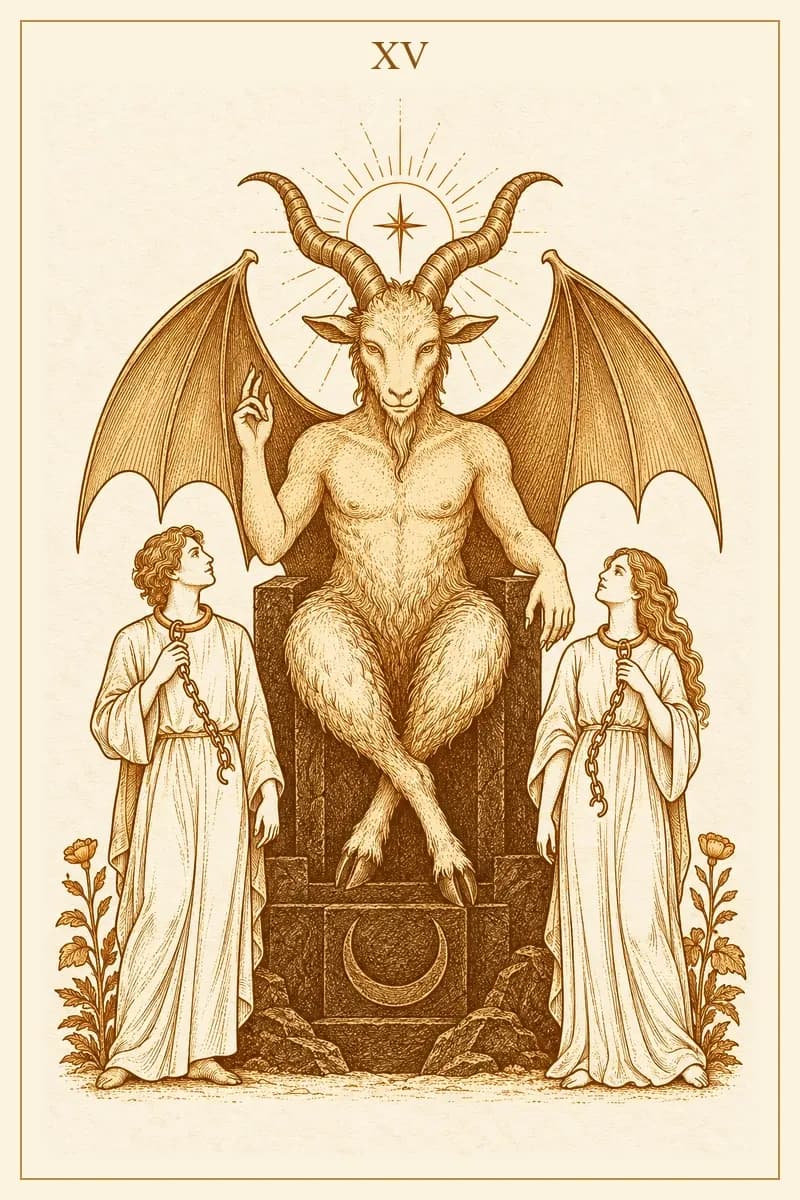
Meaning of The Devil and Nine of Cups Combination: Pleasure With a Price
pleasure with consequences
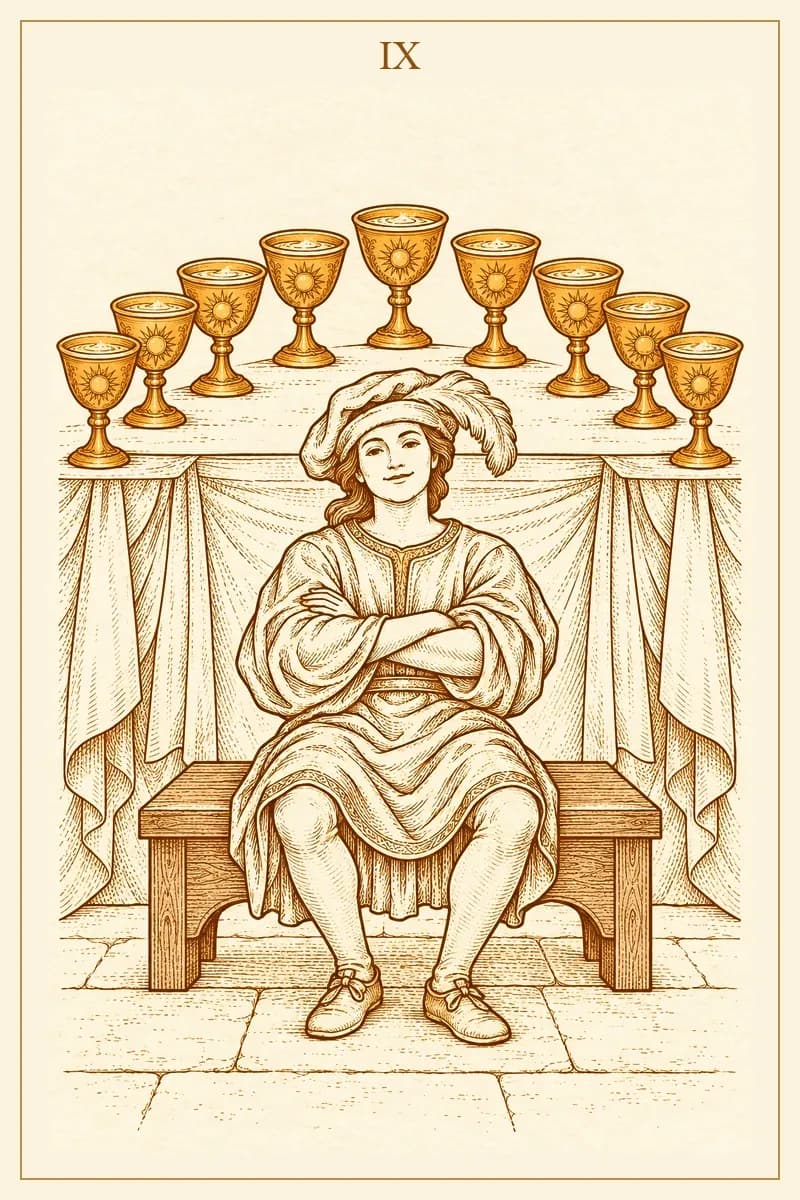
The Nine of Cups is the wish card — the one that shows a merchant sitting contentedly before his row of golden cups, arms folded, looking well-fed. It signals satisfaction, abundance, and having exactly what you wanted. The Devil, meanwhile, is the card of chains that look like they could be removed, but somehow never are. Together they don't cancel each other out. They cook something far more complicated: a dish that tastes extraordinary and sits heavy in the stomach for days.
There is a specific kind of person who appears in this combination — someone who has genuinely gotten what they wanted and discovered that getting it came with invisible terms and conditions. The pleasure is real. The fullness is real. So is the thing binding them to the table long after the meal should have ended. This is not a pairing about deprivation. It is a pairing about the moment you realize your appetite has been making decisions on your behalf.
The contrast at the core of these two cards is not between good and evil, or even between health and harm. It is between satisfaction as a destination and satisfaction as a trap. The Nine of Cups says you arrived. The Devil says look at what arrived with you.
The Core Tension
Nine of Cups energy is self-contained and pleased. It represents desires fulfilled on their own terms — emotional comfort, sensory pleasure, the quiet pride of someone whose life looks the way they pictured it. The Devil carries a different kind of fullness: compulsion dressed in the clothes of preference, attachment that has calcified into need.
When these two forces operate in the same reading, the central question becomes authorship. Are you choosing what satisfies you, or has the satisfaction chosen you? The chains in the Devil card are famously loose — the figures could step out if they tried. The Nine of Cups figure never looks up from his cups to check whether the door is open. The tension here is not dramatic. It is the quiet, comfortable danger of a kitchen that smells too good to leave.
Love & Relationships
In relationships, this combination often appears when someone is happy — genuinely happy — but happiness has become the reason not to look too closely. A partnership that delivers consistent pleasure, warmth, and emotional fulfillment can still contain unhealthy dynamics that go unexamined because examining them risks the good feeling. The Devil does not always mean toxicity. Sometimes it means you have stayed at the table past hunger because leaving would mean admitting the meal is over.
This pairing can also surface in situations involving desire without accountability — attraction that feels like destiny but functions like habit, or relationships maintained for comfort rather than growth. The love is not fake. The attachment is just running the show.
Career & Purpose
Professionally, this combination flags success that has become a cage. A role that once felt like achievement — good pay, recognition, the satisfaction of competence — may now be the thing keeping someone from moving toward something more meaningful. The Nine of Cups delivers exactly what was ordered. The Devil points out that the order was placed a long time ago, and the person who placed it may have wanted something different now.
Overindulgence in work reward systems also appears here: chasing bonuses, recognition, or status in ways that feel good but quietly erode other values. The recipe is technically perfect. The ingredients, on inspection, may need revision.
Shadow Side
The shadow side of this pairing is the comfort that forecloses honesty. Both cards, in their difficult expressions, resist disruption — the Nine of Cups because things feel good enough, the Devil because disruption feels like loss. Together they can produce a sophisticated rationalization machine: the ability to construct a compelling story about why things are fine that is held in place entirely by the fact that things feel fine.
Physical indulgence, substance reliance, and cycles of short-term reward over long-term wellbeing all live in this shadow. The warning is not about the pleasure itself. It is about the way pleasure can become an argument against clarity.
Action Steps
- 1Identify one area where you are satisfied but not free — and sit with the difference between those two states rather than resolving it immediately.
- 2Notice what you reach for when you feel uncomfortable, and follow the habit back to its origin rather than simply indulging or suppressing it.
- 3Cook something from scratch this week, paying attention to each ingredient — use the process as a way to reconnect with conscious choice over automatic consumption.
Related Pairings
Continue through published pairings that share The Devil or Nine of Cups.
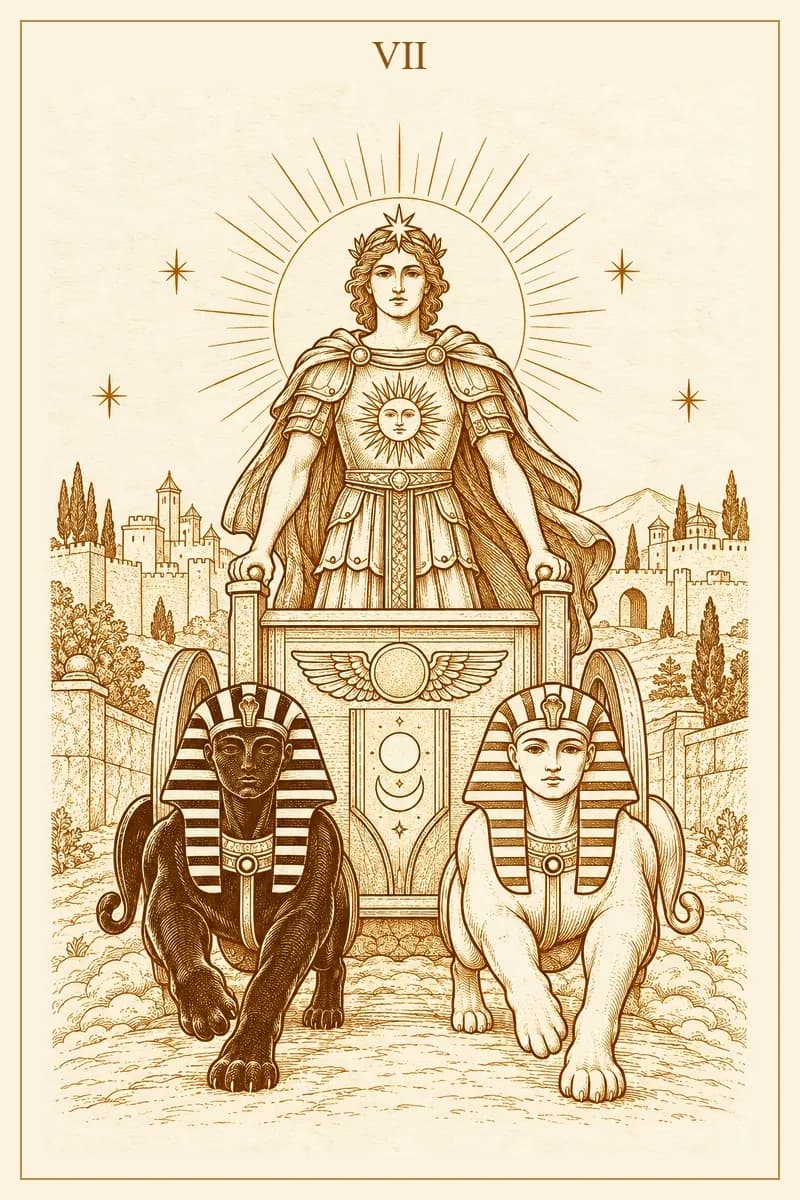
ambition vs obsession
Meaning of The Chariot and The Devil: Ambition in Chains
Earned contentment
Meaning of The Chariot and Nine of Cups: Earned Satisfaction
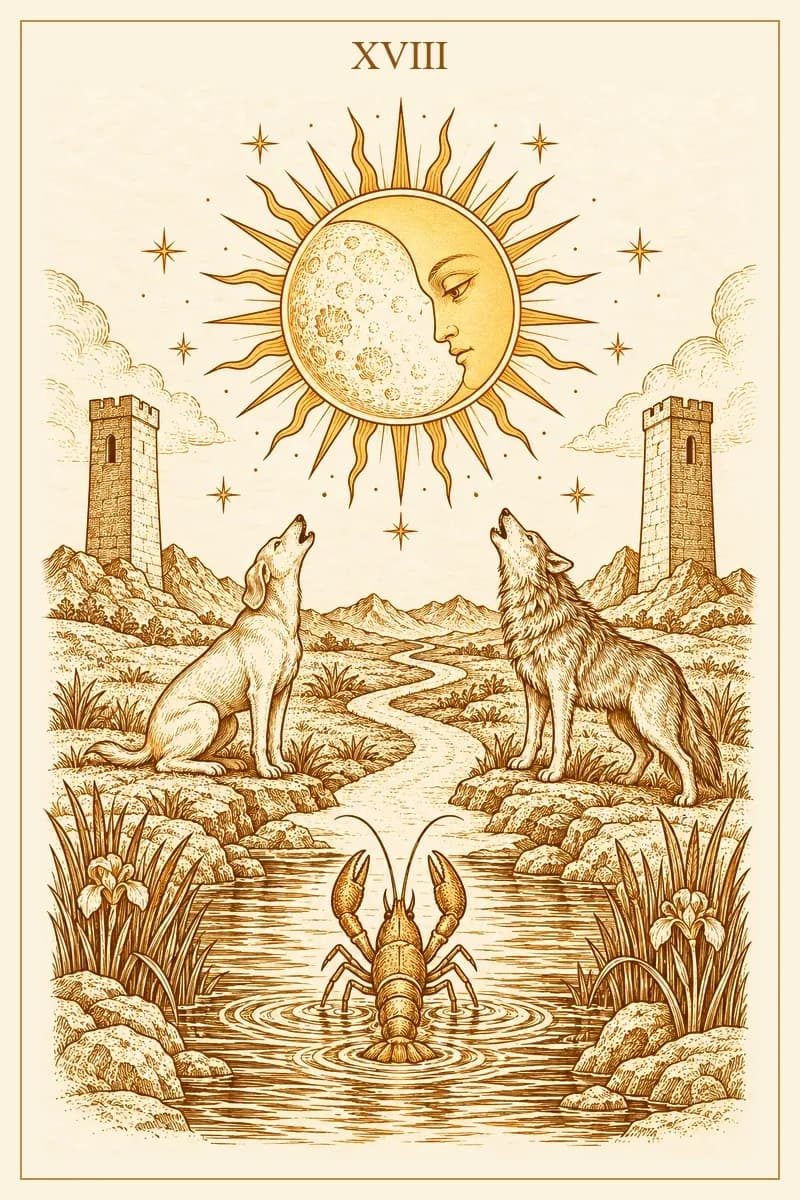
hidden compulsion
Meaning of The Devil and The Moon Combination: Shadows That Bind
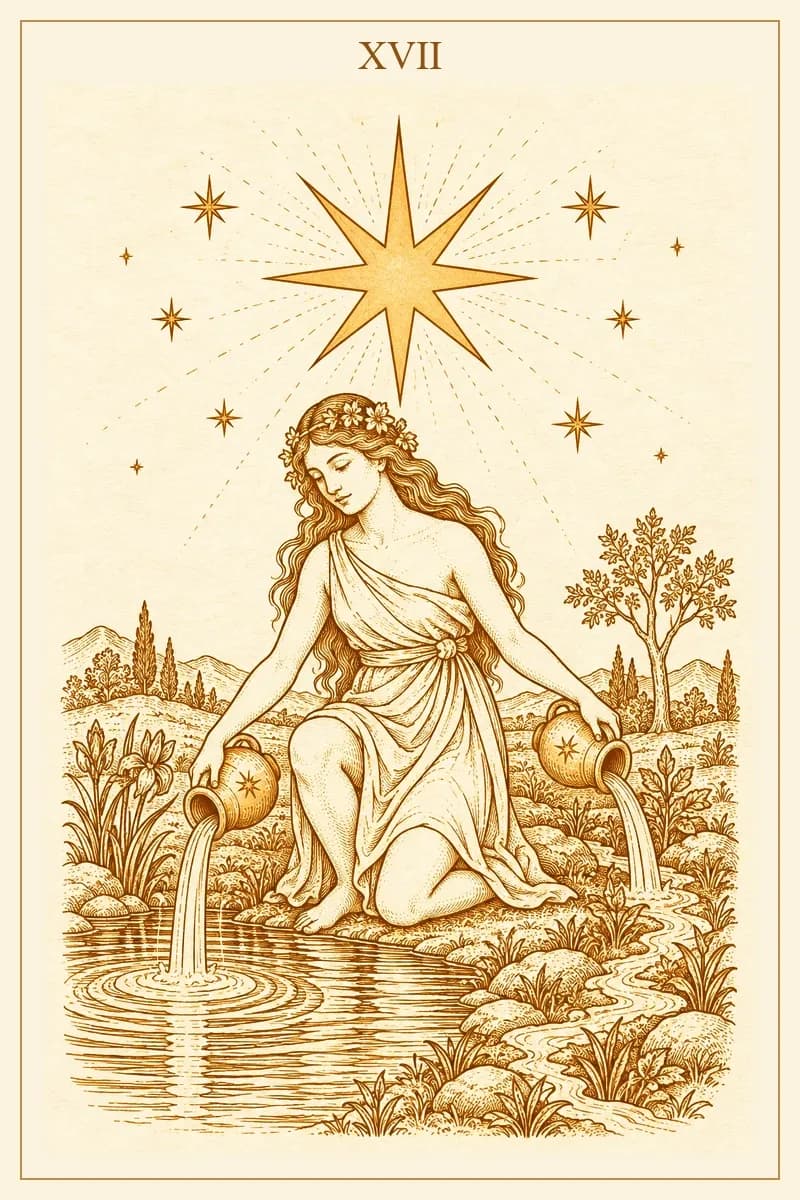
bondage versus healing
Meaning of The Devil and The Star Combination: Addiction vs. Recovery

The difference between deserved satisfaction and stagnant complacency
Meaning of The Emperor and Nine of Cups: When Winning Becomes Waiting
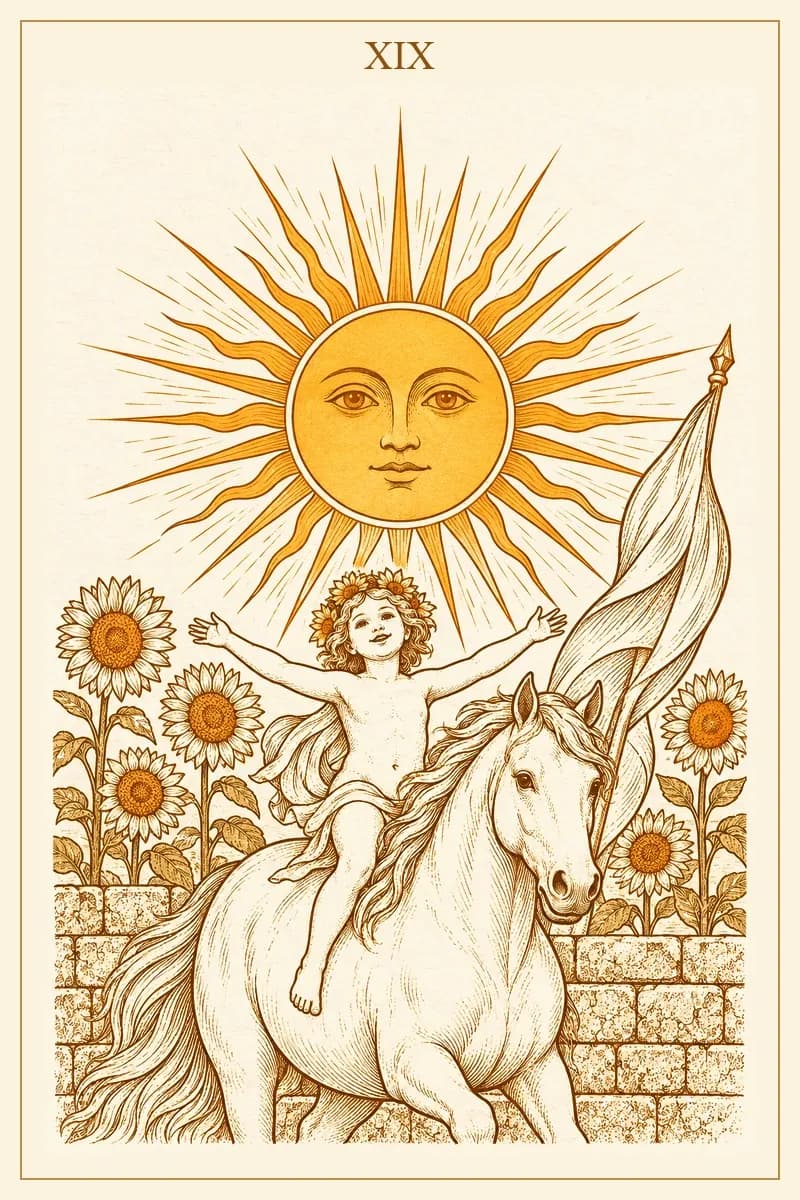
liberation through exposure
Meaning of The Devil and The Sun Combination: Chains in the Light
✦ Bring it to the cards ✦
Bring The Devil and Nine of Cups into your own reading
Use this pairing as a starting point, then let a spread listen to the situation that is actually yours.
Begin a contextual reading