
Card Combination
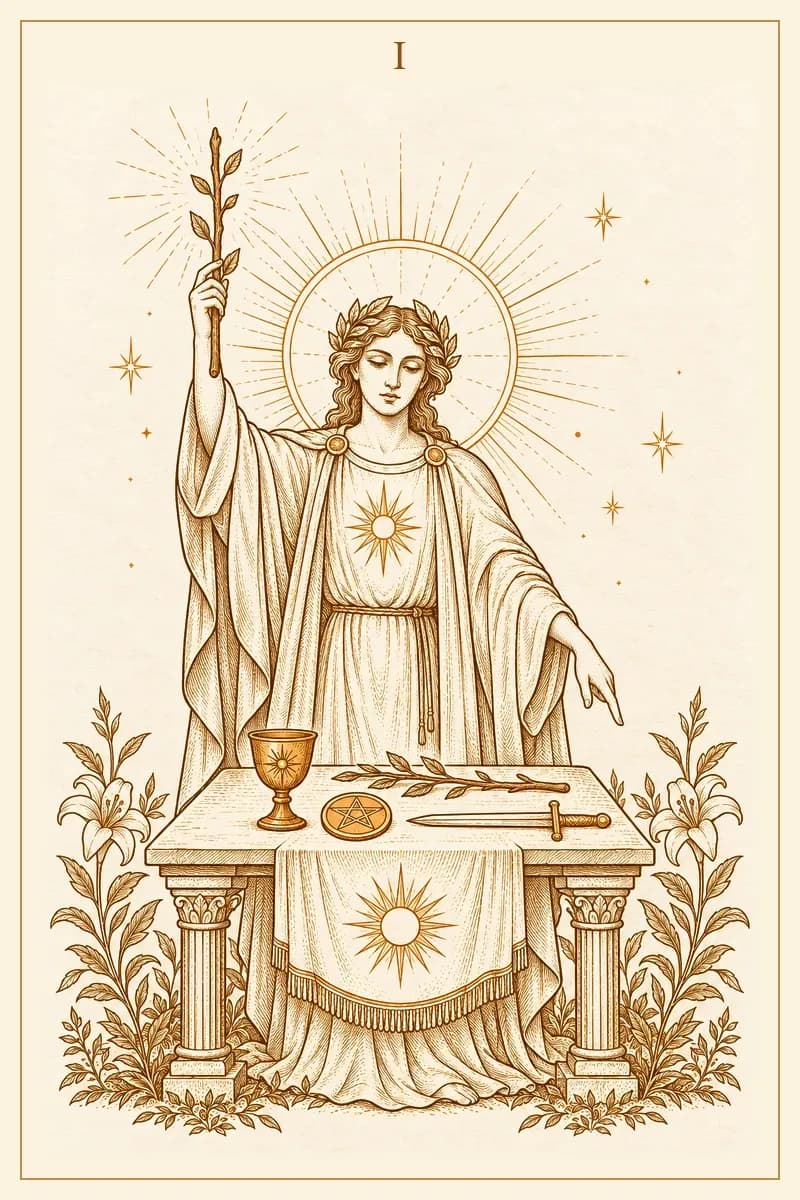
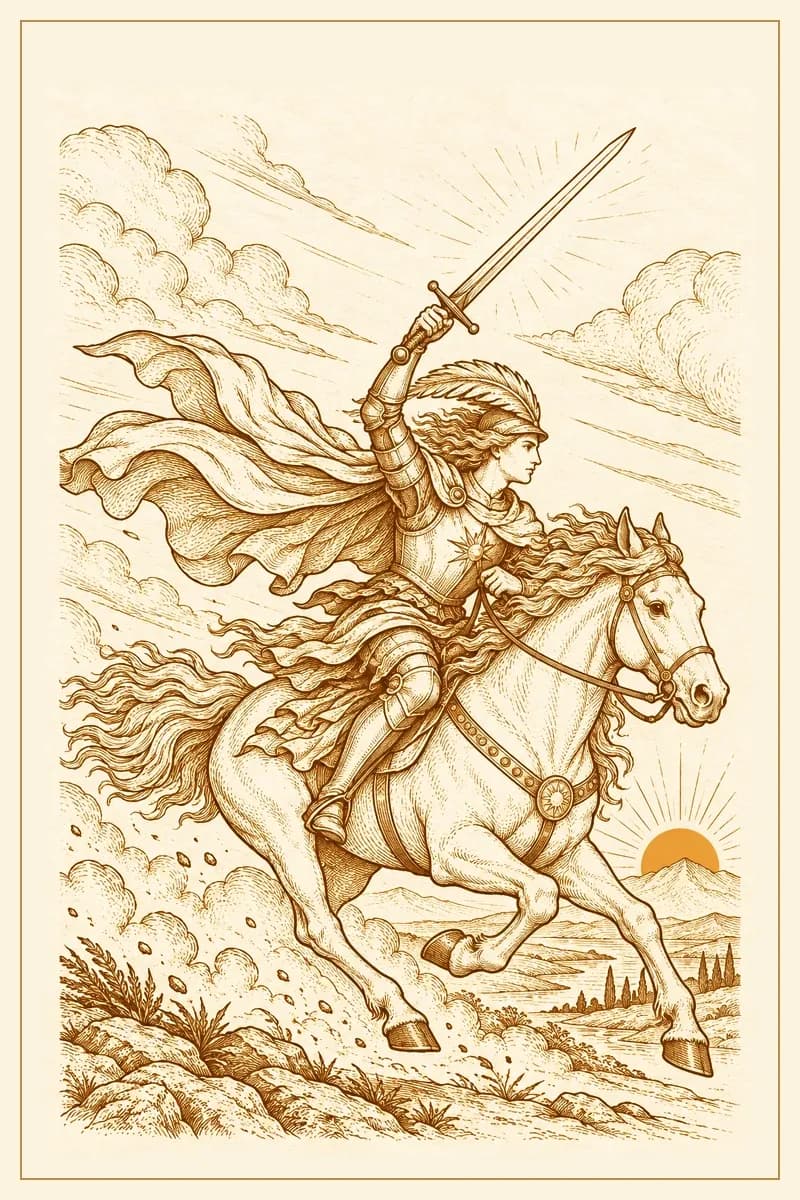
Meaning of The Magician and Knight of Swords Combination: Strategy Meets the Charging Cavalry
Deliberate strategy confronting unrestrained speed
Speed without a general is a cavalry charge into fog — spectacular, terrifying, and entirely capable of routing itself. The Knight of Swords does not wait for terrain reports. He rides because the blade demands motion, because stillness feels like surrender, because the ground between him and the objective is an insult to be closed as fast as hooves will carry him. Against this force, planning looks like cowardice. But without the planning, the charge finds no enemy to break — only exhaustion at the end of an open field.
This is the war council no one convened but everyone needed. When mastery of the available tools meets the cavalry's instinct to move before the moment dissolves, the result is either a campaign that history remembers or a rout that no one survives to explain.
The Core Tension
The Magician is the general who never enters the field without having read the terrain. Every resource on his table — wand, cup, sword, pentacle — has been assessed, positioned, and reserved for the engagement where it is most decisive. He does not move on impulse; he moves on preparation so thorough that when he finally acts, the action appears effortless, even inevitable. His power is not force but leverage: the right instrument applied to the right point at the right moment collapses obstacles that brute strength cannot move.
The Knight of Swords is the opposite problem — a cavalry officer of staggering capability who considers tactical delay an enemy nearly as threatening as the one across the field. He is fast, intellectually lethal, impossible to ignore. He can cut through confusion that stops lesser minds entirely. But his intelligence runs at the same speed as his horse: forward, at full gallop, with any obstacle designated as something to be ridden through rather than studied. His greatest victories happen when his instincts happen to be correct. His defeats are legendary.
Together they create a command structure in permanent argument. The Magician's value is in what he knows before acting; the Knight's value is in acting before the window closes. The tension is real because both are right — the terrain must be read, and the window must be caught. The pairing asks which discipline is actually required by this specific engagement, and whether either figure is capable of the humility to defer when deference is the winning move.
Love & Relationships
In relationships, this combination belongs to the person who knows exactly what they want to say and the partner who has already said half of it out loud. The Magician has been preparing the conversation — choosing the engagement carefully, reading approach vectors, identifying what the relationship actually needs rather than what the moment's emotion demands. The Knight has been moving toward the same conversation at full gallop, unannounced, sword already drawn, saying true things without waiting to learn if true is what the moment calls for.
The difficulty is not incompatibility but synchronization. Two people who are both capable and both fast can destroy something careful by arriving at the same confrontation from different angles without coordinating approach. The relationship that survives this pairing learns the difference between the speed that closes distance and the speed that prevents connection. Timing, here, is not a romantic abstraction — it is operational planning applied to something vulnerable.
Career & Purpose
Professionally, this is the campaign that can win quickly or fail expensively. The Magician brings the intelligence assessment — who holds the resources, which opponents are overextended, where the decisive blow lands. The Knight brings the execution capability: once the objective is identified, he will ride to it without hesitation, disruption, or self-doubt. The combination is genuinely formidable when the sequence is correct — strategy first, charge second.
The danger is when the Knight's tactical velocity outruns the Magician's strategic calculation. Projects under this influence have a tendency to advance brilliantly past the point where they should have regrouped, overrun their supply lines because the forward momentum felt like evidence of correctness, and arrive at a position that cannot be held. The campaign wins every engagement and still loses the war because no one called a halt long enough to look at the full map. Discipline the Knight to wait for orders. Then unleash him.
Shadow Side
The shadow of this pairing is the brilliance that mistakes urgency for strategy. Both figures are intelligent; neither is automatically wise. The Magician can use his preparation as armor against the necessity of acting at all — a general who reads terrain indefinitely is not a general but an academic. The Knight can use his speed as argument against the necessity of thinking — a cavalry officer who charges without orders is not courageous but insubordinate to his own better judgment.
When these shadows combine, the result is sophisticated recklessness: decisions that appear considered but were made at cavalry speed, strategies that look brilliant in the briefing room but dissolve the moment they meet actual friction. The warning is not to slow down or to speed up, but to be honest about which discipline the situation actually demands — and whether the choice made is serving the campaign or merely the preference.
Action Steps
- 1Map one active objective in full before accelerating: write down the terrain, the resources, and the single most decisive point of leverage before you move another step forward
- 2Identify one situation where you have been moving at Knight speed and ask whether the pace is winning the engagement or merely preventing the discomfort of stillness
- 3Find one opportunity where your preparation is complete and the window is genuinely open — then charge without hesitation, because the general who never commits is no general at all
Related Pairings
Continue through published pairings that share The Magician or Knight of Swords.
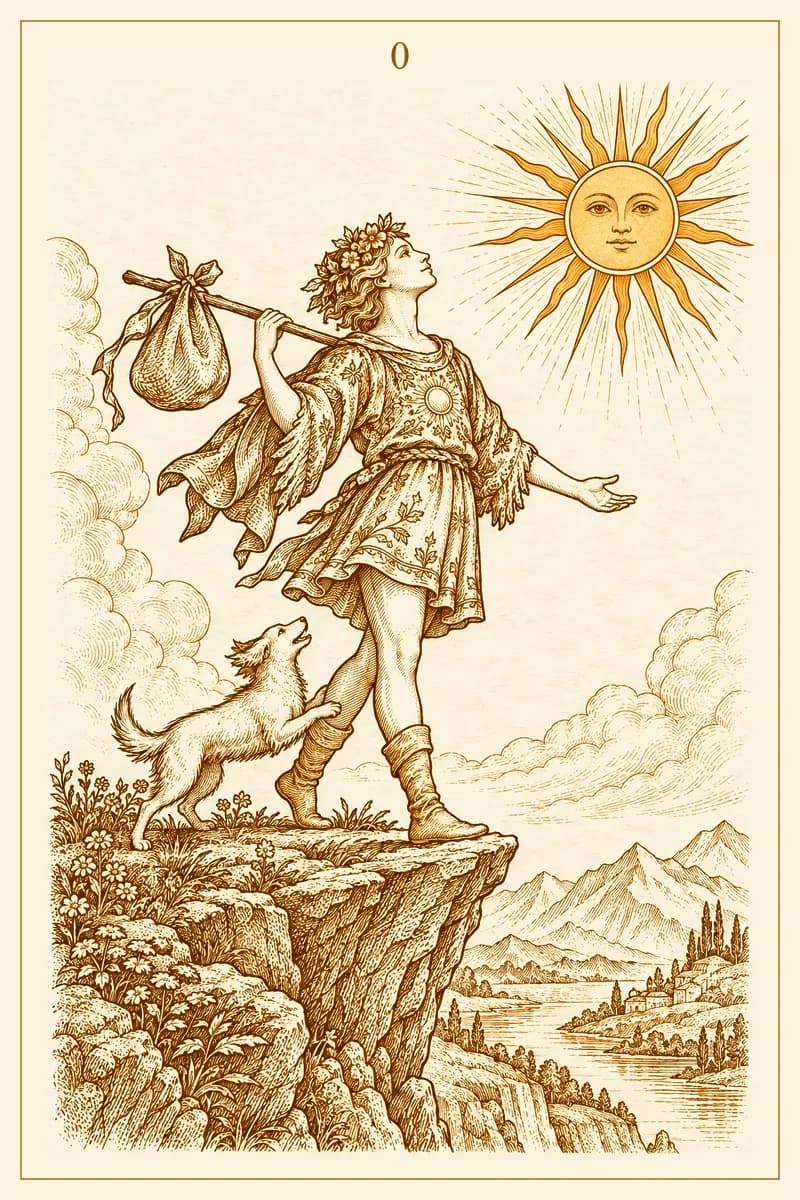
Spontaneous manifestation
Meaning of The Fool and The Magician Combination: Spontaneous Manifestation
Unconditioned openness encountering aggressive intellectual momentum
Meaning of The Fool and Knight of Swords Combination: Reckless Meets Relentless
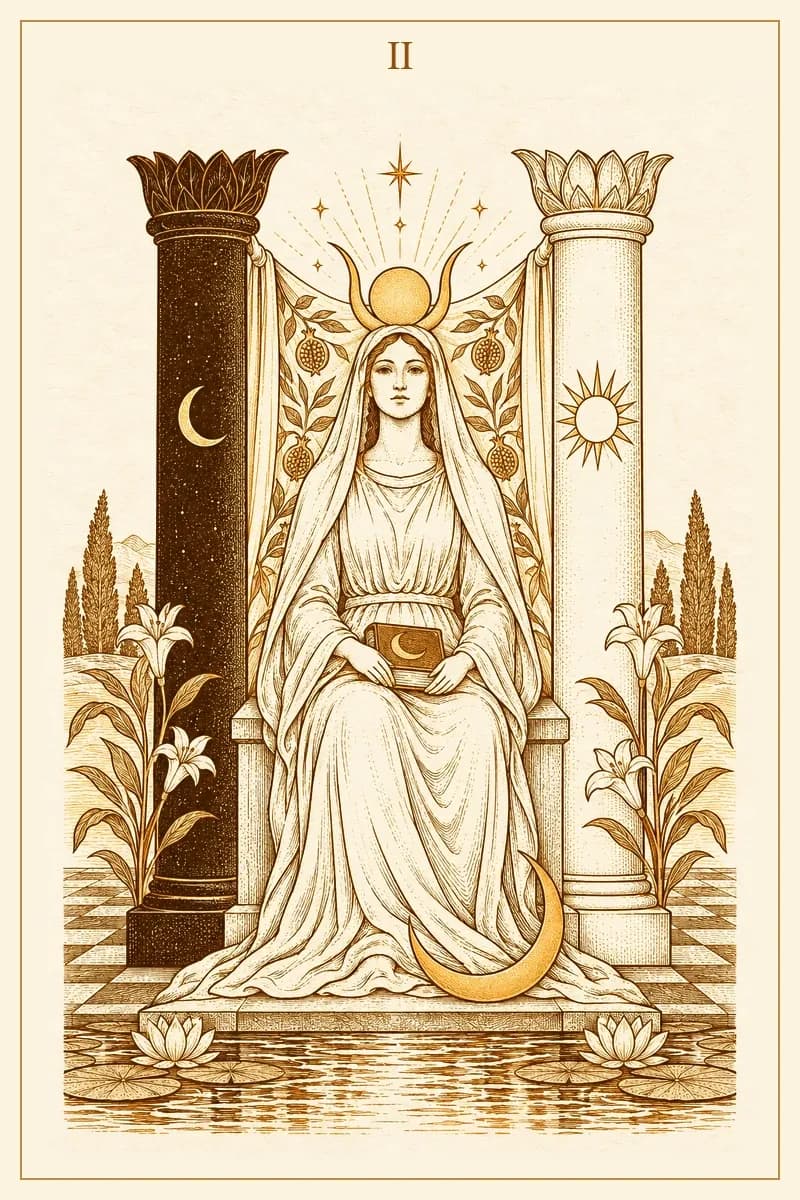
Conscious action harmonizing with unconscious knowing
Meaning of The Magician and The High Priestess Combination: The Conductor and the Silence Between Notes
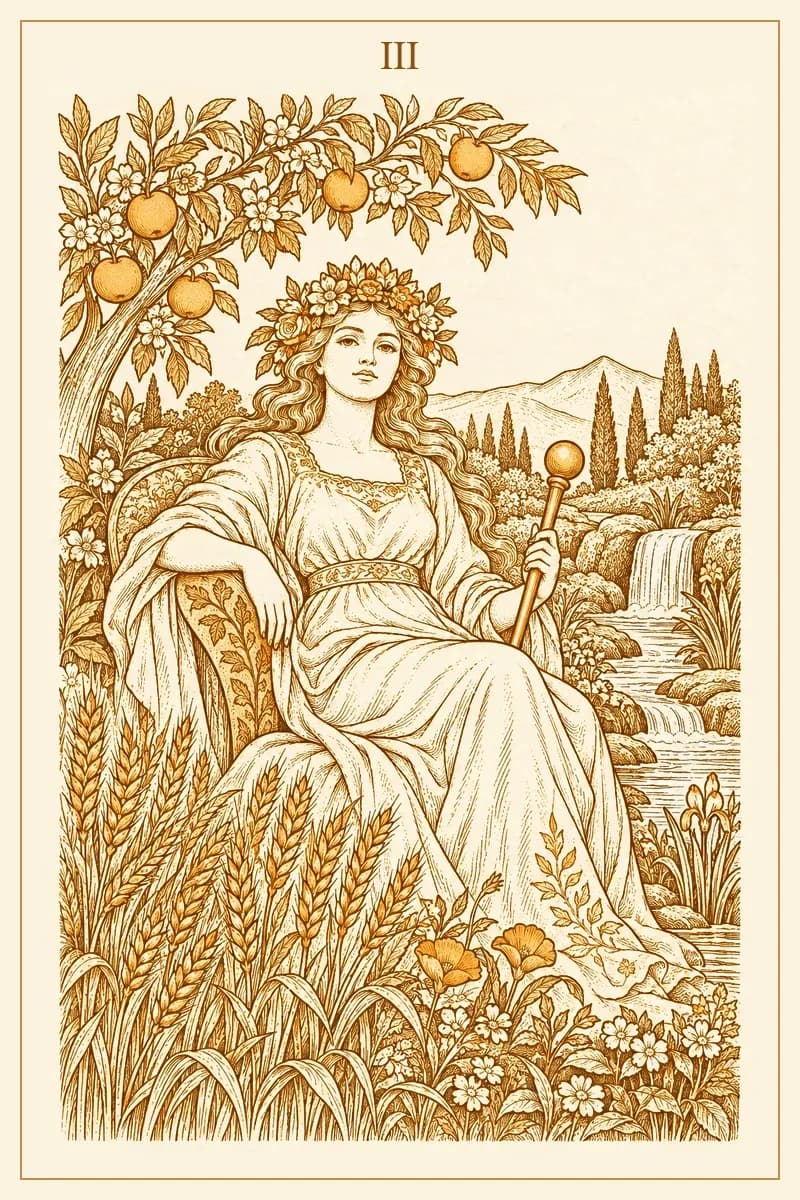
Fertile willpower
Meaning of The Magician and The Empress Combination: Seeds That Obey the Hand
Speed versus depth
Meaning of The High Priestess and Knight of Swords Combination: Speed Meets Depth

Disciplined mastery
Meaning of The Magician and The Emperor Combination: The Architect of Command
✦ Bring it to the cards ✦
Bring The Magician and Knight of Swords into your own reading
Use this pairing as a starting point, then let a spread listen to the situation that is actually yours.
Begin a contextual reading