Loading your view
The page is gathering the latest information.
The page is gathering the latest information.
structured mastery
No cathedral was ever designed by a committee. Someone — one person, standing alone with chalk dust on their hands and an impossible vision pressing against the inside of their skull — drew the first line. Before the bishops approved it, before the stonemasons organized their guilds, before the congregation filled its nave with centuries of prayer, there was a single architect who looked at empty ground and declared that it would hold something sacred. The institution came second. The individual act of will came first.
This is the provocation that lives at the center of The Magician and The Hierophant together: every tradition was once an act of defiance, and every defiant creator eventually needs a tradition to carry their work beyond the span of a single lifetime.
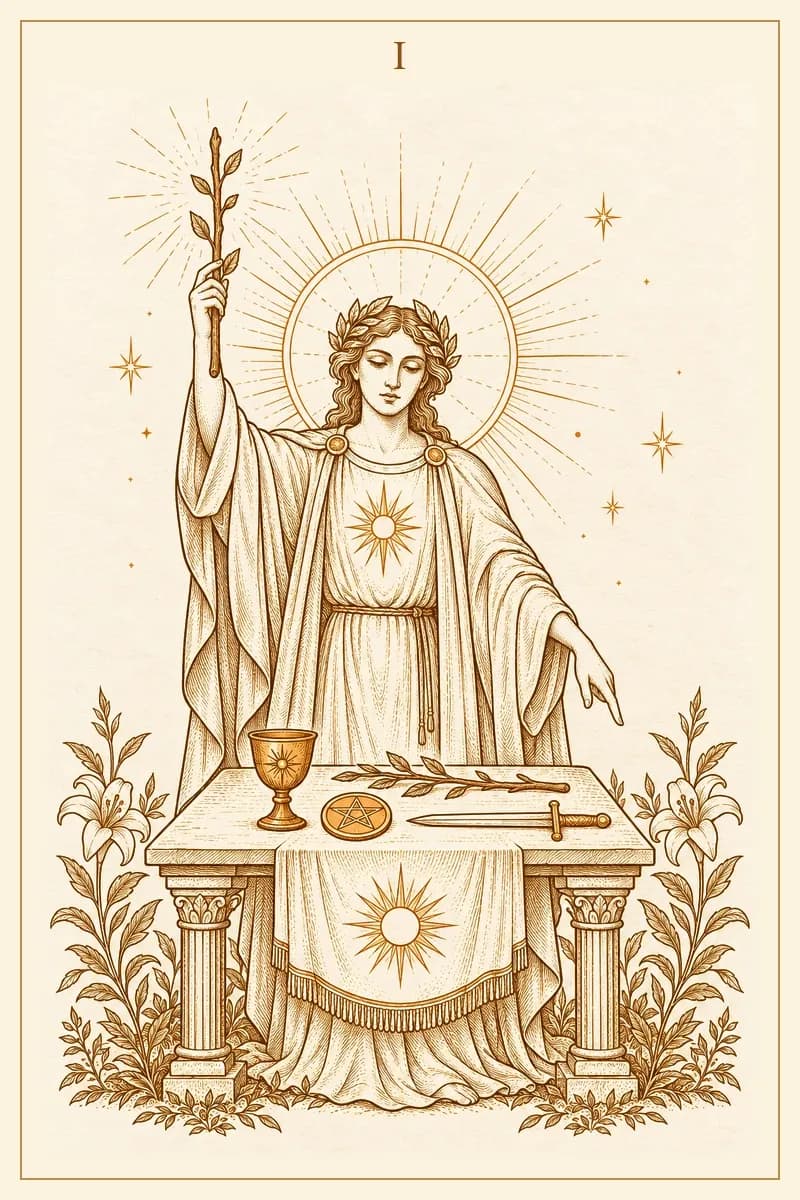
The Magician stands at his workbench with the four elements arranged before him — tools of personal transformation, instruments that respond to his hand and his hand alone. He is the architect drafting blueprints at three in the morning, convinced that his design will change how people move through space. His authority comes from competence. He does not ask permission to create. He creates, and the creation speaks for itself.
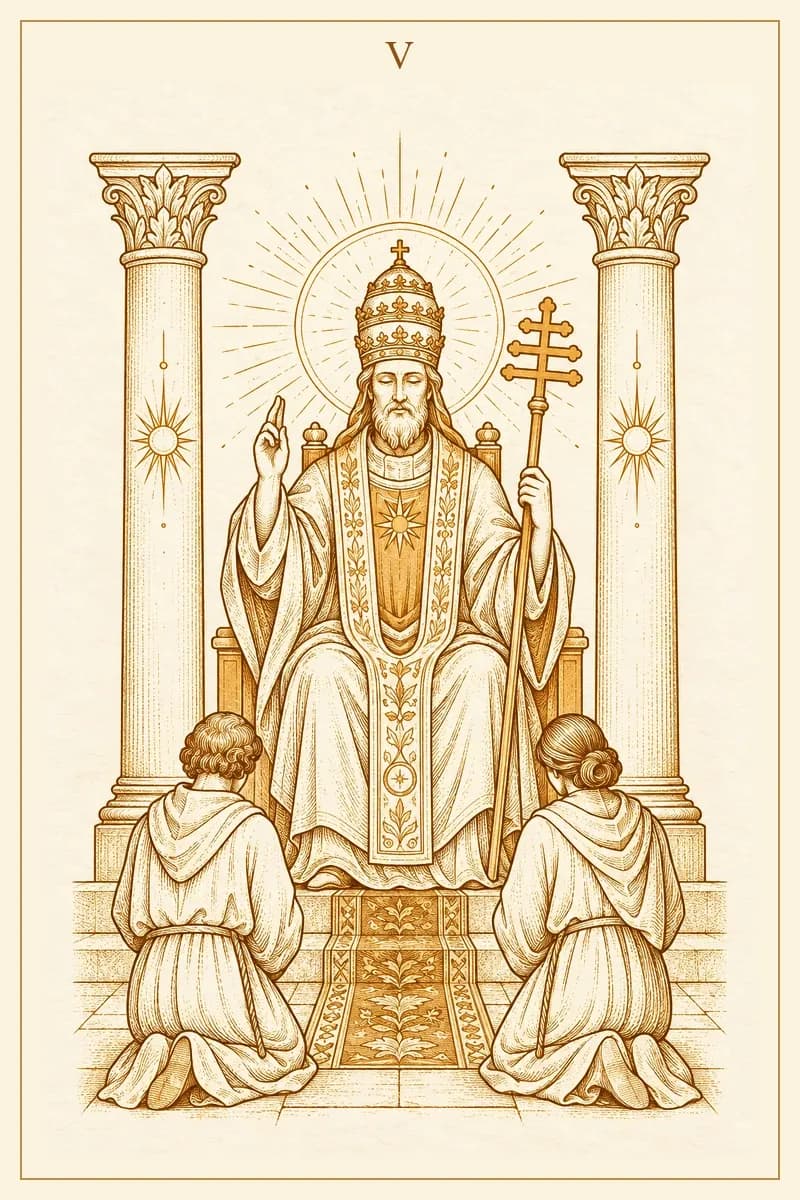
The Hierophant sits between two pillars in a structure that was ancient before he was born. His authority does not derive from personal brilliance but from the accumulated weight of generations who built, tested, revised, and codified the knowledge he now transmits. He is the building code, the load-bearing calculation, the zoning law that ensures the architect's soaring vision does not collapse on the people standing beneath it. His power is continuity — the ability to hold a structure steady across centuries while individual builders come and go.
When these two forces meet, the question is not whether one is superior. The question is whether the architect can build within the code without losing the vision, and whether the code can absorb the architect's innovation without cracking at its foundations.
In relationships, this combination produces a partnership where one person carries the energy of invention and the other carries the weight of commitment to established forms. One partner wants to reinvent the relationship from scratch — new agreements, new rhythms, new definitions of what love can look like. The other finds security in the rituals that relationships have always relied upon: spoken vows, family introductions, holidays observed in the same way each year, the structural beams that hold domestic life in place.
The architecture works when both partners recognize what the other provides. The innovator needs to understand that tradition is not the enemy of passion but its long-term housing. The traditionalist needs to accept that rituals performed without personal conviction become hollow ceremonies — ornamental facades with no living space behind them. The strongest version of this partnership builds a relationship that honors inherited forms while continuously renovating the interior to reflect who both people are becoming.
Professionally, The Magician and The Hierophant describe the tension between the entrepreneur and the institution. This is the gifted individual entering a field governed by established hierarchies, certification requirements, and unwritten rules about how things have always been done. The Magician brings skill that the institution needs. The Hierophant offers infrastructure that the individual cannot build alone — networks, credibility, distribution channels, the scaffolding that turns a brilliant prototype into a building that serves thousands.
The professional opportunity here is mentorship that flows in both directions. The experienced institution teaches the newcomer which walls are load-bearing and must not be removed. The newcomer shows the institution where the original blueprints have become outdated, where the structure has developed blind spots that only fresh eyes can detect. Careers flourish under this influence when the individual submits to genuine learning without abandoning the originality that made them valuable in the first place.
The shadow of this pairing is the architect who either surrenders entirely to the building code or refuses to acknowledge it exists. In the first case, personal skill is buried under institutional conformity. The Magician stops creating and starts merely replicating — copying blueprints drawn by others, producing work that is structurally sound but spiritually vacant. The cathedral stands, but no one feels moved to enter it.
In the second case, the Magician dismisses all tradition as obsolete constraint. He builds without regard for the engineering principles that centuries of failure refined. The structure looks revolutionary from the outside. From the inside, the ceilings crack. Innovation without respect for structural wisdom produces collapses that discredit the very creativity that inspired them.
Keep or share this combination reference
Continue through published pairings that share The Magician or The Hierophant.
Spontaneous Manifestation
authority meets doctrine
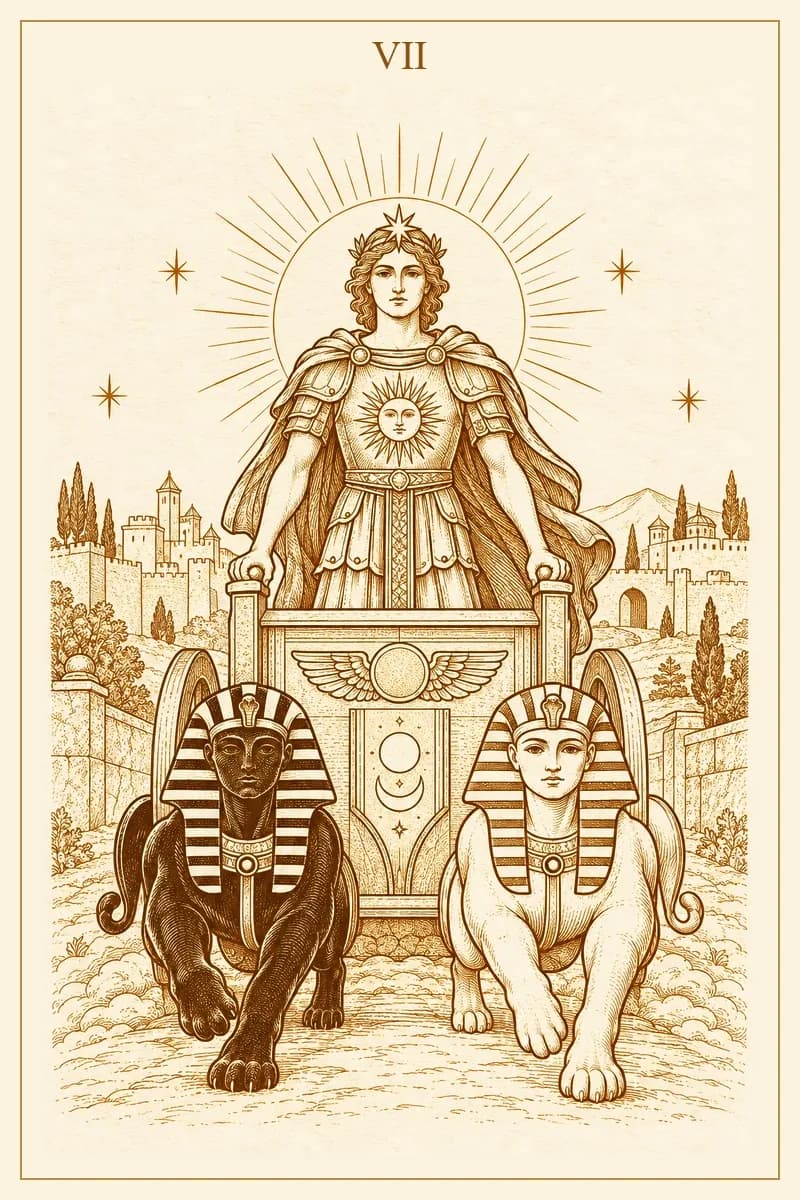
controlled momentum
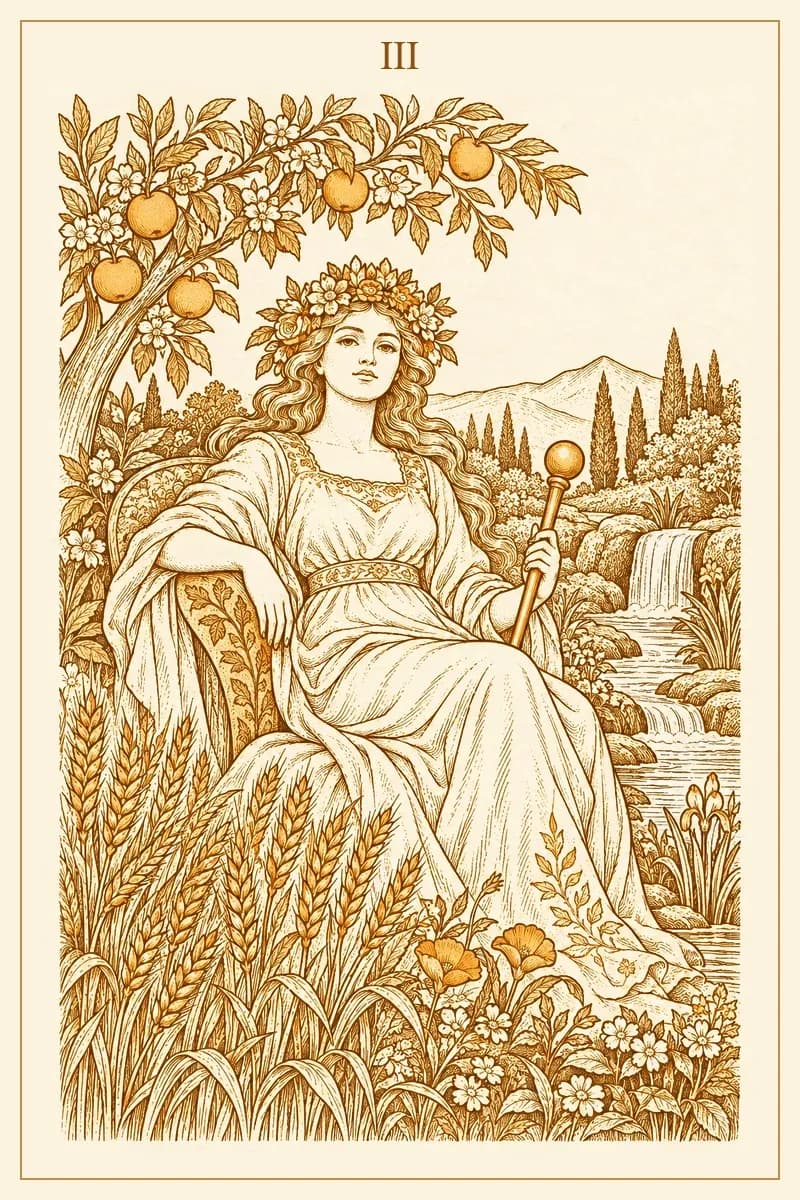
abundance versus doctrine
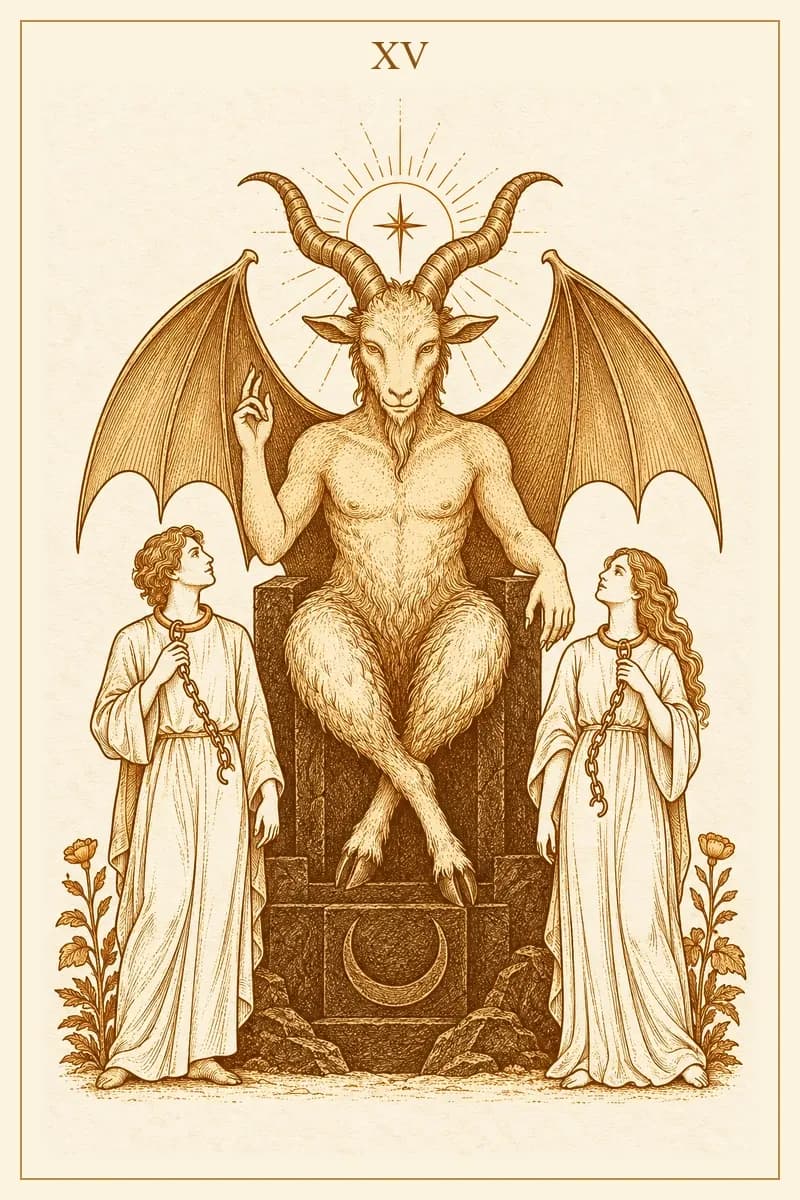
will versus compulsion
Sacred Rebellion
✦ Bring it to the cards ✦
Use this pairing as a starting point, then let a spread listen to the situation that is actually yours.
Begin a contextual reading