Loading your view
The page is gathering the latest information.
The page is gathering the latest information.
revelation through collapse
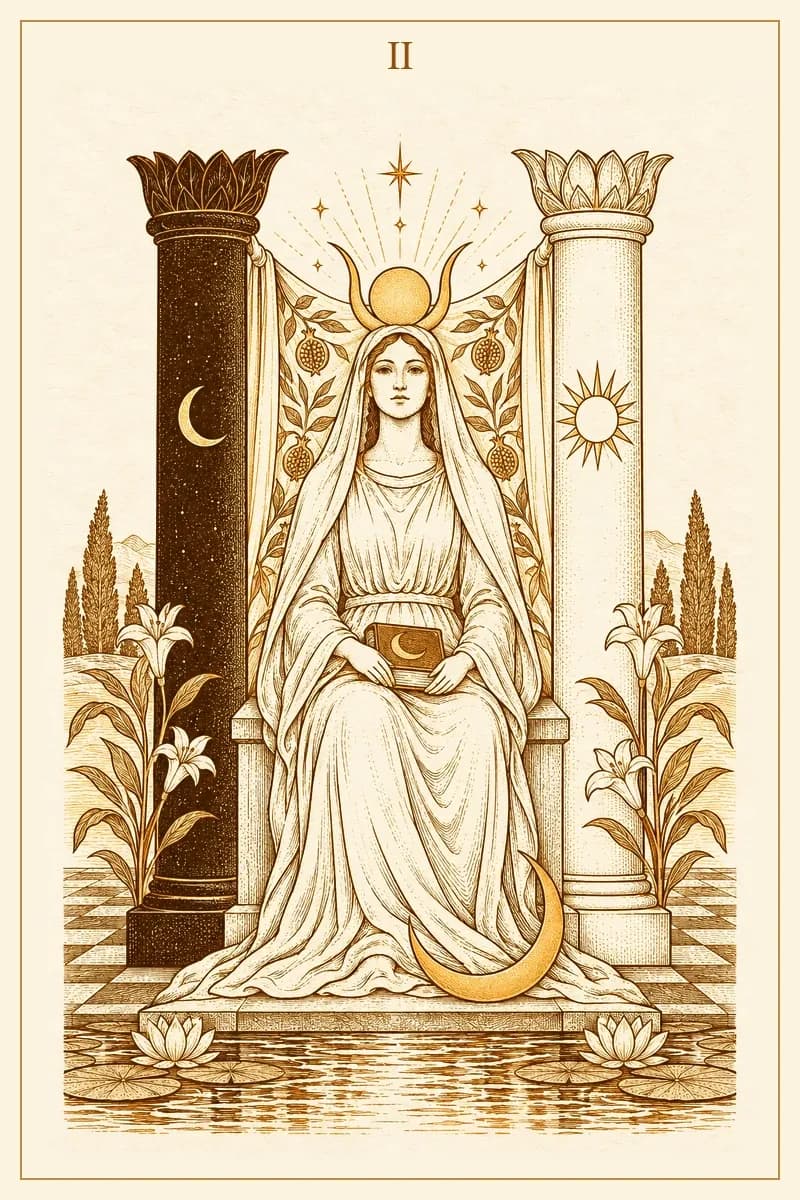
What you are losing was always going to go. The High Priestess knew before the lightning struck. She held that knowledge in the scroll, in the stillness, in the space between the pillars where the drafts move but the stone does not. The Tower is not her enemy — it is her evidence.
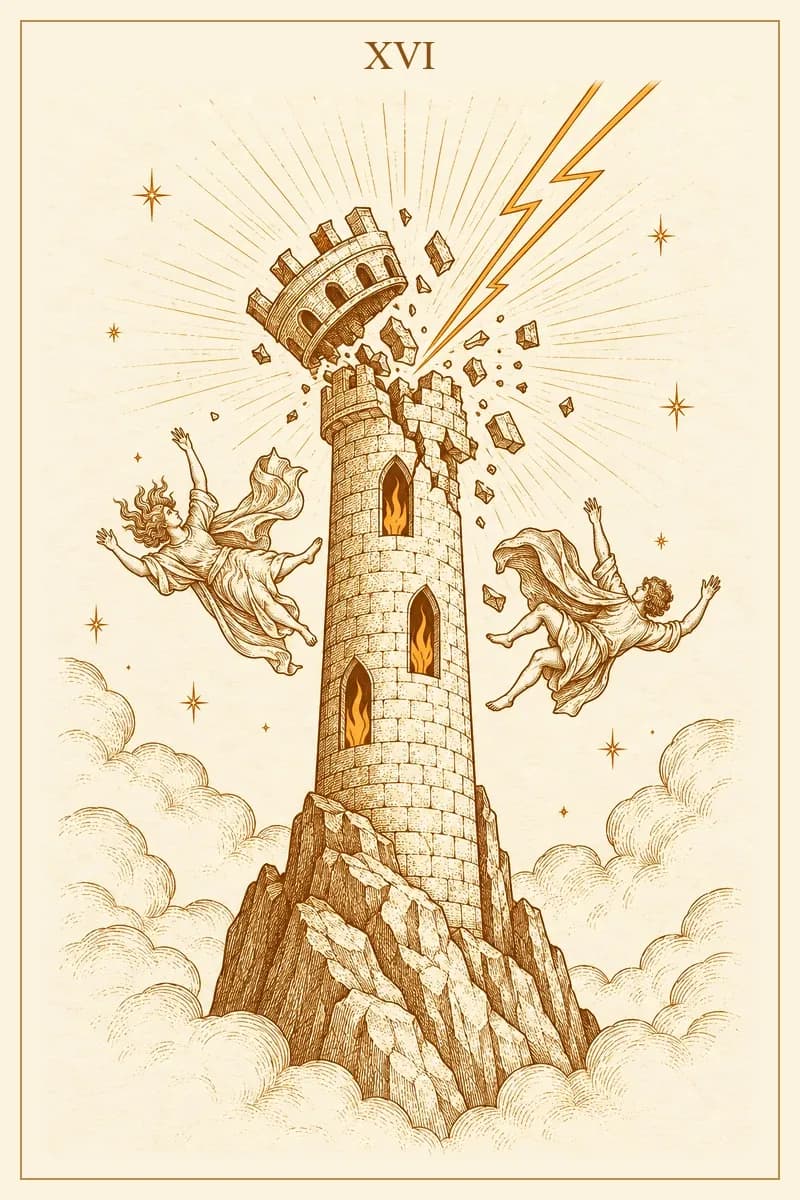
The High Priestess represents the kind of knowing that precedes events. The Tower represents events that force knowing into the open. When they appear together, the collapse is real, but it is not arbitrary. Something built on a misalignment is coming down. The question this pairing presses is not *why did this fall* but *what did you already sense before it did?*
Most collapses are not surprises to the part of you that has been paying attention. The Priestess holds what that part knew. The Tower makes it undeniable.
The High Priestess prefers indirect revelation. She shows rather than announces, implies rather than declares. The Tower does not have this patience. It announces. Loudly. In one flash.
The tension here is between the knowledge that was available and the form in which it was finally delivered. If you had listened earlier — to the quiet signals, the unease, the sense that something structural was off — the Tower might have arrived smaller. It might have been a single brick rather than the whole facade. This pairing does not offer comfort about the timing. It offers clarity about the source.
In relationships, this combination marks the moment when what was privately known becomes publicly undeniable. A person leaves. A truth emerges. The architecture of a partnership reveals itself as incomplete.
The High Priestess here is not cold comfort. She is specific: you already knew this was unstable. You sensed it in the way certain conversations kept circling back to the same unresolved center. The Tower simply completed the sentence.
After the collapse, the Priestess becomes essential — she holds the stillness that allows sorting. What parts of you survive this? What did you learn about what you actually need, not what you settled for?
In professional settings, this combination often marks an institutional reckoning. A structure that was operating on unchecked assumptions — about strategy, about leadership, about what the market would bear — hits a correction.
The High Priestess in this context signals that someone in the organization already understood the fragility. The warning was in the data, in the pattern of avoided meetings, in the language that was always slightly evasive. The Tower does not distinguish between those who saw it coming and those who didn't. The aftermath is where discernment matters: the person who knew can rebuild with better foundations. The person who is only now learning to read the signals is more vulnerable to repeating the pattern.
The shadow of this pairing is using inner knowing as a form of detachment — watching the collapse with such spiritual composure that you fail to grieve what is genuinely lost.
Not everything that fell deserved to fall. Some structures were damaged by forces outside their fault lines. The Priestess can become cold if she is not balanced with something that acknowledges real loss. Collapse is not always purification. Sometimes it is simply damage. The shadow here is the person who converts devastation into philosophy before they have finished feeling it.
Keep or share this combination reference
Continue through published pairings that share The High Priestess or The Tower.
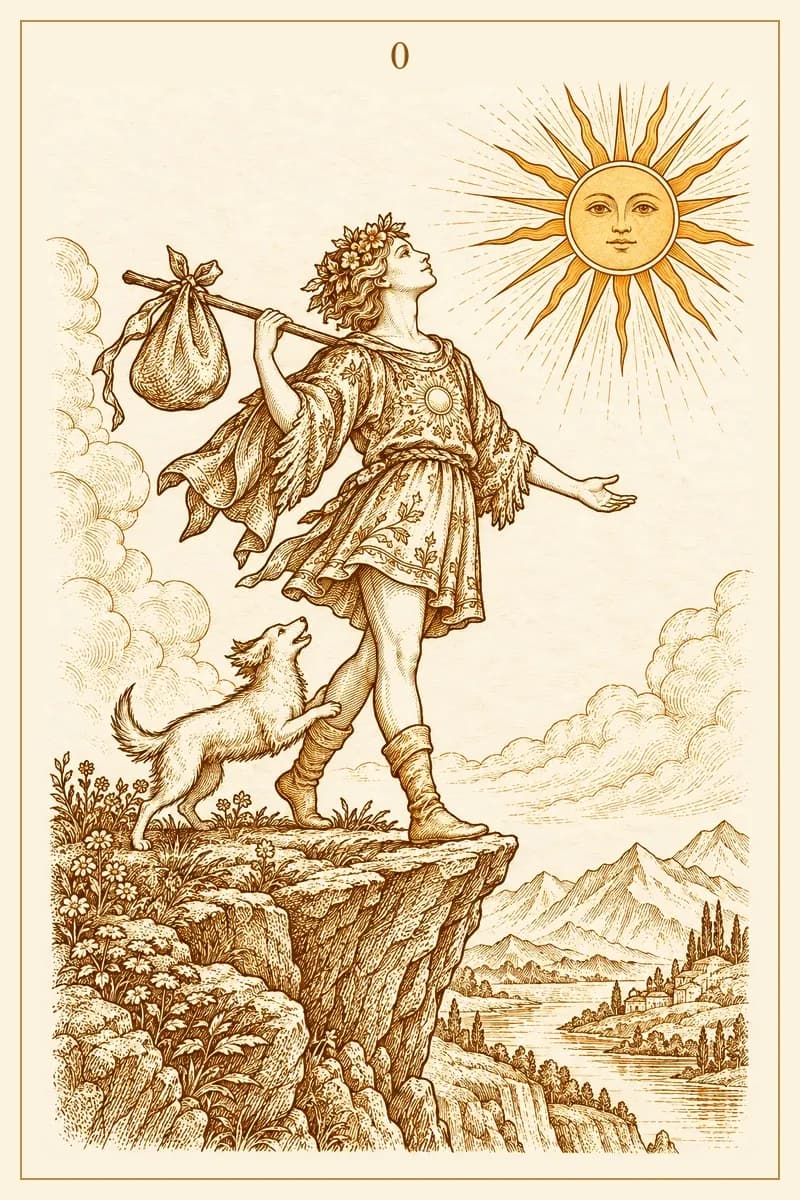
Innocent Knowing
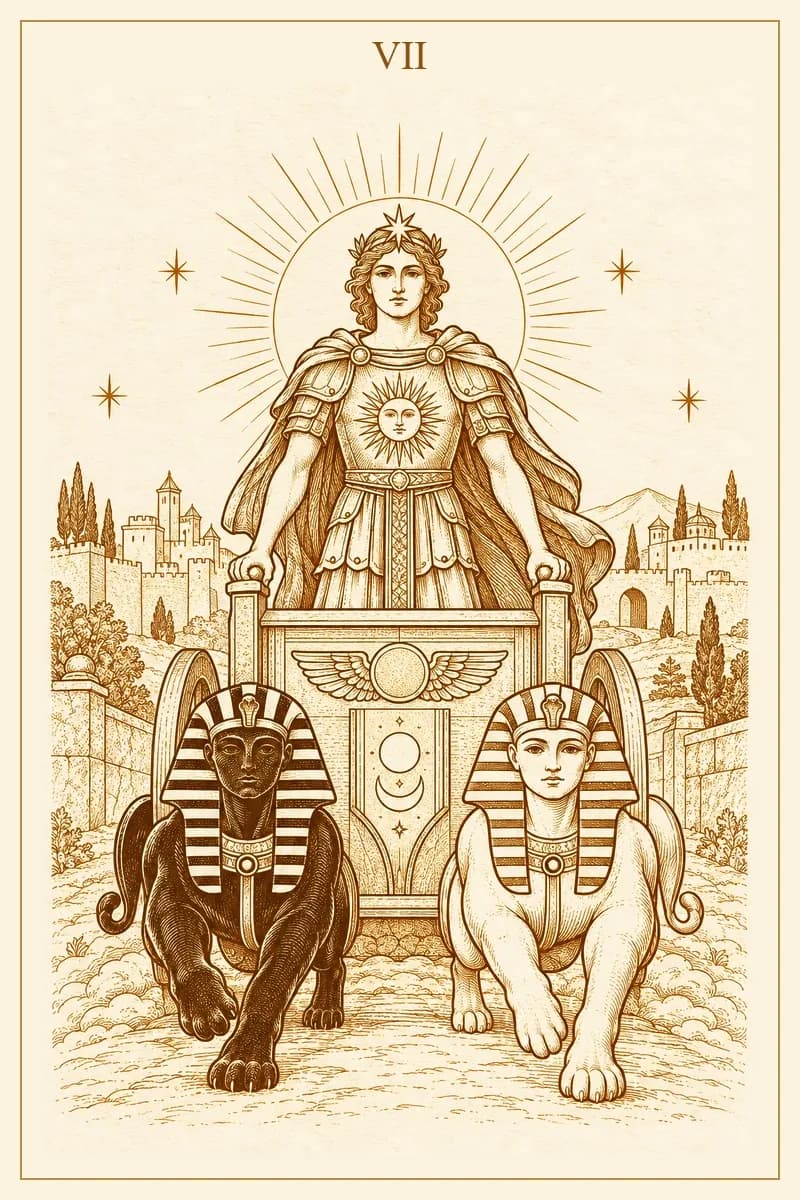
controlled force shattered
Directed Intuition
forced liberation
shadow knowledge
authority meets collapse
✦ Bring it to the cards ✦
Use this pairing as a starting point, then let a spread listen to the situation that is actually yours.
Begin a contextual reading