
Card Combination
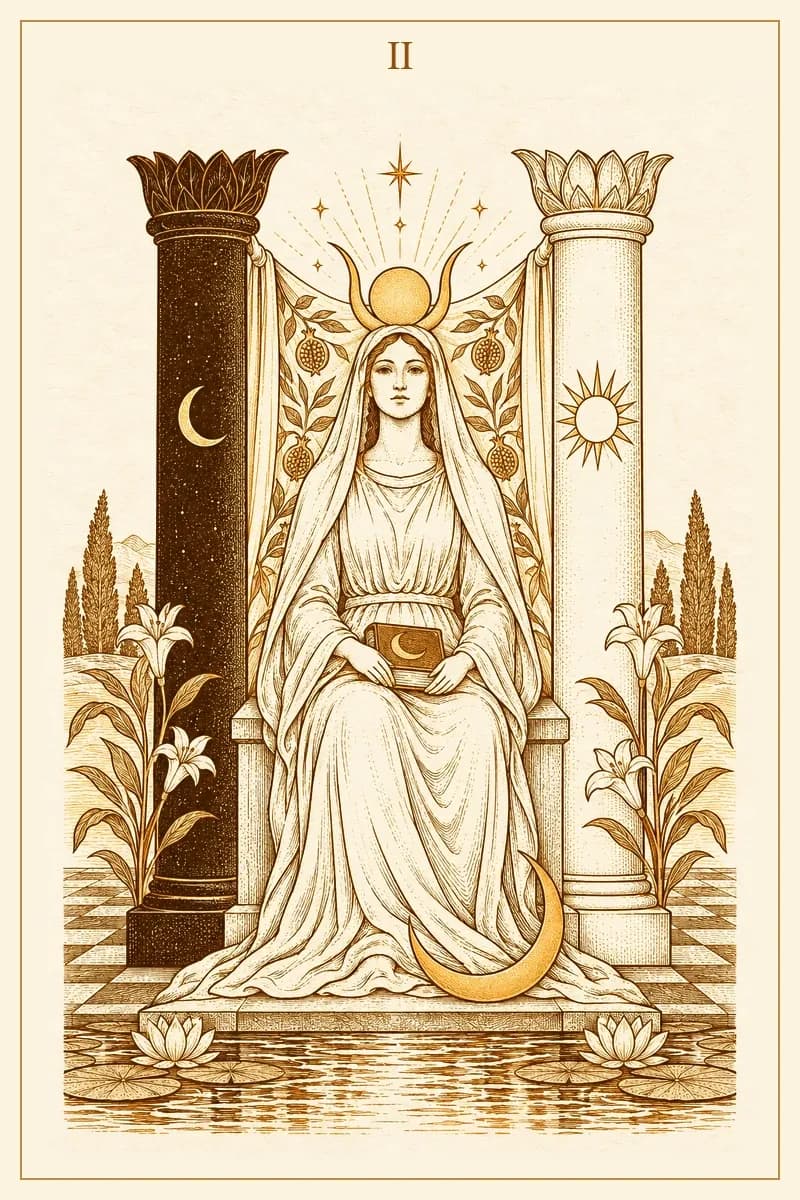
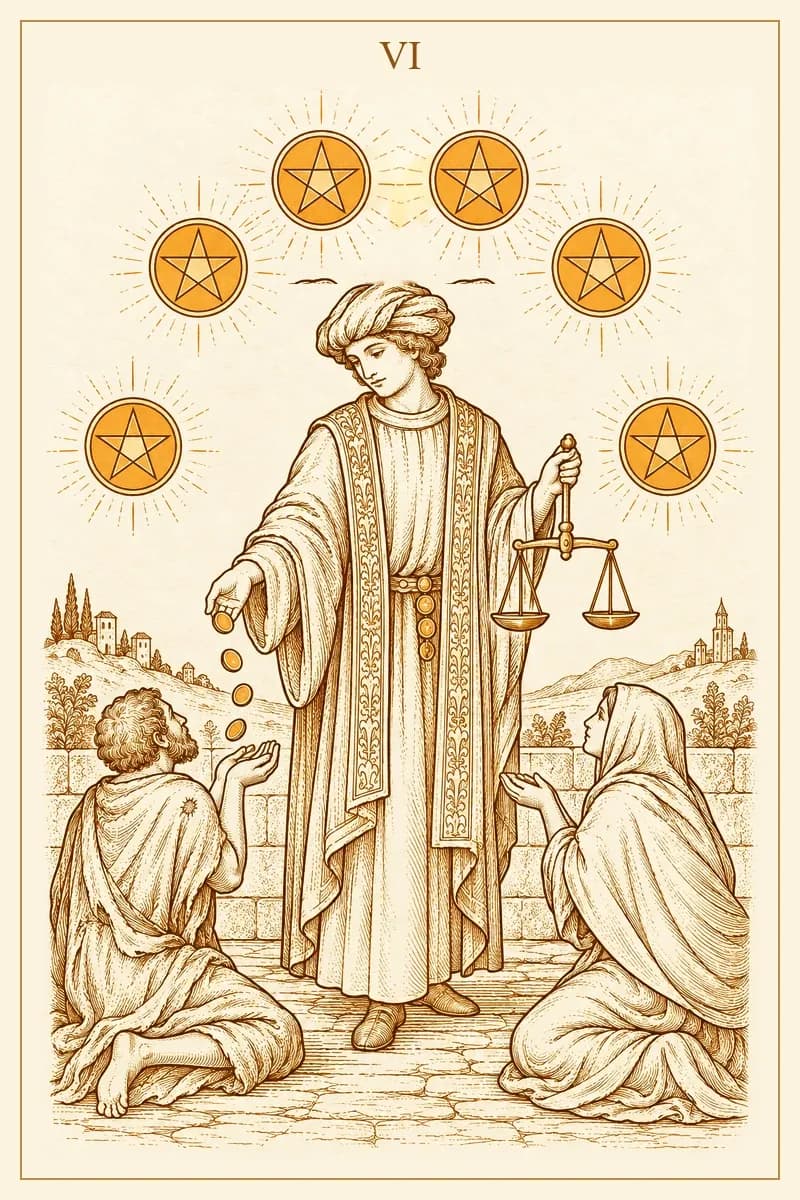
Meaning of The High Priestess and Six of Pentacles: Wise Generosity
Discerning generosity
She held the scale in one hand and nothing in the other, and she considered. Not the amount—that was obvious from context. The quality of the need. The nature of what giving here would actually produce. Whether more of the same was what was needed, or something different entirely.
The Six of Pentacles is the card of material exchange—of giving and receiving, of the scale that weighs need against resource, of generosity in its various forms from patronage to genuine sharing. The High Priestess is the discernment that makes generosity wise rather than merely kind. Without her, giving can be an act of self-congratulation, or of dependency-creation, or of misallocated resource. With her, it becomes something more precise: the right thing offered at the right moment to the person for whom it will actually serve.
A skilled cook knows that a dish that would have been perfect on Tuesday is wrong by Thursday. The ingredients haven't necessarily changed. The moment has. The Priestess's gift to the Six of Pentacles is exactly this: the knowledge of timing and rightness that cannot be derived from the amount alone.
The Core Tension
The Six of Pentacles carries within it a built-in power dynamic: someone with more is offering to someone with less. This dynamic can be generous and genuinely helpful, or it can reproduce and reinforce hierarchy. The High Priestess is alert to this distinction in a way the Six alone is not.
The tension in this combination is between the impulse to give—which is real, often genuine, often valuable—and the question of what the giving is actually doing in the world. Is it creating independence or dependency? Is it meeting the actual need or the presenting need? Is it serving the recipient or the giver's need to feel useful, generous, or superior?
These are not easy questions. But they are the Priestess's questions, and when she sits beside the Six of Pentacles, she brings them into the room.
The reverse is equally important: if you are currently in the receiving position, the Priestess asks what you are actually receiving and from whom. Not all generosity is as clean as it appears. The Priestess knows the difference between a gift and a binding.
Love & Relationships
In relationships, The High Priestess and Six of Pentacles explore the balance of giving and receiving within the partnership—who gives what, how freely, under what conditions, and with what effect. This is rarely simple.
You may be giving more than you're receiving, or receiving without giving what you could offer. The Priestess's presence here doesn't simply identify who is short-changing whom. She asks what is actually needed, and whether what is being given and received—attention, care, money, effort, vulnerability—is serving the actual life of the relationship.
The most common distortion this combination addresses is giving from scarcity rather than abundance: giving in order to secure what you fear won't be freely given, rather than because you genuinely have something to offer.
Career & Purpose
Professionally, this combination often appears around questions of resource allocation: where to invest your skills, your time, your energy, your money. The Six of Pentacles asks: who has enough and who needs more? The Priestess asks: what do they actually need, and what is the right form of intervention?
For those in leadership, the combination addresses the art of appropriate delegation, mentorship, and support—knowing not just what resources to offer but what kind of support actually serves someone's development versus what creates dependency and stalls it.
Shadow Side
The deepest shadow here is generosity used as control. The figure in the Six of Pentacles holds the scale; he decides who gets what. This power can be exercised wisely or in ways that sustain dependency, that keep recipients in a position of ongoing need, that ensure the giver remains the one with the scale.
The Priestess names this dynamic when it's present. She also names the shadow of the recipient: acceptance of terms of giving that subtly diminish you, that come with invisible conditions, that feel like gifts but function like debts.
Action Steps
- 1Assess one place in your life where you are giving significantly. Notice what it's producing—does the giving serve the person's actual development, or does it maintain a dependency?
- 2If you are currently receiving, examine the nature of what you're receiving. Does it come freely, or does it carry conditions that are costing you something less visible?
- 3Identify one form of generosity that would actually serve someone this week—and one that would mainly serve you. Offer the former.
Related Pairings
Continue through published pairings that share The High Priestess or Six of Pentacles.
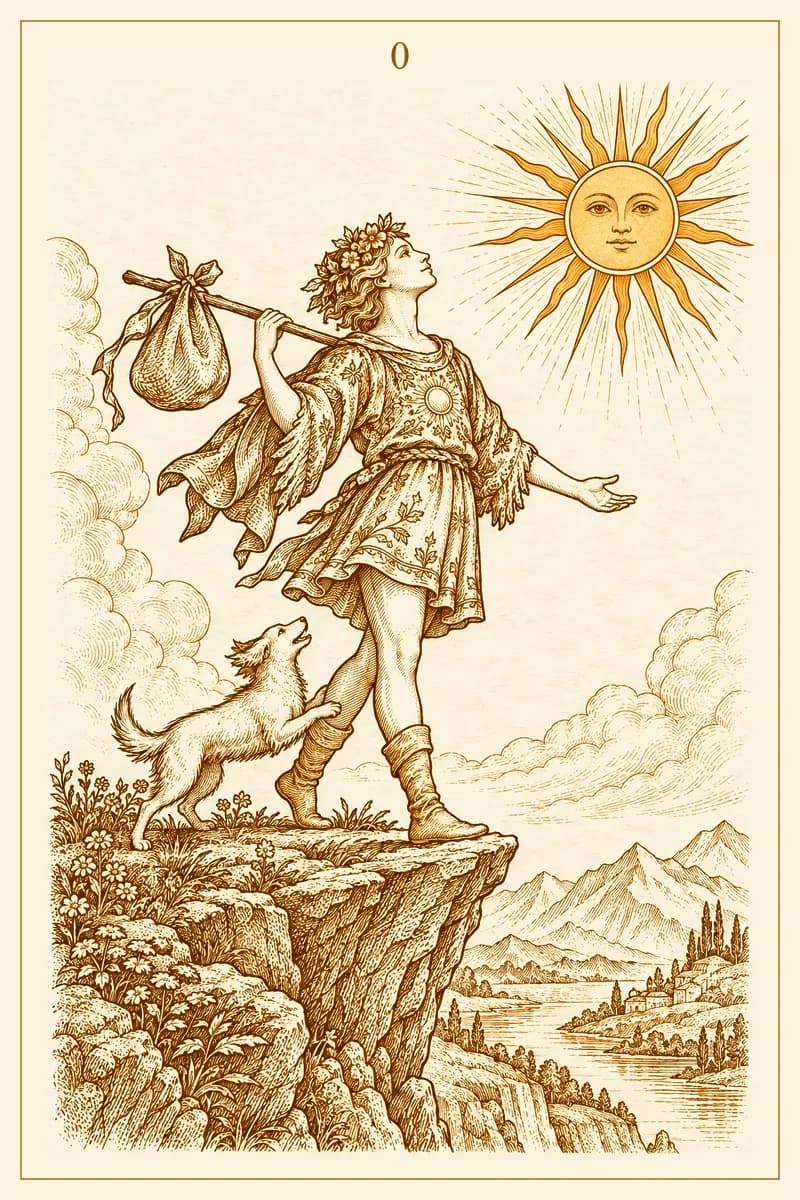
Innocent Knowing
Meaning of The Fool and The High Priestess Combination: Innocent Knowing
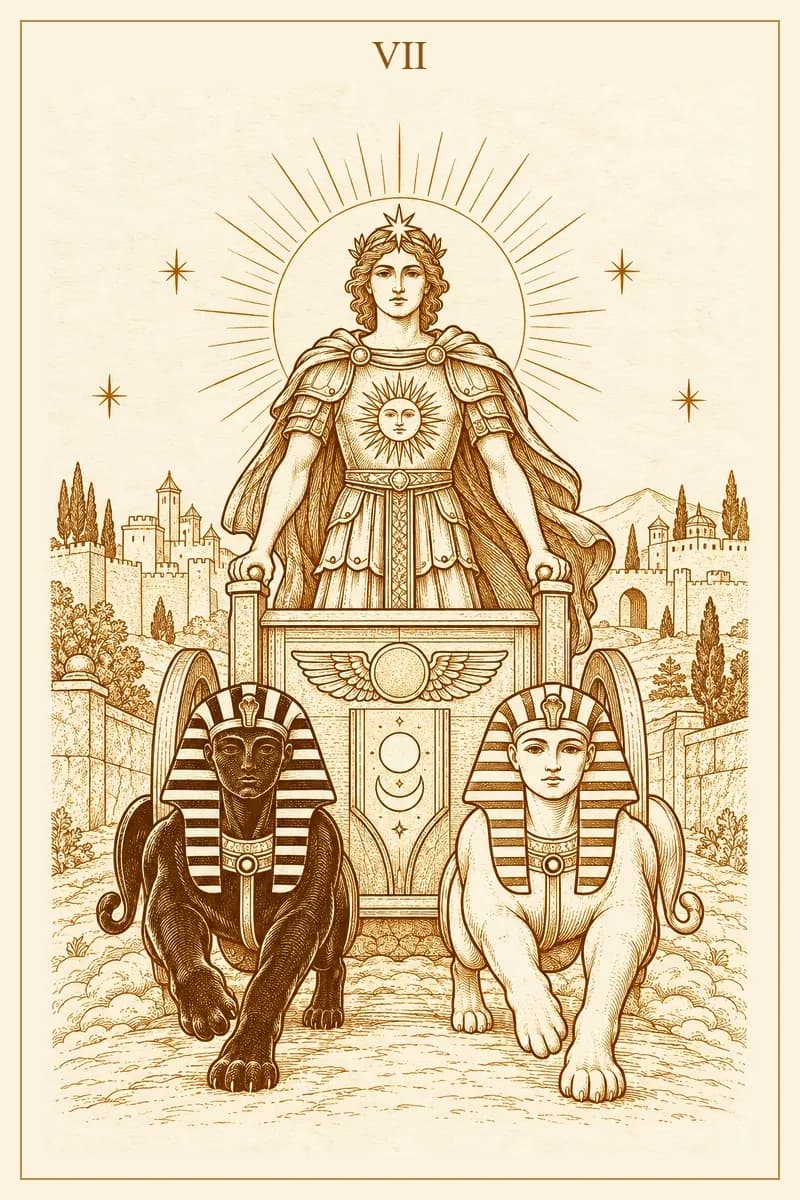
Power and Giving
Meaning of The Chariot and Six of Pentacles: Power Meets Generosity
Directed Intuition
Meaning of The High Priestess and Chariot Combination: Directed Intuition
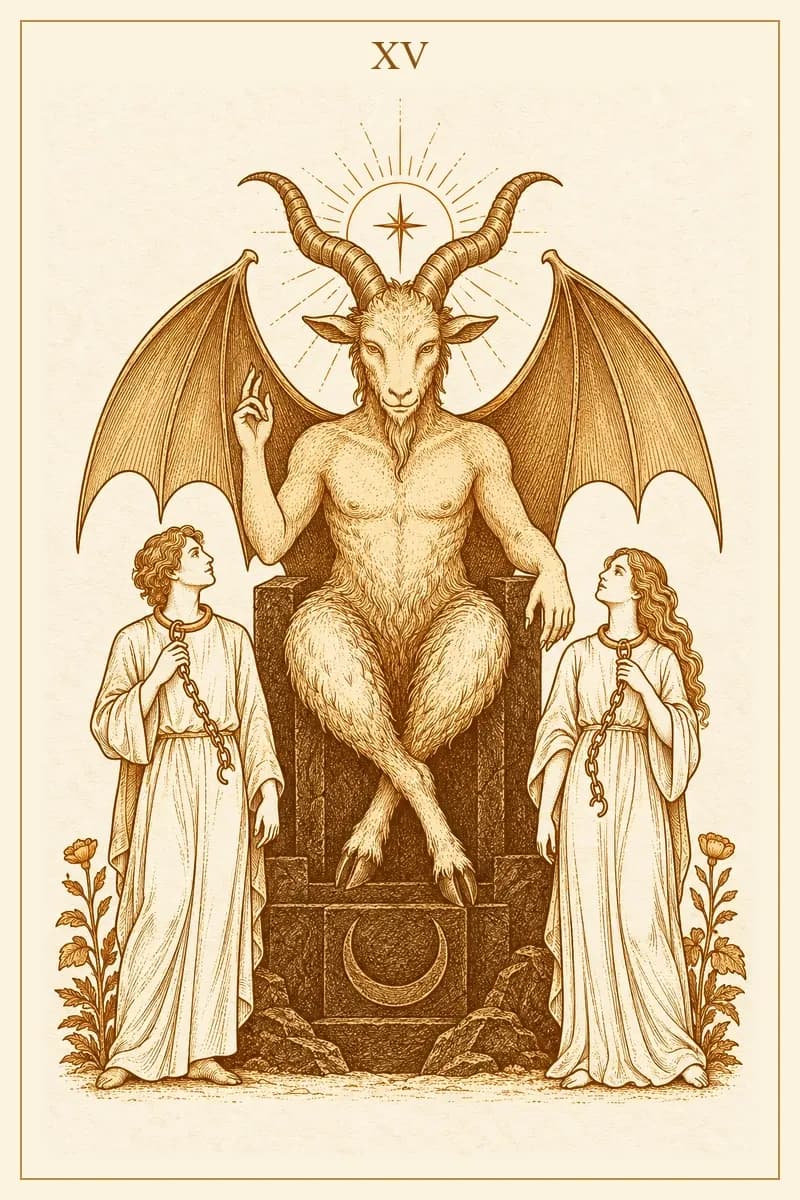
power through generosity
Meaning of The Devil and Six of Pentacles Combination: Generosity Under Control
shadow knowledge
Meaning of The High Priestess and The Devil Combination: Shadow Knowledge
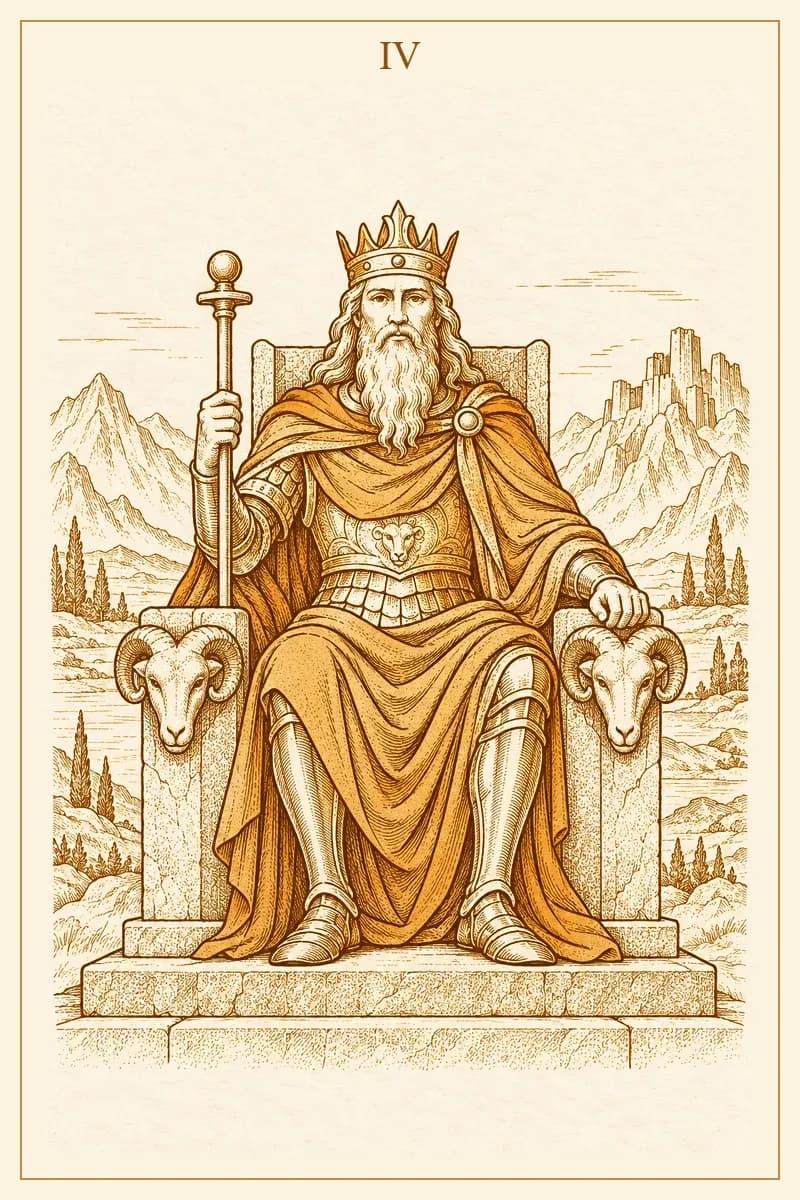
power and benevolence
Meaning of The Emperor and Six of Pentacles: Power That Gives and Takes
✦ Bring it to the cards ✦
Bring The High Priestess and Six of Pentacles into your own reading
Use this pairing as a starting point, then let a spread listen to the situation that is actually yours.
Begin a contextual reading