
Card Combination
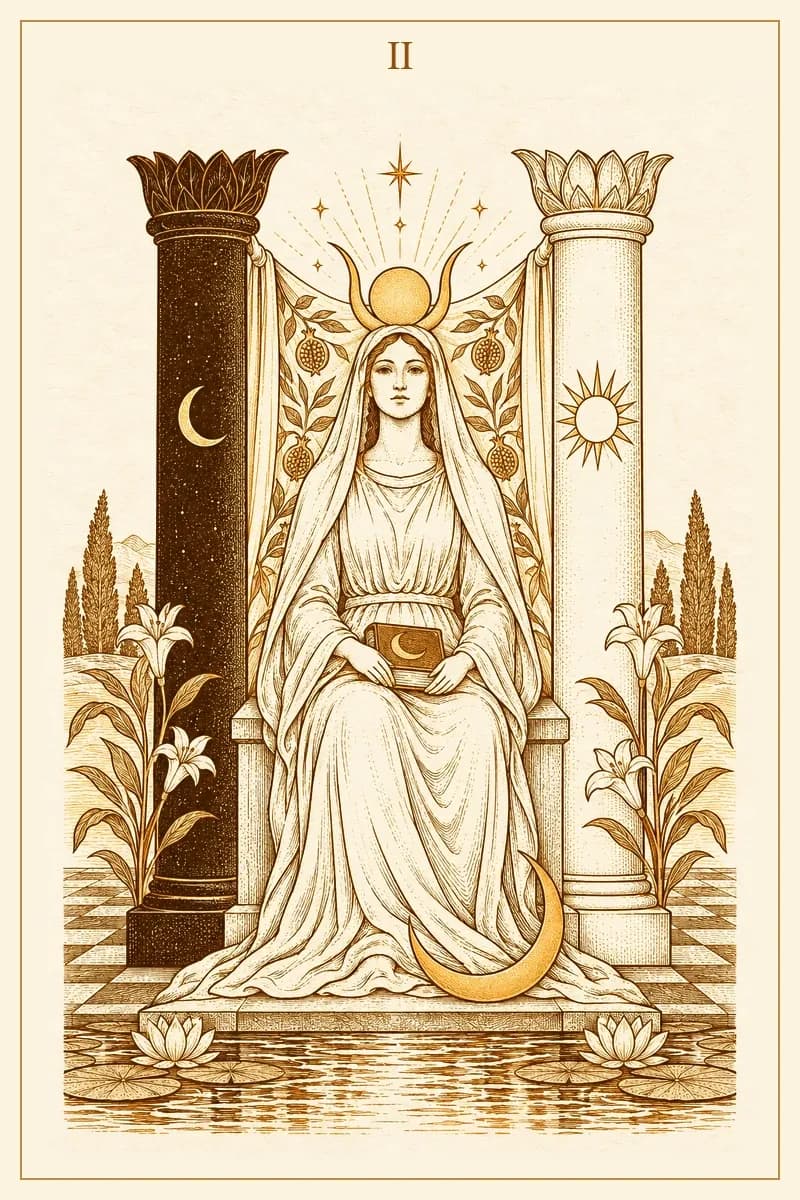
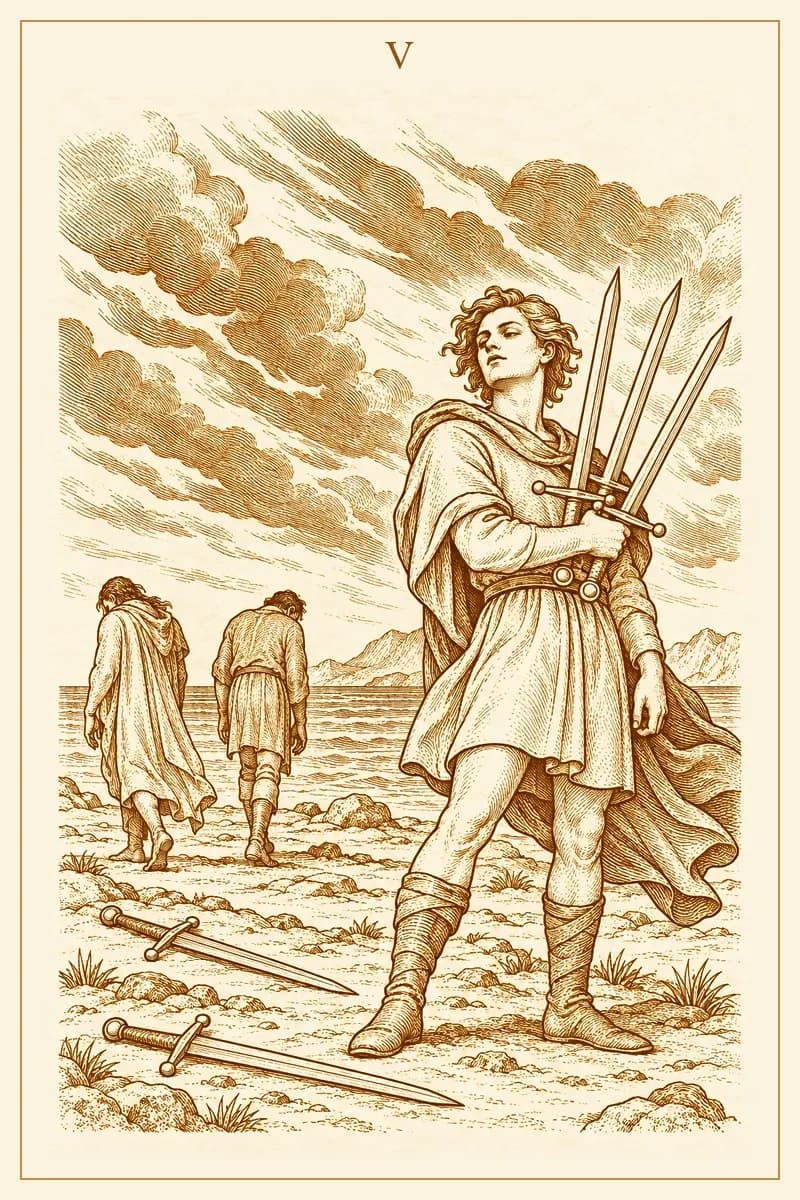
Meaning of The High Priestess and Five of Swords: Knowing When to Leave
Strategic withdrawal
She watched the argument play out across the table and said nothing. Not because she had nothing to say—she had, in fact, precisely the words that would end it, that would cut through the noise and establish exactly who was right and who was wrong. She said nothing because she had learned, slowly and at some cost, to distinguish between the satisfaction of winning and the intelligence of leaving.
The High Priestess doesn't enter every arena. She knows which battles belong to her and which she is merely being invited to perform in. The Five of Swords is a stage where someone has already decided the terms, already stacked the cards of the social dynamic, already made winning the only metric that matters. The wise figure in this combination recognizes the theater for what it is—and exits before the third act.
This is not retreat. It is something more difficult: the discipline of not proving you're right when being right isn't worth the cost.
The Core Tension
The Five of Swords is often read as a card of hollow victory—the figure who collects the swords of the defeated and walks away with more blades than they can carry and fewer friends than they started with. The High Priestess brings to this card a different kind of knowing: she can see what winning here actually costs.
The tension is between two valid impulses: the drive to stand your ground, to not let wrongness prevail, to not be defeated by bad behavior—and the deeper wisdom that some contests exact a price that the prize doesn't justify. The Priestess doesn't tell you to swallow your truth. She tells you to pick the stage on which you speak it.
In the theater of real life, knowing your role is strategic, not cowardly. Some scenes are written to make certain people look foolish. The intelligent performer reads the script before accepting the part.
Love & Relationships
In relationships, The High Priestess and Five of Swords frequently mark a recurring conflict—one that has played out enough times that the pattern is now predictable. You know how it starts, how it escalates, how it ends, and the toll it takes on both people. Your intuition has been telling you for some time that engaging in this particular argument, in this particular way, does not move anything forward.
This combination invites you to consider what it would mean to stop playing your assigned part in the dynamic. Not to suppress your truth, but to refuse the specific script—to say "I'm not going to have this version of this conversation again" without needing the other person to agree that the conversation is circular.
There may be a deeper conversation worth having beneath the argument—one the High Priestess can see and the Five of Swords obscures. Getting to that conversation often requires refusing the surface one first.
Career & Purpose
Professionally, this combination often shows up when there is a conflict, a competition, or a political situation in which someone is maneuvering in bad faith. Your intuition has likely already identified what is happening; what you're deciding is whether to engage on those terms or to withdraw from the field entirely.
The High Priestess's counsel here is usually toward the latter. Winning a political battle in a dysfunctional environment simply means you're now more embedded in a dysfunctional environment. Know the cost of the victory before you commit to pursuing it.
This may also apply to projects or initiatives that have become battlegrounds: your inner knowing is telling you the endeavor has shifted from something meaningful to something territorial, and your energy is better applied elsewhere.
Shadow Side
The shadow of this combination is using "wisdom" as a cover for avoidance. The High Priestess can be invoked to justify not fighting battles that actually deserve to be fought—not because fighting is unwise, but because you're afraid of the conflict or its consequences.
The test: is this withdrawal driven by a genuine strategic assessment, or by fear? The Priestess knows the difference, even if you're reluctant to admit it.
There is also the shadow of watching others lose while you protect yourself. Sometimes what appears to be strategic withdrawal is actually a failure of solidarity—stepping back while someone else absorbs the blow you had the capacity to deflect.
Action Steps
- 1Identify one conflict you've been engaging in repeatedly without progress. Map the script: how does it always start, escalate, and end?
- 2Consider what refusing your assigned role in that script would look like—not silence, but a different kind of response that breaks the pattern.
- 3Locate the deeper concern beneath the surface argument. That concern may be worth addressing directly in a different context with a different approach.
Related Pairings
Continue through published pairings that share The High Priestess or Five of Swords.
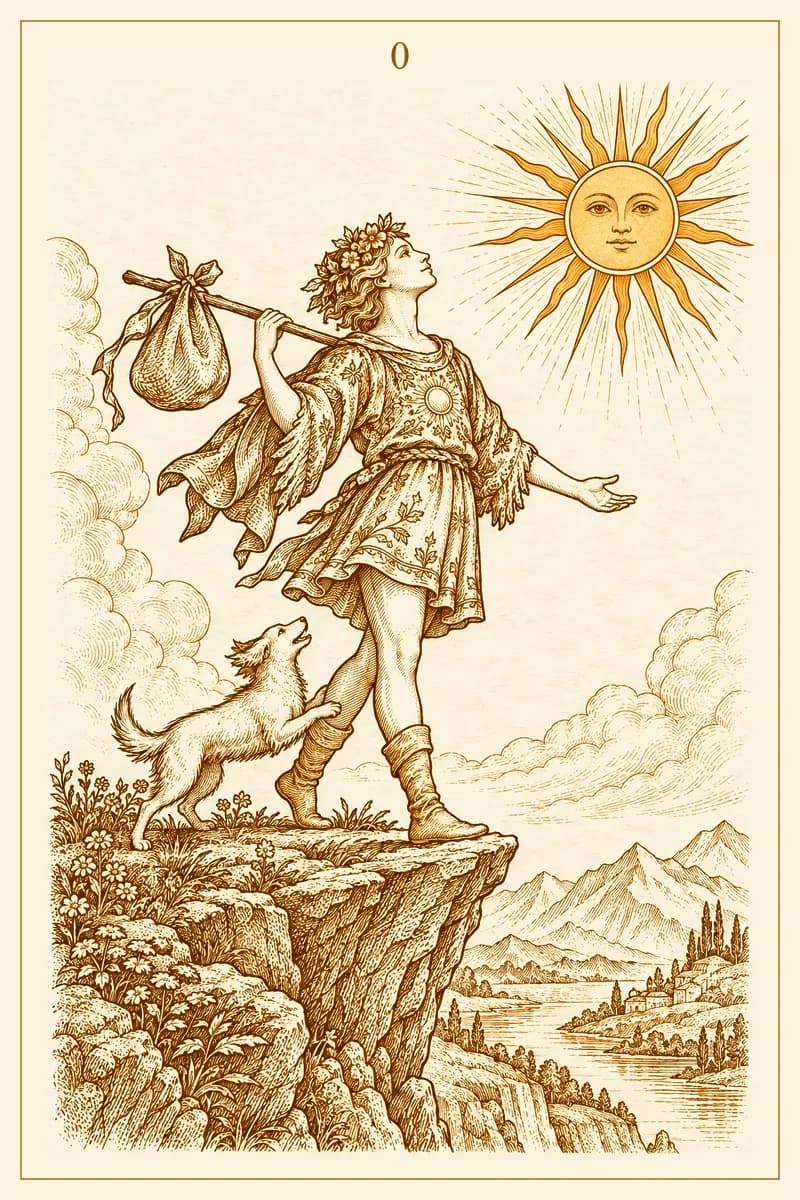
Innocent Knowing
Meaning of The Fool and The High Priestess Combination: Innocent Knowing

costly victory
Meaning of The Chariot and Five of Swords Combination: Winning at a Cost
Directed Intuition
Meaning of The High Priestess and Chariot Combination: Directed Intuition
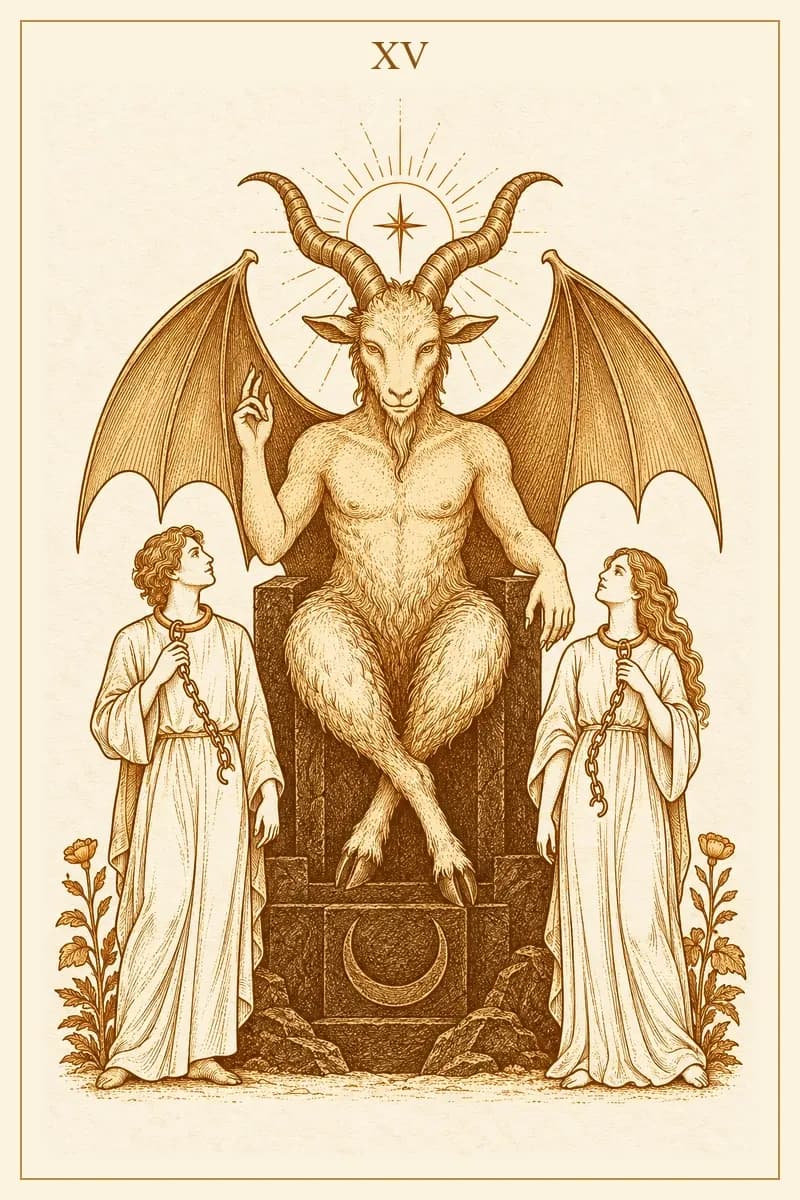
Toxic Power Games
Meaning of The Devil and Five of Swords Combination: Toxic Power Games
shadow knowledge
Meaning of The High Priestess and The Devil Combination: Shadow Knowledge

pyrrhic authority
Meaning of The Emperor and Five of Swords: Winning at What Cost
✦ Bring it to the cards ✦
Bring The High Priestess and Five of Swords into your own reading
Use this pairing as a starting point, then let a spread listen to the situation that is actually yours.
Begin a contextual reading