
Card Combination
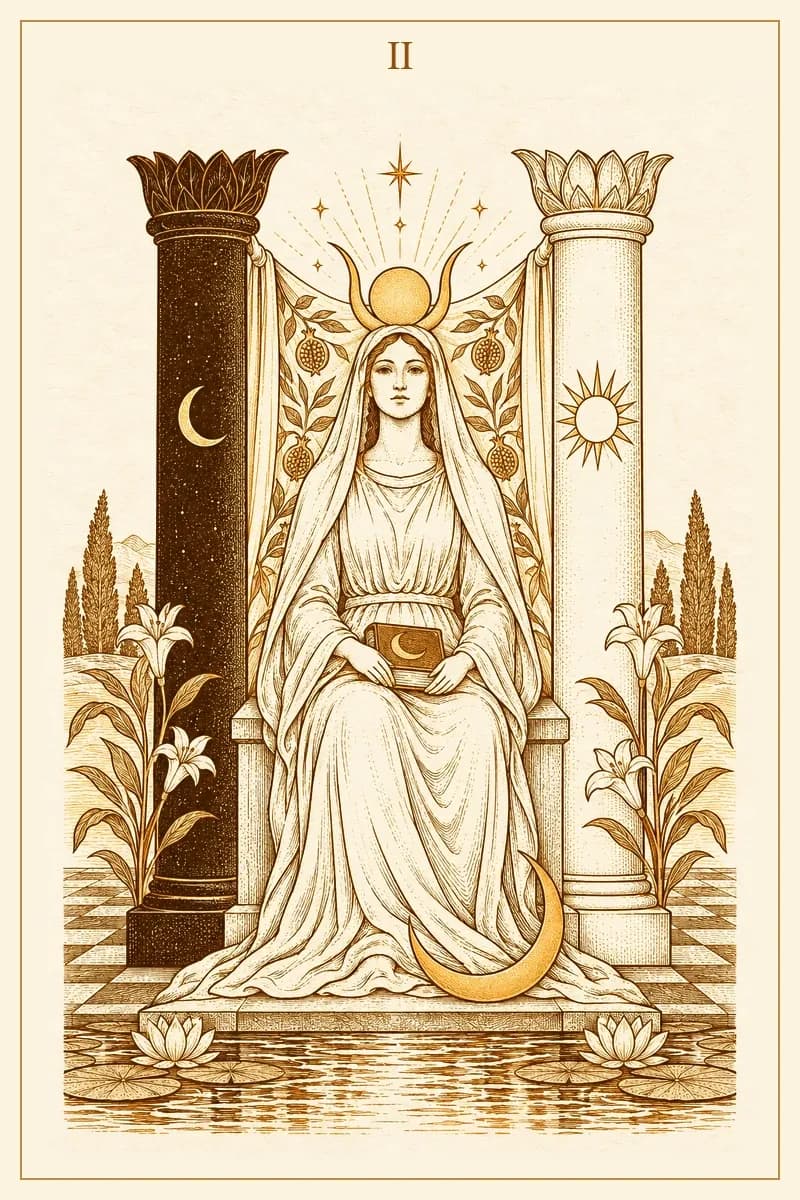
Meaning of The High Priestess and Five of Cups Combination: Grief That Teaches
Grief and deeper knowing
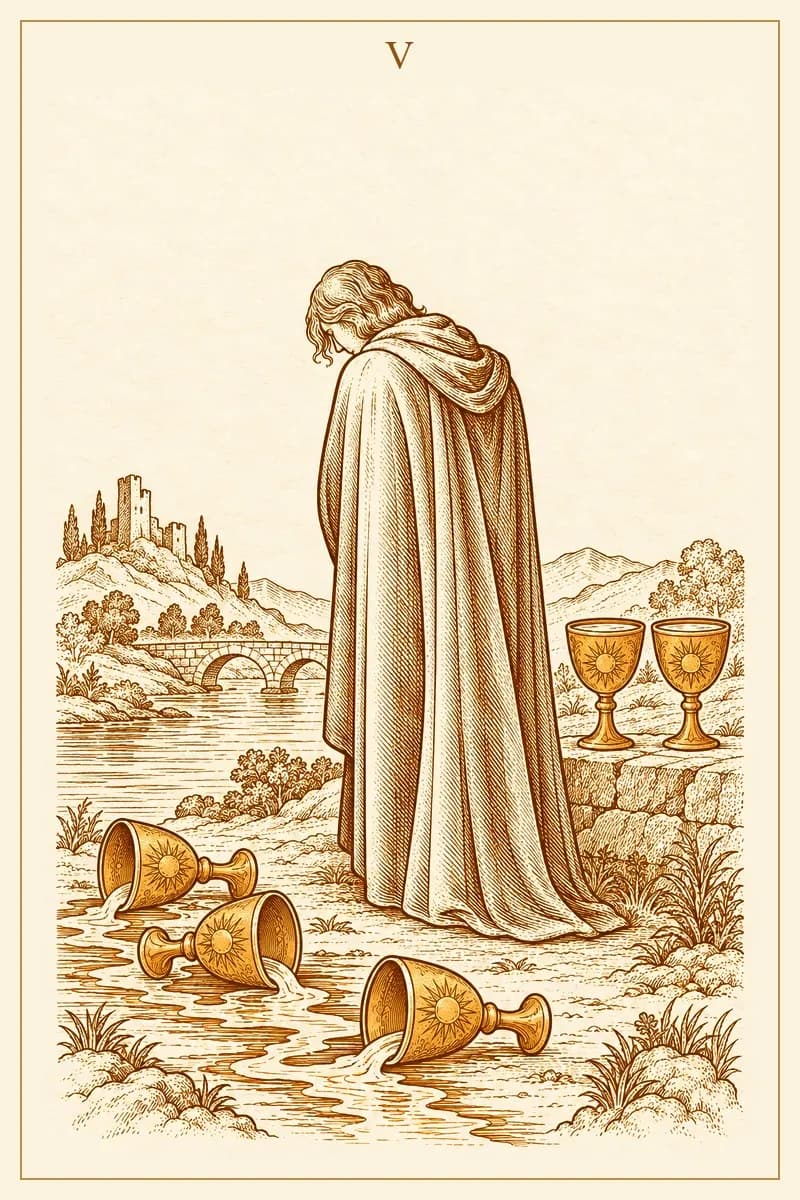
Spilled: three cups. Standing: two. The figure sees only what is lost.
This isn't ignorance. It's grief, which has its own accurate focus. The High Priestess doesn't rush to point at the two standing cups. She understands that grief must be witnessed before it can be integrated — and that the kind of knowing worth having often comes precisely from having sat with loss long enough to understand what it was.
When these two cards appear together, something has been lost, and you're being asked not to rush past it.
The Core Tension
Five of Cups is the experience of loss — the spilled cups, the bent figure, the landscape of endings. High Priestess is the deep knowing that persists through experience, that is often deepened by it. These two energies create a specific combination: the grief that doesn't just diminish but actually teaches.
The tension is between integration and avoidance. High Priestess can be co-opted into staying with loss too long — using interior depth as a reason not to eventually turn toward the two standing cups. Five of Cups without the Priestess is grief that has no interior processing at all, that passes through without leaving the understanding that loss can generate.
The musician who has truly lost something plays the note differently than the one who hasn't. Not better in every context — but with an accuracy that technical skill alone can't replicate.
Love & Relationships
This combination in romantic contexts marks the aftermath of a significant loss — a relationship that ended, a connection that didn't become what it seemed to be heading toward, or the grief inside an ongoing relationship for something that has been lost between two people.
High Priestess asks you to stay with this long enough to understand it. Not to perform grief, not to suppress it, but to let the loss actually tell you something about what mattered, what you misunderstood, what you'd choose differently.
The two standing cups haven't disappeared. The combination doesn't demand you ignore them. It asks you to complete the work of the three that are down before you turn.
Career & Purpose
Five of Cups professionally often marks a failure, a missed opportunity, or a loss of something that had genuine value — a project that didn't succeed, a role that was lost, a direction that proved wrong. High Priestess takes this seriously. She doesn't require you to "learn quickly and move on" at the pace the culture prefers.
The professional insight here is that the understanding generated by sitting with what went wrong is often more valuable than the rapid reframing. You will make better decisions next time if you actually process this one rather than pivoting away from discomfort.
Shadow Side
The shadow of this pairing is grief as permanent residence — where the Priestess's depth keeps the loss alive past the point of integration into a kind of ongoing interior dwelling in what was lost. The five spilled cups become the entire landscape.
The reverse shadow is using inner knowing as a tool to intellectualize grief rather than experience it — analyzing loss to avoid feeling it, treating the Priestess's clarity as a reason not to need the Five of Cups' actual mourning.
Action Steps
- 1Allow yourself to name specifically what was lost, what it meant, and why it mattered — without immediately pivoting to silver linings
- 2Notice when grief shifts from active processing to habitual dwelling, and distinguish between the two
- 3When the time feels right, turn and look at the standing cups — not from obligation, but because something in the work of loss has genuinely completed
Related Pairings
Continue through published pairings that share The High Priestess or Five of Cups.
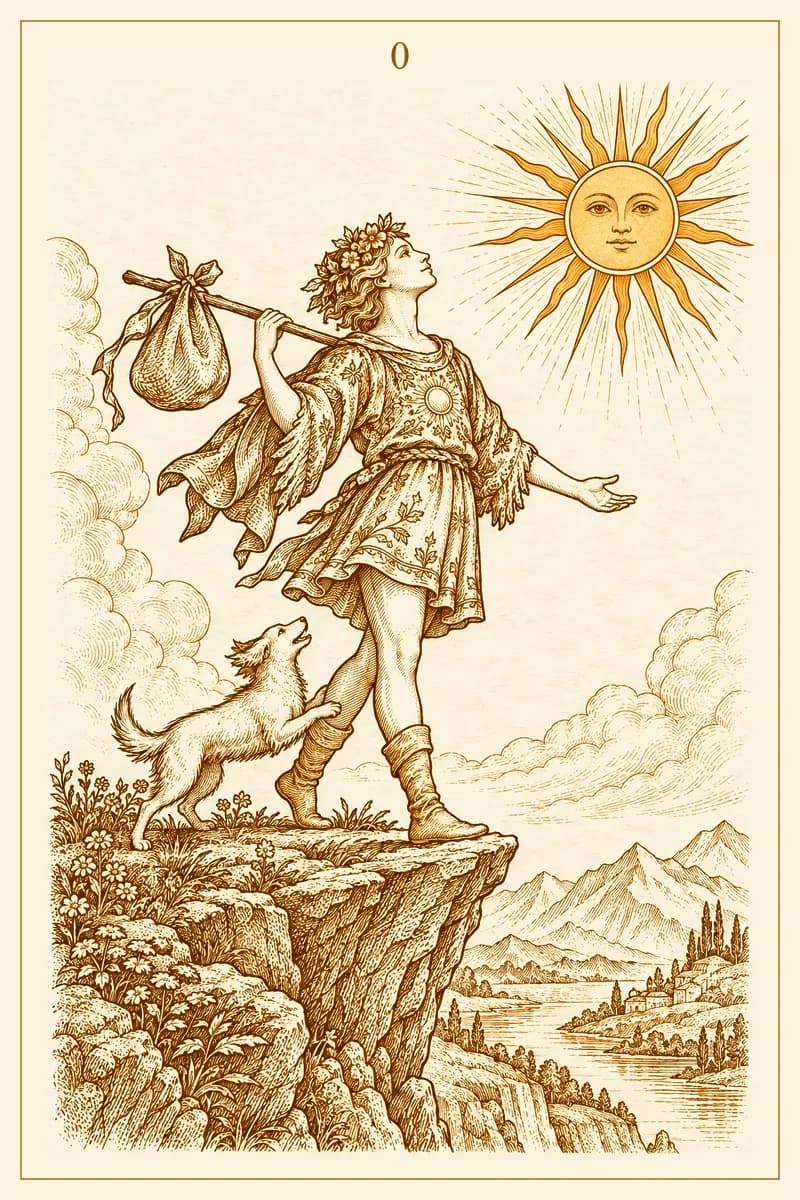
Innocent knowing
Meaning of The Fool and The High Priestess Combination: Innocent Knowing
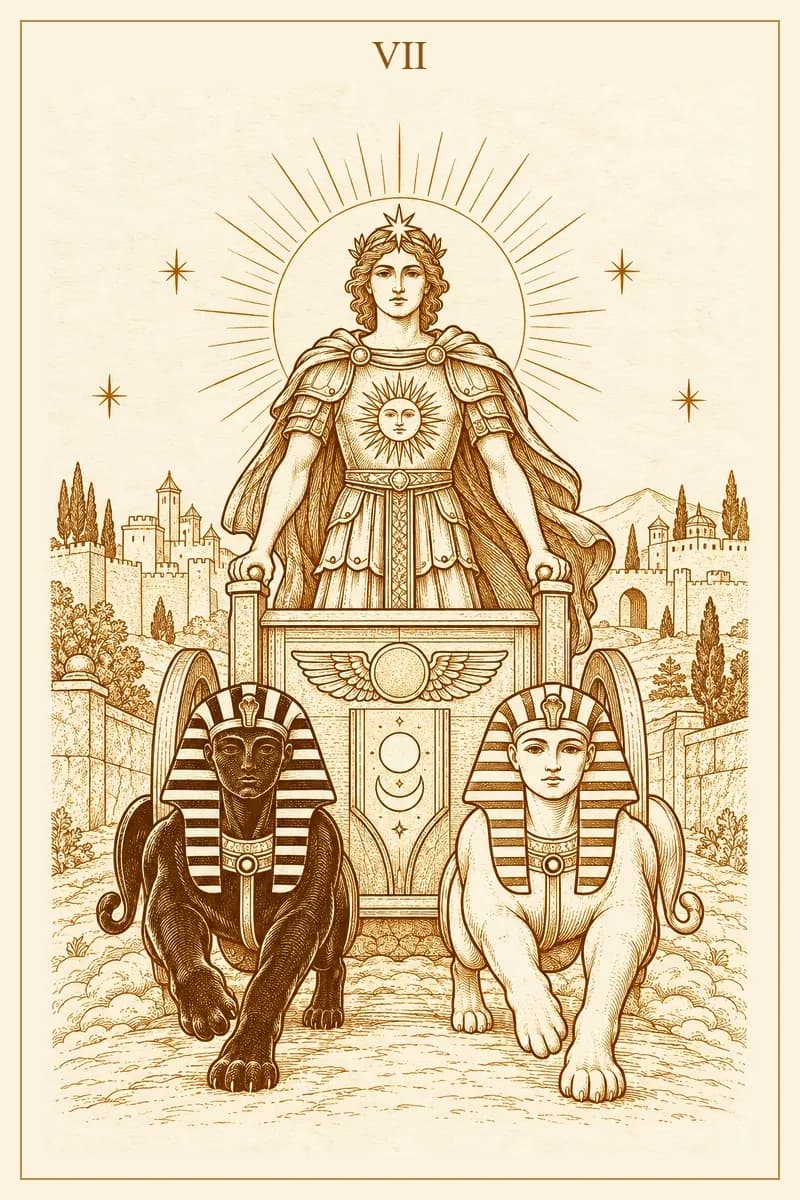
Grief and momentum
Meaning of The Chariot and Five of Cups Combination: Driving Through Grief
Directed intuition
Meaning of The High Priestess and The Chariot Combination: Directed Intuition
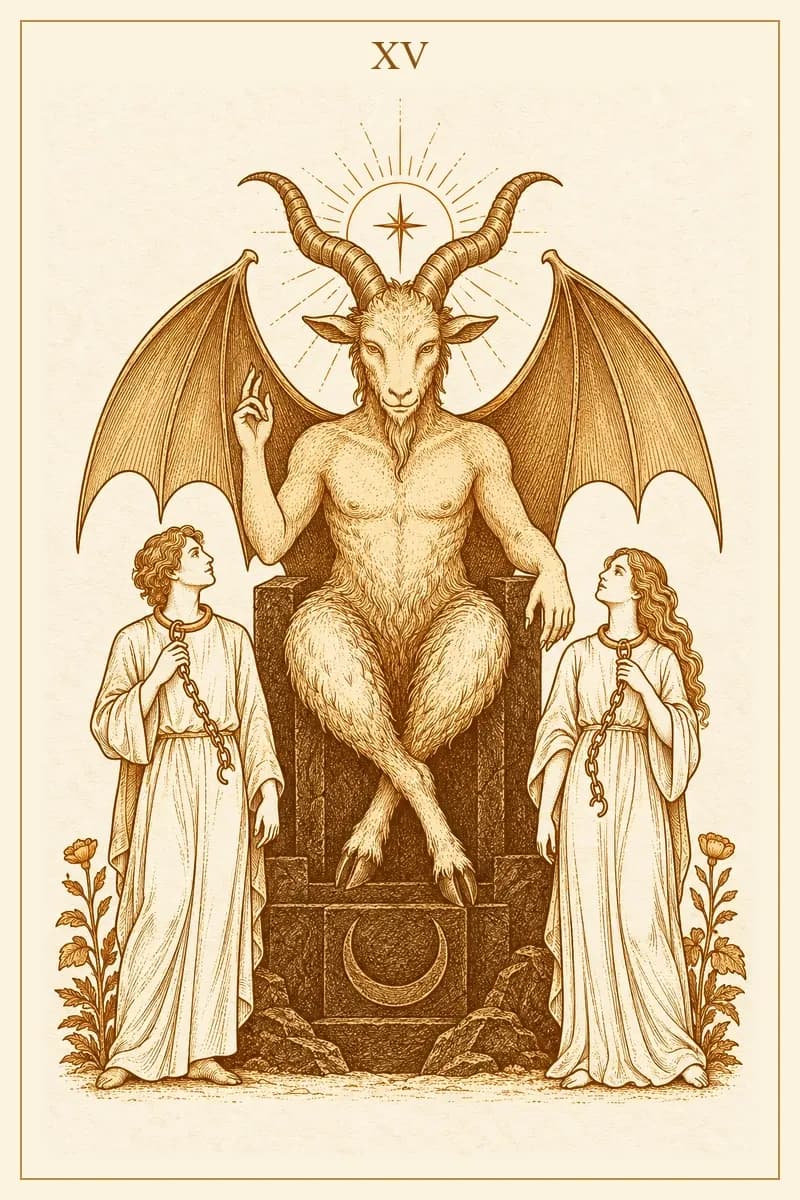
Grief-fueled bondage
Meaning of The Devil and Five of Cups Combination: Grief Feeding Chains
Shadow knowledge
Meaning of The High Priestess and The Devil Combination: Shadow Knowledge

The grief a ruler will not allow himself — and what that refusal eventually costs
Meaning of The Emperor and Five of Cups Combination: The Ruler Who Cannot Grieve
✦ Bring it to the cards ✦
Bring The High Priestess and Five of Cups into your own reading
Use this pairing as a starting point, then let a spread listen to the situation that is actually yours.
Begin a contextual reading