
Card Combination
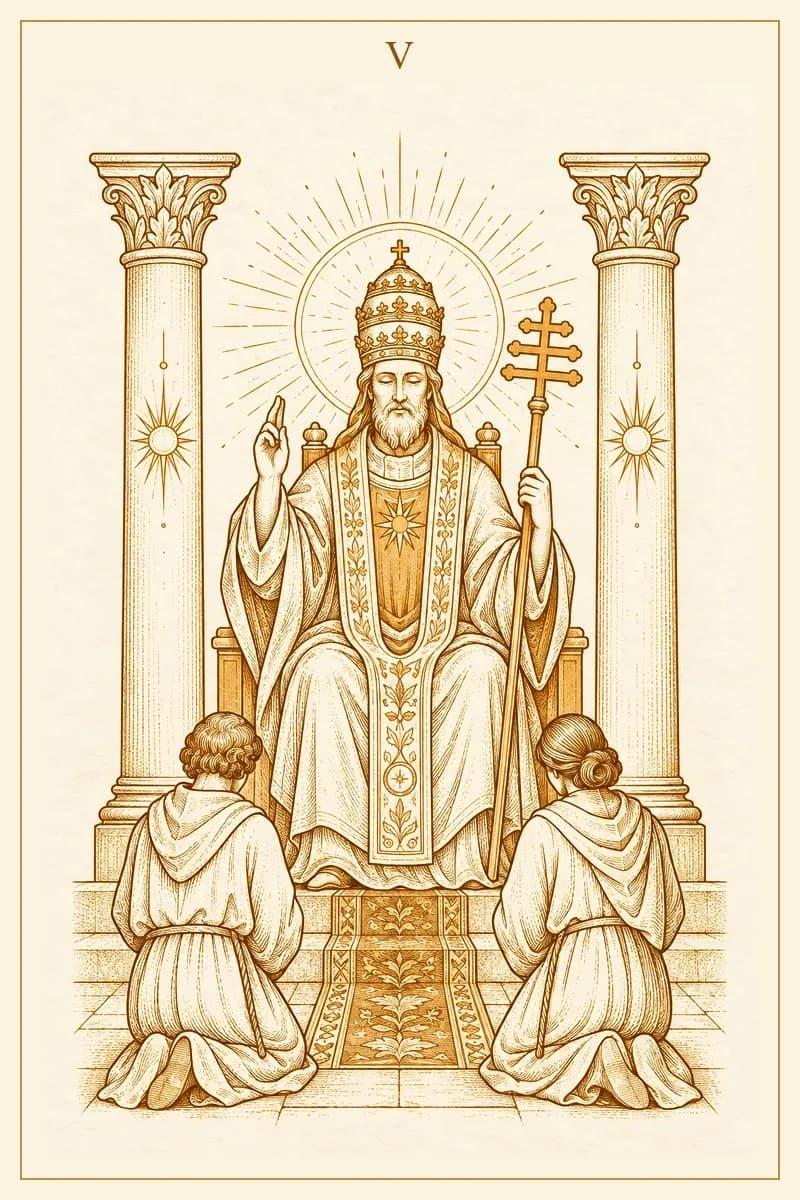
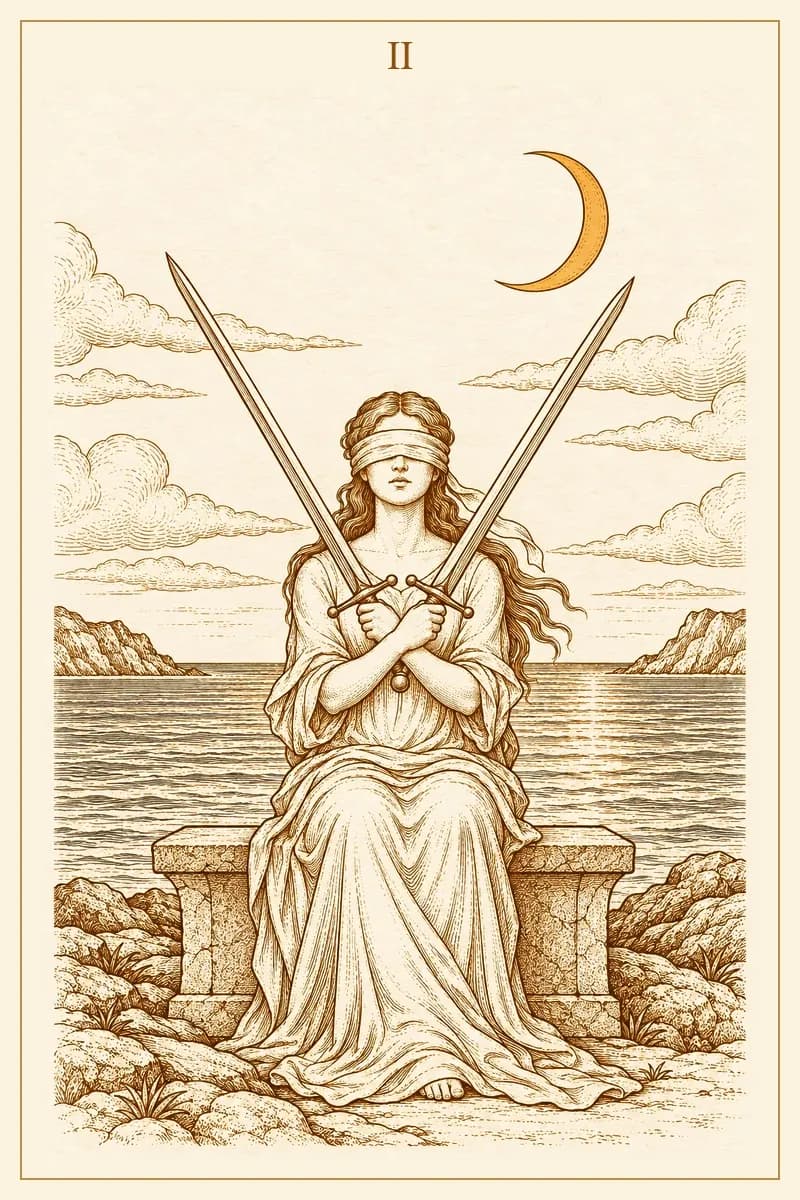
Meaning of The Hierophant and Two of Swords Combination: When Rules Meet Paralysis
Paralysis within structure
Every institution hands you a map. Every tradition draws the road in ink that cannot be erased. Yet here you stand at a crossroads with the map in your hands, fully oriented, fully informed — and completely unable to move. That is the strange territory opened when The Hierophant meets the Two of Swords. Clarity of doctrine does not guarantee clarity of decision.
The Hierophant is the edifice: walls built over centuries, load-bearing beams called doctrine, scripture, law, or protocol. He doesn't improvise. He preserves. The Two of Swords is the figure seated at the threshold of that building, arms crossed, blindfold on, refusing to enter or exit until the internal argument resolves. She has heard every official answer. None of them has moved her. Together, these two cards describe a person who knows what they are supposed to want and cannot make themselves want it.
There is no chaos here. That is what makes it harder. Chaos gives you something to push against. This combination offers you only stillness — a perfectly constructed room with no doors that open outward.
The Core Tension
Structure without movement becomes a prison. The Hierophant offers inherited wisdom, communal belonging, and the comfort of established answers. The Two of Swords offers none of that comfort — it offers honest acknowledgment that two competing truths exist and neither has yet won. The collision between these two energies produces a specific kind of suffering: the guilt of indecision inside a system that treats indecision as failure.
The architectural metaphor holds: imagine standing in a cathedral corridor, the exit clearly marked, the rules of the building clearly posted — and still being unable to take the step. You aren't lost. You aren't rebellious. You are simply suspended between what the institution expects and what your interior logic has not yet confirmed. The Two of Swords doesn't resist the Hierophant out of defiance. It resists because it hasn't finished its own audit.
Love & Relationships
In relationships, this pairing frequently appears when someone is caught between what their tradition, family, or religion endorses and what their private emotional reality is telling them. You may stay in a relationship because it looks correct from the outside — the right background, the approved partnership, the blessing of family elders — while something inside remains crossed-armed and sealed.
Conversely, if you are waiting for a partner to commit, this points to someone not simply avoiding you. They are fighting an internal trial that has institutional weight on one side and personal desire on the other. Neither side is winning yet. Pressure from you will only reinforce the blindfold. Patience without ultimatum is the only functional leverage here.
Career & Purpose
Professionally, the Hierophant and Two of Swords together often mark a standoff within bureaucracy. You may have reached a decision point where every procedure has been followed, every approval sought, every hierarchy respected — and the decision still hasn't landed. The system has done its job. The problem is that two equally valid institutional paths exist and no one with authority wants to be the one to choose.
This is the moment when most people wait for the structure to decide for them. That is rarely how it resolves. Someone has to read the blueprint twice, acknowledge that both load-bearing options are structurally sound, and commit to one wall placement anyway. That someone may need to be you.
Shadow Side
The shadow of this combination is prolonged comfort in the stalemate. The Two of Swords can sit with crossed arms indefinitely. The Hierophant can provide justification for that sitting indefinitely — patience is a virtue, discernment takes time, sacred timing exists. Both are true. Both can also become the architecture of avoidance.
Watch for the pattern of seeking one more authority figure to consult, one more traditional answer to gather, one more blessing to receive before deciding. At a certain point, the consultation process has replaced the decision. The blindfold is no longer waiting for clarity — it has become the preference.
Action Steps
- 1Identify the one question you have been routing through external authorities that only your own judgment can actually settle.
- 2Write down both options as if they were two structural blueprints — list what each one supports, what each one cannot hold — and read them without looking for a winner.
- 3Set a date, not a condition. Decisions tethered to conditions can wait forever. A calendar date cannot.
- 4The Hierophant and Two of Swords is not a crisis. It is a stall — sophisticated, well-justified, and genuinely difficult. The map is good. The building is sound. What is required now is the willingness to step through a door even before the internal debate has unanimously concluded. Structure gave you the tools. Only you can use them.
Related Pairings
Continue through published pairings that share The Hierophant or Two of Swords.
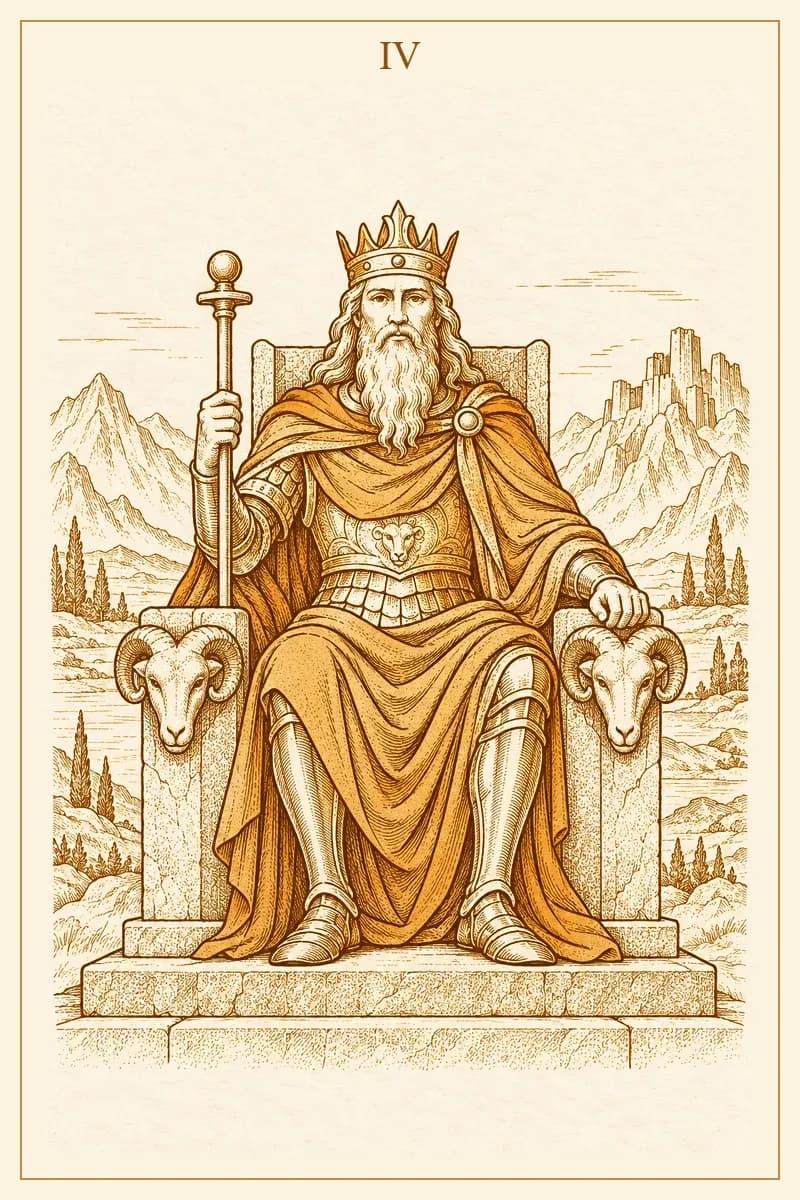
authority meets doctrine
Meaning of The Emperor and The Hierophant: Two Pillars of Order
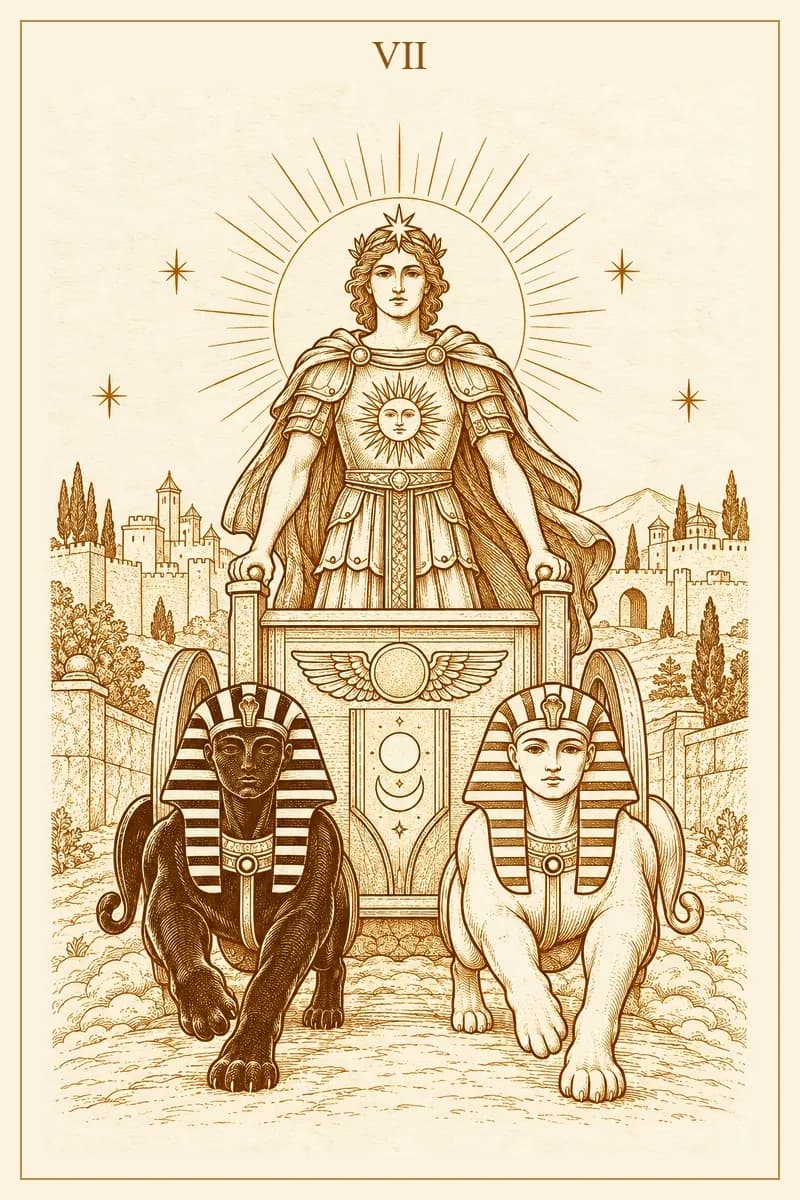
Blocked momentum
Meaning of The Chariot and Two of Swords Combination: Stalled Drive
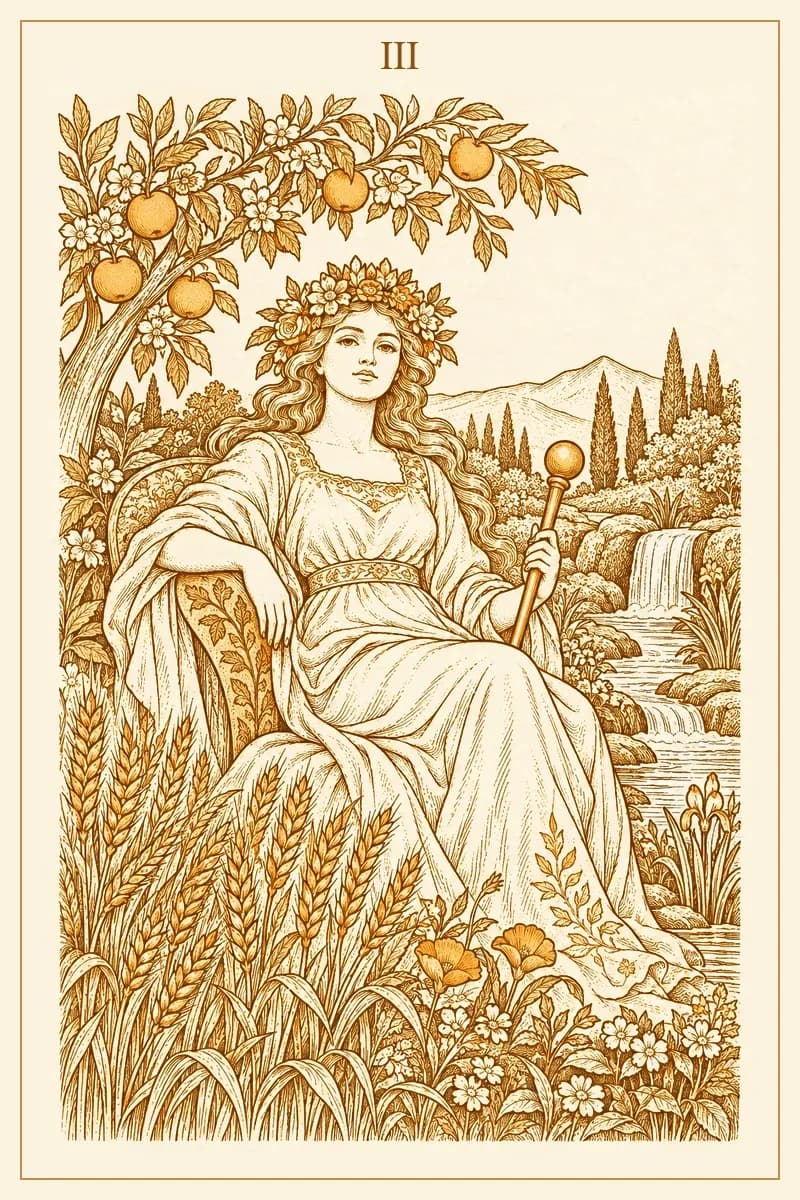
abundance versus doctrine
Meaning of The Empress and The Hierophant: Nature Meets Doctrine
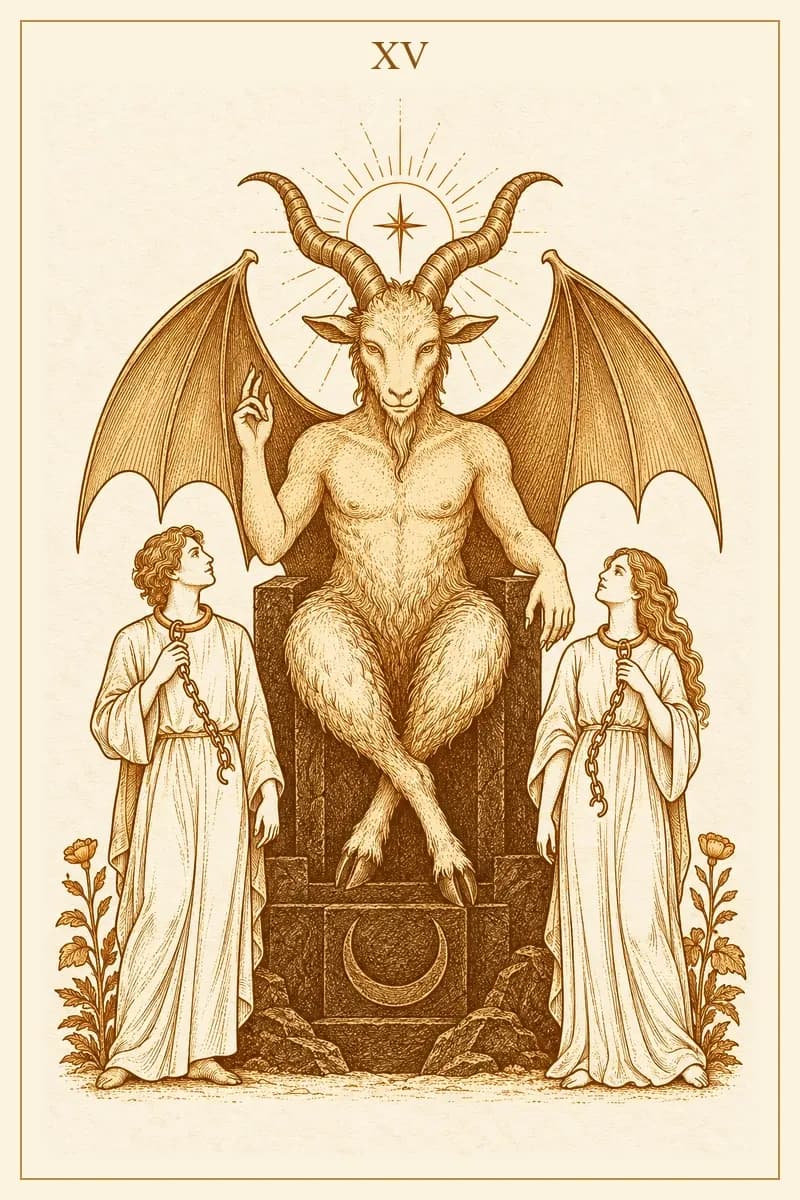
Willing blindness
Meaning of The Devil and Two of Swords Combination: Frozen Chains
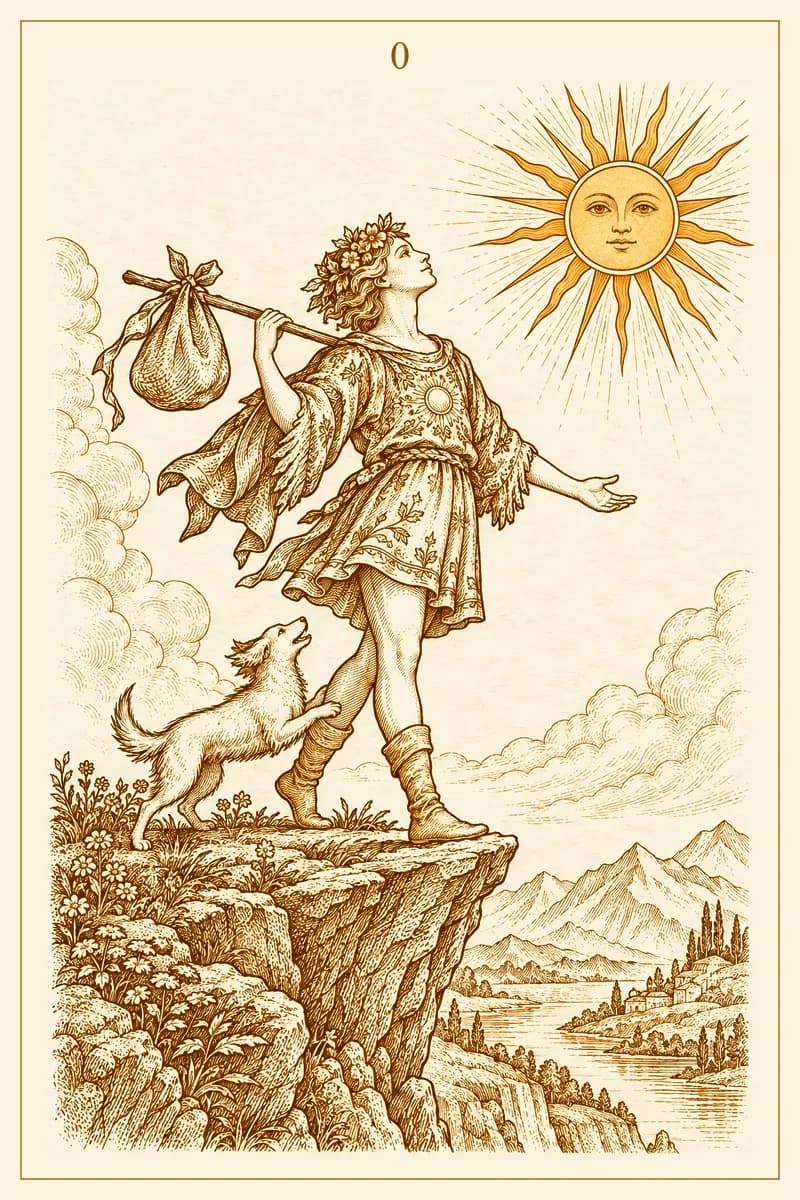
Sacred Rebellion
Meaning of The Fool and The Hierophant Combination: Tradition Meets Freedom
Forced decision
Meaning of The Emperor and Two of Swords Combination: Authority Meets Stalemate
✦ Bring it to the cards ✦
Bring The Hierophant and Two of Swords into your own reading
Use this pairing as a starting point, then let a spread listen to the situation that is actually yours.
Begin a contextual reading