
Card Combination
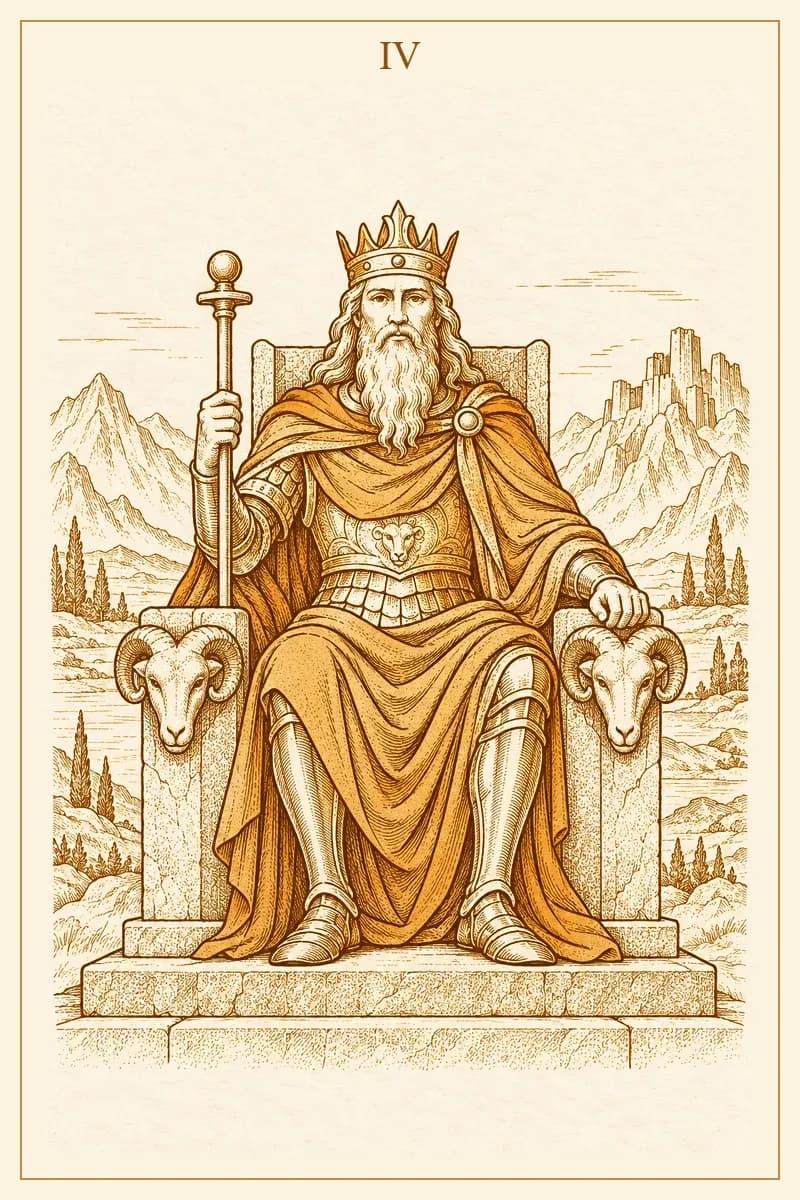
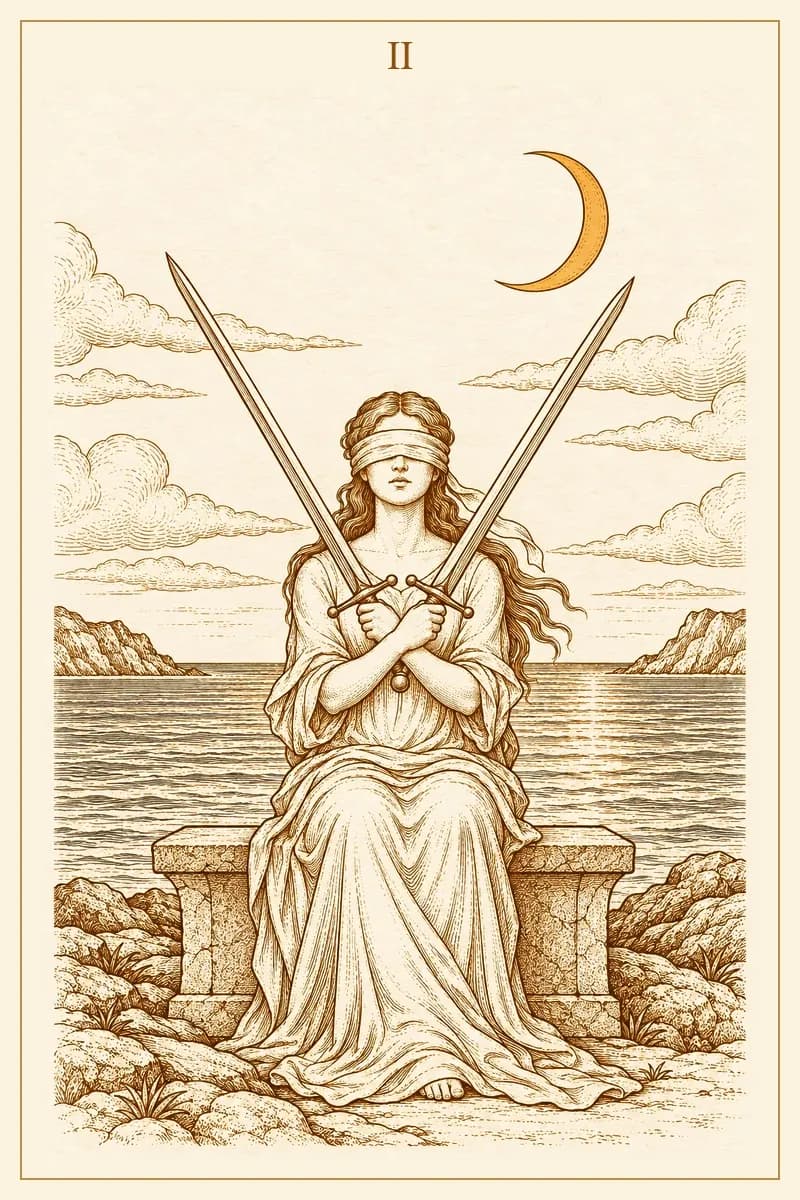
Meaning of The Emperor and Two of Swords Combination: Authority Meets Stalemate
Forced decision
A general who refuses to issue orders is still issuing an order — the order to wait. The Emperor holds the throne, the scepter, the map. Every tool of command is in his hands. And yet the Two of Swords places a blindfold over his vision and two crossed blades across his chest, daring him to act without full information. The result is a figure of immense authority who cannot move.
This combination catches you at the exact moment when your instinct to control collides with the reality that some situations resist being controlled. You have built structure, established routines, perhaps even constructed an identity around being someone who decides. Now you are standing at a crossroads where both paths look equally treacherous, and the tools that usually serve you so well — logic, hierarchy, planning — are offering no clean answer.
What makes this pairing particularly uncomfortable is that the Emperor does not do ambiguity well. He is a ruler of defined territories. The Two of Swords, however, lives entirely in the borderland between two equally weighted choices, two equally valid truths, two equally real fears. The collision between these energies is not random. It is pointing directly at something you have been postponing.
The Core Tension
The Emperor governs through clarity. His authority depends on knowing which direction the army marches. The Two of Swords governs through suspension — it holds two opposing forces in uneasy equilibrium, sword against sword, and refuses to let either win. Together they describe a standoff that you may have engineered yourself without realizing it.
This is the tension of a person who made themselves strong enough to avoid having to choose, only to discover that strength alone cannot dissolve a genuine dilemma. You may have structured your life so thoroughly that every exit feels like a violation of the very system you built. The blindfold on the Two of Swords is not imposed from outside. You put it on when the options became too painful to look at directly.
The invitation here is not to force a resolution. It is to examine what you are actually protecting by staying in this particular standoff.
Love & Relationships
In a relationship reading, this combination speaks to a dynamic where one person holds significant authority — over resources, over decisions, over the emotional temperature of the home — and that authority has created a frozen zone. Conversations that need to happen are not happening. Agreements that should have been reached months ago are still circling the same unresolved territory.
If you are the Emperor in this dynamic, the Two of Swords is asking what you fear seeing clearly. If you are facing someone in the Emperor's position, the Two of Swords may describe your own internal stalemate — wanting to leave, wanting to stay, convincing yourself that waiting for more information will eventually make the choice obvious.
The tender truth here is that love does not stay fresh in storage. Kept behind crossed blades, it eventually turns.
Career & Purpose
Professionally, this pairing frequently surfaces when a decision has been climbing up the chain of command and has finally landed on the desk of whoever has final authority — and that person keeps sending it back down. The Emperor energy is present in the form of real institutional power. The Two of Swords is present in the form of real institutional paralysis.
If you are in a leadership role, the question worth sitting with is whether the stalemate serves you in some way. Keeping two teams, two vendors, or two strategies in competition indefinitely has political advantages, but it erodes the credibility that makes the Emperor archetype functional. People stop bringing their best efforts to a battlefield where no victory is ever declared.
If you are not the decision-maker, your best move is to force clarity by presenting the stalemate itself as the problem that requires solving.
Shadow Side
The shadow of this combination is the abuse of authority through deliberate ambiguity. A ruler who refuses to decide is still ruling — they are ruling through uncertainty, keeping others in a state of suspended anxiety that serves the ruler's need for control. The blindfold on the Two of Swords can become a weapon when worn by someone who benefits from others not being able to see the playing field clearly.
Examine honestly whether the indecision you are experiencing — or projecting — is genuinely about complexity, or whether it is a way of maintaining dominance without accountability.
Action Steps
- 1Write down the two options you are avoiding choosing between, then write the actual cost of continued non-decision as if it were a third option on the list.
- 2Identify one piece of information you have been telling yourself you need before you can decide — then determine whether that information is truly necessary or is functioning as a delay tactic.
- 3Have the conversation you have been structuring your schedule to avoid.
- 4The Emperor and the Two of Swords together do not call for faster decisions or bolder action. They call for honesty about what the delay is costing — and who is paying for it. Authority without direction is not strength. It is a fortress with no roads leading out.
Related Pairings
Continue through published pairings that share The Emperor or Two of Swords.
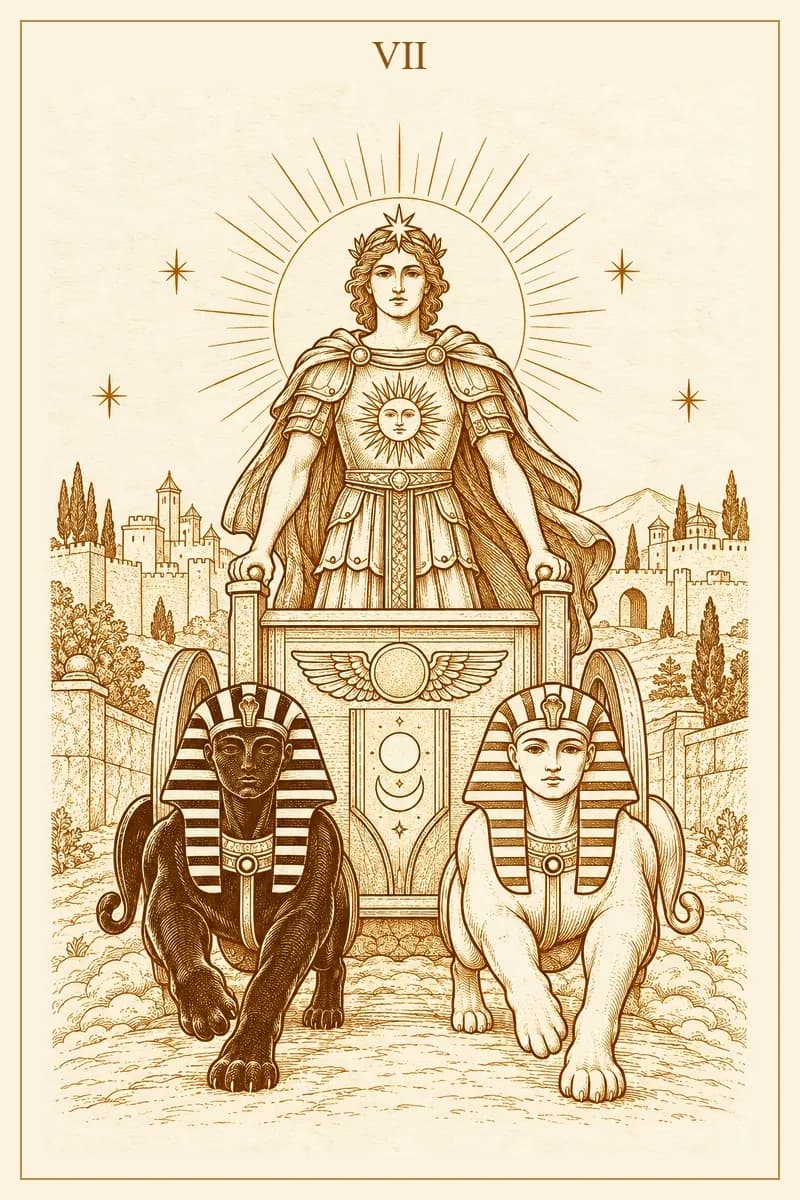
structured forward momentum
Meaning of The Emperor and The Chariot: Authority in Motion
Blocked momentum
Meaning of The Chariot and Two of Swords Combination: Stalled Drive
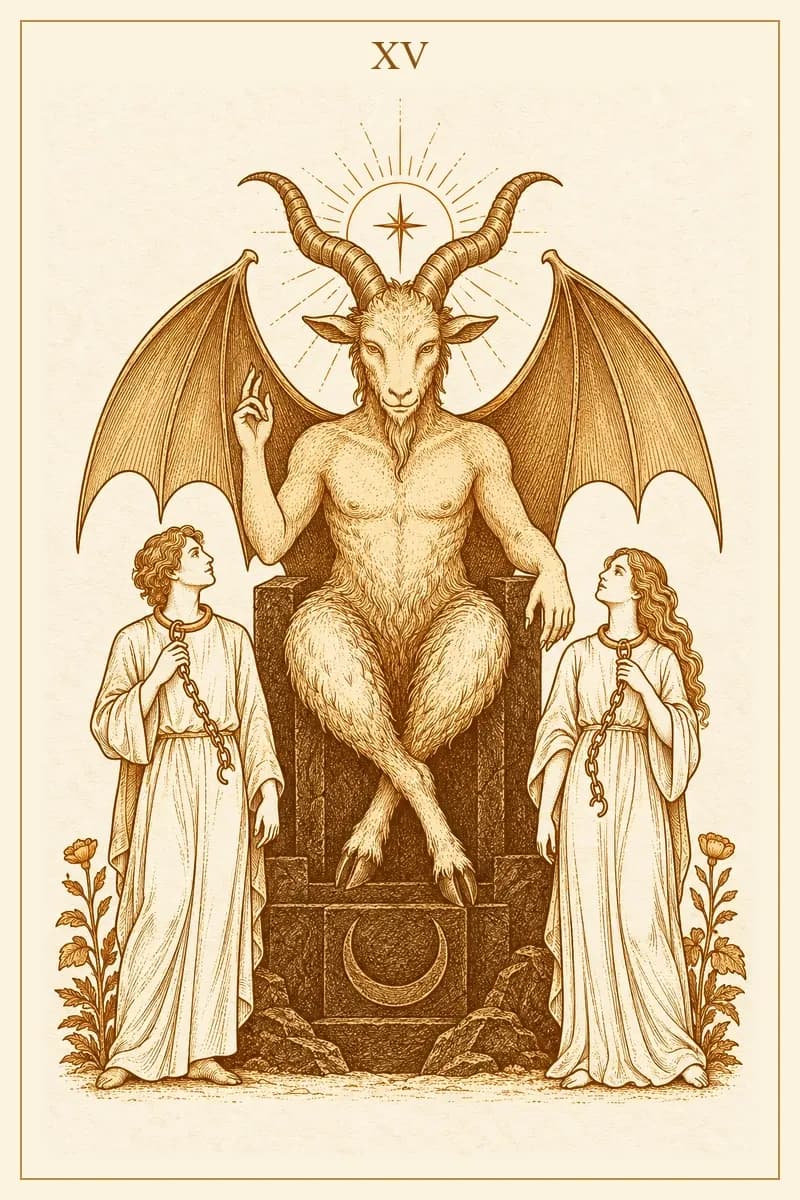
authority versus control
Meaning of The Emperor and The Devil: When Authority Becomes a Cage
Willing blindness
Meaning of The Devil and Two of Swords Combination: Frozen Chains
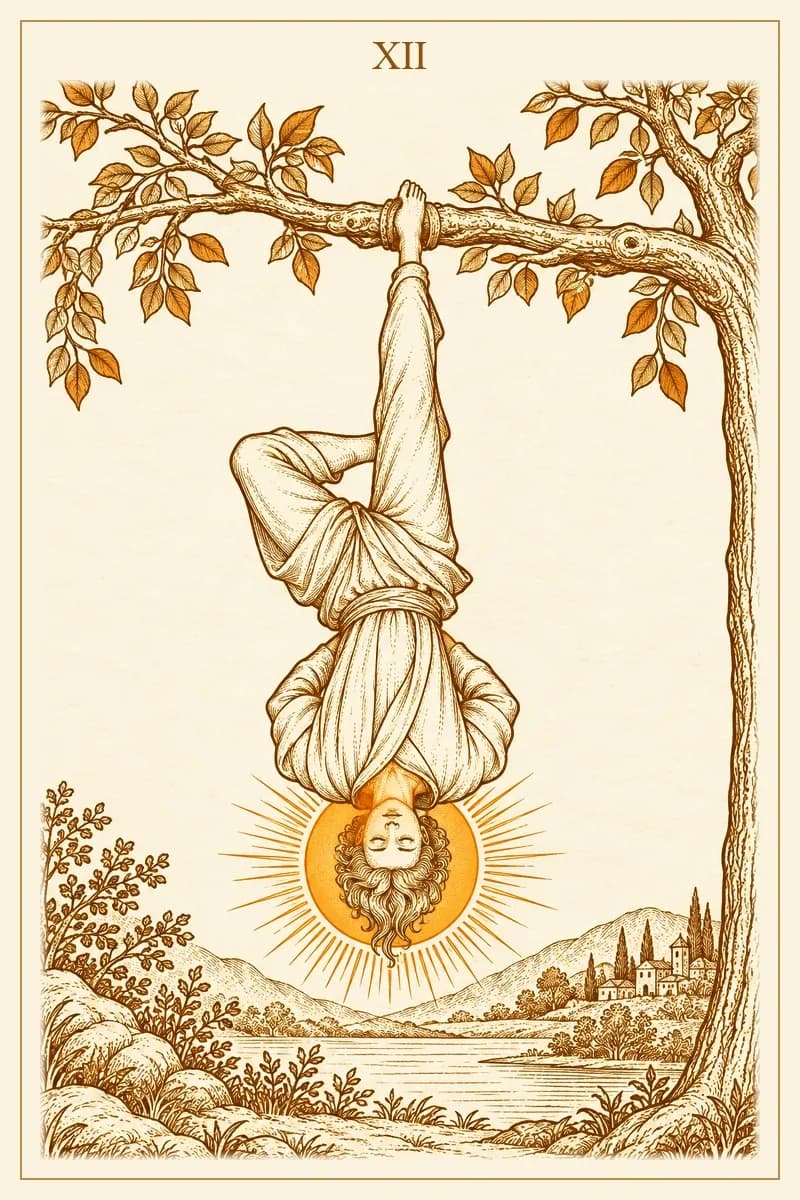
control vs release
Meaning of The Emperor and The Hanged Man: When Control Meets Surrender
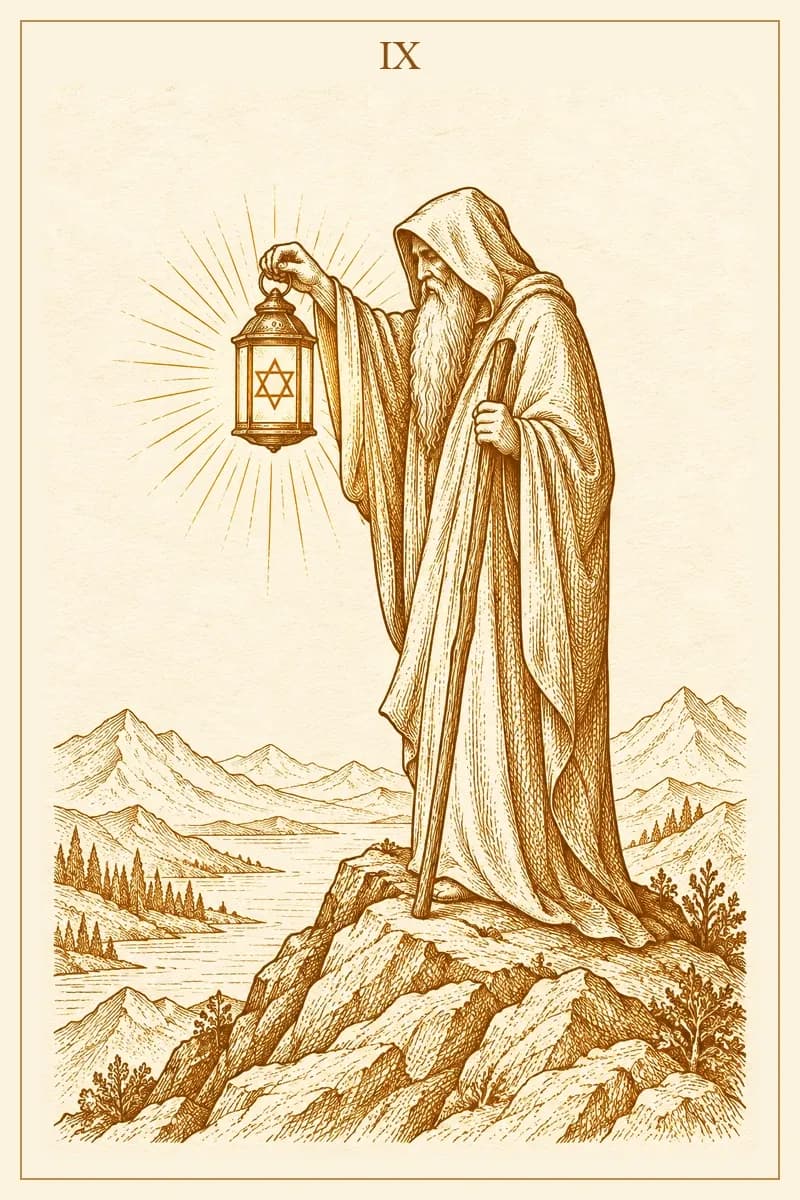
outer vs inner authority
Meaning of The Emperor and The Hermit: Command Meets Solitude
✦ Bring it to the cards ✦
Bring The Emperor and Two of Swords into your own reading
Use this pairing as a starting point, then let a spread listen to the situation that is actually yours.
Begin a contextual reading