Loading your view
The page is gathering the latest information.
The page is gathering the latest information.
sacred bondage
Every institution that claims to liberate eventually builds walls. The monastery with its bells and rituals promises freedom from the chaos of the self — but the bells still ring whether you want them to or not. This pairing lives in that contradiction: the sacred framework and the compulsion that hides inside it, dressed in robes, speaking in doctrine.
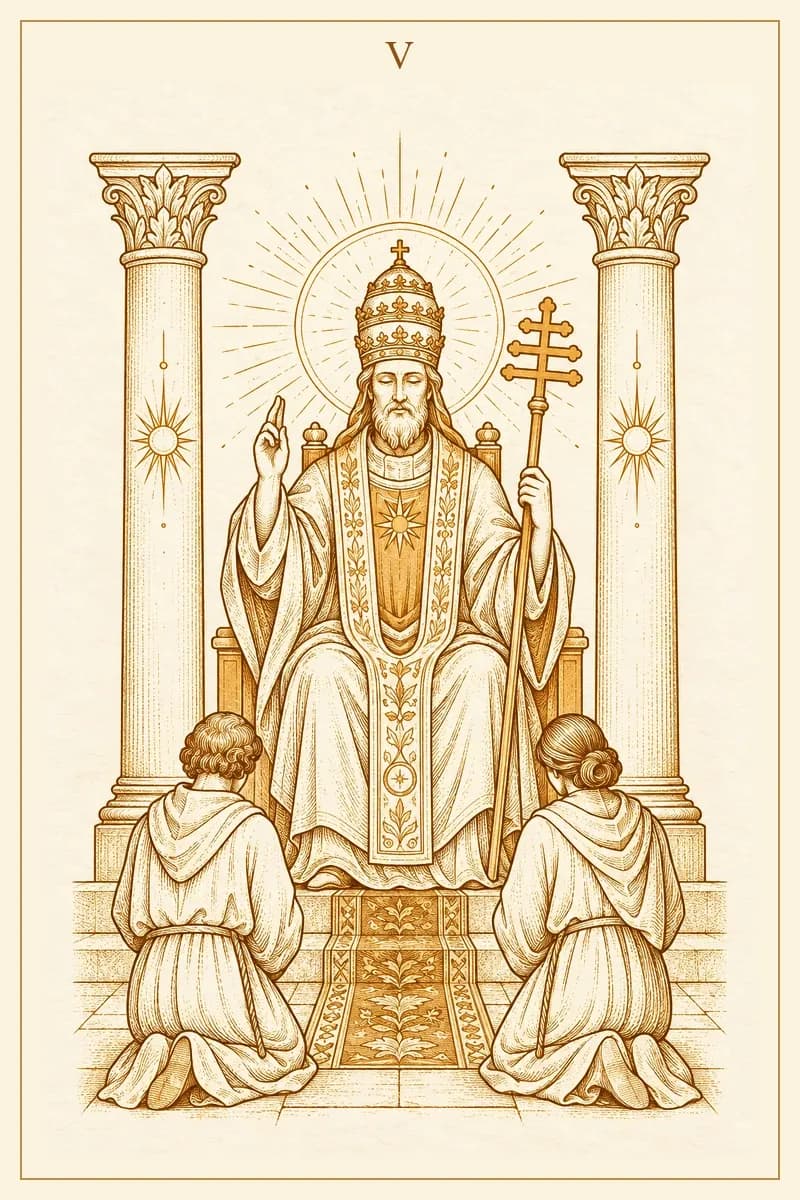
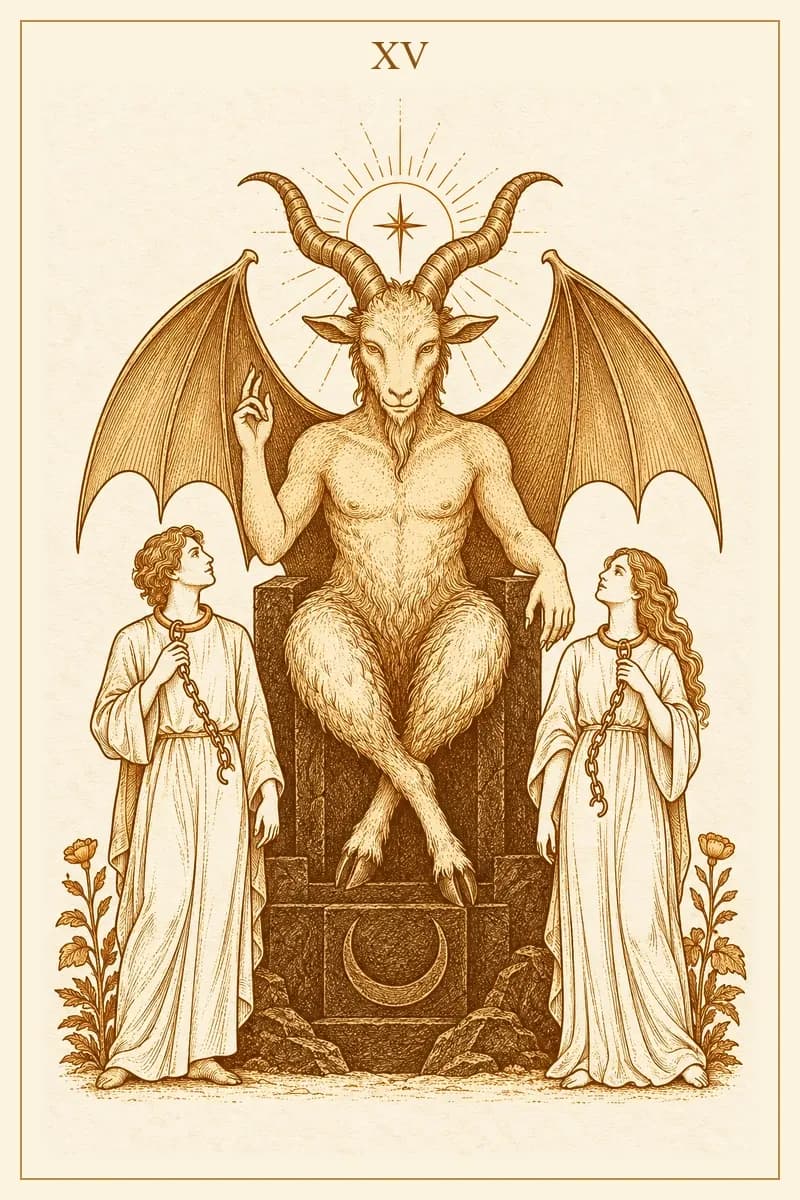
What holds you together and what holds you back often wear the same face. The Hierophant builds cathedrals of meaning — traditions, vows, inherited wisdom. The Devil lays the foundation in obsidian and locks the door from the inside. When these two stand in the same reading, the question isn't whether you belong to something. The question is whether you chose it, or whether it chose you while you were looking elsewhere.
There is no villain here. The architecture is real, the walls are solid, and some of them were built with genuine love. But a room you cannot leave is still a cell, no matter how beautifully it's decorated.
The Hierophant represents sanctioned belief — the structures humans create to pass wisdom across generations. The Devil represents attachment — the chains that look like choices until you try to walk away. Together, they expose the uncomfortable overlap between devotion and dependency.
This combination asks you to examine what you call sacred. Religious commitment, family obligation, professional loyalty — any of these can be a genuine calling or a gilded cage. The tension is that from the inside, the two feel identical. You follow the rules because you believe in them, or because leaving feels unthinkable. The cards don't always let you know which one is true.
Expect a confrontation with inherited patterns. Something a parent believed, a tradition you absorbed without questioning, a moral framework that no longer fits the person you've become — these surfaces crack open under this pairing.
In a relationship reading, this combination points to dynamics where one partner holds moral authority over the other. One person's values are treated as the standard; the other's are the deviation that needs correcting. This can look like a partner who uses religion or family expectation as leverage, or a relationship bound more by guilt and obligation than by genuine desire.
It can also reflect an internal bind. You love someone who doesn't fit the template your upbringing gave you — the wrong religion, the wrong background, the wrong kind of love entirely. The Hierophant in you insists on the rules. The Devil in you is already attached, already entangled, already wondering what it would cost to stop pretending.
For couples: look at whose belief system defines the relationship's rules. If only one person sets the terms of what's acceptable, the architecture is lopsided.
At work, this combination often surfaces around institutional loyalty that has curdled into something darker. The company culture you once admired has become a system you can't criticize without consequences. The professional identity you built — the credentials, the title, the industry — has become so central to your sense of self that leaving feels like annihilation.
It can also signal a workplace where hierarchy is weaponized. Authority figures who use tradition or policy as cover for control. "This is how it's always been done" as a way of avoiding "this is no longer working." If you are in a position of leadership, check whether your standards have hardened into inflexibility.
The productive reading: use the Hierophant's structural intelligence to identify exactly what you're attached to, and then ask whether that attachment is serving your actual work.
The shadow of this combination is spiritual bypassing through control — using the language of belief, tradition, or higher purpose to avoid confronting desire, shame, or fear. The person who preaches discipline loudest is sometimes the one most imprisoned by it. The institution that speaks most of freedom is often the one most invested in compliance.
Watch for rigidity masquerading as righteousness. Watch for the moment your values stop being a compass and start being a weapon — against yourself or against others. The Devil doesn't announce himself. He appears in the small moments: the judgment you feel about someone else's choices, the shame that surfaces when you want something "you shouldn't."
Keep or share this combination reference
Continue through published pairings that share The Hierophant or The Devil.
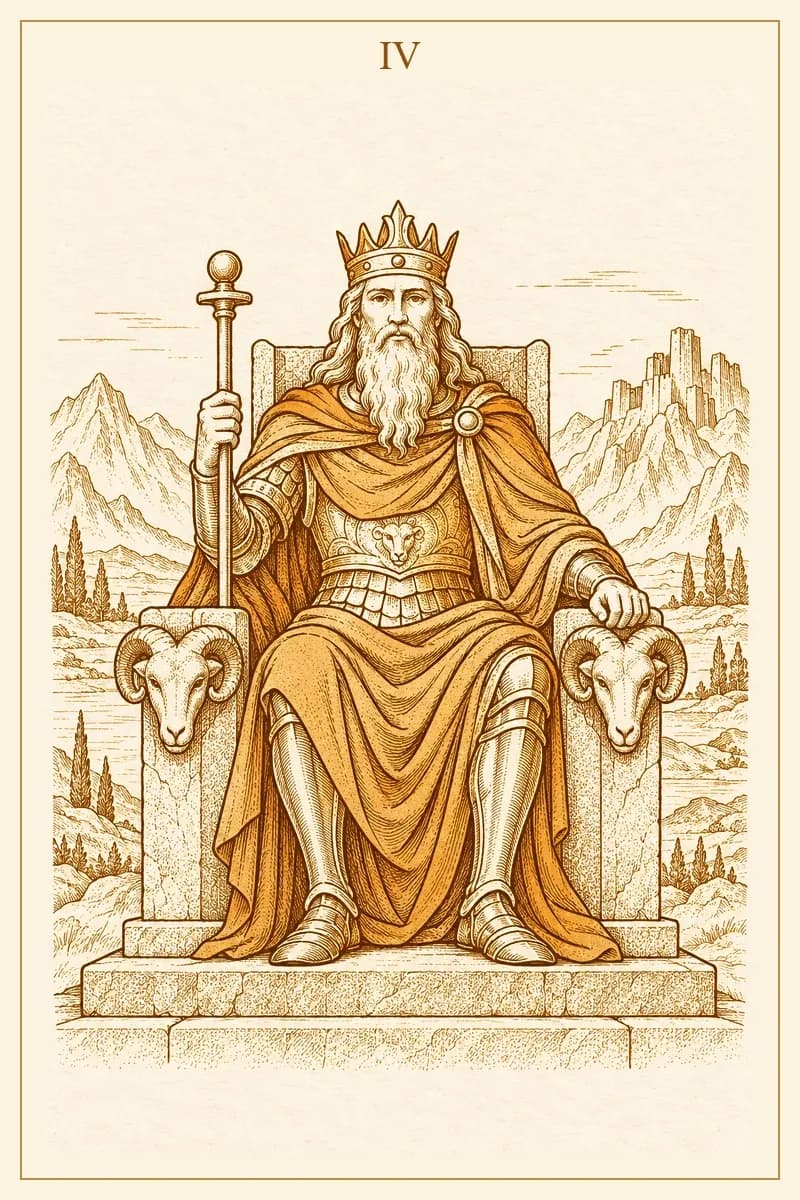
authority meets doctrine
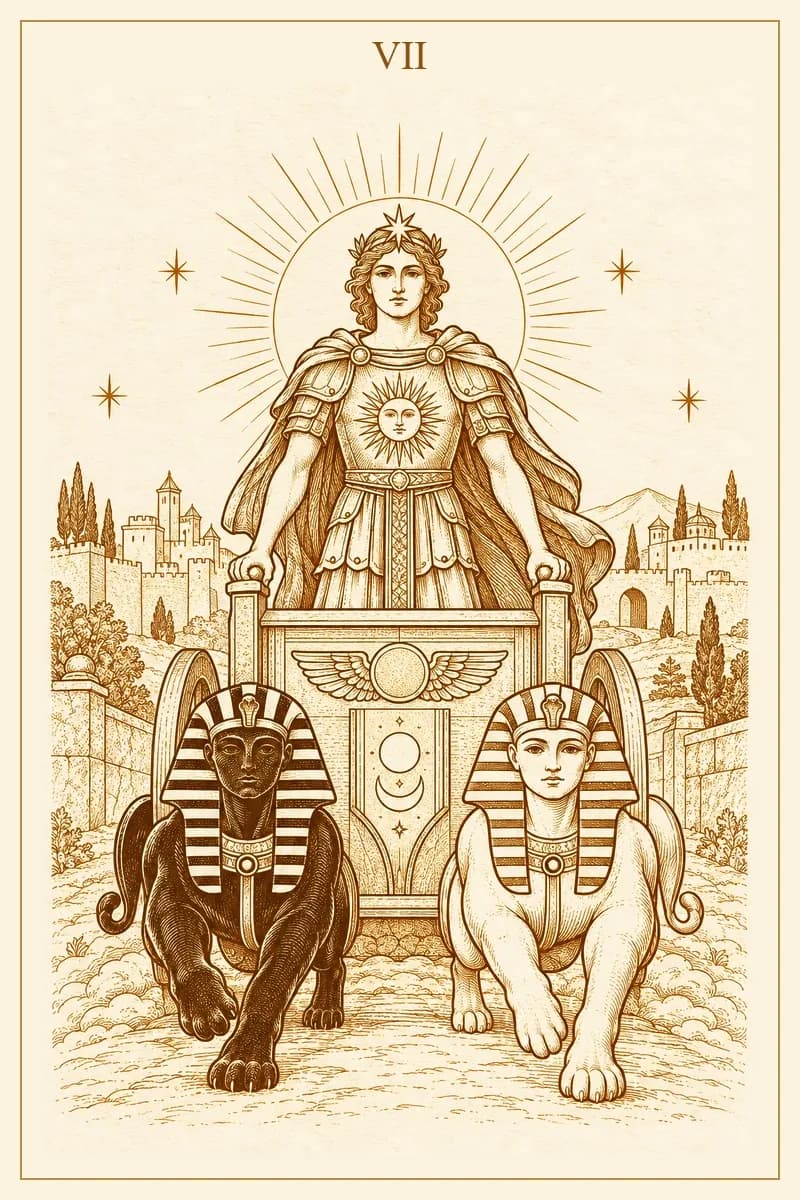
ambition vs obsession
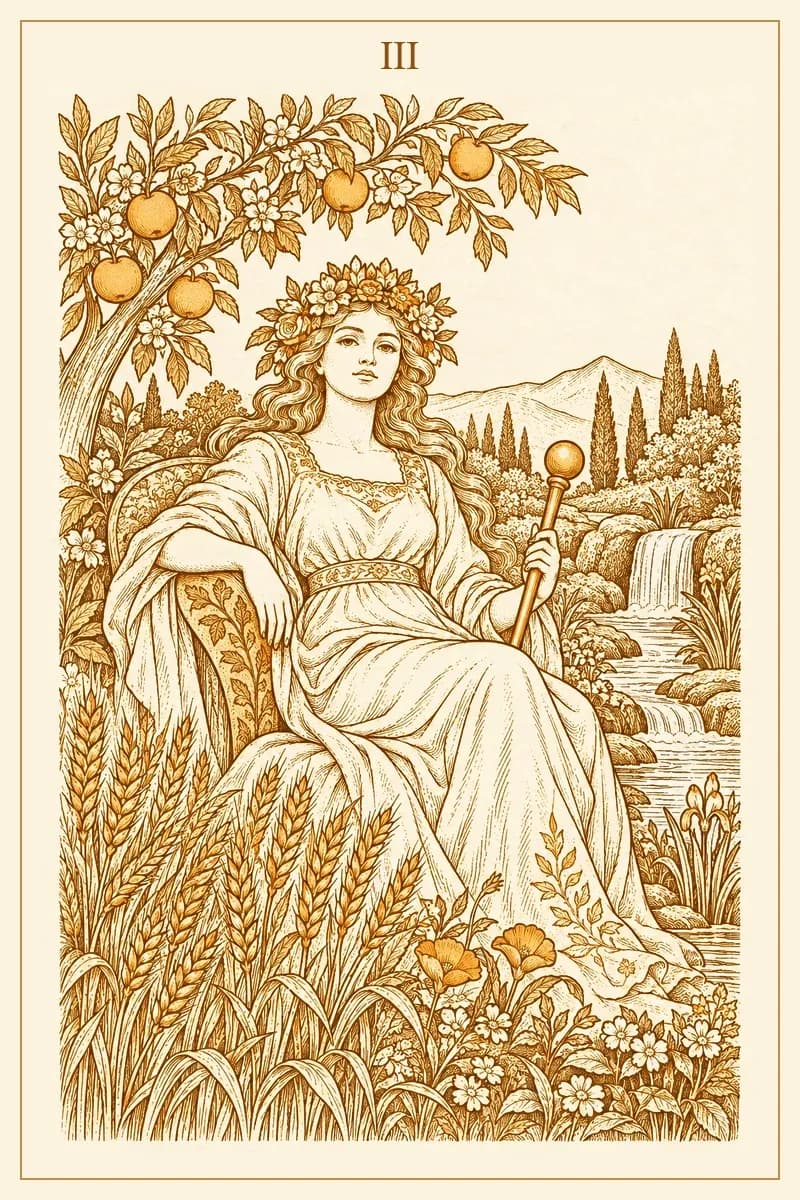
abundance versus doctrine
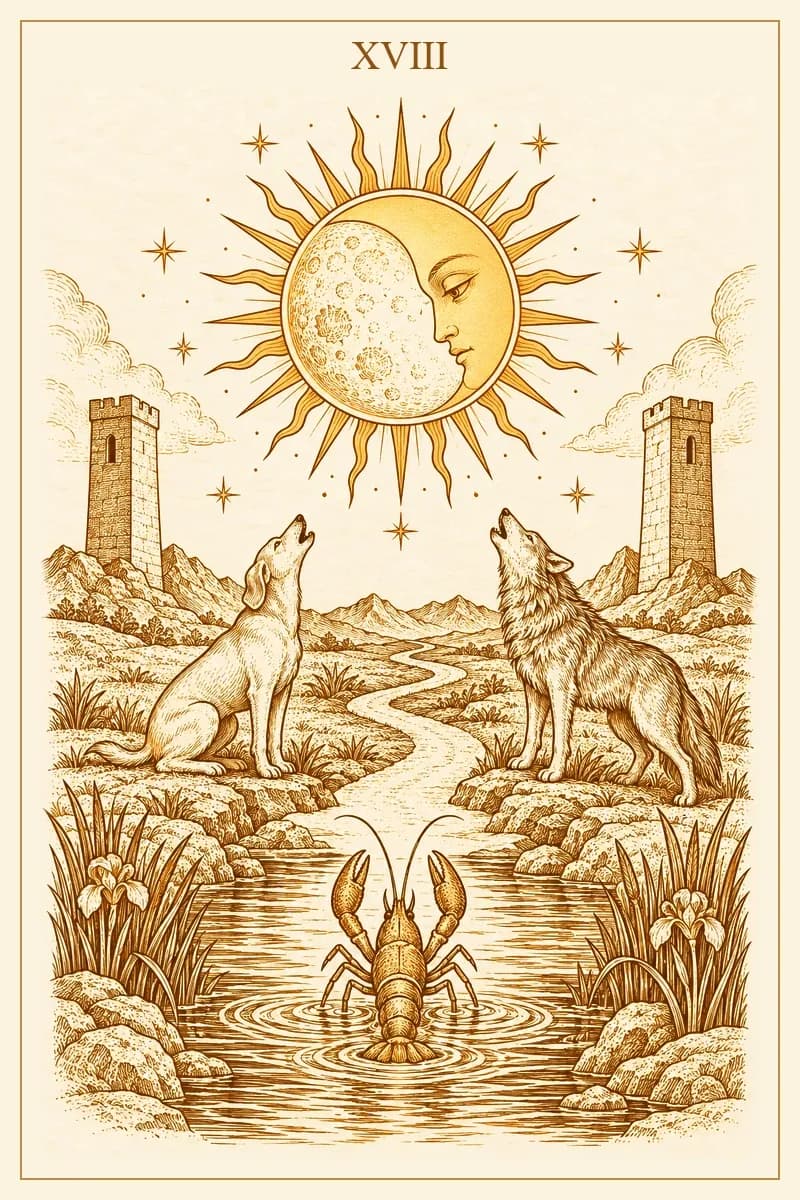
hidden compulsion
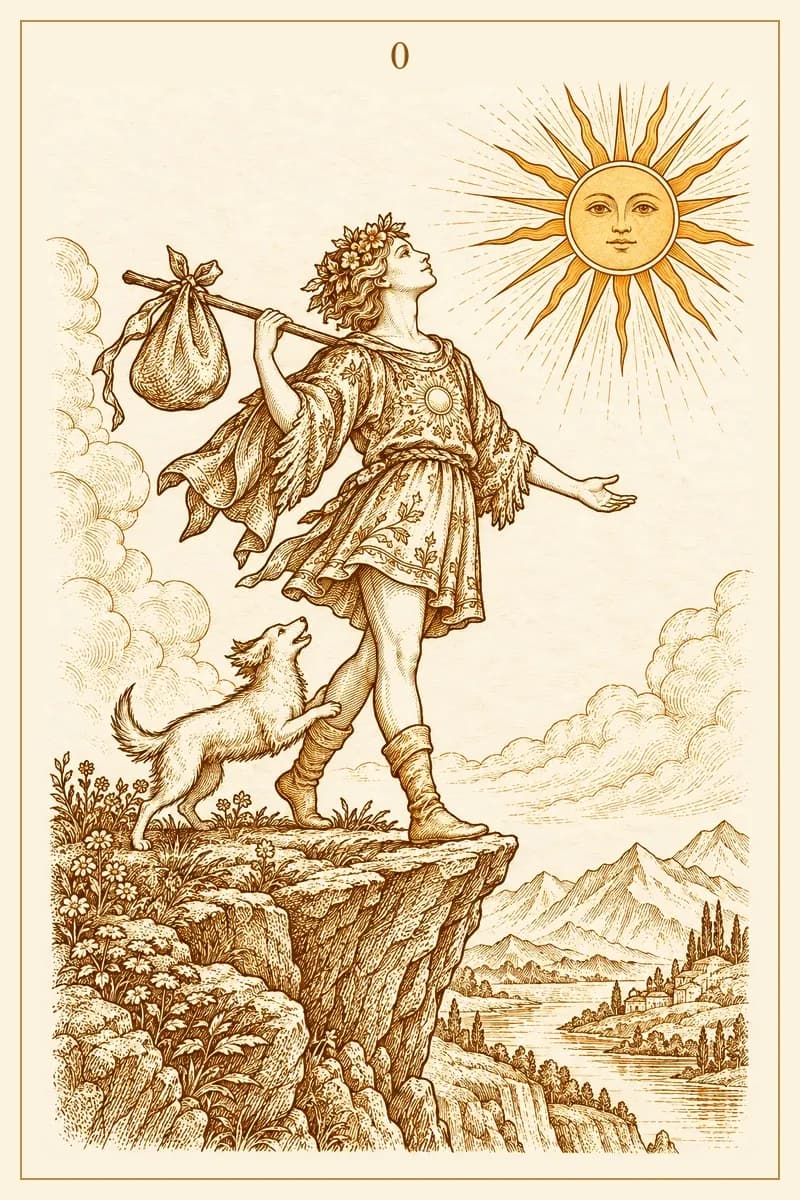
Sacred Rebellion
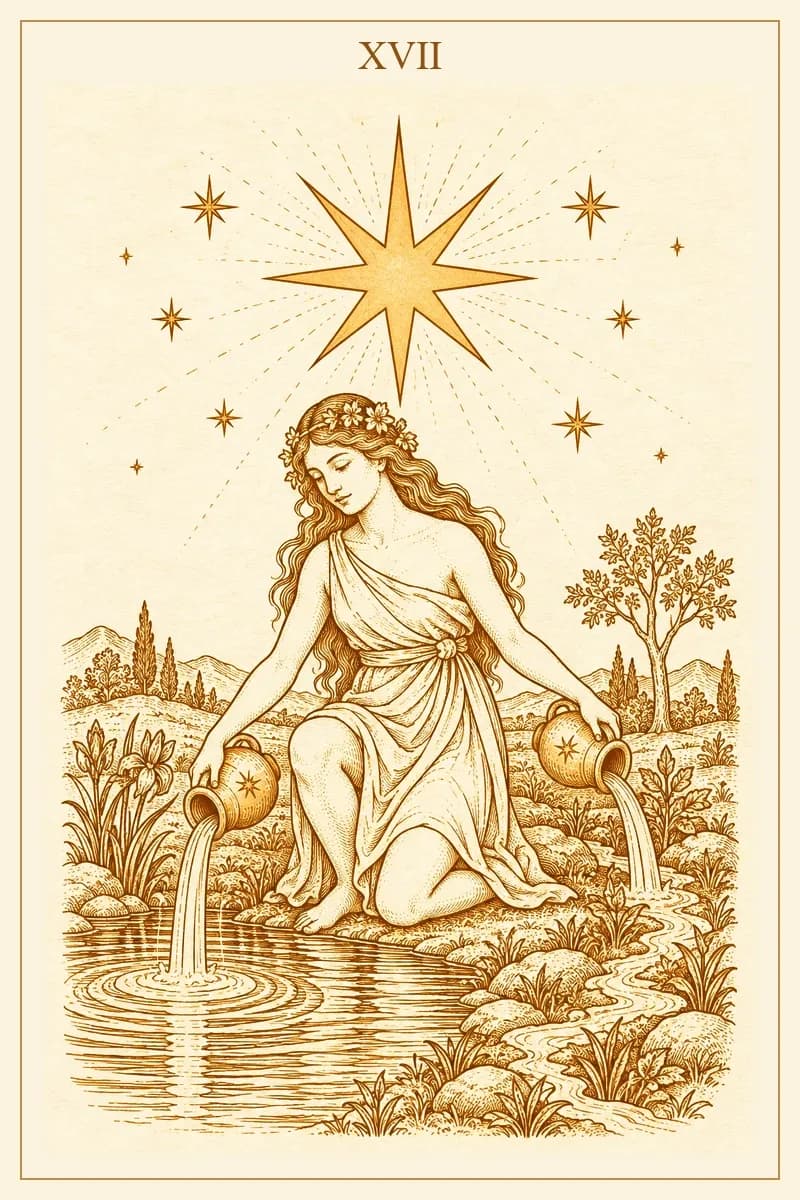
bondage versus healing
✦ Bring it to the cards ✦
Use this pairing as a starting point, then let a spread listen to the situation that is actually yours.
Begin a contextual reading