
Card Combination
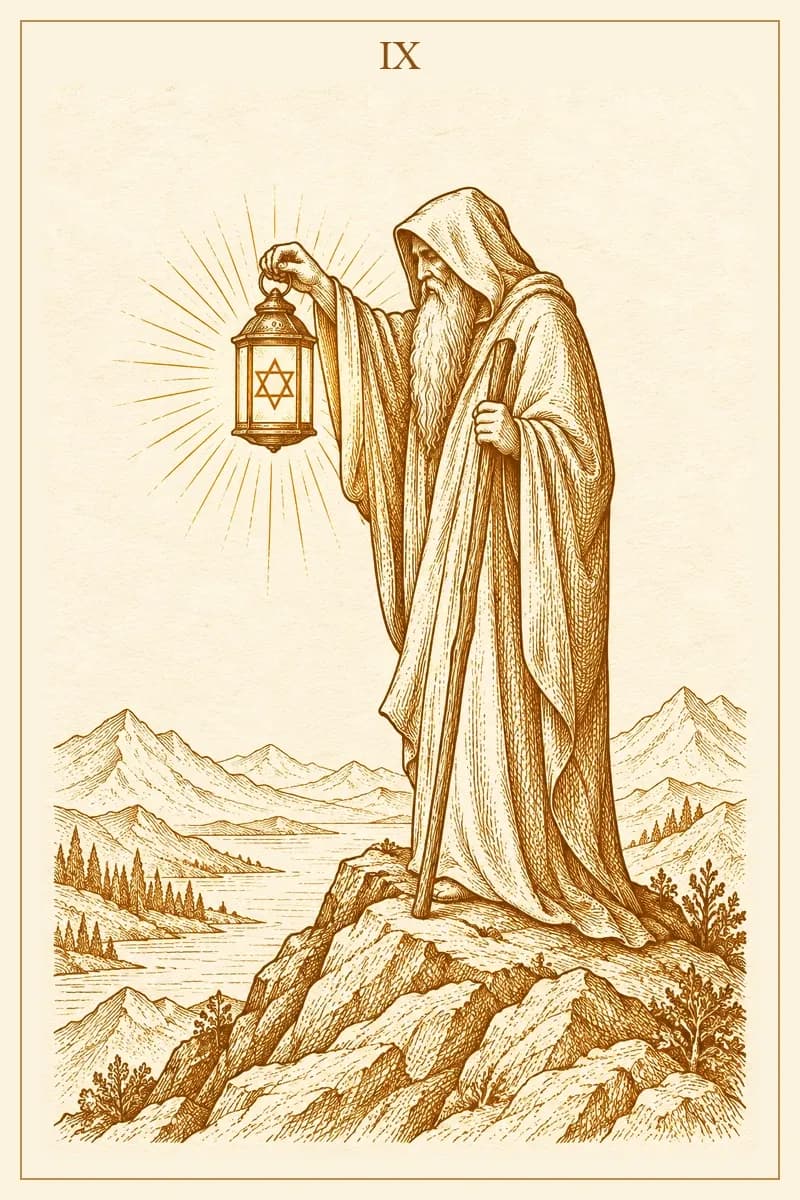
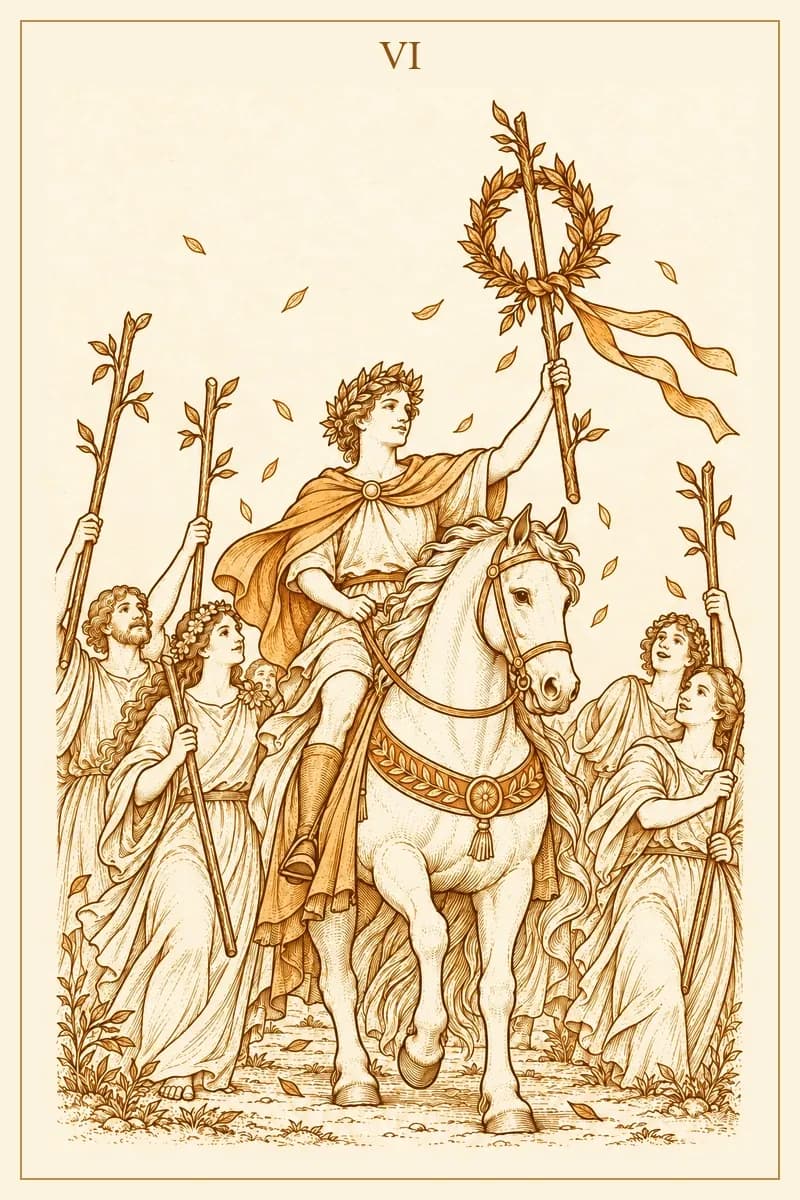
Meaning of The Hermit and Six of Wands Combination: Private Wisdom, Public Victory
Inner work meets recognition
The applause has started, and you are not sure you deserve it. Or perhaps more precisely — you know the work was real, but the spotlight feels like it belongs to someone else, some louder version of you that never existed. The Six of Wands brings the crowd, the laurel wreath, the horse and the hero's return. The Hermit has spent months, maybe years, climbing alone in the dark. These two energies meeting in a reading describe the specific discomfort of a private person stepping into a public moment they genuinely earned.
This is not imposter syndrome in the ordinary sense. It is something subtler: the Hermit's wisdom was developed in solitude, and solitude has its own logic, its own validation system. The Six of Wands operates on an entirely different currency — external recognition, social proof, the visible confirmation that the work mattered. When the Hermit stands under the Six of Wands spotlight, something in him wonders whether the applause can be trusted.
Theater offers a useful frame. The stage manager who keeps the whole production running from the wings rarely steps into the curtain call. When they finally do — pushed forward by the cast, blinking in the lights — the audience claps for someone who has always been there, doing work the audience never saw. That is the emotional texture of this combination. The recognition is real. The discomfort is also real.
The Core Tension
The Hermit's path to wisdom requires distance from external validation. That is almost definitional — the figure on the card has withdrawn precisely because the crowd's opinion is not the point. He climbs the mountain not to be seen but to see. The Six of Wands is the moment of return, and it arrives with everything the Hermit trained himself not to need.
This creates a genuine structural tension. The inner work was done in one register — quiet, private, self-directed. The recognition arrives in a completely different register — public, social, externally defined. The question is whether the person who did the private work can inhabit the public recognition without either dismissing it entirely or losing their internal compass in the noise of it.
Neither response is inherently correct. Some people need to let the Six of Wands moment land fully — to actually receive the recognition they spent years avoiding. Others need to remain anchored in the Hermit's internal validation and let the external applause pass without attaching to it.
Love & Relationships
In romantic readings, this pairing often marks a moment when a private, self-contained person becomes newly visible to those around them. Something about them has shifted — a success, a personal transformation, an increased confidence — and other people are responding to it.
The danger for the Hermit-type in love is that this new visibility attracts attention that is drawn to the victory rather than the person. The Six of Wands moment can bring potential partners who are drawn to the image of success, the social proof, without interest in the quiet, complicated interior that actually produced it.
The Hermit's task in love is to not let the Six of Wands moment rewrite the terms of what they need from a partner. Recognition does not change the requirement for depth, honesty, and the kind of relationship that has room for silence.
Career & Purpose
Professionally, this is one of the more genuinely positive combinations in the deck — but with conditions. It suggests that a period of solitary, focused work is being recognized at a level that matches its actual quality. The Six of Wands here is not luck or politics; it is late payment on real effort.
The challenge is what comes after the recognition. The Hermit's natural instinct is to return to solitude — to take the validation, bank it quietly, and go back to the mountain. That instinct is not wrong, but the Six of Wands moment often comes with social and professional obligations that require at least some engagement with the crowd.
Accepting credit visibly, mentoring others with the knowledge accumulated in solitude, allowing the work to be seen rather than only done — these are the professional skills this combination asks for. The lantern is not only for the Hermit's own navigation. It is also for others who are still in the dark.
Shadow Side
The shadow here is the quiet pride that refuses to be seen. Not all withdrawal is wisdom. Sometimes the Hermit energy lingers past its useful life, insisting on solitude as a virtue long after the work actually calls for engagement. The Six of Wands in shadow gets deflected — the recognition minimized, the victory discounted, the achievement privately dismissed as not quite good enough.
This is perfectionism with a contemplative face. The shadow asks whether the continued withdrawal is genuine discernment or whether it is simply safer to stay on the mountain than to risk being seen and found ordinary.
Action Steps
- 1Accept one acknowledgment this week without deflecting, minimizing, or immediately pivoting to what still needs work.
- 2Identify one piece of knowledge developed in your private work that another person could actually use, and find a way to share it.
- 3Spend time alone not to do more work but to clarify what the recognition actually means to you — what it changes and what it does not.
Related Pairings
Continue through published pairings that share The Hermit or Six of Wands.
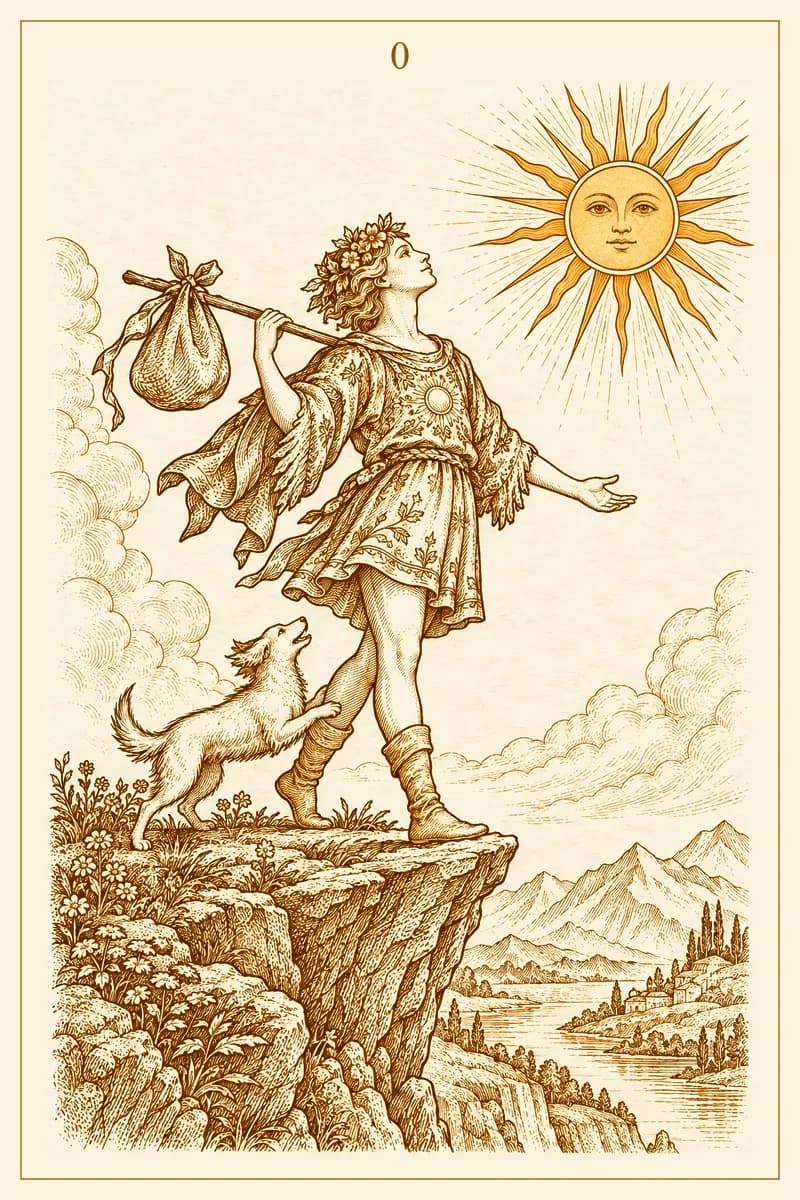
Solitary wandering
Meaning of The Fool and The Hermit Combination: Solitary Wandering
Unearned applause
Meaning of The Fool and Six of Wands Combination: Accidental Triumph
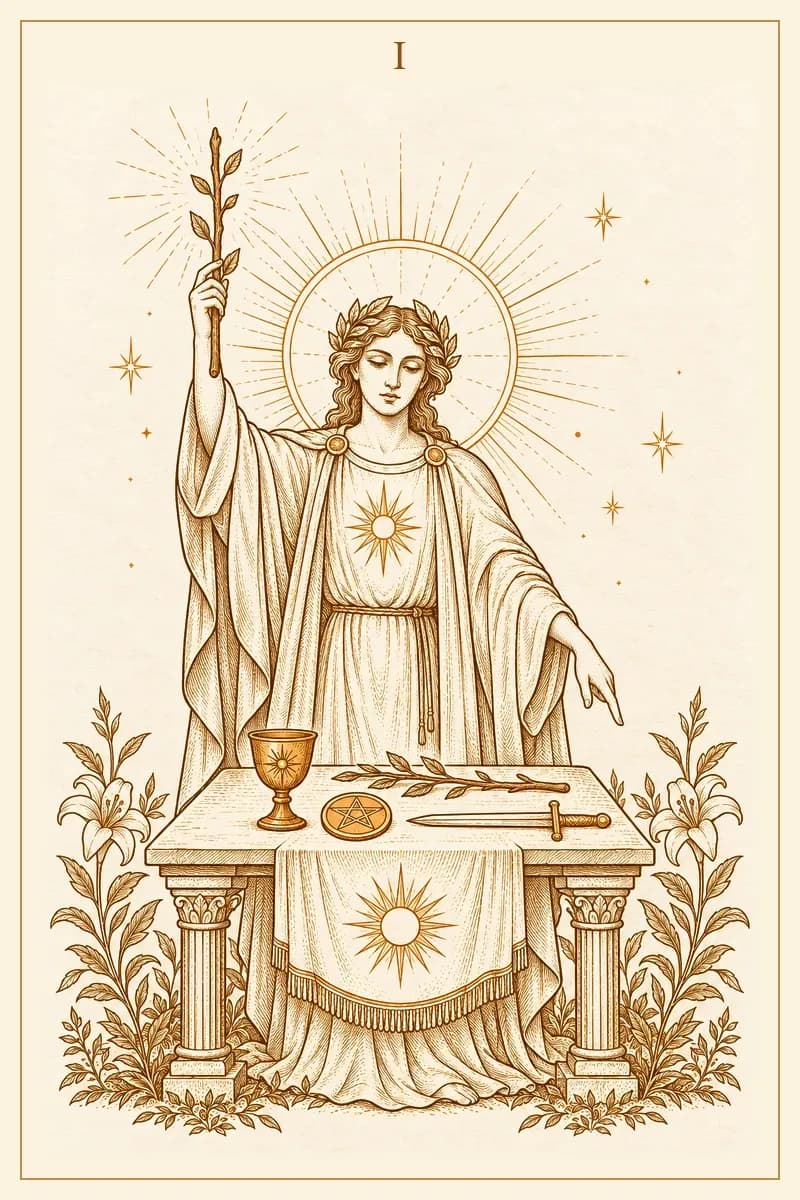
Visible craft, hidden depth
Meaning of The Magician and The Hermit Combination: Mastery Behind Closed Doors
Quiet skill, public acclaim
Meaning of The Magician and Six of Wands Combination: The Craft Behind the Crown
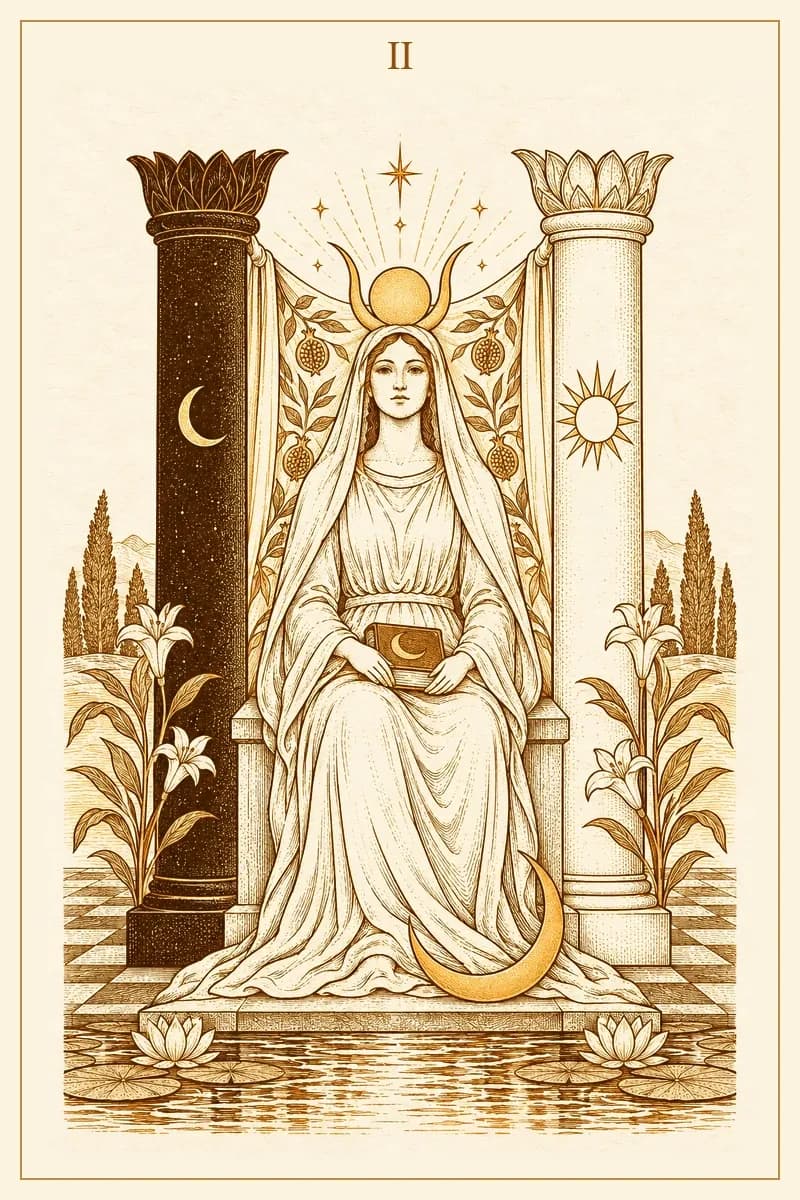
Inner lantern
Meaning of The High Priestess and The Hermit Combination: Inner Lantern
Earned recognition
Meaning of The High Priestess and Six of Wands Combination: The Victory That Begins in Silence
✦ Bring it to the cards ✦
Bring The Hermit and Six of Wands into your own reading
Use this pairing as a starting point, then let a spread listen to the situation that is actually yours.
Begin a contextual reading