
Card Combination
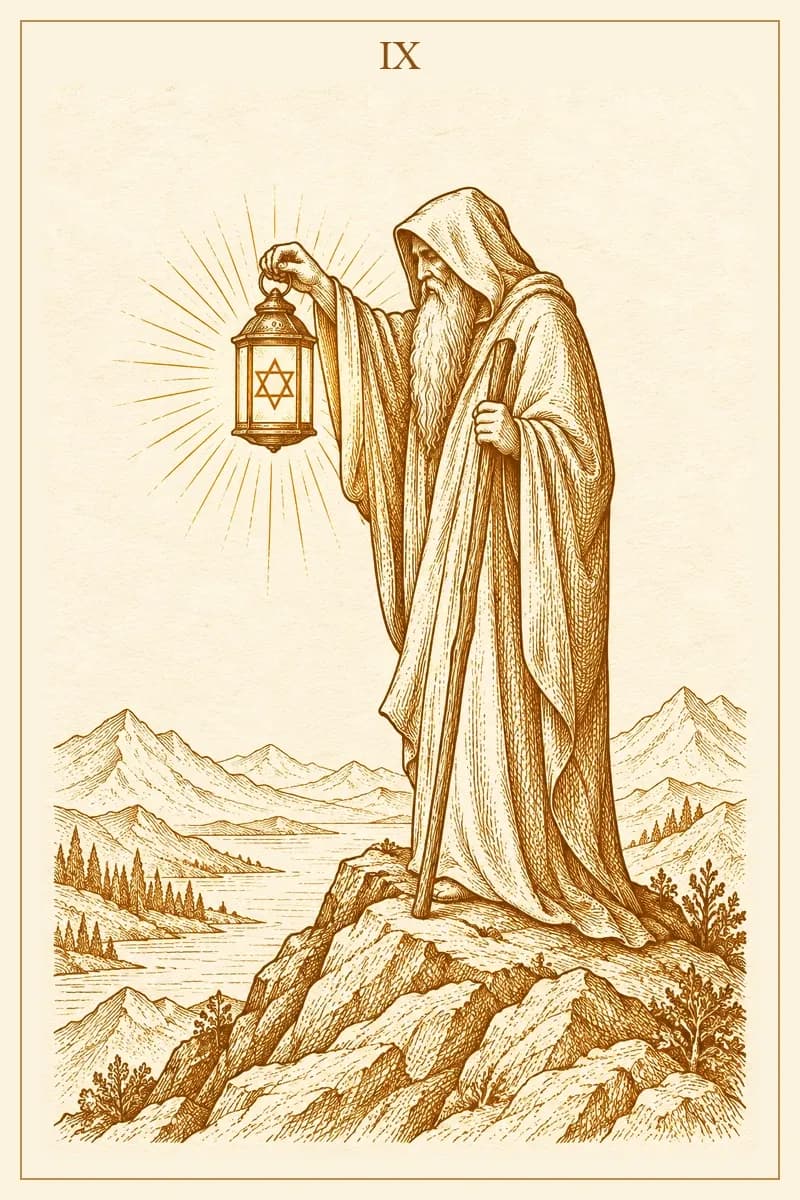
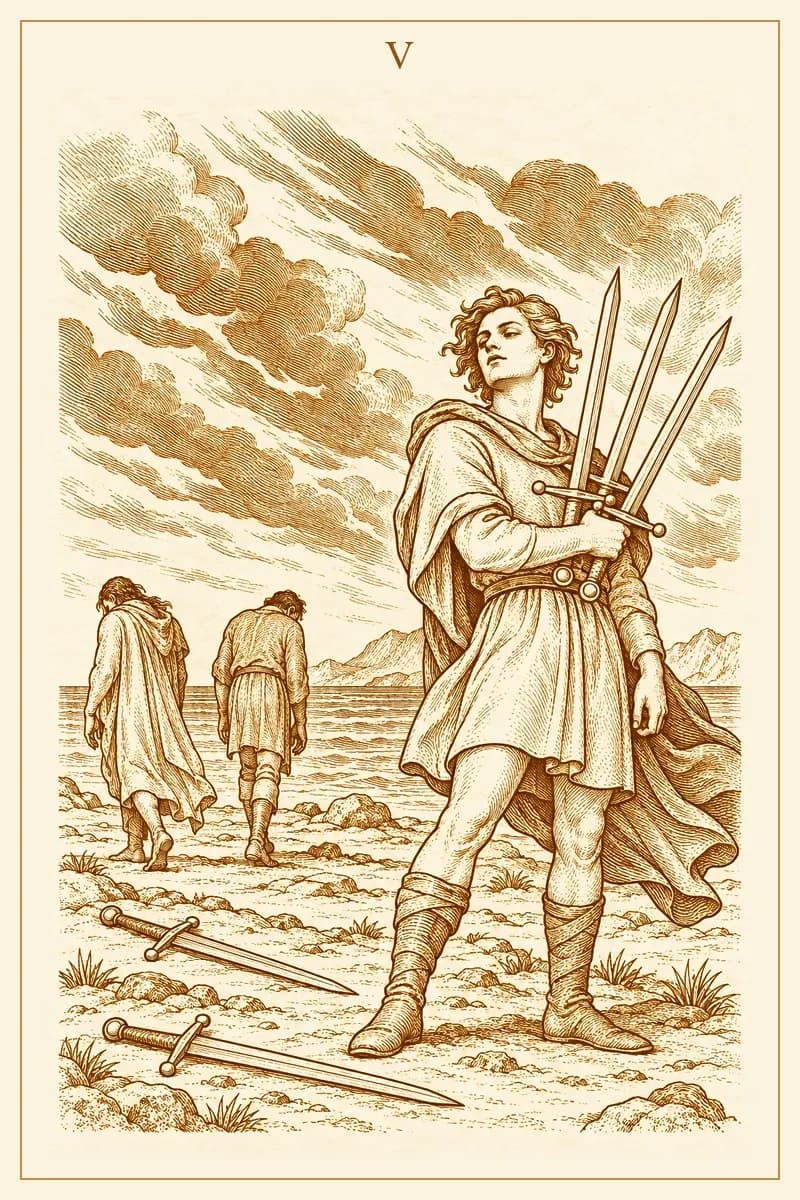
Meaning of The Hermit and Five of Swords: The Price of Isolation
pyrrhic solitude
Somewhere on a quiet battlefield, swords still lodged in the ground, a single figure stands over what he's won. Notice what he's actually holding: not treasure, not wisdom, just the weapons of people who stopped fighting back and walked away. Somewhere in that image lives a version of The Hermit nobody talks about. Not the sage on the mountain. The man who drove everyone away and called it enlightenment.
The Hermit carries a lantern because the path ahead is dark. That's honest. But Five of Swords asks a harder question: dark for whom? When you withdraw so completely that every relationship becomes a conflict you've "won" by outlasting the other person, the lantern only illuminates your own face. Everyone else left.
These two cards together don't describe a monster. They describe a pattern. Retreat from noise becomes retreat from accountability. Solitude meant for reflection becomes a fortress where no uncomfortable truths can enter — only the ones you already believe.
The Core Tension
The Hermit's withdrawal is supposed to be temporary. The hermit goes into the cave, finds the answer, and comes back down the mountain. Five of Swords disrupts that cycle. It represents conflicts that ended badly — someone won, but at serious cost, and the wounds haven't healed. When these energies combine, the retreat never quite ends. Each new conflict becomes evidence that withdrawal was the right choice all along. The loop closes.
This is the war strategist who wins every skirmish through superior information and isolation — knowing more than anyone else, needing no allies — and then realizes in year seven that they've optimized themselves into irrelevance. You can be right about everything and still lose the war by losing every person who might have fought beside you.
Love & Relationships
In romantic relationships, these two cards surface as emotional unavailability dressed in the language of depth. "I need space to think" is a valid human need. Said after every argument, after every request for closeness, after every attempt to address something real — it becomes a Five of Swords move. You've won the argument. Your partner retreated. The relationship accumulated another small scar.
Partnerships under this influence often feature one person who processes inward and one person who eventually stops trying to reach them. The Hermit's wisdom is genuine, but wisdom offered to no one in particular serves no relationship. If you recognize this dynamic, the question isn't whether you need solitude — you probably do — but whether you've been using it as a weapon.
Career & Purpose
Professionally, this pairing describes the expert who has stopped collaborating. Maybe there was a meeting that went badly, a project someone else took credit for, a decision made over your objection. The Five of Swords moment happened. The response was Hermit energy: withdraw, go it alone, trust no one's judgment but your own.
Short-term, this can look like productivity. Long-term, it calcifies. Knowledge hoarded rather than shared becomes a liability when that person leaves or burns out. Teams built around one person's solitary expertise are fragile. The strategist who plans alone and executes alone wins skirmishes; they don't build anything that outlasts them.
Watch for: refusing to document processes, dismissing collaborative input before hearing it, framing every team conversation as a potential ambush.
Shadow Side
The hardest reading of these two cards together is that it often feels completely justified to the person living it. The Hermit is wise — that's not a metaphor, it's the card's core meaning. Five of Swords conflicts are real conflicts where real harm happened. Putting those two together produces a person with genuine grievances and genuine insight who has organized their life around never being vulnerable to either again.
That's the shadow: the armor works. The wounds stop coming from outside. They just come from within, slower and quieter, in the form of loneliness that gets reframed as chosen independence.
Action Steps
- 1Identify one relationship where you "won" a conflict but the other person went quiet afterward — reach out, not to relitigate, but to check in.
- 2Spend 20 minutes with The Hermit's lantern as a prompt: what truth have you been illuminating only for yourself that someone in your life actually needs to hear?
- 3Before your next withdrawal into solitude, set a return condition — a specific thing you're going to figure out, and a specific moment when you'll come back to the conversation.
Related Pairings
Continue through published pairings that share The Hermit or Five of Swords.
driven introspection
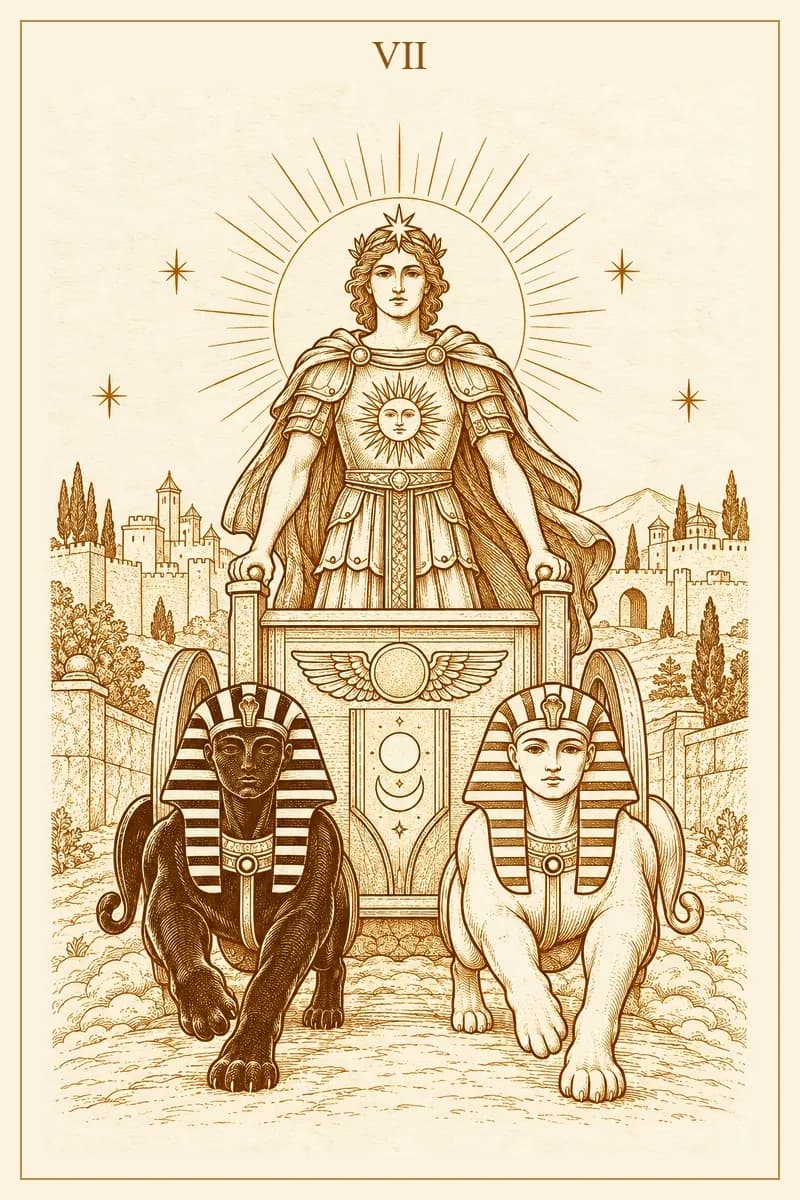
Meaning of The Chariot and The Hermit: Driven Inward
costly victory
Meaning of The Chariot and Five of Swords Combination: Winning at a Cost
outer vs inner authority
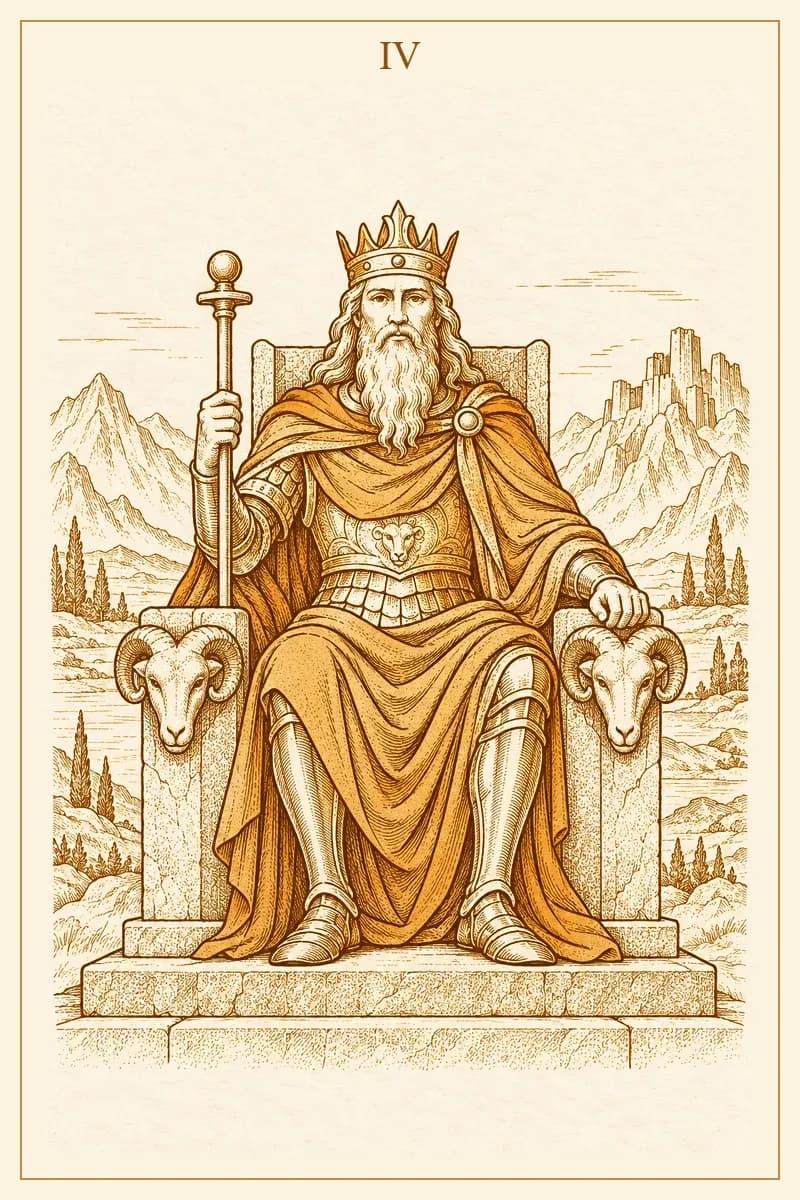
Meaning of The Emperor and The Hermit: Command Meets Solitude
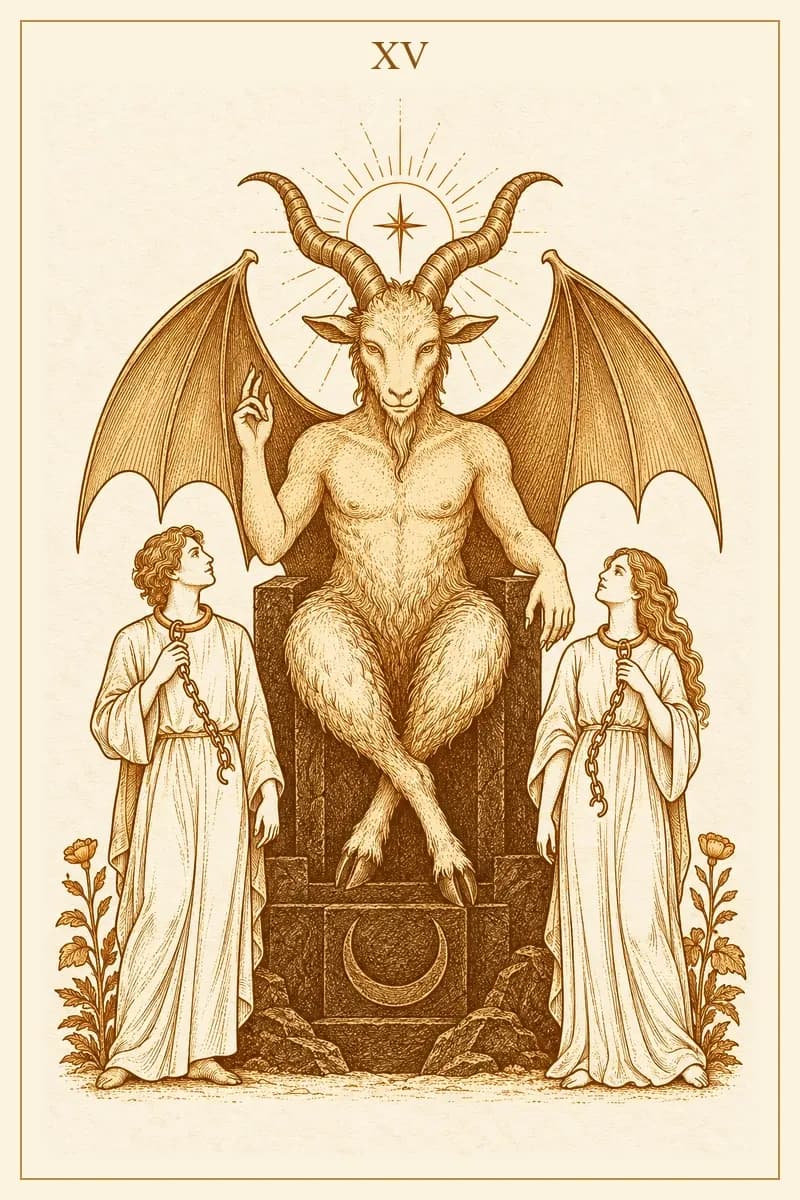
Toxic Power Games
Meaning of The Devil and Five of Swords Combination: Toxic Power Games
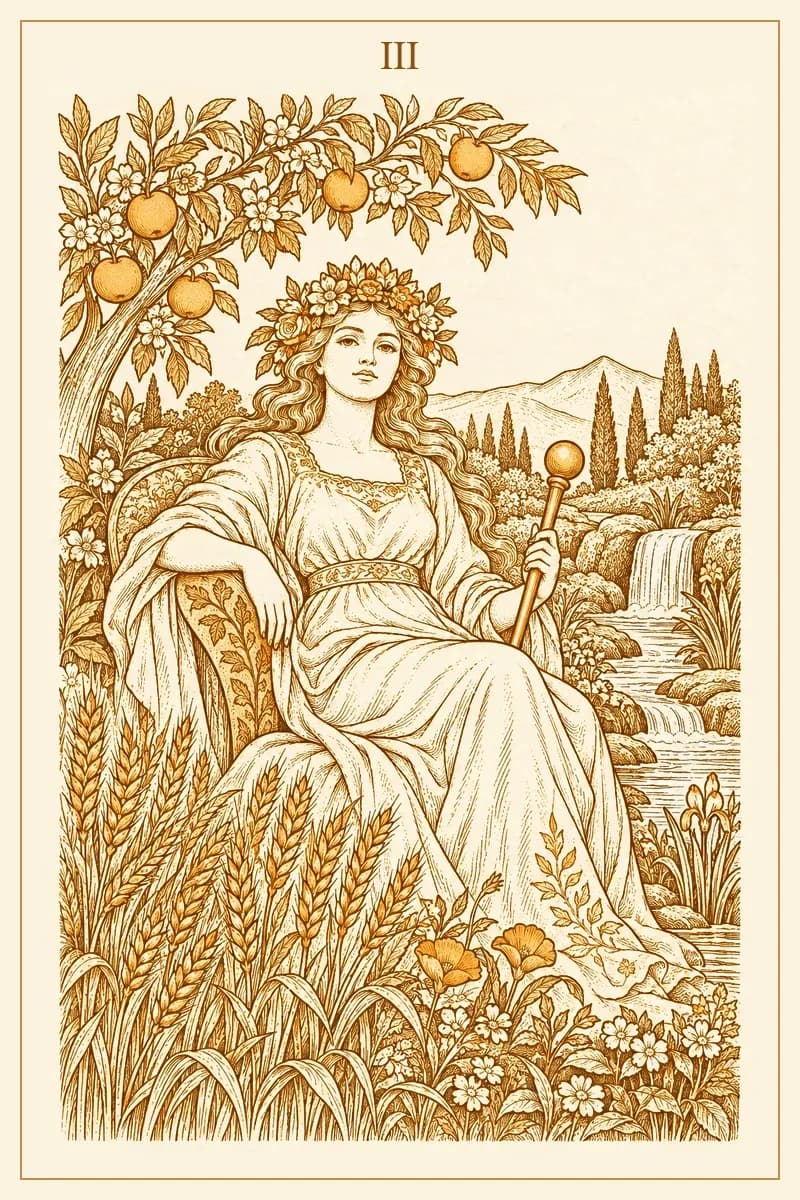
abundance meets withdrawal
Meaning of The Empress and The Hermit: Abundance Meets Solitude
pyrrhic authority
Meaning of The Emperor and Five of Swords: Winning at What Cost
✦ Bring it to the cards ✦
Bring The Hermit and Five of Swords into your own reading
Use this pairing as a starting point, then let a spread listen to the situation that is actually yours.
Begin a contextual reading