
Card Combination
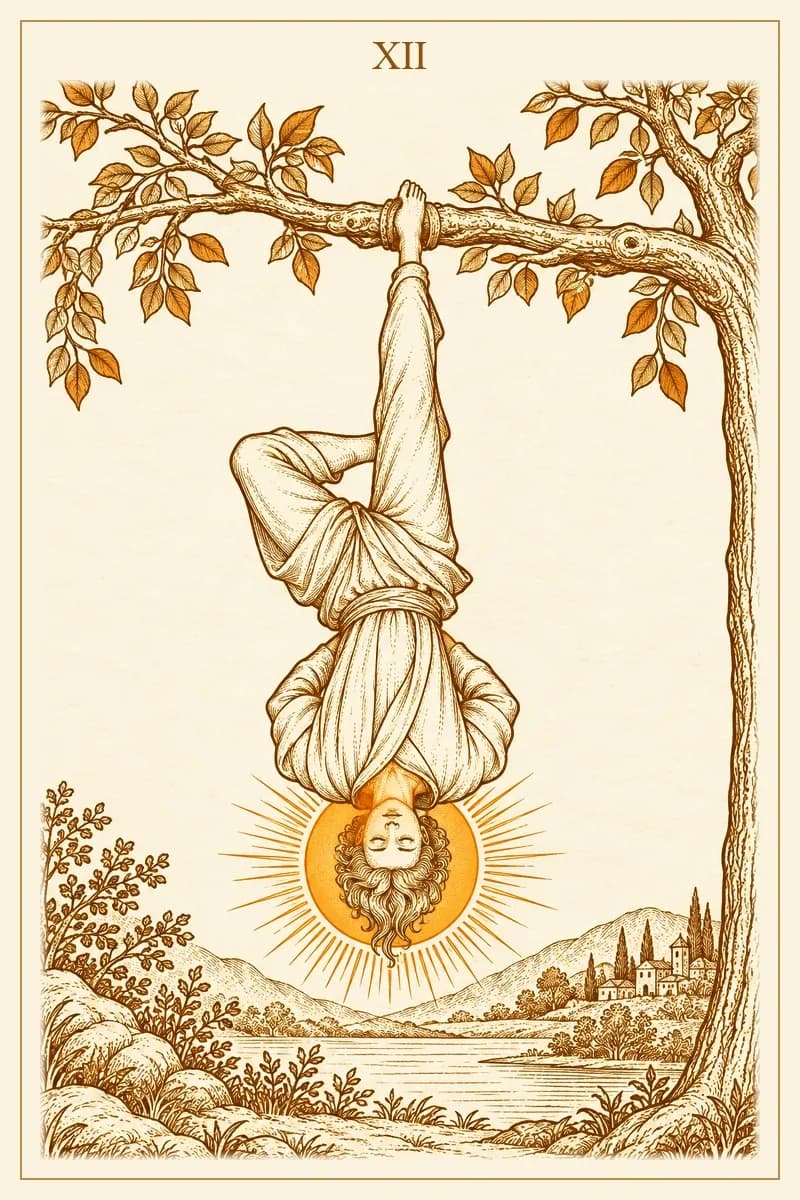
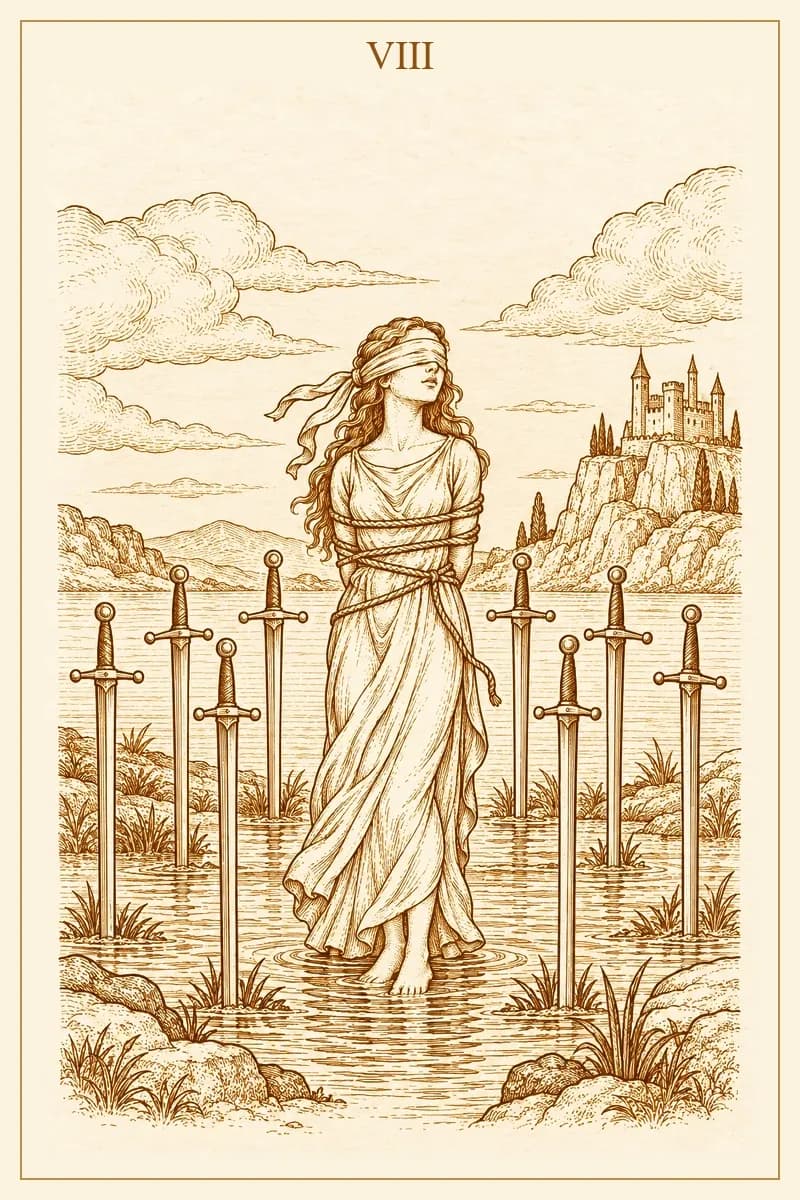
Meaning of The Hanged Man and Eight of Swords Combination: Stillness Inside the Trap
Voluntary paralysis
Picture someone who has figured out exactly how the lock works — the tumblers, the tension, the precise angle of the key — and still will not open the door. Not because they cannot. Because some part of them has decided that understanding the mechanism is enough, that turning the key would end the interesting problem. The Hanged Man is that person. The Eight of Swords is the room they have chosen to stay in.
The Hanged Man suspends himself by his own hand. He is not a prisoner; he is a practitioner of a peculiar discipline — waiting that looks like wisdom, stillness that can slide into avoidance if left unexamined. The Eight of Swords shows a figure blindfolded, ringed by blades, standing in soft ground where she could walk away if she removed the cloth from her eyes. Neither card shows chains. Both show a person held in place by something internal, not external. Put them together and you get a system in a kind of recursive loop: the mind analyzing its own paralysis, producing more analysis, producing more paralysis.
This is not a broken machine. A broken machine makes noise. This one runs perfectly, producing nothing but the sensation of running.
The Core Tension
The mechanical problem at the center of this combination is self-referential. The Hanged Man's gift is perspective — he sees the world differently because he removed himself from its momentum. The Eight of Swords' trap is perception — the blindfold makes the swords look like a cage when they are, in fact, passable. Layered together, the danger is that the Hanged Man's meditative distance gets borrowed by the Eight of Swords' fear and rebranded as enlightenment. "I'm not stuck; I'm processing" becomes the lubricant that keeps the gears turning without the machine going anywhere.
The genuine tension here is between insight and action. Insight without action is a gear spinning in neutral. Action without insight is a gear stripping its teeth. Neither card is asking for recklessness. Both are pointing at something more precise: the question of when the suspension period has served its purpose and the wrench needs to be turned.
Love & Relationships
In a relationship context, this combination often describes someone who has diagnosed the relationship's problems with remarkable clarity and done nothing with the diagnosis. They can describe the dynamic — how their partner's behavior triggers a specific withdrawal, how that withdrawal confirms their partner's fear of abandonment, how that fear produces the original behavior — like a technician reading a schematic. The map is accurate. The repair hasn't started.
If you are single, this pairing can indicate a person who understands their own patterns so thoroughly that they have pre-emptively ruled out connection. The logic is airtight. The loneliness is real. The blindfold here is the belief that understanding a wound is the same as having treated it.
Career & Purpose
At work, the Hanged Man and Eight of Swords together often surface around decisions that have been perpetually tabled. There is a project, a pitch, a career pivot that has been researched exhaustively — the components sourced, the tolerances calculated, the failure modes anticipated — and it sits on the bench, assembled but never switched on. The reason given is usually that more information is needed. The actual reason is that running the machine makes it possible for the machine to fail, and the Eight of Swords' blindfold is very good at making failure feel certain before it has been tested.
This combination can also appear when someone is in a role that no longer fits but has convinced themselves that the discomfort is something to be endured and examined rather than resolved.
Shadow Side
The shadow side of this pairing is that it can produce a sophisticated kind of inaction that feels, from the inside, like depth. The person caught here is rarely someone who lacks intelligence or self-awareness — they have both in abundance. The shadow is precisely that abundance: using analysis as a load-bearing structure, stacking insight upon insight until the weight of understanding becomes its own barrier. The Hanged Man's suspension, which began as a choice, calcifies. The Eight of Swords' blindfold, which was always optional, becomes habitual.
There is also a social shadow: this combination can make someone very good at counseling others while refusing the same logic applied to their own situation.
Action Steps
- 1Identify one decision you have been "researching" for more than three weeks and set a deadline — not for more information, but for a choice. The mechanism is understood enough.
- 2Practice removing one layer of the blindfold: write down the worst realistic outcome of the action you are avoiding, then write what you would actually do if that outcome happened. The swords rarely land where the fear says they will.
- 3Notice the difference between rest and stall. The Hanged Man rests with intention; the Eight of Swords stalls with fear. When you catch yourself pausing, ask which one is driving.
Related Pairings
Continue through published pairings that share The Hanged Man or Eight of Swords.
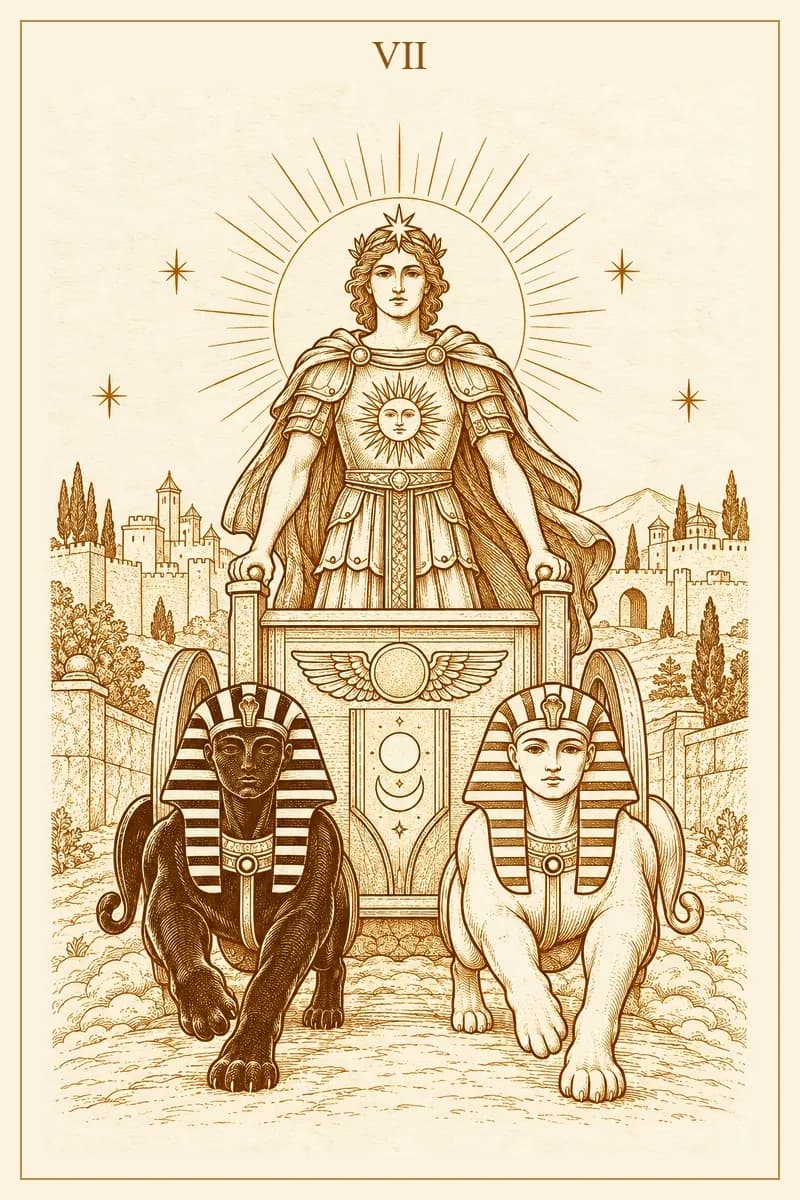
Momentum versus surrender
Meaning of The Chariot and The Hanged Man Combination: Momentum Meets Stillness
Willpower as trap
Meaning of The Chariot and Eight of Swords Combination: Trapped Victory
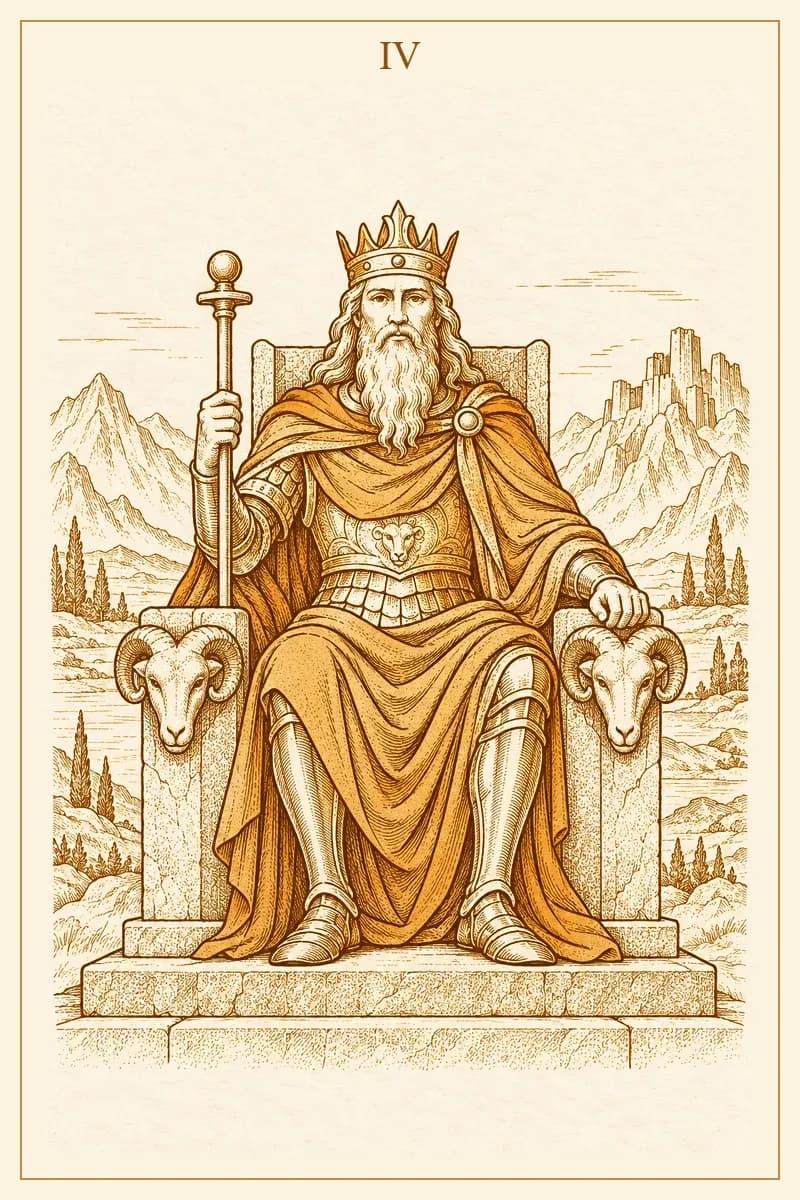
Control vs release
Meaning of The Emperor and The Hanged Man Combination: When Control Meets Surrender
Self-built prisons
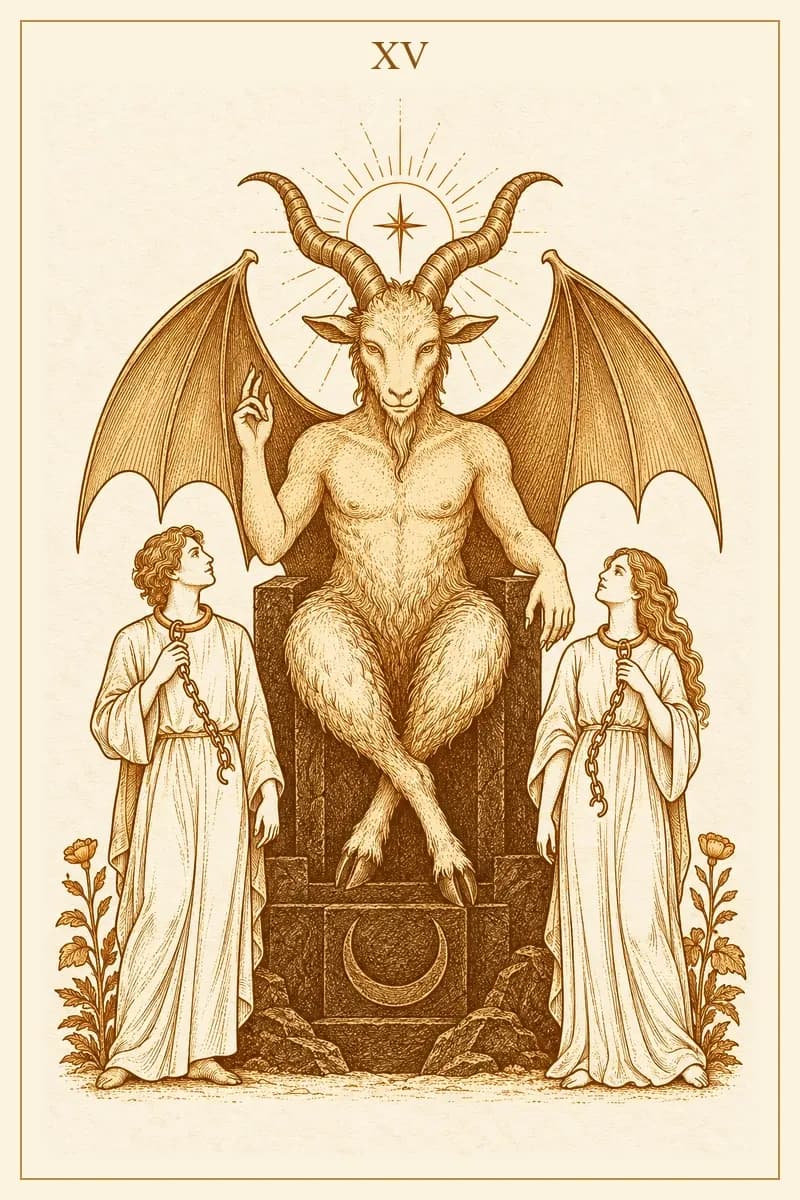
Meaning of The Devil and Eight of Swords Combination: Constructed Captivity
Fertile suspension
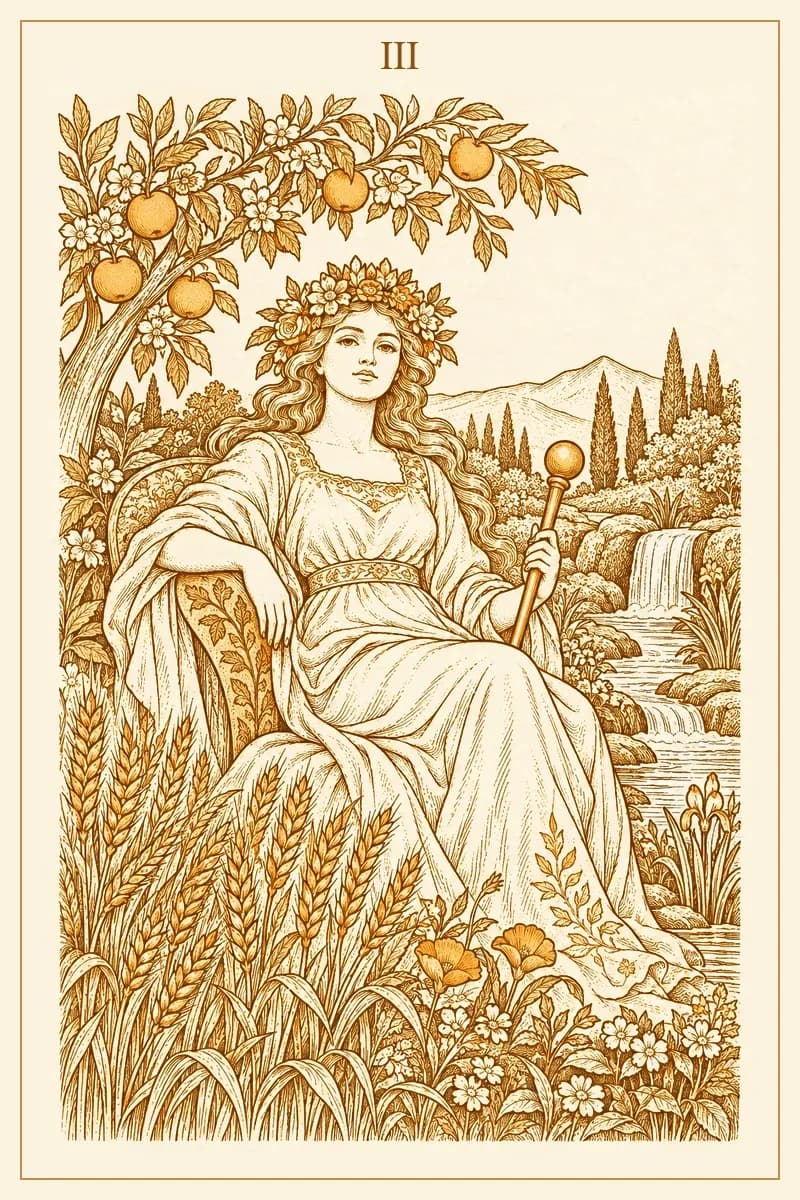
Meaning of The Empress and The Hanged Man Combination: Fertile Pause
Authority as cage
Meaning of The Emperor and Eight of Swords Combination: Trapped by Control
✦ Bring it to the cards ✦
Bring The Hanged Man and Eight of Swords into your own reading
Use this pairing as a starting point, then let a spread listen to the situation that is actually yours.
Begin a contextual reading