
Card Combination
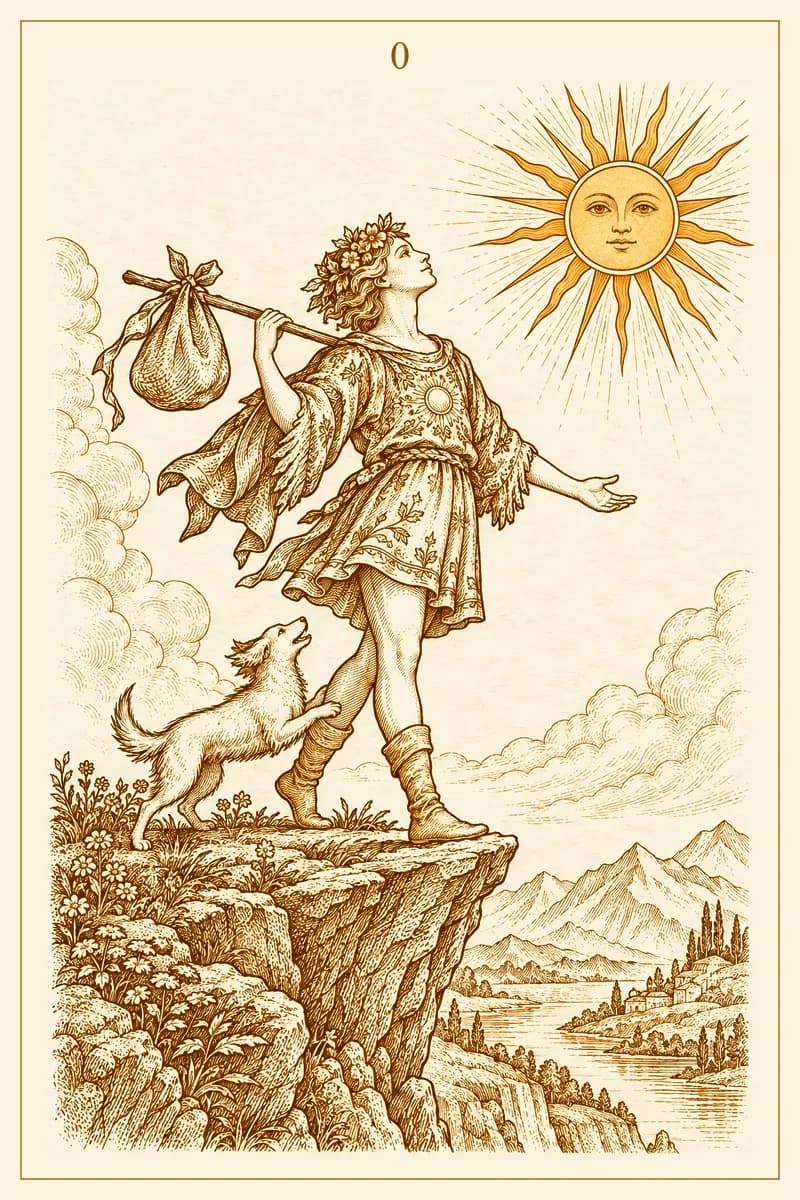
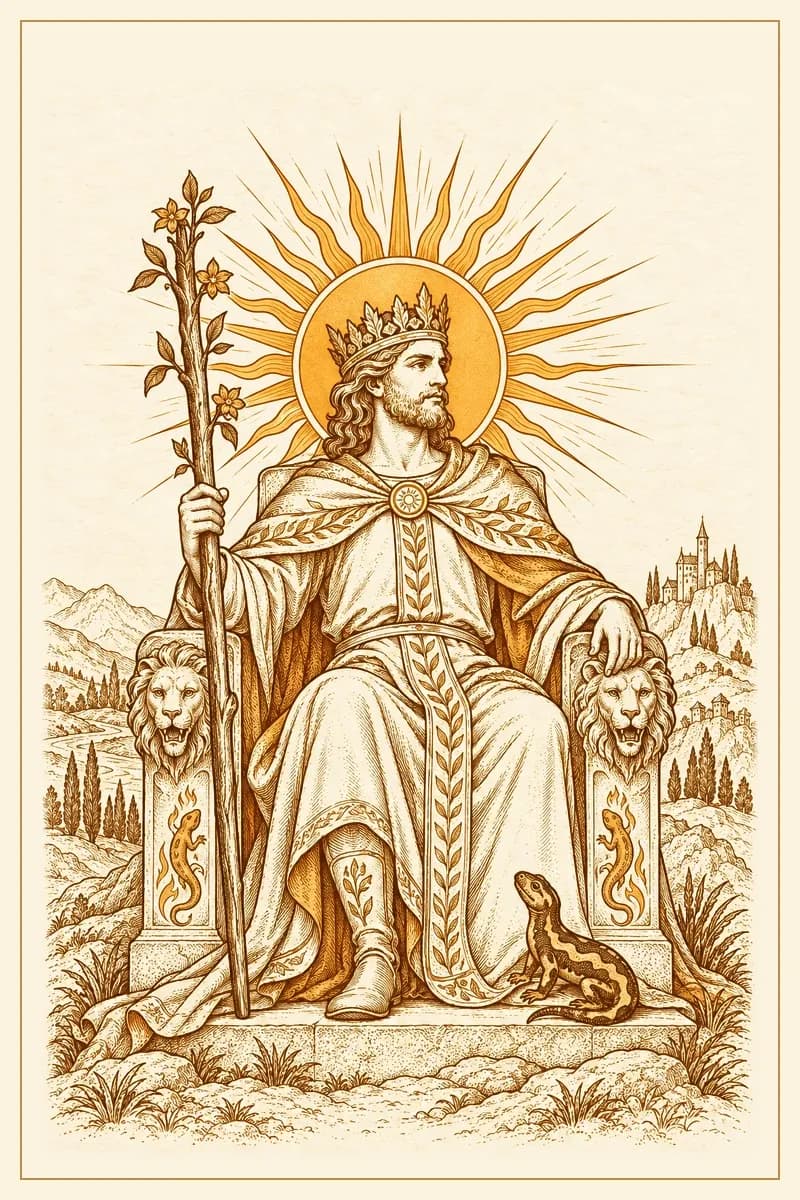
Meaning of The Fool and King of Wands Combination: Uncoached Audacity
Uncoached audacity
There is a coach who has never lost a championship. Twenty-three seasons, four different teams, a reputation that fills arenas before the first whistle blows. He knows the game like a surgeon knows anatomy — every tendon of strategy, every nerve of timing, every bone of personnel management honed through decades of deliberate, public winning. He walks into the gymnasium on a Tuesday in October and finds a teenager shooting free throws in the dark. No shoes. No form. The ball leaves her hand at an angle that violates every principle of biomechanics he has spent his career perfecting. It goes in. Every single time.
The King of Wands is the coach. The Fool is the barefoot shooter. And the tension between them is the oldest argument in competition: does mastery create greatness, or does greatness arrive before mastery has anything to say about it? The King commands through earned authority and contagious fire. The Fool carries no credentials, no ambition, no strategy — only an openness so total that talent has nowhere to hide.
The Core Tension
The King of Wands is a visionary who has learned to turn heat into direction. He is not merely passionate; he is passion with architecture. His fire has been tested, organized, and deployed across campaigns that demanded both inspiration and follow-through. He leads because people look at him and see someone who has already walked through what they fear. His charisma is not accidental. It is the byproduct of a thousand decisions made under pressure, each one reinforcing the authority of the next.
The Fool does not recognize authority. Not out of defiance — defiance requires something to push against. The Fool simply has no internal filing system for hierarchy. She walks past the trophy case without reading the names. She sits in the King's chair because it was empty and looked comfortable. This is not a rebellion. It is a void where deference would normally live, and into that void, something unexpected enters: a freedom the King lost somewhere around his fifth championship, when winning became identity instead of experience. The King organized fire. The Fool is fire before anyone organized it. The collision either produces something neither could build alone or destroys the structure the King spent decades constructing.
Love & Relationships
When these two energies meet in a relationship, one person carries the gravity of experience and the other carries none. The King of Wands in love is generous, commanding, and deeply invested in being the one who leads the dance. He chooses partners deliberately. He courts with intention. His warmth is real but channeled — a fireplace, not a wildfire.
The Fool does not know she is being courted. She responds to the King's grand gestures with a guilelessness that either charms him completely or unravels him, because the one thing a king cannot command is someone who doesn't understand what commanding means. The relationship thrives when the King discovers that being around someone who does not keep score allows him to stop keeping score himself. It fractures when the King needs recognition for his experience and the Fool cannot give what she does not conceptualize. Love here is an arena where the scoreboard has been removed. One partner finds that liberating. The other finds it disorienting.
Career & Purpose
Professionally, this pairing creates the dynamic of a seasoned executive encountering raw, untrained talent. The King of Wands builds empires. He hires strategically, delegates precisely, and carries the vision for an entire organization in his chest like a second heartbeat. The Fool walks into the interview without a resume and says something so accidentally brilliant that the King cancels his next three meetings.
The productive version of this combination is mentorship without domestication — the King providing structure while leaving enough room for the Fool's unfiltered instincts to breathe. The destructive version is a power struggle that neither person recognizes as such. The King tightens control because unmanaged talent frightens him. The Fool drifts away because structure feels like a jersey that doesn't fit. The best professional outcome happens when the King treats the Fool not as a subordinate to be shaped but as a phenomenon to be supported, and the Fool stays long enough to learn that discipline is not the opposite of freedom but its skeleton.
Shadow Side
The shadow emerges when charisma meets emptiness and neither notices the difference. The King's vision can become domination when it encounters someone with no defenses. The Fool's openness can become passivity when it stands next to someone with that much gravitational pull. A coach who mistakes a willing student for a blank canvas will paint over whatever was already there. A player who mistakes authority for wisdom will hand over her instincts to someone who cannot carry them.
The deeper shadow is mutual inflation — the King believing the Fool's talent validates his leadership, the Fool believing the King's attention validates her existence. Two people orbiting each other's reflection instead of standing on their own ground.
Action Steps
- 1Identify one area where you are following someone else's vision out of convenience rather than conviction, and spend thirty minutes clarifying what your own direction looks like without their influence
- 2Notice where you are leading others by force of personality alone and check whether the people following you are growing or simply complying
- 3Choose one collaboration where the power dynamic feels uneven and have a direct conversation about what each person actually needs from the other, without rehearsing your lines first
Related Pairings
Continue through published pairings that share The Fool or King of Wands.
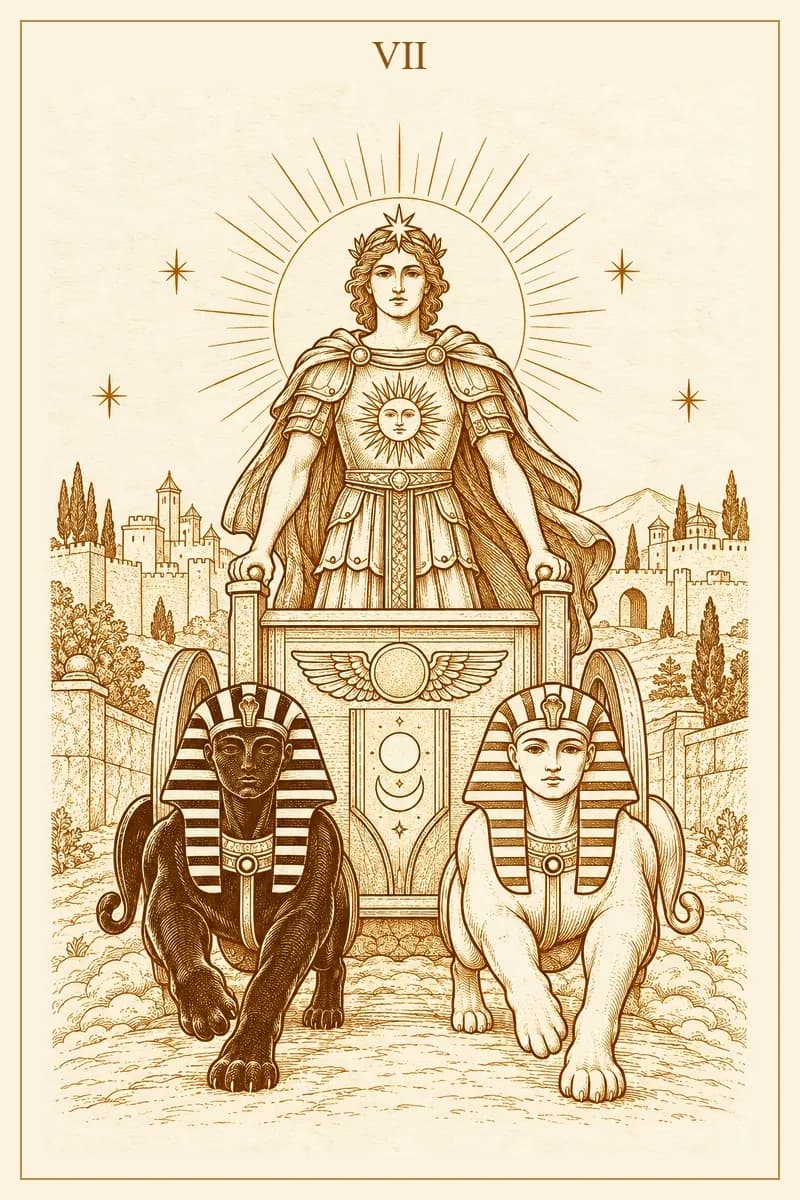
Reckless momentum
Meaning of The Fool and The Chariot Combination: Reckless Momentum
Controlled conquest
Meaning of The Chariot and King of Wands Combination: Fire With a Blueprint
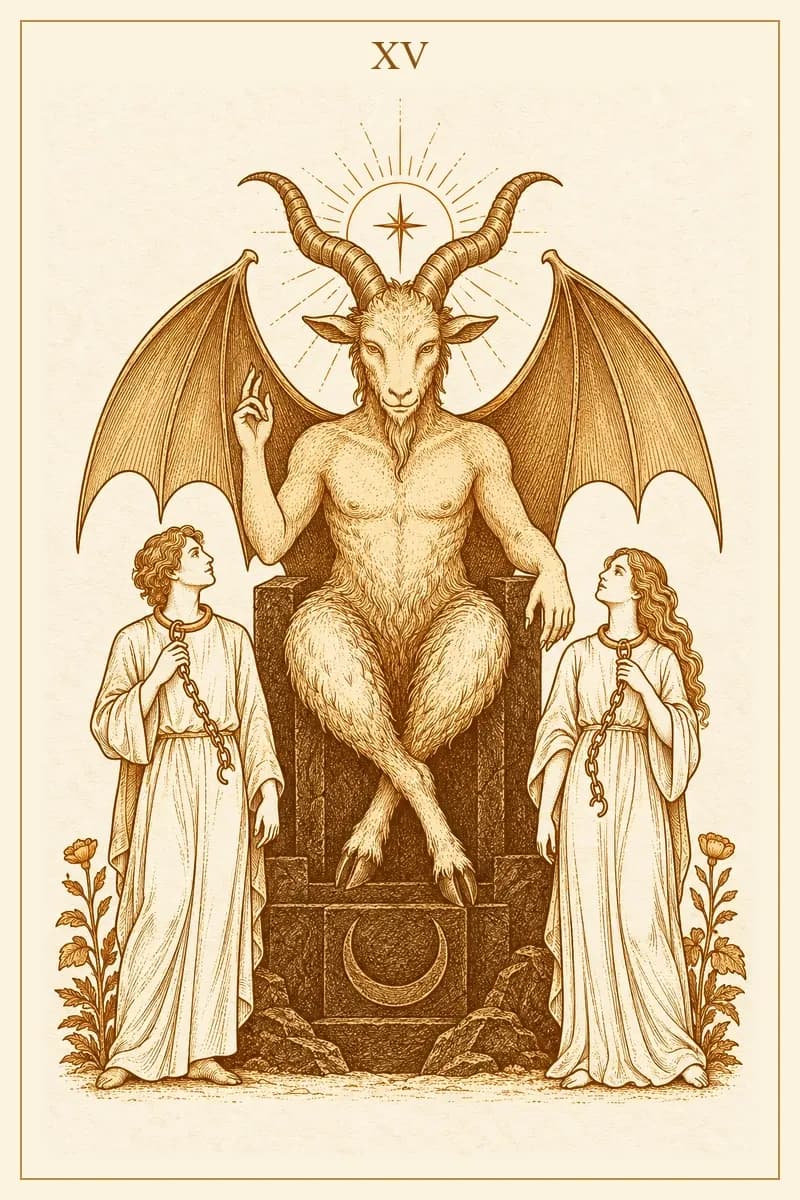
Innocence meets appetite
Meaning of The Fool and The Devil Combination: Innocence Meets Appetite
Ruthless vision
Meaning of The Devil and King of Wands Combination: Ruthless Ambition
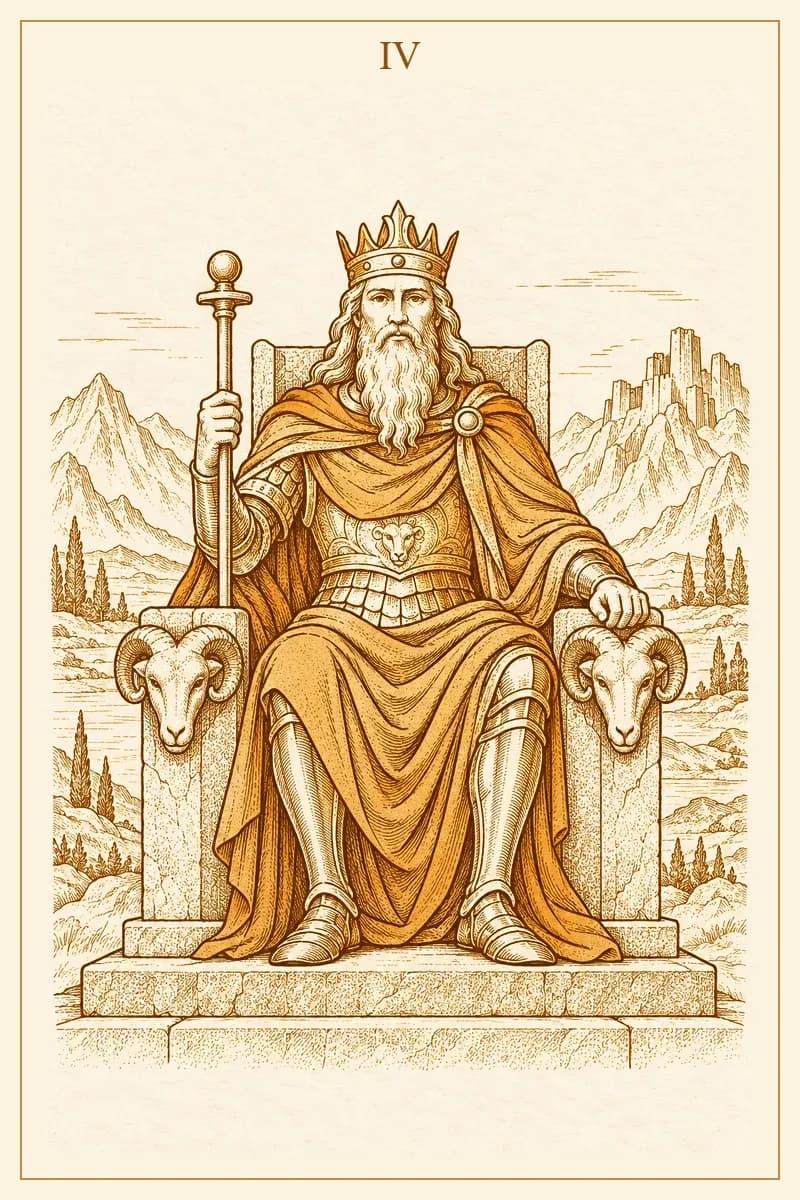
Structured freedom
Meaning of The Fool and The Emperor Combination: Structured Freedom
Aligned commanding power
Meaning of The Emperor and King of Wands Combination: Two Kings, One Kingdom
✦ Bring it to the cards ✦
Bring The Fool and King of Wands into your own reading
Use this pairing as a starting point, then let a spread listen to the situation that is actually yours.
Begin a contextual reading