Loading your view
The page is gathering the latest information.
The page is gathering the latest information.
Ending Births Beginning
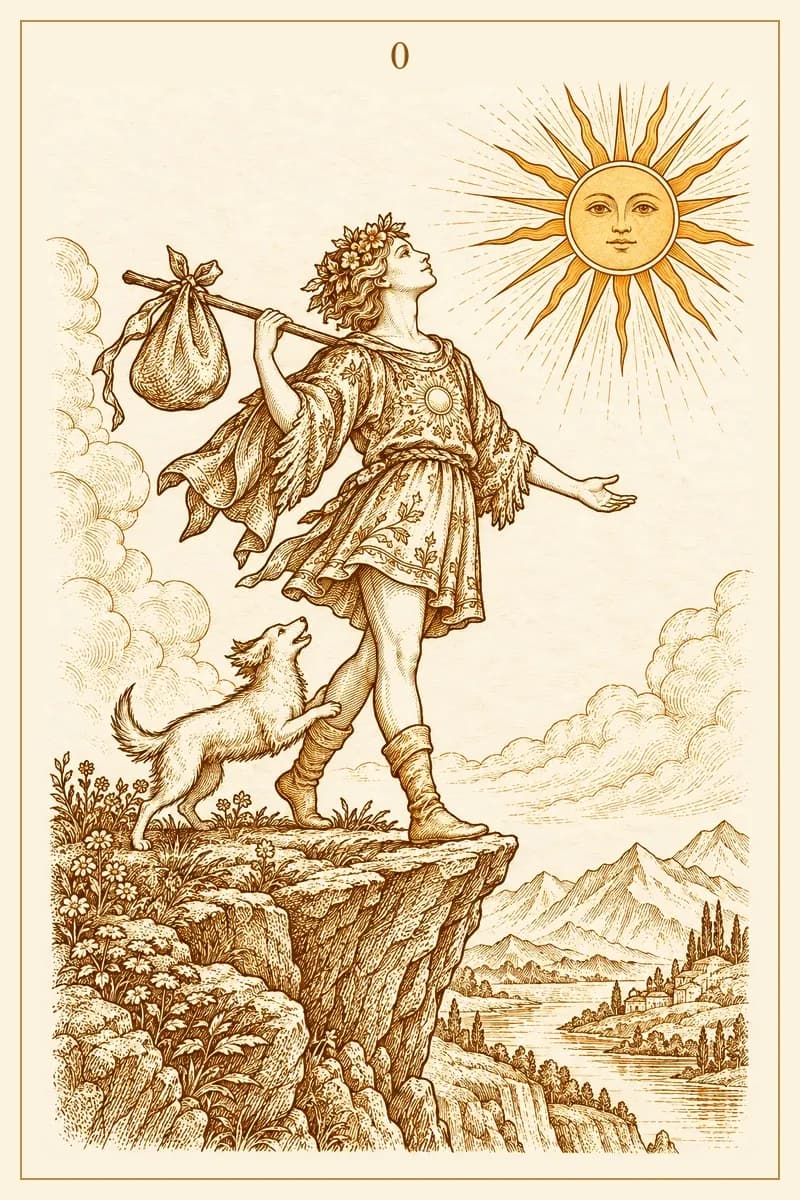
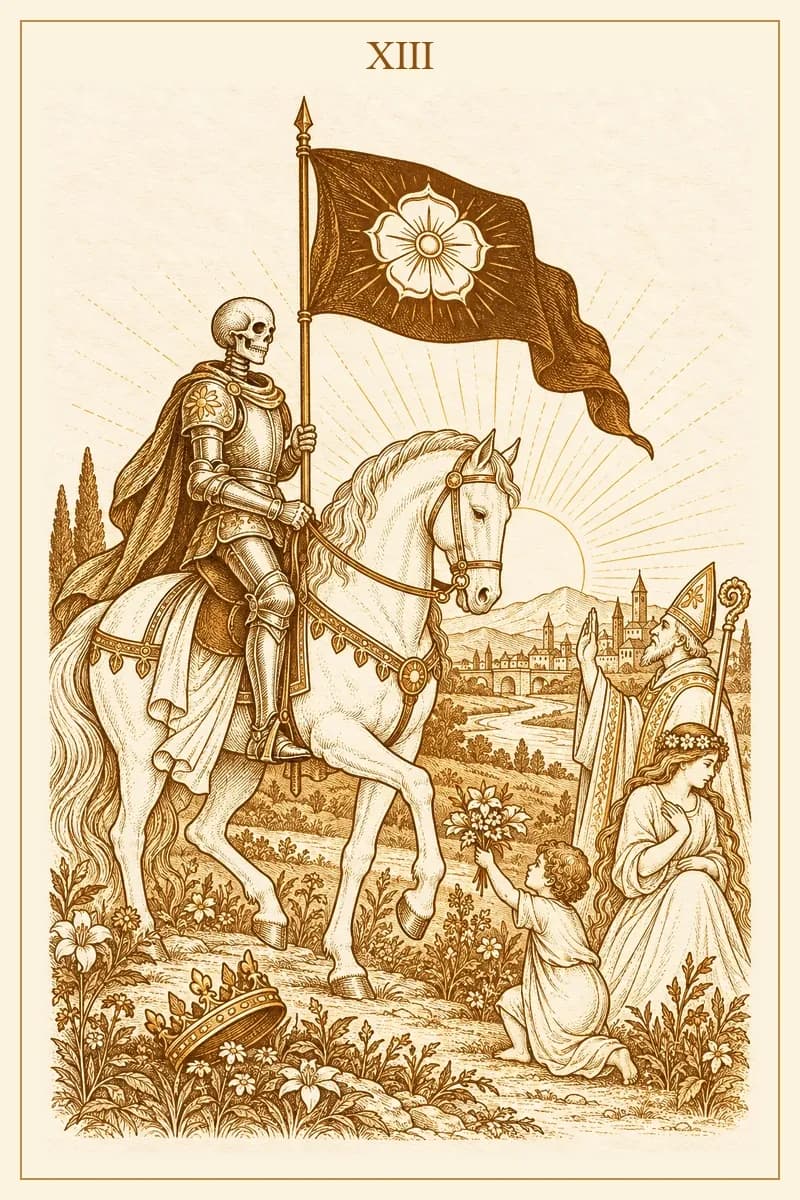
Most people misread this. They see the Fool—all lightness and open skies—next to Death's pale horse and white flag, and they flinch. They read disaster. They're wrong, but not in the way you might expect.
The Fool and Death aren't opposites. They're the same event viewed from different sides of the threshold. One stands before the door; one holds it open. Both are invitations to move through something you cannot bring your current self through intact.
This combination doesn't predict loss. It announces a particular kind of readiness—the point where the weight of what you're carrying has finally become heavier than the fear of putting it down.
Think of it as the turn of a season. Autumn doesn't fight with the new green that follows it. The tree doesn't resist losing its leaves because it understands—or operates as though it understands—that the dropping is the precondition for what comes next. Death works the same way. It isn't interested in what you lose. It's interested in what that loss makes possible.
The Fool brings urgency and velocity. Death brings inevitability and precision. Together, they describe a moment when moving forward is only possible by acknowledging that who you've been isn't coming with you. The friction isn't between life and death—it's between attachment and release. The Fool wants to leap; Death wants him to understand what he's leaping away from.
In relationships, this combination almost always marks a threshold. Not necessarily an ending—though sometimes that—but a genuine transformation of what the relationship is and what it requires of you.
The Fool brought the relationship into being through openness, spontaneity, a refusal to overthink. Death now points to what that beginning has grown into, and whether the version of yourself who started this can carry it forward. Often it can't—not because the relationship is wrong, but because the person you need to be inside it has changed.
The shadow lives in premature exits. The Fool, when frightened, mistakes transformation for ending and leaves before the new thing can form. Death doesn't ask you to leave. It asks you to let the previous version of the relationship die so that a more honest version can begin.
Professionally, The Fool and Death together mark the moment a role, a project, or an identity has run its natural course. The Fool started it with full energy and authentic enthusiasm. Death is pointing to the natural end of that particular arc.
This isn't failure. Seasonal death in nature isn't failure—it's the mechanism that makes spring possible. The professional sabotage is trying to maintain something past its organic end through sheer Fool energy: more effort, more enthusiasm, more pivoting. When Death appears alongside The Fool, the thing that needs releasing is usually something you've been proud of. That's precisely what makes it hard.
The lie this pairing enables: *if I don't acknowledge the ending, it hasn't happened.* The Fool's gift—forward motion, refusal to dwell—becomes the mechanism for denial. You can keep moving, keep starting new things, keep being enthusiastic, while underneath, something that needed to be properly grieved is going unprocessed.
Death's demand is not for grief in the sentimental sense. It's for honesty about completion. Something is done. Name it as done. This is what the combination insists on, and it's harder than it sounds because The Fool is very good at reframing endings as detours.
Keep or share this combination reference
Continue through published pairings that share The Fool or Death.
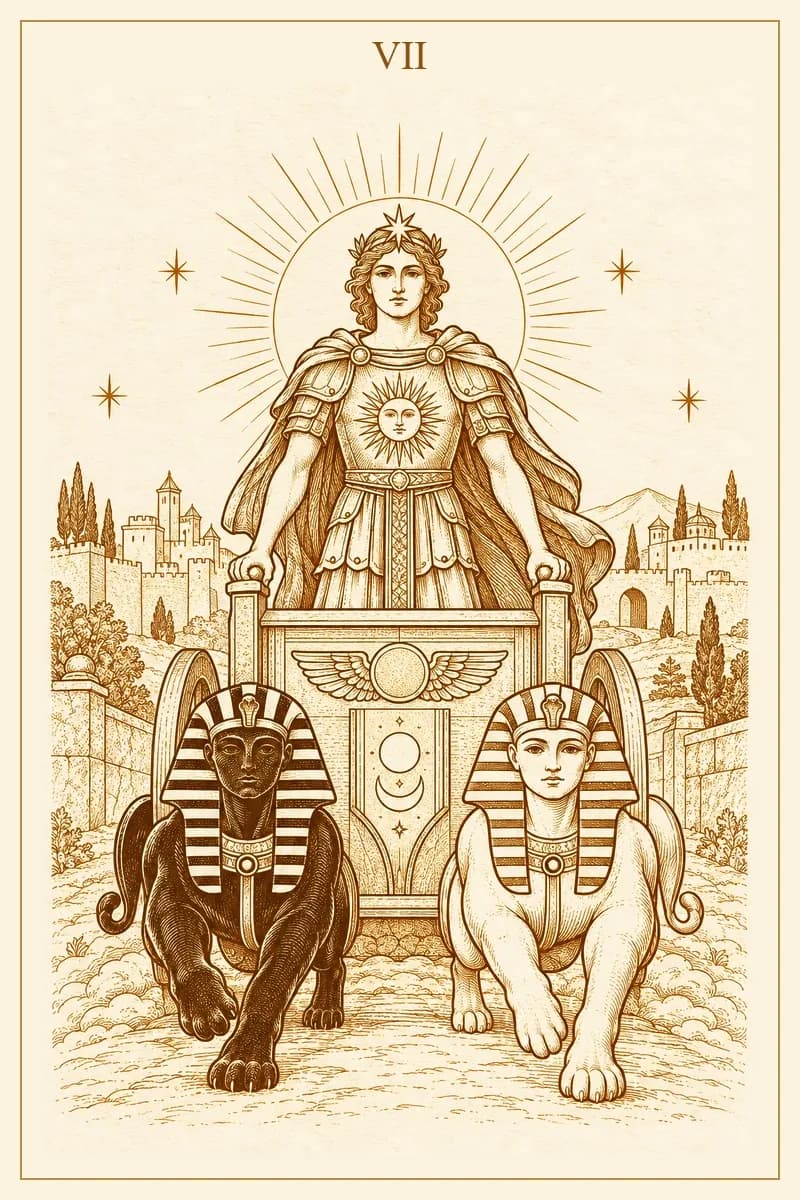
Reckless Momentum
driven transformation
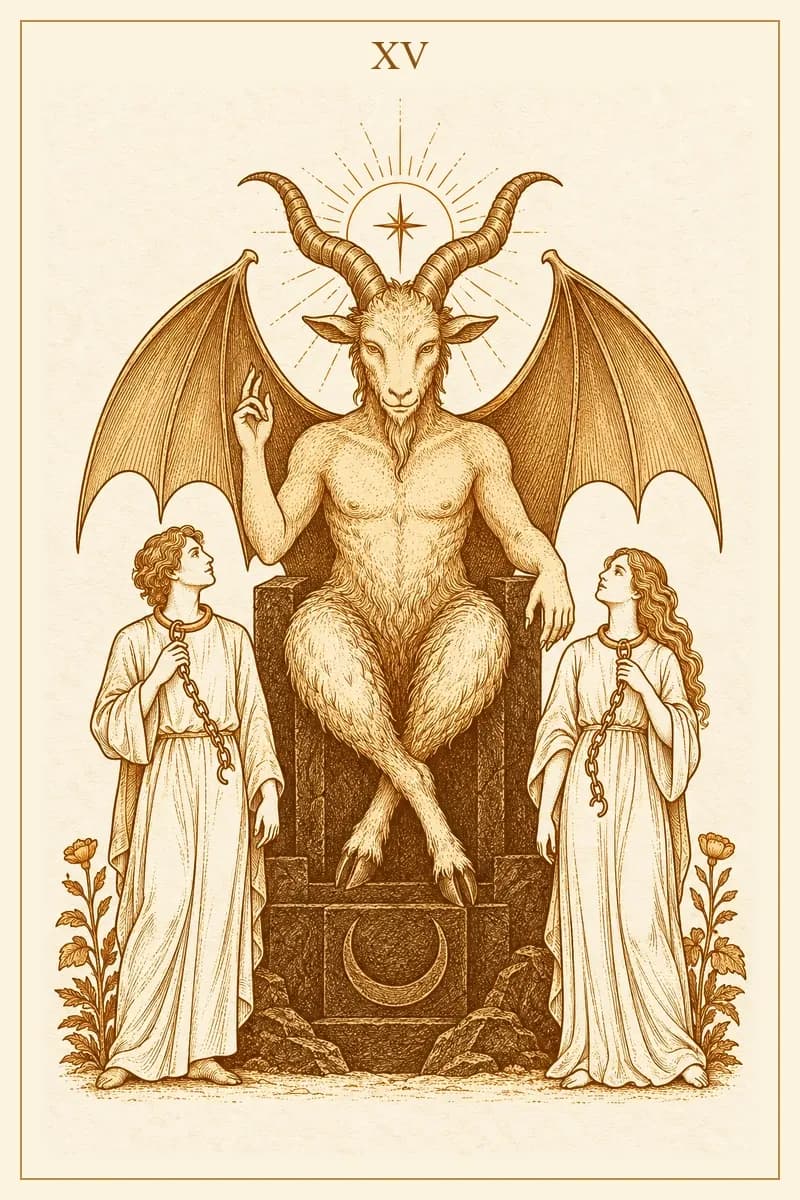
Innocence Meets Appetite
Forced Liberation
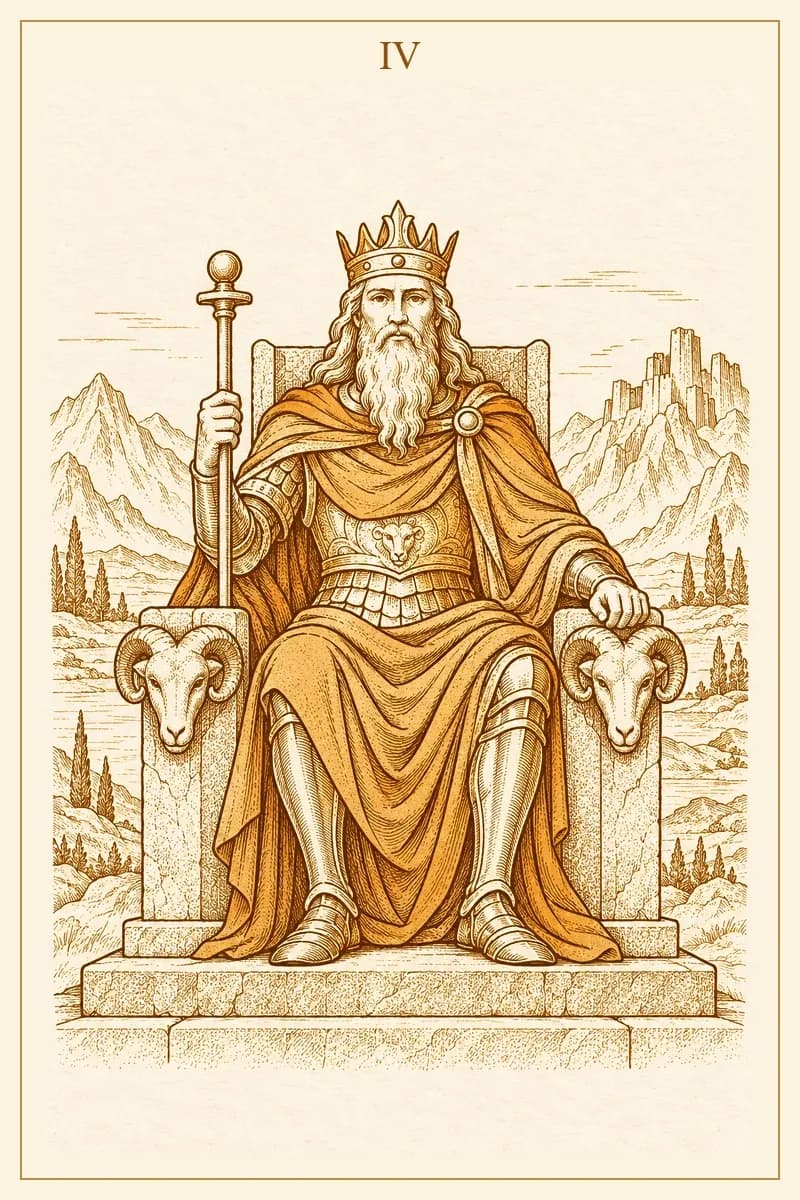
Structured Freedom
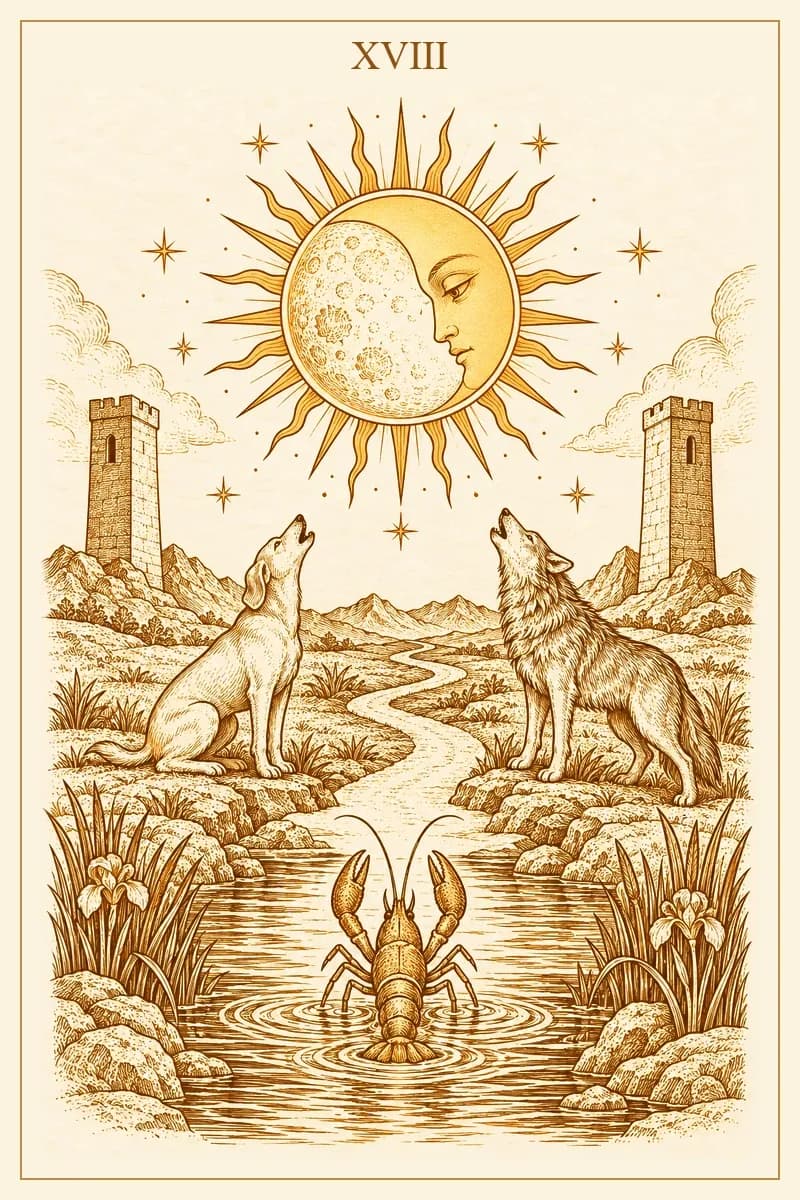
Hidden Transformation
✦ Bring it to the cards ✦
Use this pairing as a starting point, then let a spread listen to the situation that is actually yours.
Begin a contextual reading