Loading your view
The page is gathering the latest information.
The page is gathering the latest information.
Bound abundance
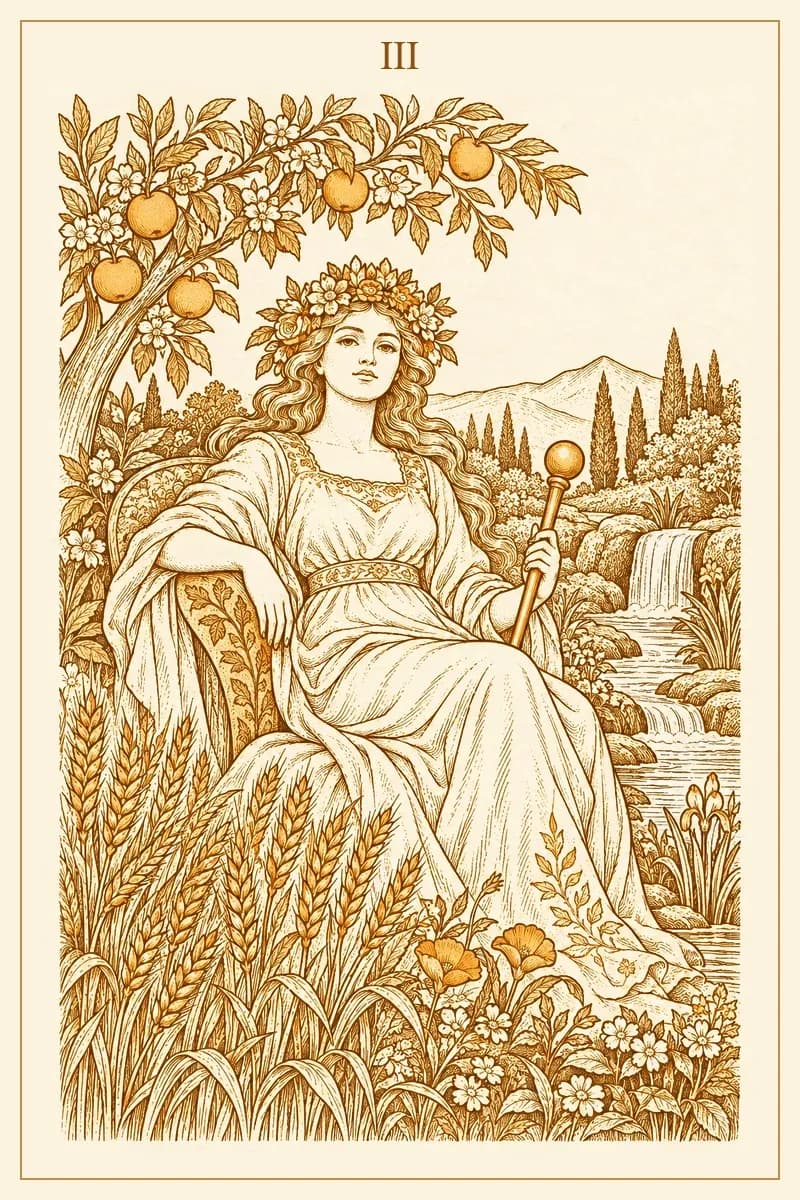
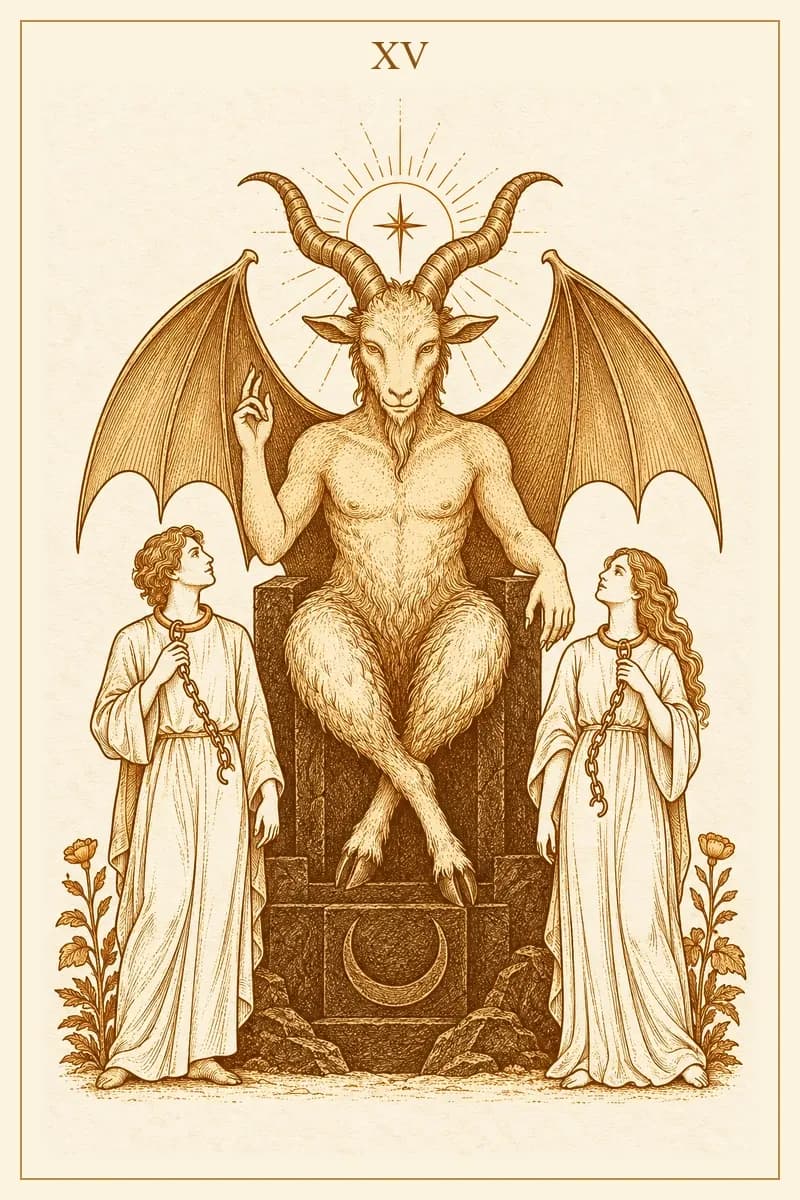
One card is all generosity—the abundant mother whose garden overflows, whose table is always set, whose presence fills a room with warmth. The other is all bondage—the horned figure whose chained subjects could leave but have forgotten they can. What they share, and what makes their combination so revealing, is the body. The Empress is the body's wisdom; The Devil is the body's captivity. Together they raise the question that neither alone can ask: when does what you love hold you prisoner?
The Empress represents everything that grows, nourishes, and delights—sensory pleasure, creative abundance, physical comfort, the fertile richness of a life that honors what the body knows. These are genuine goods. The problem The Devil names is not that these goods exist but that they can be clung to in ways that prevent the freedom required for genuine life. The chain that The Devil's figures wear is loose enough to remove. The question the pairing asks is why they haven't.
A cook who knows their craft deeply understands the difference between flavor that nourishes and flavor that overwhelms—between the amount that satisfies and the amount that cannot stop, because stopping would mean facing something else. The Empress and The Devil together point precisely at that distinction: the difference between genuine pleasure and pleasure that has become compulsive, between abundance and excess that exists to avoid rather than to enjoy.
The Empress's energy is inherently generous and outward-flowing. She creates, she tends, she nourishes. The Devil's energy is possessive and binding—not necessarily malicious, but clinging. The tension in this combination is between authentic creative and sensory life and the versions of those things that have become addictive.
The productive reading is diagnostic rather than condemnatory. Something that was once genuine pleasure—a relationship, a creative practice, a form of comfort, an aesthetic experience—has quietly shifted into something you cannot choose your relationship with anymore. You are not enjoying it; you are dependent on it. The Empress's gifts are real. The question is whether you are choosing them freely or whether the choosing has long since been replaced by compulsion.
This is subtle territory because the surface feels like more of something good. More nourishment, more pleasure, more of what you love. Only when you try to pause does the bind reveal itself.
In relationships, The Empress and The Devil together describe entanglement. There is genuine love here—probably genuine passion, genuine warmth, the real Empress qualities of care and nourishment and sensory richness. But something has also become a bind. You are staying not entirely from choice but from the fear of what the leaving would cost.
The question this combination poses is not whether the relationship has value—it likely does—but whether you are free within it. Whether you can honestly assess what it is rather than what you need it to be. The Devil's figures are not imprisoned by their partner's cruelty; they are imprisoned by their own unwillingness to see the relationship clearly.
For those in the early stages, the combination warns against the intoxication of Empress energy becoming an unconscious chain before the relationship can be genuinely chosen.
Professionally, The Empress and The Devil can appear around work that has become compulsive rather than creative. The creative practice that was once a source of genuine aliveness has become something you cannot stop without anxiety—not because it sustains you but because stopping is intolerable.
Or it can appear around material abundance itself: money, security, the physical trappings of a successful professional life that have become needs so profound that they are making choices for you. The Empress's material gifts are real goods. The Devil asks whether the goods are yours or whether you are theirs.
The most direct shadow here is the romanticization of dependency. The Devil's figures are not unhappy—they look content in their chains. The Empress's warmth can make what is actually an unhealthy bind feel like love. Intensity is not depth. Need is not connection. Inability to leave is not the same as choosing to stay.
The reverse shadow is the rejection of genuine pleasure and abundance out of fear of becoming attached. Not everything that feels good is a trap. The Devil names compulsion, not the Empress herself.
Keep or share this combination reference
Continue through published pairings that share The Empress or The Devil.
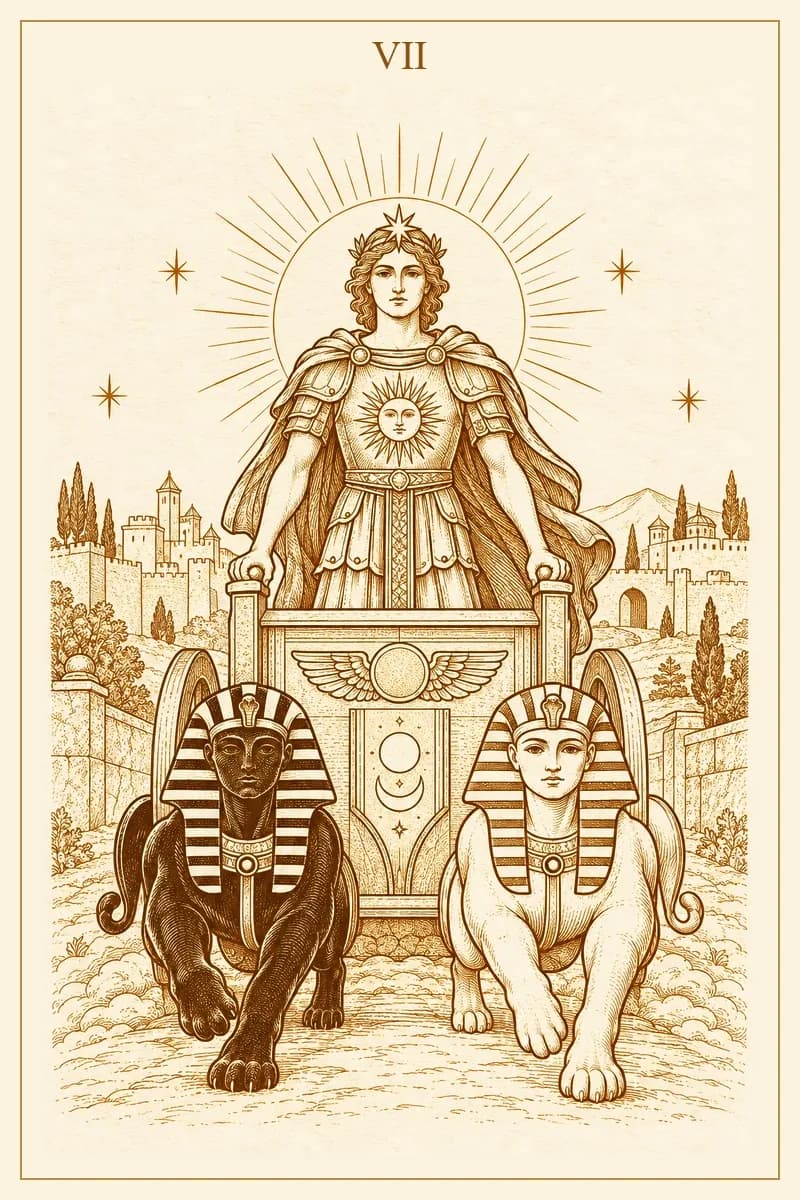
creative momentum
ambition vs obsession
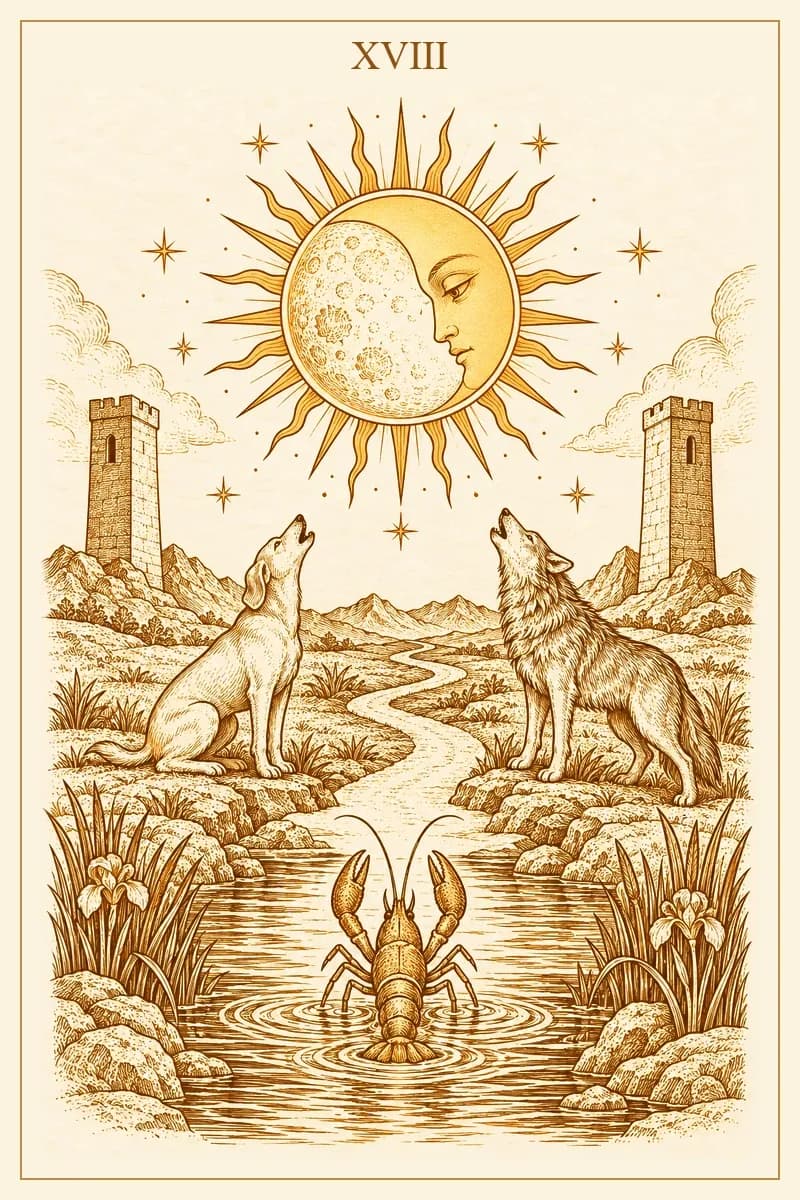
hidden compulsion
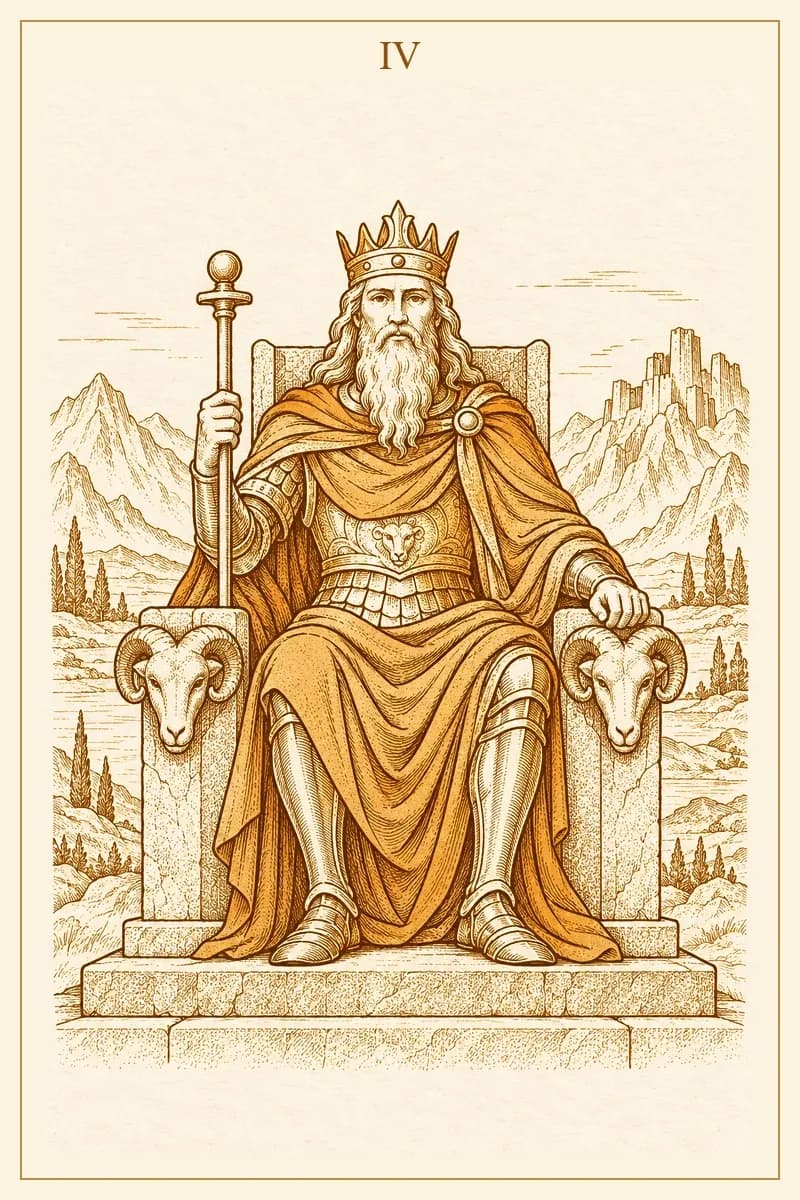
nature and structure united
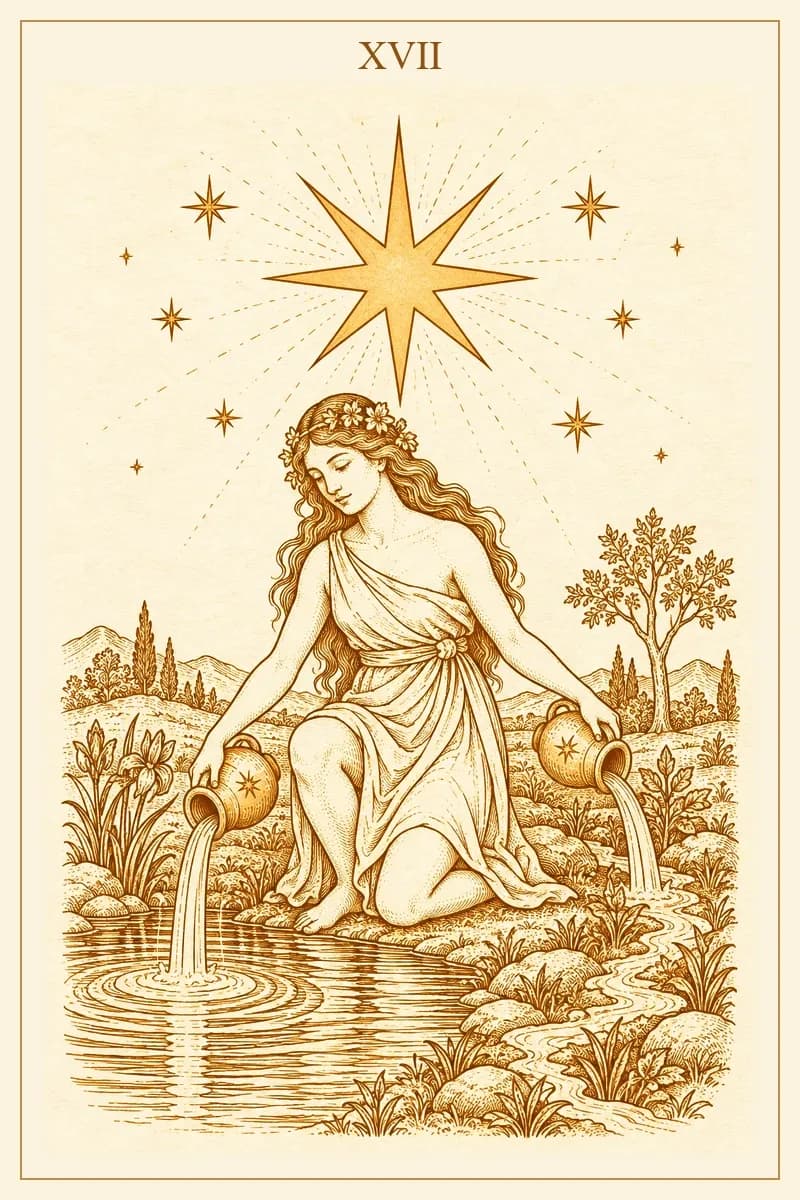
bondage versus healing
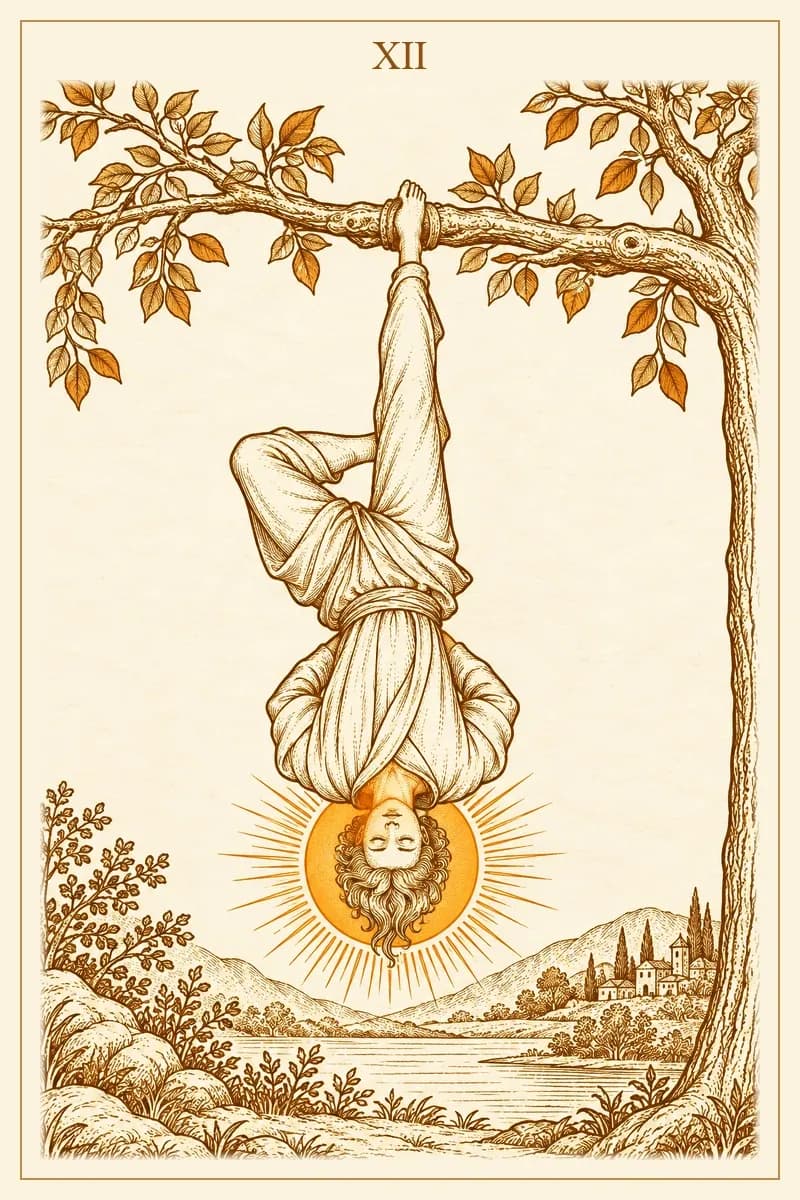
fertile suspension
✦ Bring it to the cards ✦
Use this pairing as a starting point, then let a spread listen to the situation that is actually yours.
Begin a contextual reading