
Card Combination

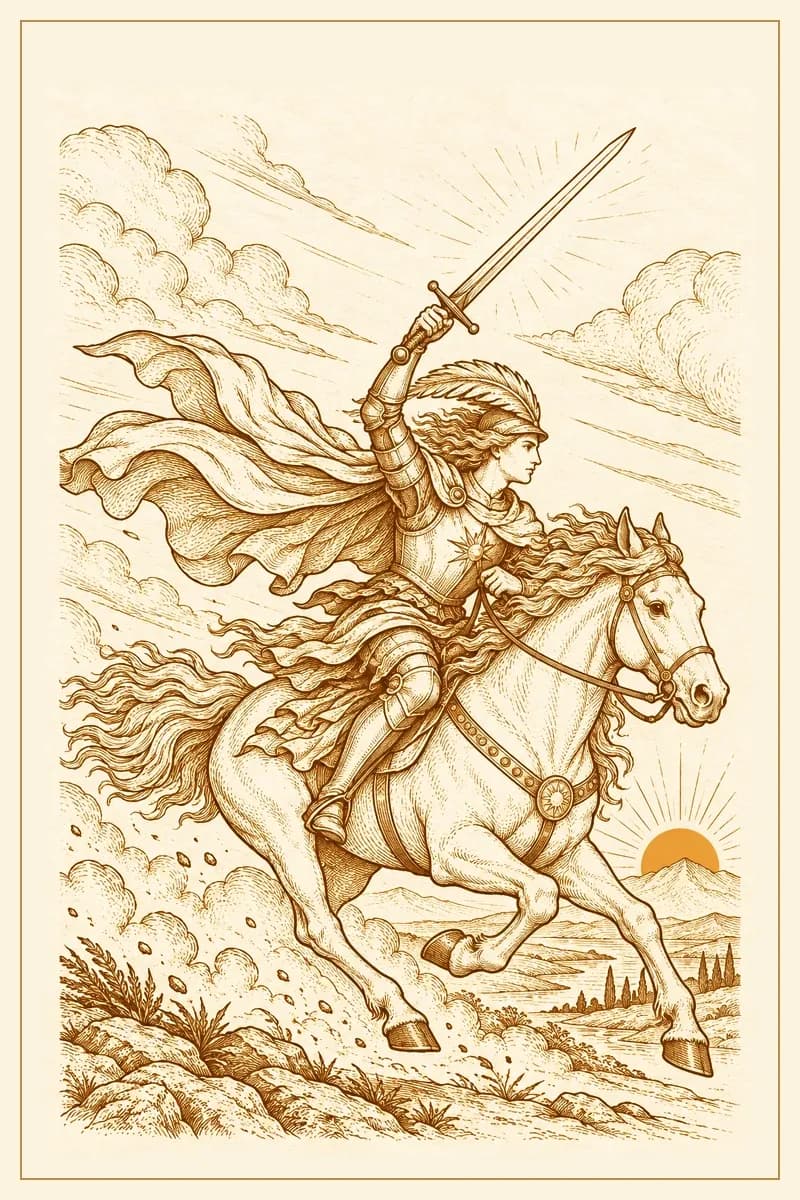
Meaning of The Emperor and Knight of Swords Combination: Command Meets Charge
Authority vs. impulse
The orders have already been given. The campaign map is spread across the table, the general's finger pressed hard against the target. But somewhere outside the tent, a knight has already mounted his horse and is riding full tilt toward the enemy lines — without waiting for the signal.
That is the energy of The Emperor and the Knight of Swords in the same reading. Authority is present, structure is in place, and yet something — someone — is moving faster than the plan allows. The question is not whether the charge will happen. It already has. The question is whether it will be catastrophic or brilliant.
Both cards carry the element of Air and the force of will. The Emperor rules through constructed order; the Knight of Swords cuts through obstacles with pure velocity. When they appear together, you are standing at the intersection of command and momentum, and the road ahead demands you understand which one is driving.
The Core Tension
The Emperor is a strategist. He builds walls before he breaches them. He does not move until he understands the terrain, the supply lines, the weather. The Knight of Swords has no patience for any of that. He moves because movement is its own justification — because hesitation feels like defeat before the battle starts.
Together, they create a volatile pairing: the structured mind and the reactive one, the blueprint and the blade. The tension is productive only when one subordinates to the other. An Emperor who cannot channel his Knight becomes rigid, outmaneuvered by faster opponents. A Knight who ignores his Emperor becomes reckless, winning skirmishes while losing wars.
This combination often appears when you are caught between a long-term plan and an urgent opportunity — or an urgent threat. The structure you've built is real and worth protecting. But the moment demanding your attention is also real. Neither card is wrong. The conflict is about sequence.
Love & Relationships
In relationships, this pairing shows up as a clash between someone who wants to define the relationship clearly — boundaries, expectations, long-term direction — and someone who wants to move at speed, say what they feel, escalate before the ground is stable.
If both energies live inside you, it may look like this: you want commitment and clarity, but you keep making declarations before the other person is ready, or pushing conversations that derail rather than build. The impulse to say the true thing right now is real. The Emperor in you also knows timing matters.
If these energies represent two people, the dynamic can be exhilarating but exhausting. One person wants to establish what this is; the other keeps moving forward on assumptions. Without a direct conversation about pace and expectation, the Knight's energy will eventually outrun the Emperor's patience.
Career & Purpose
This is a high-performance pairing at work — capable of extraordinary output, and equally capable of spectacular collapse. The Emperor side wants a clear org chart, defined responsibilities, measurable outcomes. The Knight of Swords wants to cut red tape, sprint past slow processes, and deliver results yesterday.
When aligned, this combination produces leaders who move with unusual speed and still maintain accountability. When misaligned, it produces the manager who gives brilliant strategy and the team member who ignores all of it in favor of instinct — and both of them are convinced they are right.
Watch for situations where speed is being confused with progress. A fast decision that skips essential review is not efficient — it is expensive later.
Shadow Side
The dark side of this combination is authoritarianism meeting aggression. The Emperor's shadow is control for its own sake; the Knight's shadow is conflict for its own sake. Together, they can produce someone who is domineering and combative — someone who confuses being right with being loud and being in charge with being correct.
There is also a subtler shadow: the exhaustion of maintaining both energies. Always commanding, always charging. No rest, no softness, no room to reconsider. This combination at its worst is someone who cannot stop winning long enough to understand what they actually want.
Action Steps
- 1Before acting on the Knight's urgency, spend ten minutes mapping the Emperor's question: what structure does this decision need to respect?
- 2Identify one place where you have been using speed to avoid a harder, slower conversation — and begin that conversation instead.
- 3Review your current commitments and cut one that is stretching your command capacity too thin; the Knight cannot charge effectively if the Emperor is already overextended.
- 4The Emperor and the Knight of Swords are not opposites — they are the same force at different speeds. The challenge is not choosing one over the other. It is learning to give each its moment. The Emperor sets the field. The Knight takes it. Get that sequence right, and this combination is nearly unstoppable.
Related Pairings
Continue through published pairings that share The Emperor or Knight of Swords.
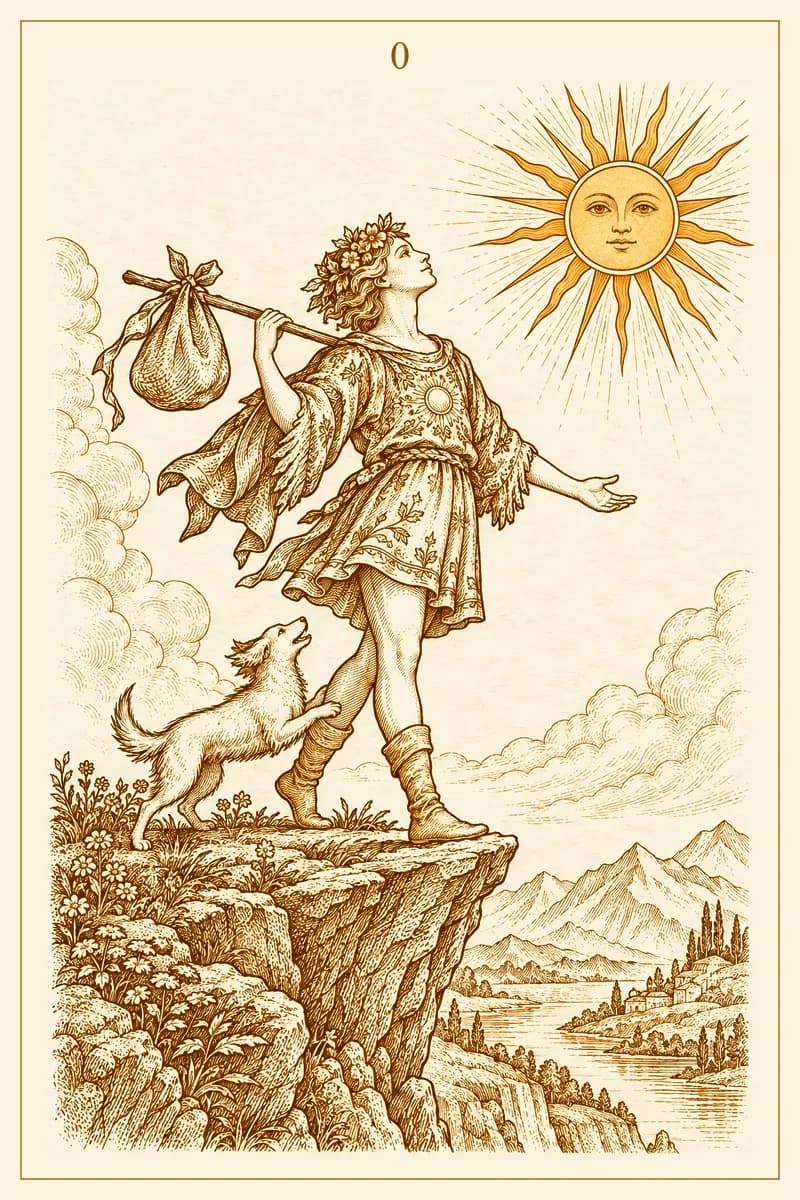
Structured freedom
Meaning of The Fool and The Emperor Combination: Structured Freedom
Unconditioned openness encountering aggressive intellectual momentum
Meaning of The Fool and Knight of Swords Combination: Reckless Meets Relentless
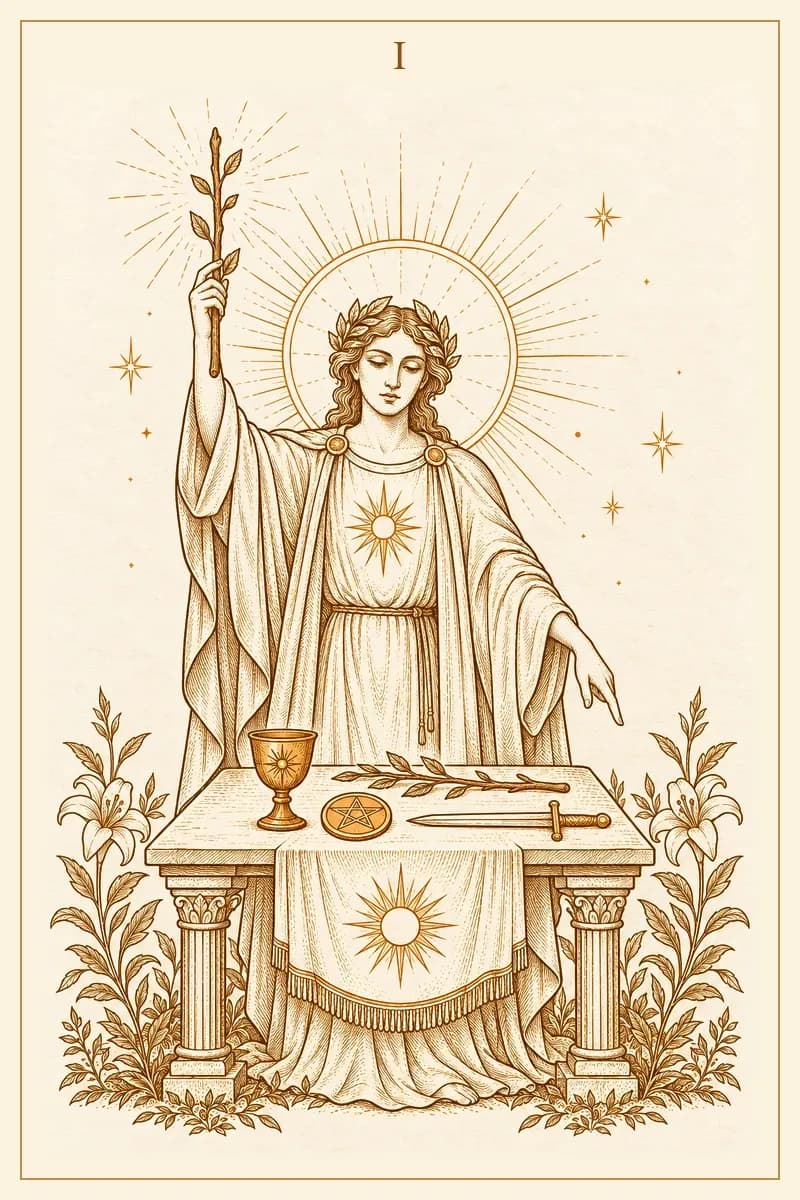
Disciplined mastery
Meaning of The Magician and The Emperor Combination: The Architect of Command
Deliberate strategy confronting unrestrained speed
Meaning of The Magician and Knight of Swords Combination: Strategy Meets the Charging Cavalry
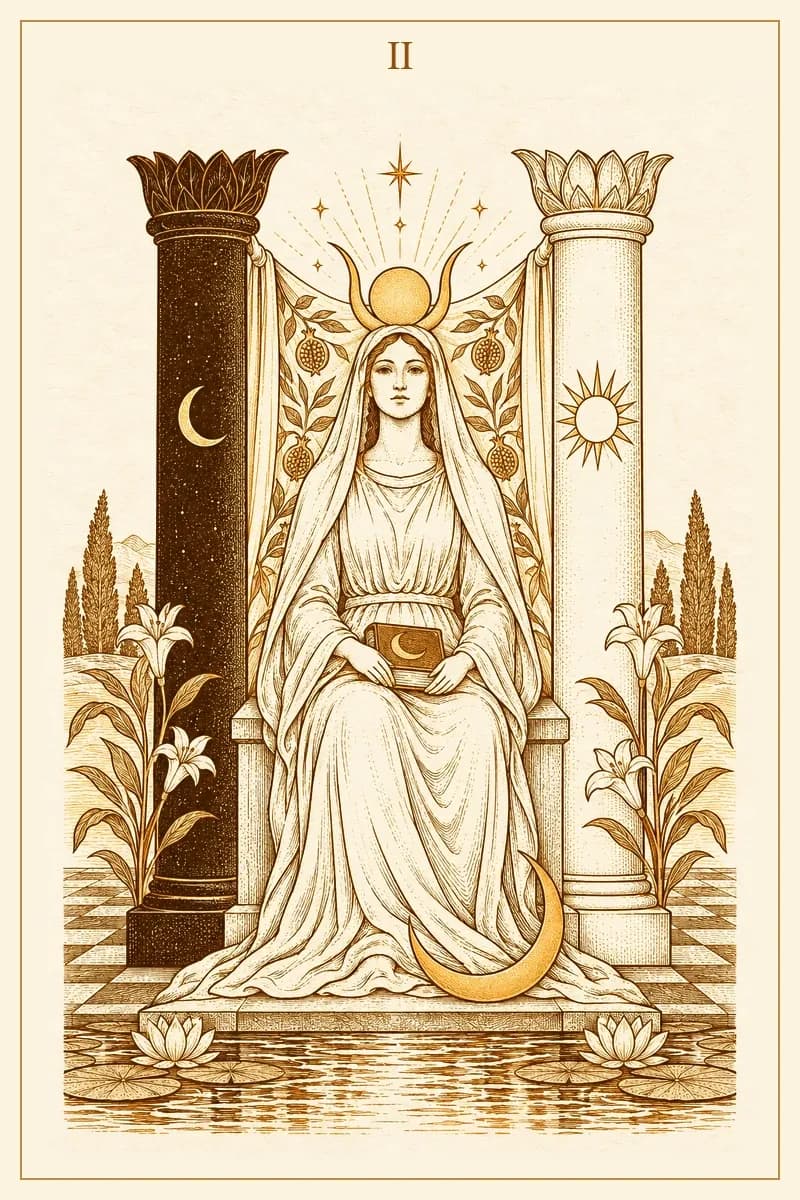
Hidden order
Meaning of The High Priestess and The Emperor Combination: Hidden Order
Speed versus depth
Meaning of The High Priestess and Knight of Swords Combination: Speed Meets Depth
✦ Bring it to the cards ✦
Bring The Emperor and Knight of Swords into your own reading
Use this pairing as a starting point, then let a spread listen to the situation that is actually yours.
Begin a contextual reading