
Card Combination
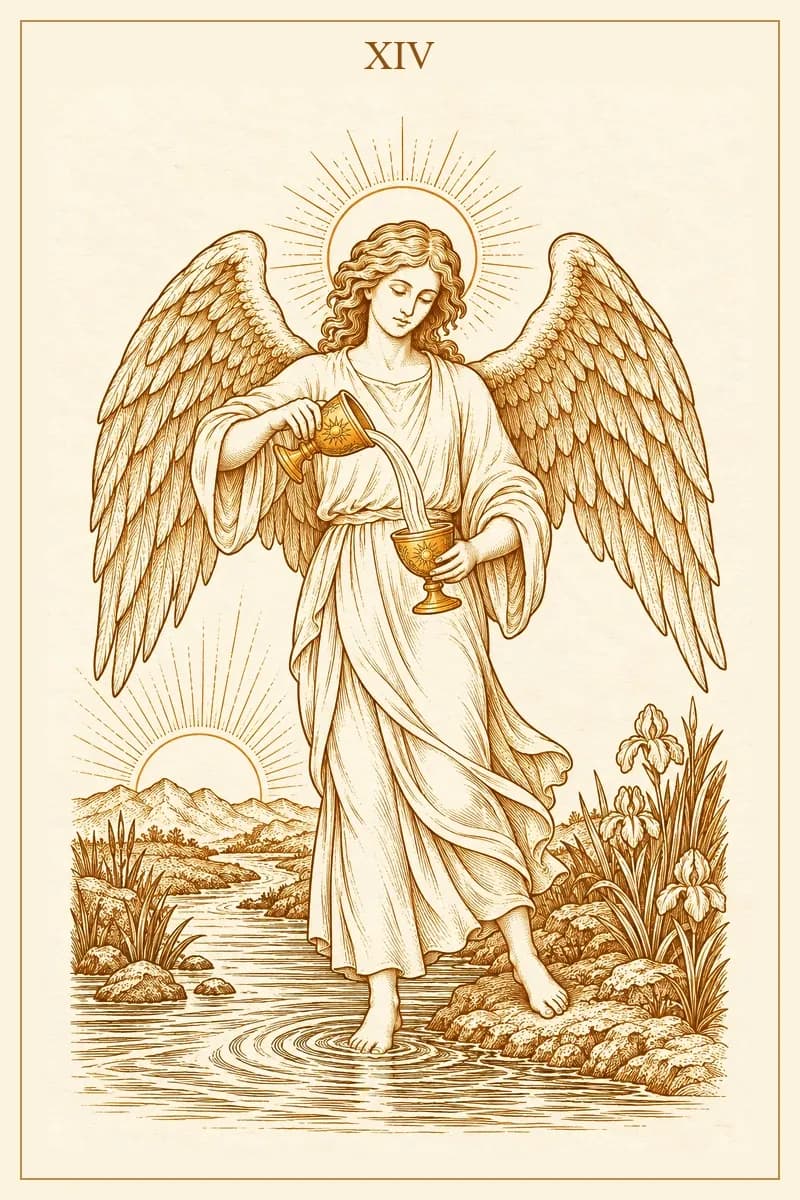
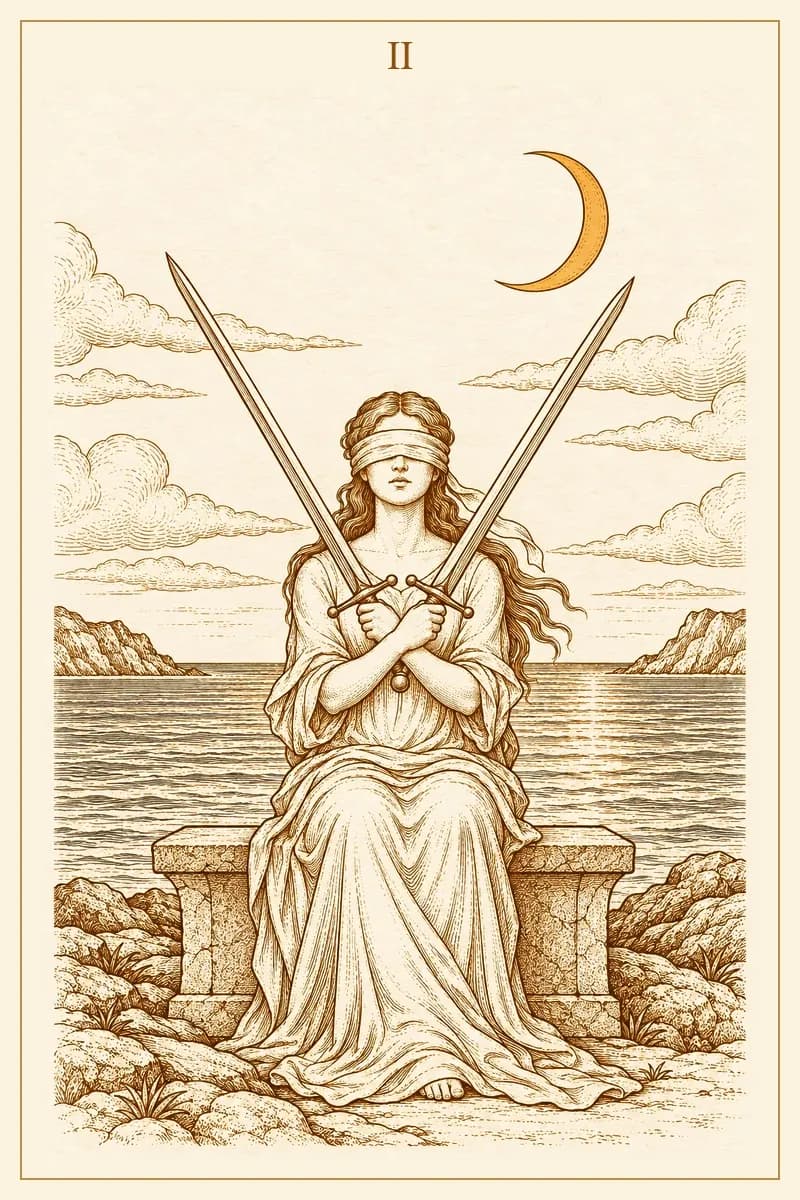
Meaning of Temperance and Two of Swords Combination: The Patient Bluff
Patient bluff
On one side of the table sits a player who never raises. She calls, she checks, she folds small pots with a serene expression. Her chip stack grows slowly through attrition while others bleed theirs on flashy bluffs. On the other side sits a player who cannot act at all. His cards are face-down, his arms are crossed, and the dealer has asked twice whether he intends to play this hand. The clock is running. The table is waiting.
Temperance and the Two of Swords create precisely this paradox: one energy that blends and adjusts with infinite patience, and another that freezes under the weight of an unresolved choice. The first player knows how to stay in the game without overcommitting. The second player cannot commit at all. Together, these cards describe a situation where your composure looks like wisdom from the outside — but from the inside, you know you are stalling.
The critical difference between a strategic pause and a paralyzed one is information flow. A poker player who waits is reading tells, calculating pot odds, adjusting to the table dynamics. A poker player who freezes has stopped processing entirely — the cards could change and he would not notice. The question this pair poses is uncomfortable: which player are you right now?
The Core Tension
Temperance modulates. It pours carefully between two cups, finding ratios, blending opposites into something drinkable. The Two of Swords blindfolds itself and holds two blades in a rigid cross, refusing to lower either one. The tension is between active equilibrium and defensive paralysis. In a poker game, the difference shows up in betting patterns. The skilled player varies bet sizes, shifts timing, uses position — equilibrium as a living strategy. The stuck player bets the same amount every hand or, worse, stops betting altogether, hoping the game will resolve itself without requiring a decision. These cards together warn that your balance may have calcified into avoidance. The modulation has stopped. The water is no longer flowing between cups — it is sitting still, growing stagnant.
Love & Relationships
In relationships, this combination often surfaces when both partners have become so skilled at keeping the peace that neither will name what is actually wrong. The diplomacy is genuine — there is real care behind the measured words and the careful silences. But the Two of Swords adds a blindfold to that care, and suddenly the patience of Temperance starts serving a less noble function: it becomes the excuse not to look. You might be holding two options — stay or leave, speak or stay quiet, commit deeper or pull back — and treating the act of holding them as a position in itself. It is not. In poker terms, you are sitting at the table taking up a seat without playing a hand. The relationship needs you to look at your cards, assess their actual value, and make a bet you are willing to back.
Career & Purpose
Professionally, Temperance and the Two of Swords describe the colleague everyone respects for being "thoughtful" and "measured" — who is, in private, agonizing over a decision they have had enough data to make for weeks. The poker metaphor cuts through the self-flattery: you are not gathering more information. You are afraid of the pot. The stakes feel too high to call, and folding feels like failure, so you sit with your chips untouched and hope the hand plays itself. It will not. Career decisions shaped by this pair — whether to accept a promotion, leave a role, confront a difficult manager — require you to acknowledge that the discomfort of choosing is smaller than the cost of indefinite delay. The table will not wait forever. Other players are acting, and the blinds are going up.
Shadow Side
The deepest shadow here is the illusion of virtue in indecision. Temperance can make stalling feel spiritual — "I am being balanced," "I am honoring both sides." The Two of Swords reinforces this by framing paralysis as fairness: "I cannot choose because both options have merit." But in a poker game, the player who never acts is not fair — they are irrelevant. The shadow is that your refusal to decide is itself a decision, and usually the worst one available. It costs you time, credibility, and the respect of people who are waiting for your move. Recognizing that non-action has consequences is the first step out of the blindfold.
Action Steps
- 1Write down the decision you have been avoiding, list the two options side by side, and circle one before the end of Tuesday — then tell someone what you chose so you cannot quietly un-choose it.
- 2In one conversation this week, say the honest thing instead of the diplomatic thing; keep it brief and specific, no longer than two sentences.
- 3Set a hard deadline for one stalled project or choice: pick a date within ten days, mark it in your calendar, and treat it as non-negotiable.
Related Pairings
Continue through published pairings that share Temperance or Two of Swords.
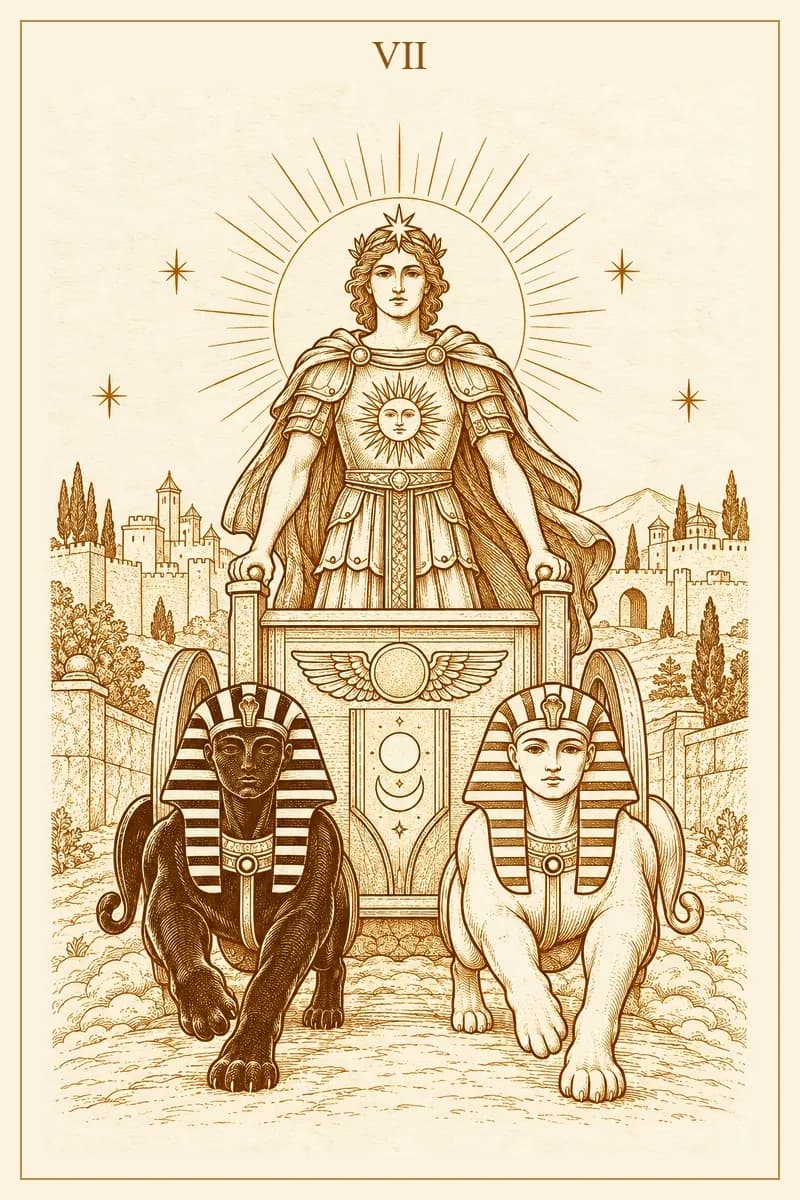
controlled momentum
Meaning of The Chariot and Temperance: Controlled Drive Meets Measured Pace
Blocked momentum
Meaning of The Chariot and Two of Swords Combination: Stalled Drive

controlled patience
Meaning of The Emperor and Temperance: When Command Meets the Slow Cure
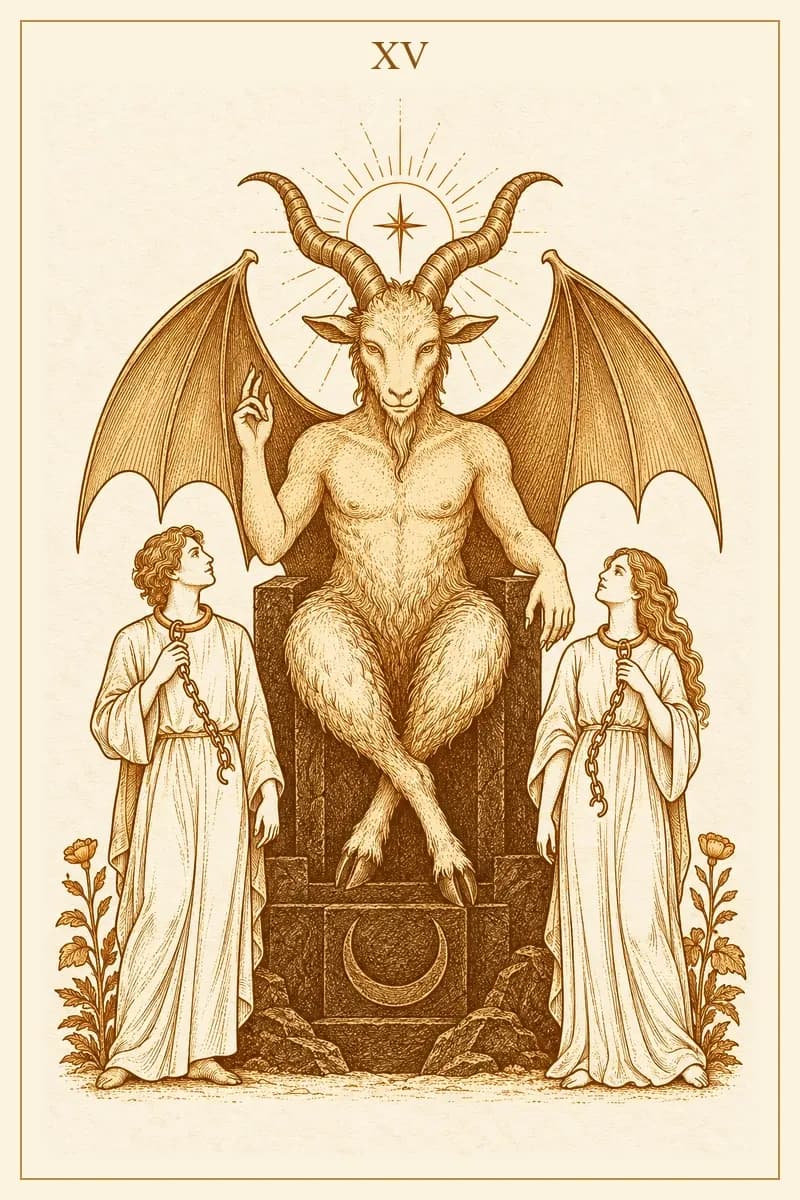
Willing blindness
Meaning of The Devil and Two of Swords Combination: Frozen Chains
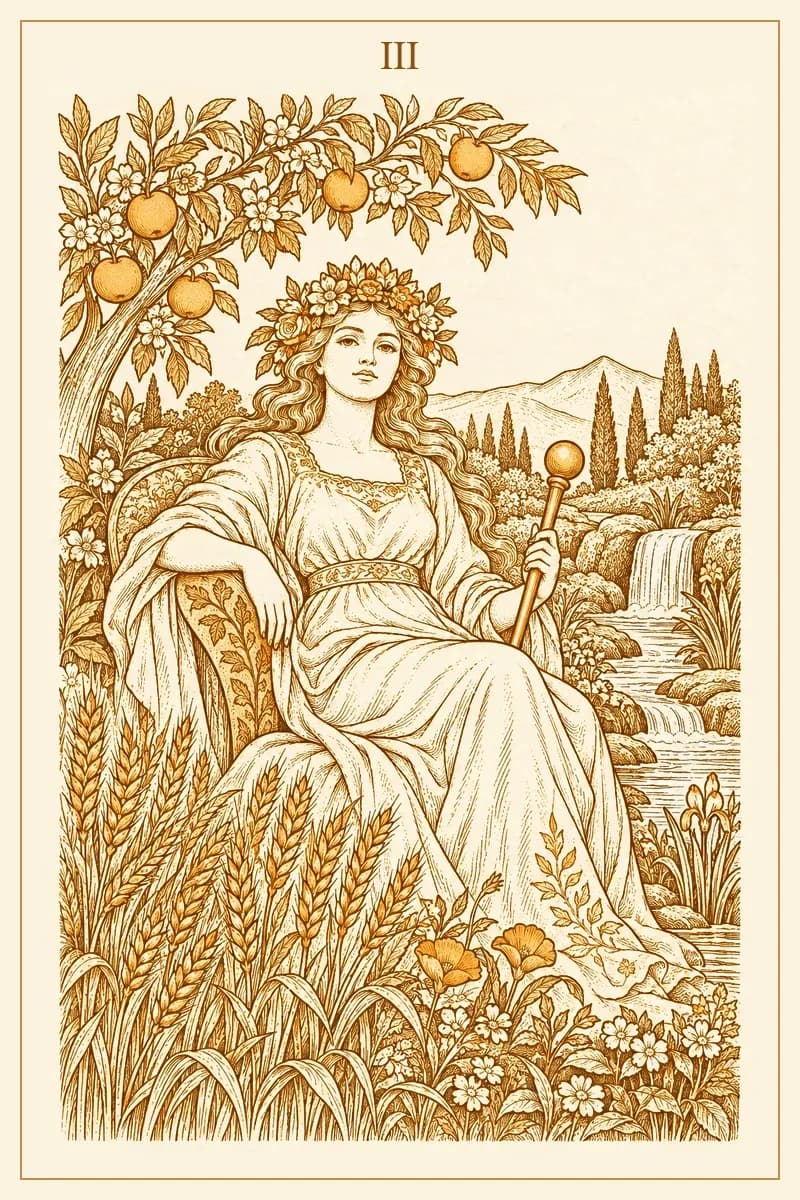
Fertile balance
Meaning of The Empress and Temperance: When Abundance Learns to Flow
Forced decision
Meaning of The Emperor and Two of Swords Combination: Authority Meets Stalemate
✦ Bring it to the cards ✦
Bring Temperance and Two of Swords into your own reading
Use this pairing as a starting point, then let a spread listen to the situation that is actually yours.
Begin a contextual reading