Loading your view
The page is gathering the latest information.
The page is gathering the latest information.
control versus release
The conductor's baton is raised, mid-downbeat, and the orchestra holds its breath. Every musician has been rehearsed to precision. Every note is mapped, every entrance marked in red pencil on dog-eared score sheets. The conductor knows exactly how this piece should sound — has known it for months, has shaped it in his sleep — and then, at the precise moment of release, the baton stops. He holds it there, suspended above the players, while four seconds pass that feel like four years. The music that emerges from that pause is unlike anything the rehearsal produced.
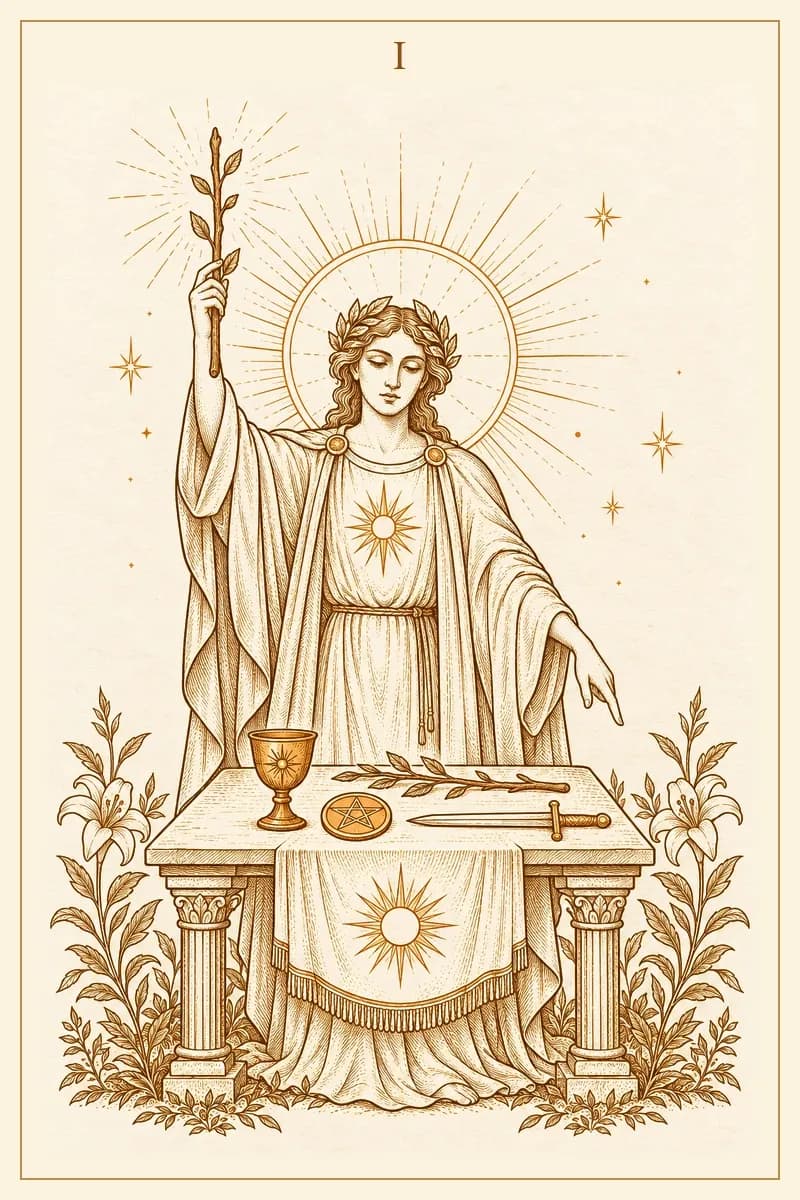
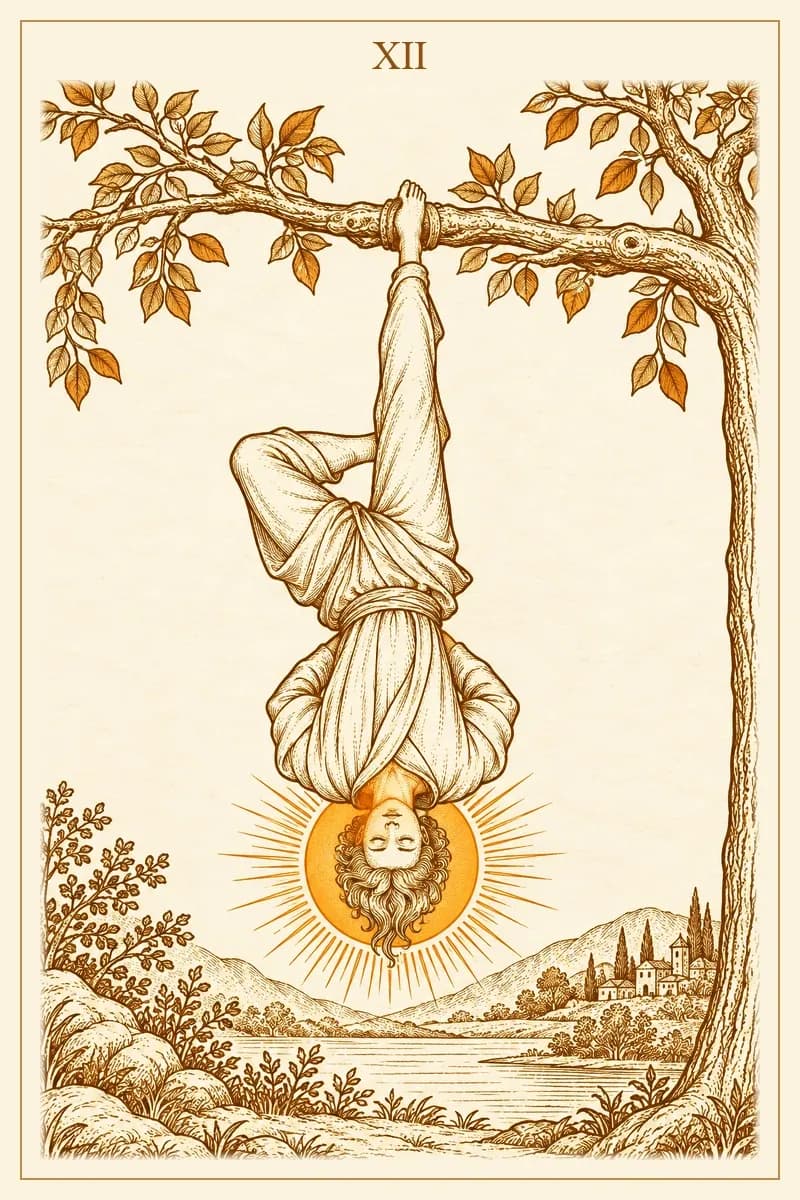
The Magician is the months of preparation, the red pencil, the iron certainty of a person who has mastered every instrument on that table. The Hanged Man is the baton held still. One card commands reality through will and skill. The other disrupts the whole composition by refusing to continue on tempo. When these two appear in the same reading, the message is not a contradiction — it is a lesson in when the most skillful thing a skilled person can do is stop.
The Magician's entire grammar is active. He reaches, shapes, directs. His four tools — wand, cup, sword, coin — represent every domain of influence available to a human being, and his posture announces that all of them are already in use. His mastery feels like music played at precisely the right tempo: technically correct, emotionally commanding, impossible to ignore. He is the musician who can hear the piece inside his head before a single note sounds and then produces that internal vision with enough fidelity to move an audience to tears.
The Hanged Man refuses all of that. He hangs by one foot, willingly, in a position that makes forward movement impossible. His face is calm — not defeated, but deliberately placed in the one posture where old patterns of control cannot reach him. He has suspended himself precisely because the instruments he was playing had started to produce something stale, something technically correct but emotionally hollow. The pause is not failure. It is the silence between movements that tells you what key the next one will be in.
The tension is this: the Magician believes he can compose his way out of any problem, and he is often right — until he isn't. The Hanged Man has discovered that certain chords can only be heard when the musician stops playing.
When this pair appears in relationship readings, one person in the dynamic is working hard — making plans, expressing needs, proposing next steps, holding the emotional composition together through sheer effort. The other, or another phase of the same person, has gone quiet in a way that looks passive but is not.
The Hanged Man in love does not mean withdrawal or indifference. It means that the relationship has reached a passage where forcing any more notes into the space will obscure what needs to be heard. The most productive thing a skilled partner can do at this moment is resist the Magician's instinct to fix, frame, or arrange. Let the silence play. What surfaces from that stillness — what both people finally hear when the performance stops — often turns out to be the truth that all the effort had been covering.
Professionally, this combination arrives when a highly capable person has pushed a project, strategy, or creative work to the edge of what active effort can produce. The Magician's phase has delivered everything it can deliver. The next leap — the shift in perspective, the unexpected solution, the chord change that makes the whole piece finally make sense — will not come from more doing.
The Hanged Man asks the professional to stop composing for long enough to listen. Not indefinitely. Not as a permanent retreat. The suspension is temporary and purposeful: a fermata that holds longer than the written note value, precisely because the composer understood that the music needed room to breathe. After the pause, the Magician's tools will be available again — but they will be played with the understanding of someone who has heard what the silence contained.
The shadow of this pairing lives in both directions. The Magician without the Hanged Man becomes a virtuoso playing louder and louder to avoid hearing that the song has ended. Competence becomes compulsion. Control becomes rigidity. The more circumstances resist the performance, the more force goes into the instrument, until the string breaks.
The Hanged Man without the Magician can romanticize suspension as a permanent state. There is a version of surrender that is simply refusal to act dressed in spiritual language. The pause becomes a career, the stillness becomes a habit, and the new perspective gained from the inverted position is never brought back to earth where it might actually change something.
Keep or share this combination reference
Continue through published pairings that share The Magician or The Hanged Man.
Spontaneous Manifestation
momentum versus surrender
controlled momentum
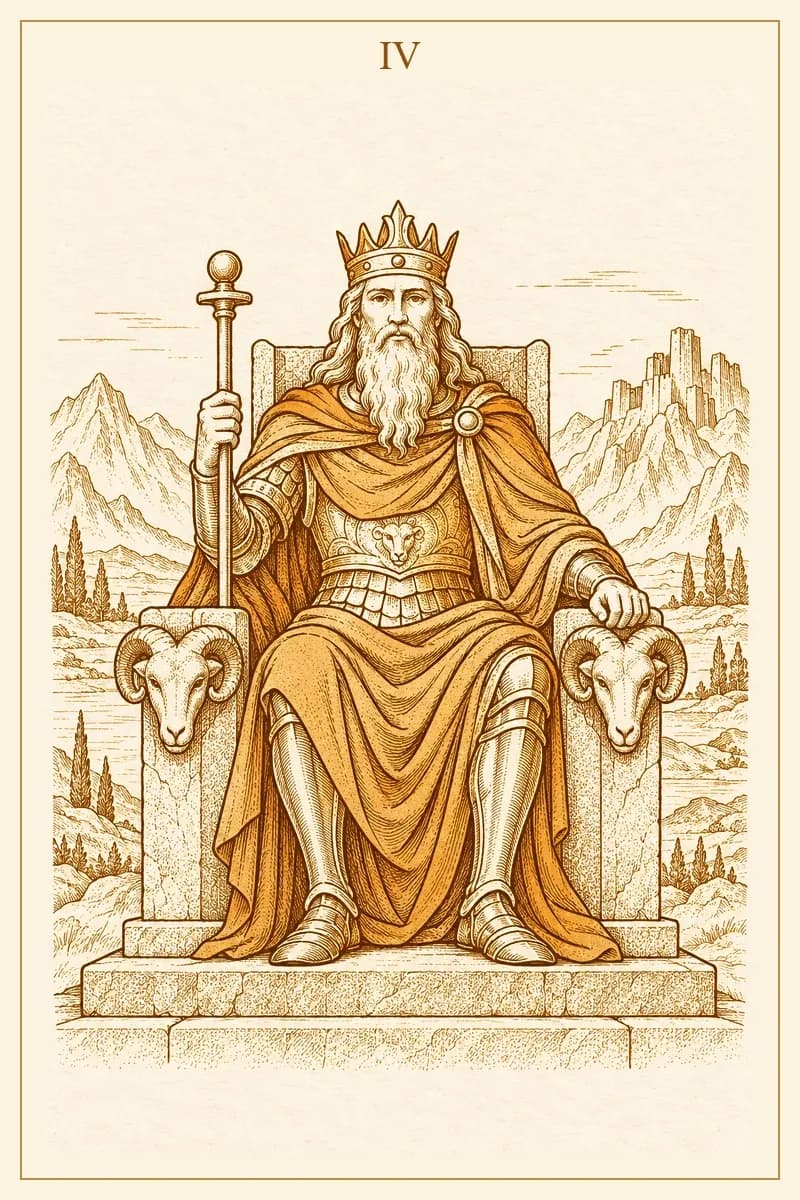
control vs release
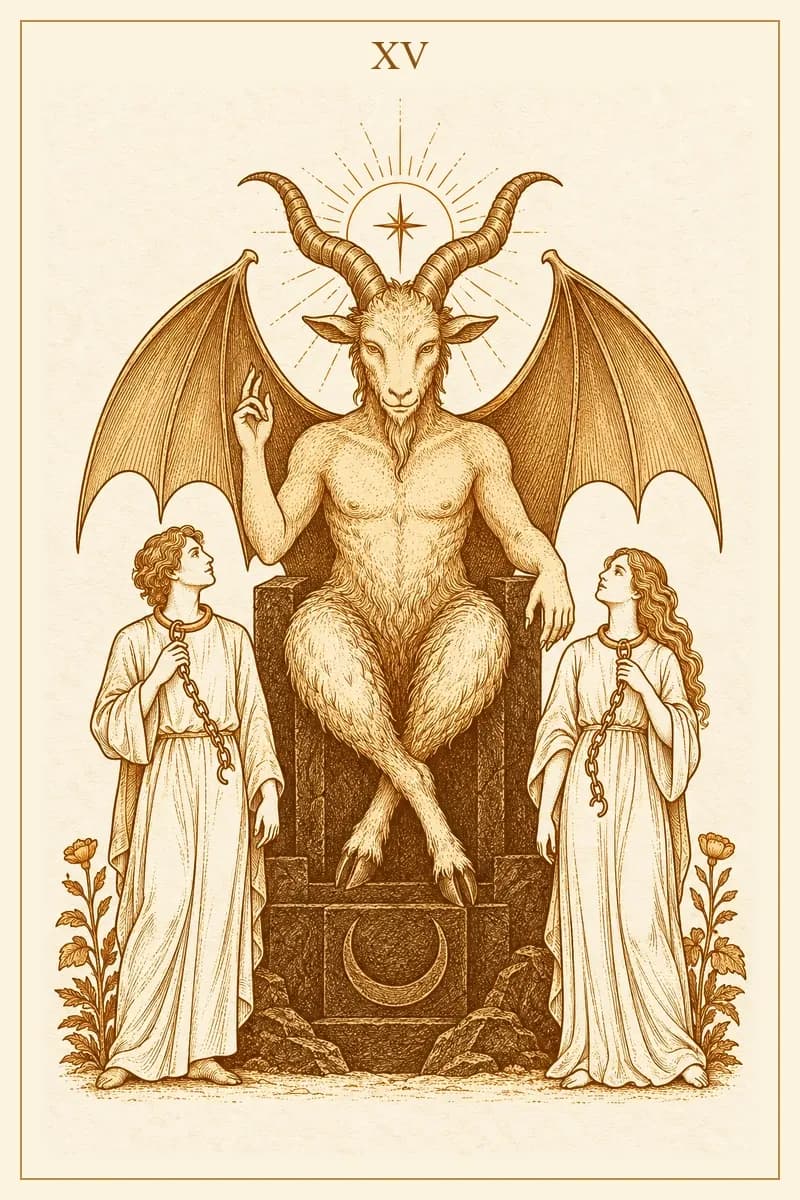
will versus compulsion
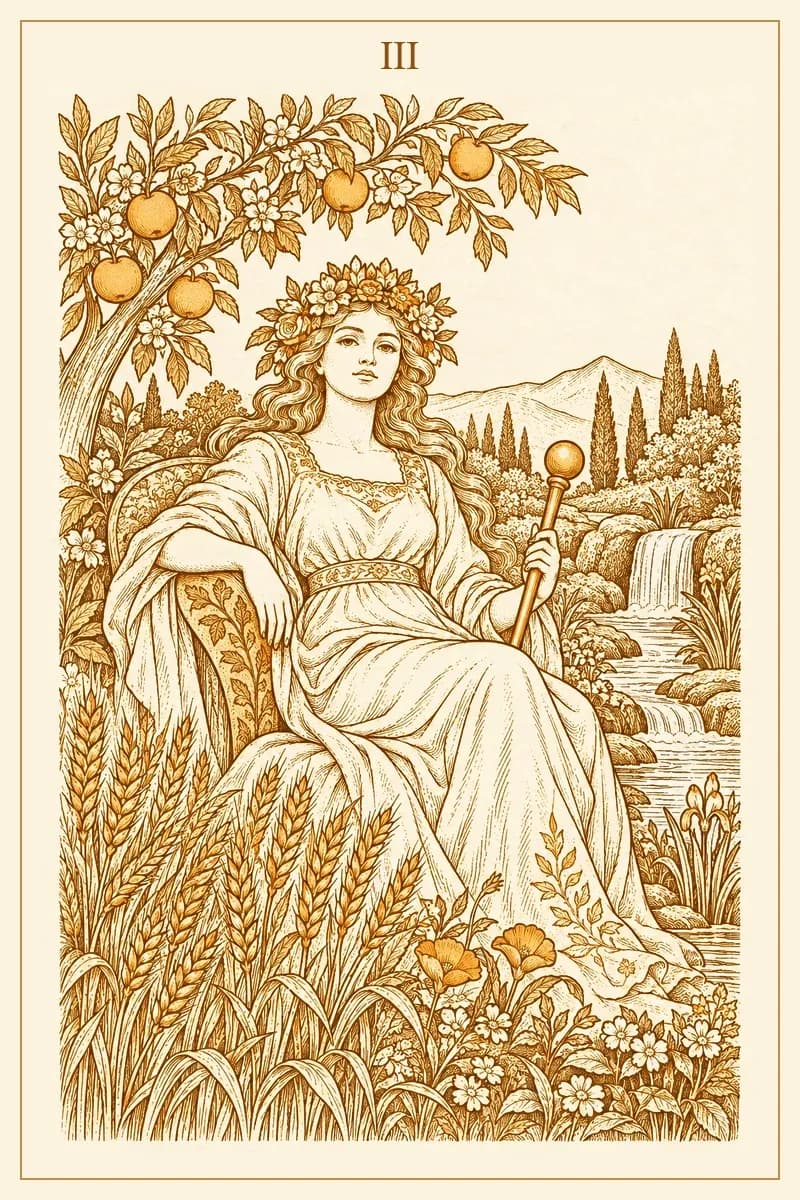
fertile suspension
✦ Bring it to the cards ✦
Use this pairing as a starting point, then let a spread listen to the situation that is actually yours.
Begin a contextual reading